Day 6 of Sri Lanka Trip, Sigiriya on July 16, 2017
Sixth day of our Sri Lanka trip.
Today we visited Sigiriya in the morning, and Dambulla Cave Temple in the afternoon, before reaching our overnight apartment in Kandy in the evening.
As I said in the previous post, we spent the night in a hotel just next to Sigiriya. So this morning while we were having breakfast, we had this magnificent sight of the hill of Sigiriya rising above the horizon in front of us. A great way to start a day.
After that, it's a short drive to the Sigiriya visitor entrance, where, for once, we followed our driver's advice and did hire a tour guide for us (we didn't do that in Anuradhapura or Polonnaruwa).
Sigiriya
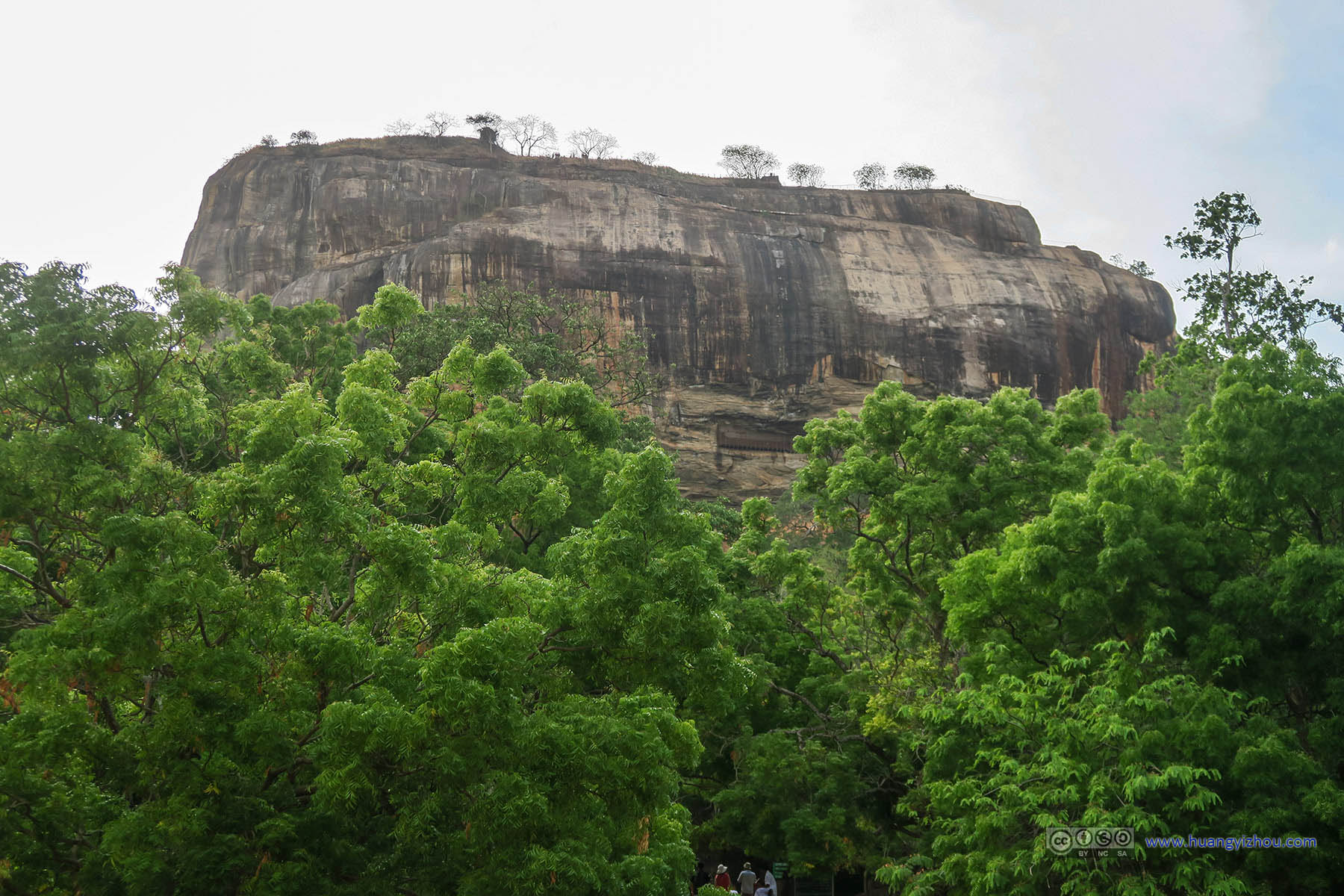
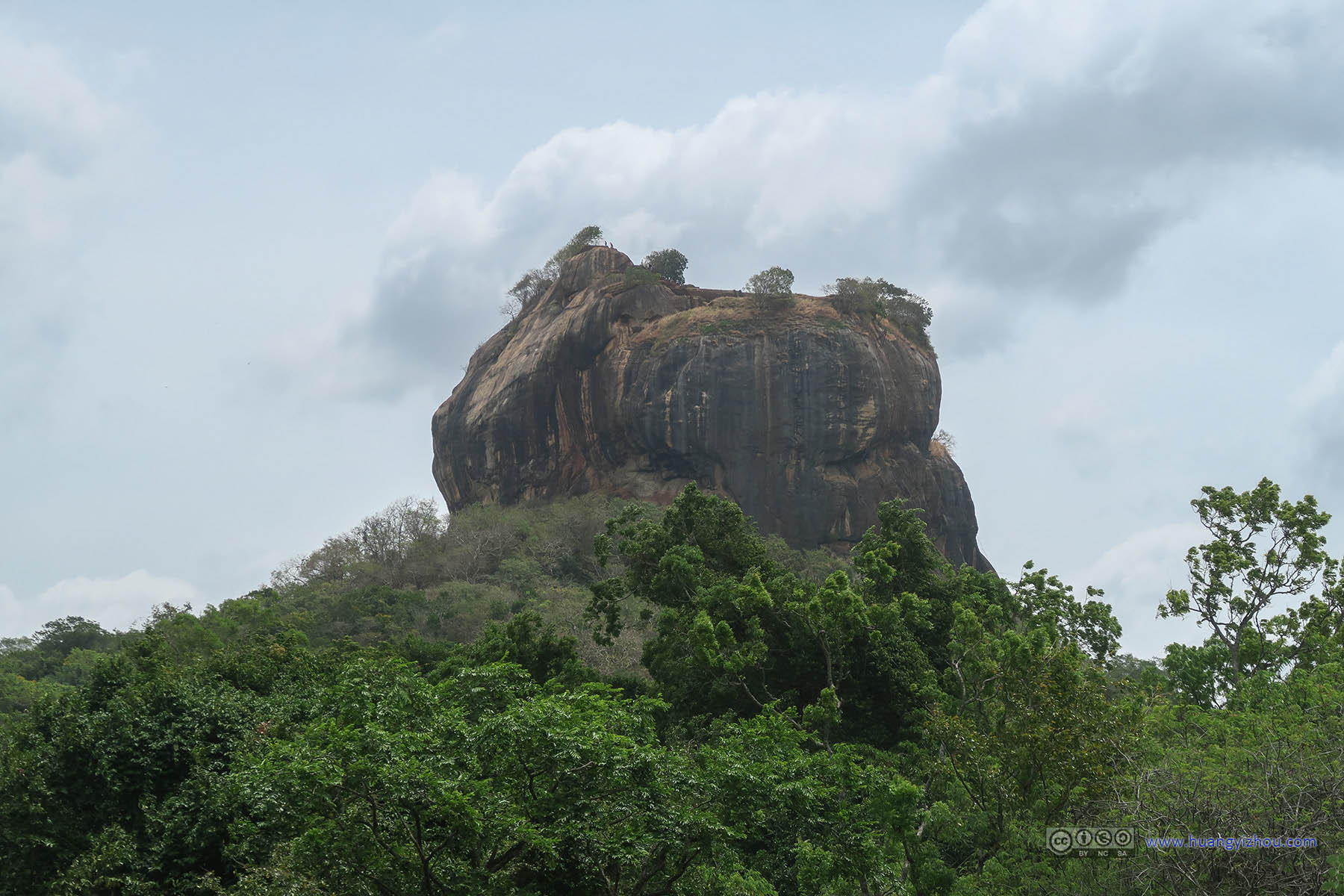
Sigiriya is an ancient rock fortress located near the town of Dambulla. The name refers to a site of historical and archaeological significance that is dominated by a massive column of rock nearly 200 metres (660 ft) high. According to the ancient Sri Lankan chronicle the Culavamsa, this site was selected by King Kasyapa (477–495 AD) for his new capital. He built his palace on the top of this rock and decorated its sides with colorful frescoes. On a small plateau about halfway up the side of this rock he built a gateway in the form of an enormous lion. The name of this place is derived from this structure —Sīhāgiri, the Lion Rock. The capital and the royal palace was abandoned after the king's death. It was used as a Buddhist monastery until the 14th century.
King Kashyapa acquired the throne by overthrowing his father, King Dhatusena, and usurping his brother and rightful heir to the throne, Moggallana, in a palace coup. He imprisoned and later executed his father. Kashyapa was also known as Pithru Ghathaka Kashyapa (Kashyapa the Patricide), after this incident. He was later defeated by Moggallana, who had fled to South India and returned with an army to regain the throne. Kashyapa was killed in the battle that ensued.
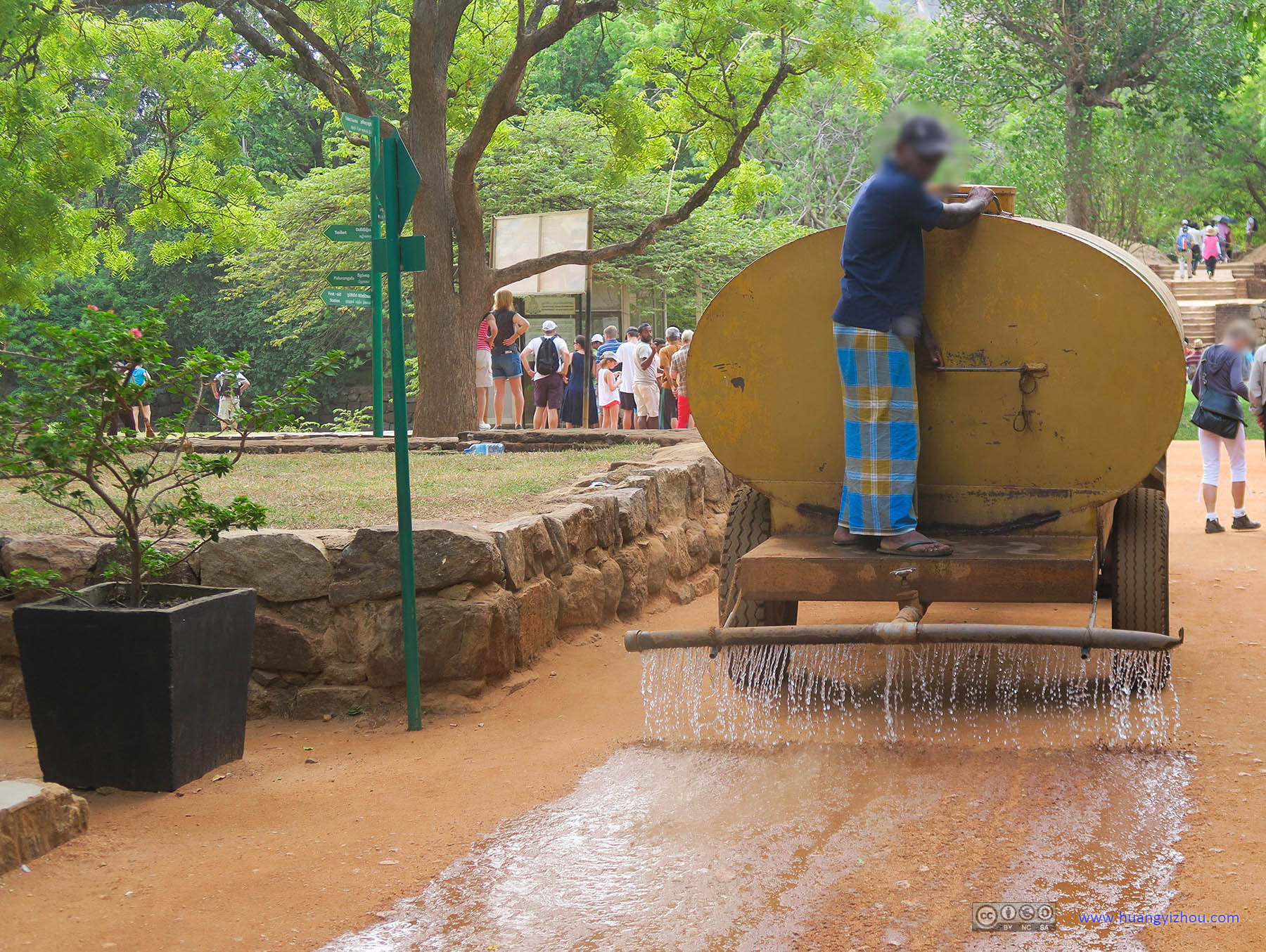
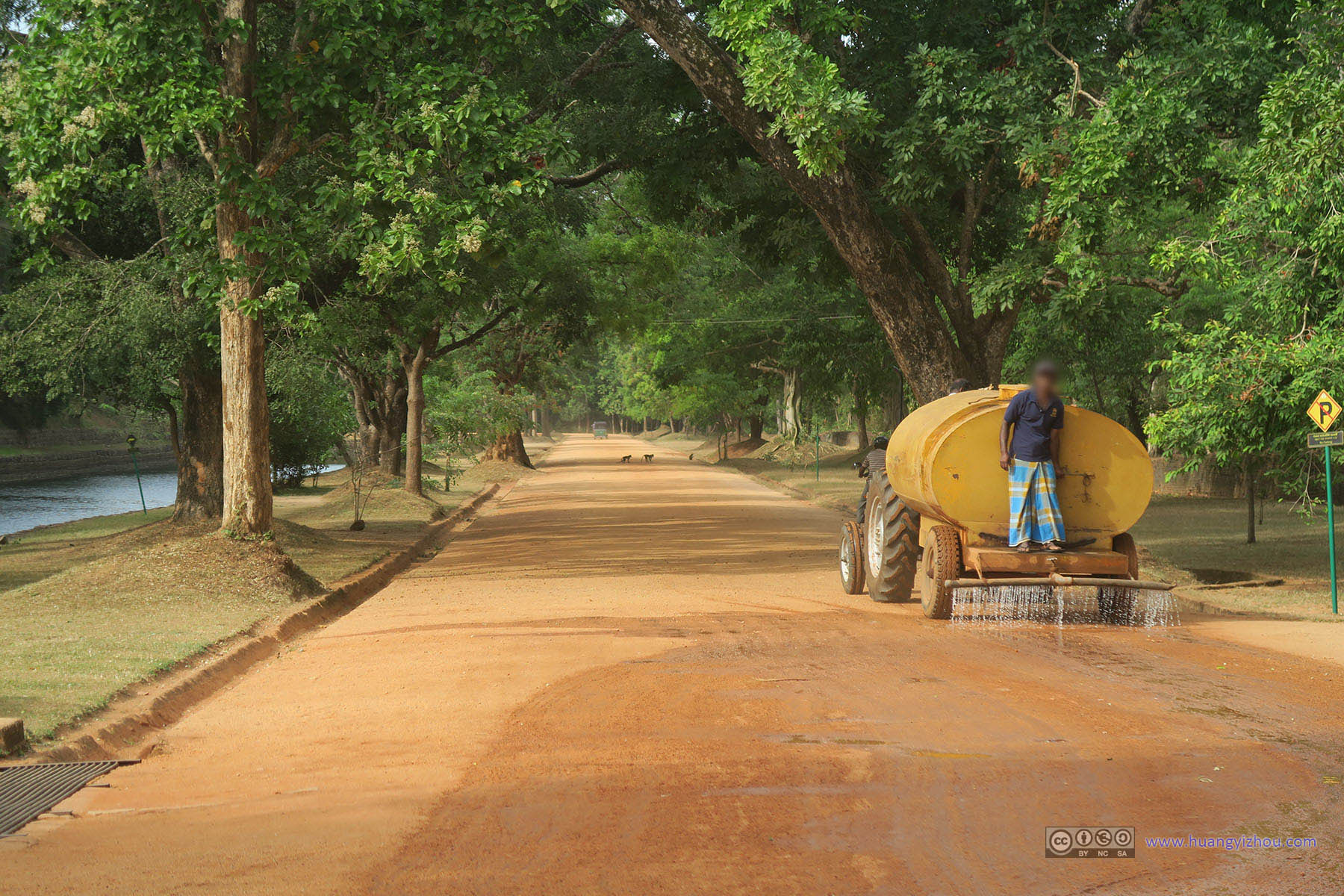
Just a water tank pulled by a tractor, pretty primitive.
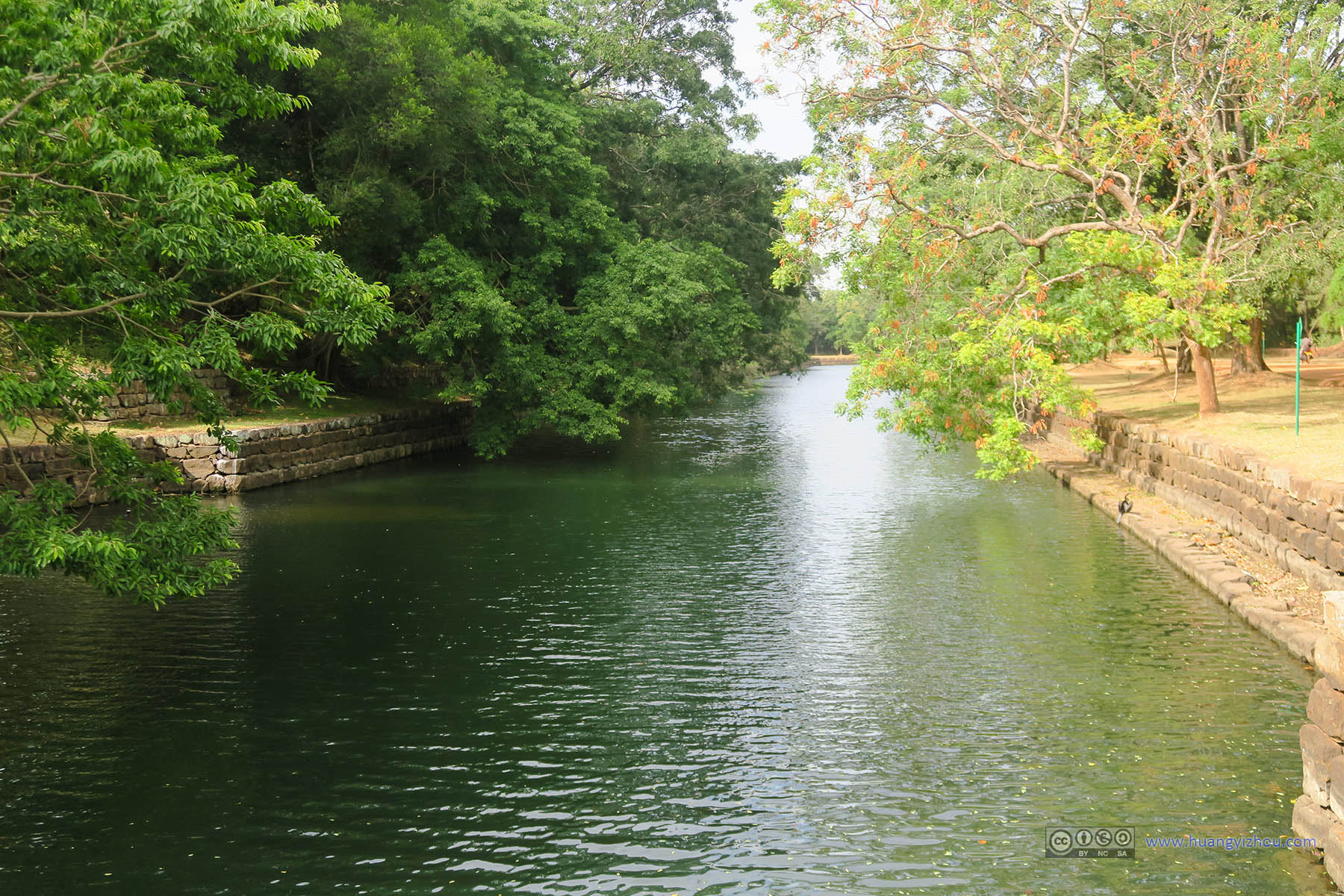
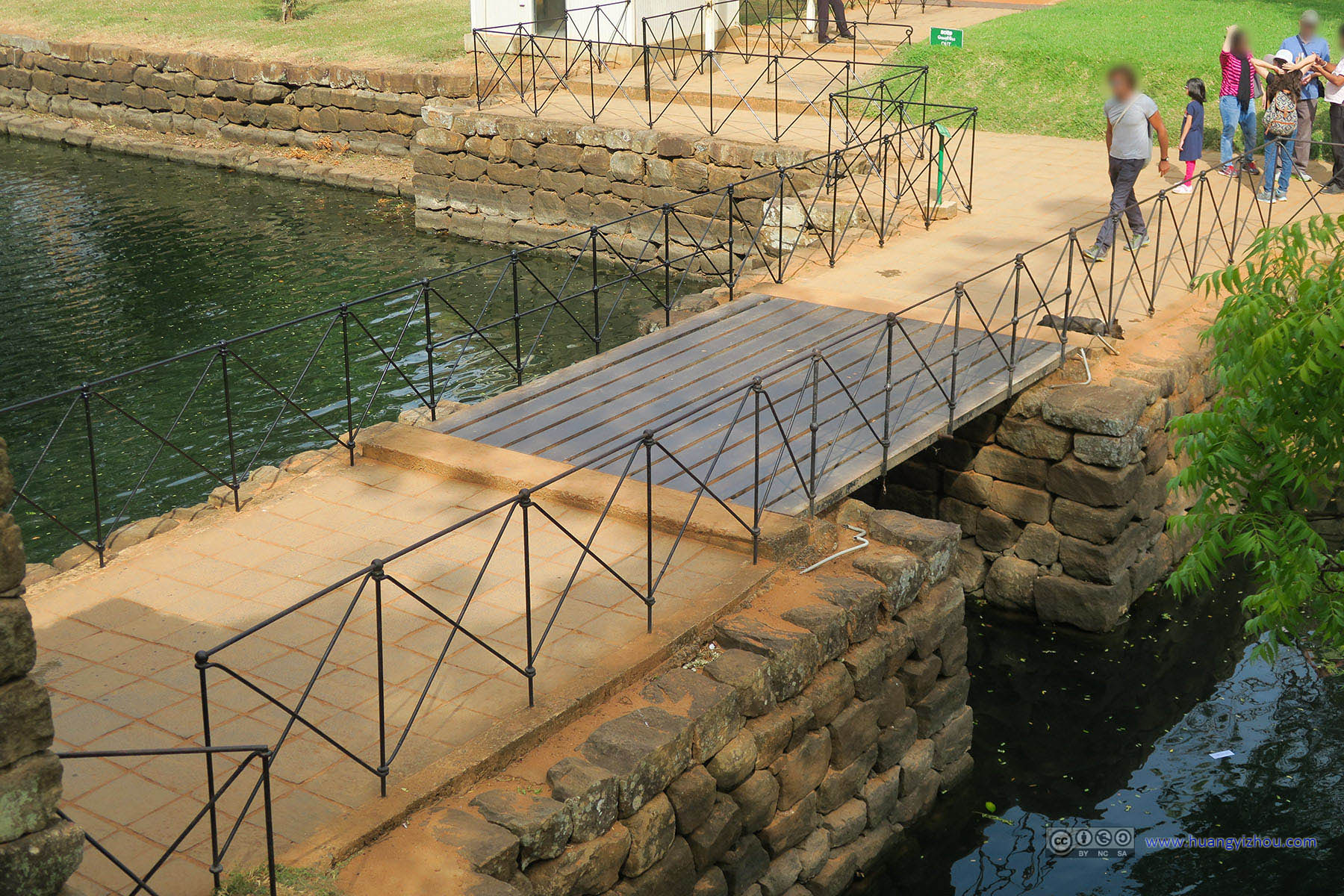
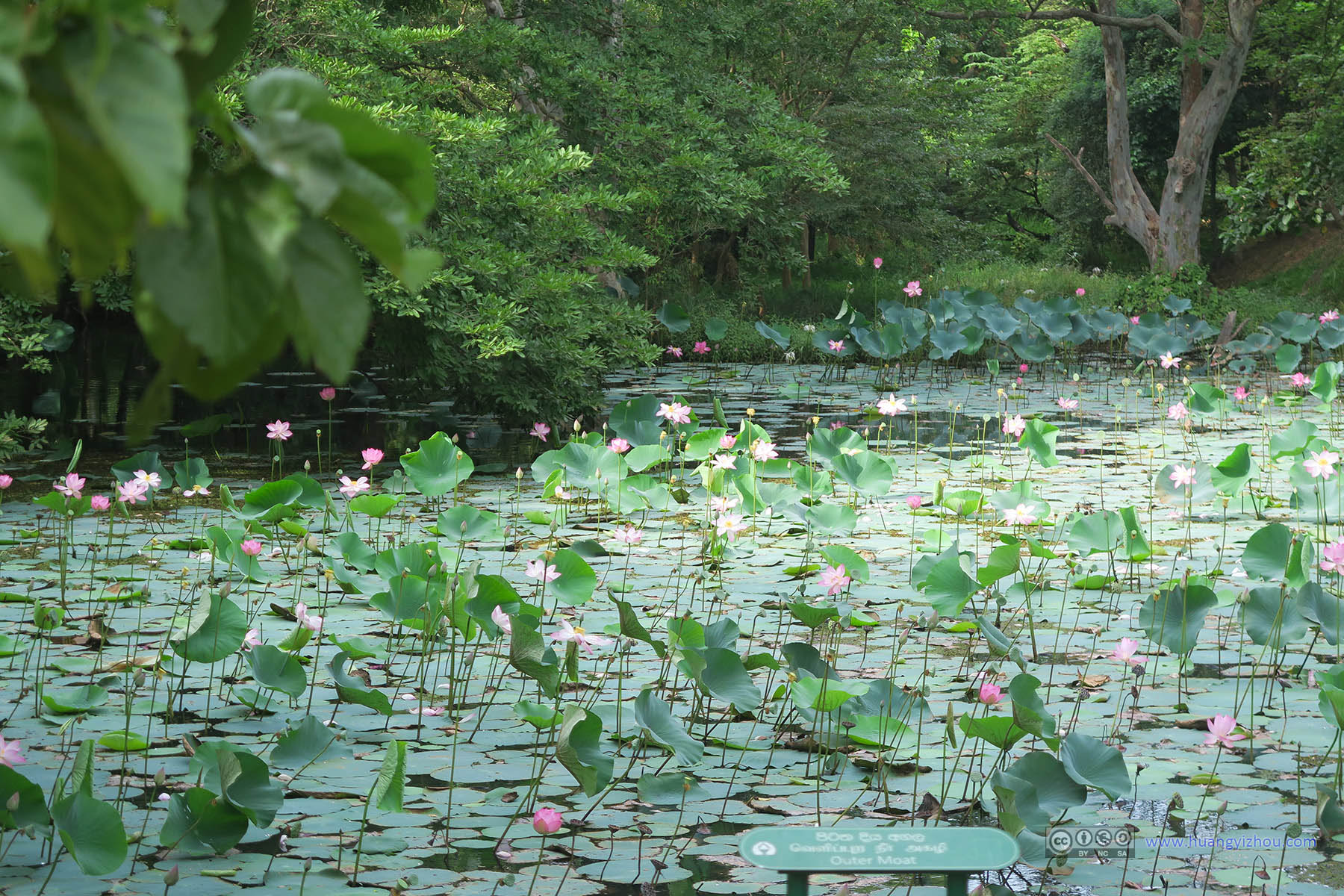
This is the outer smaller inner moat of Sigiriya, the outer moat was cut off by the ticket office. According to our tour guide, the King used to raise crocodiles in the moat so as to ward off intruders.
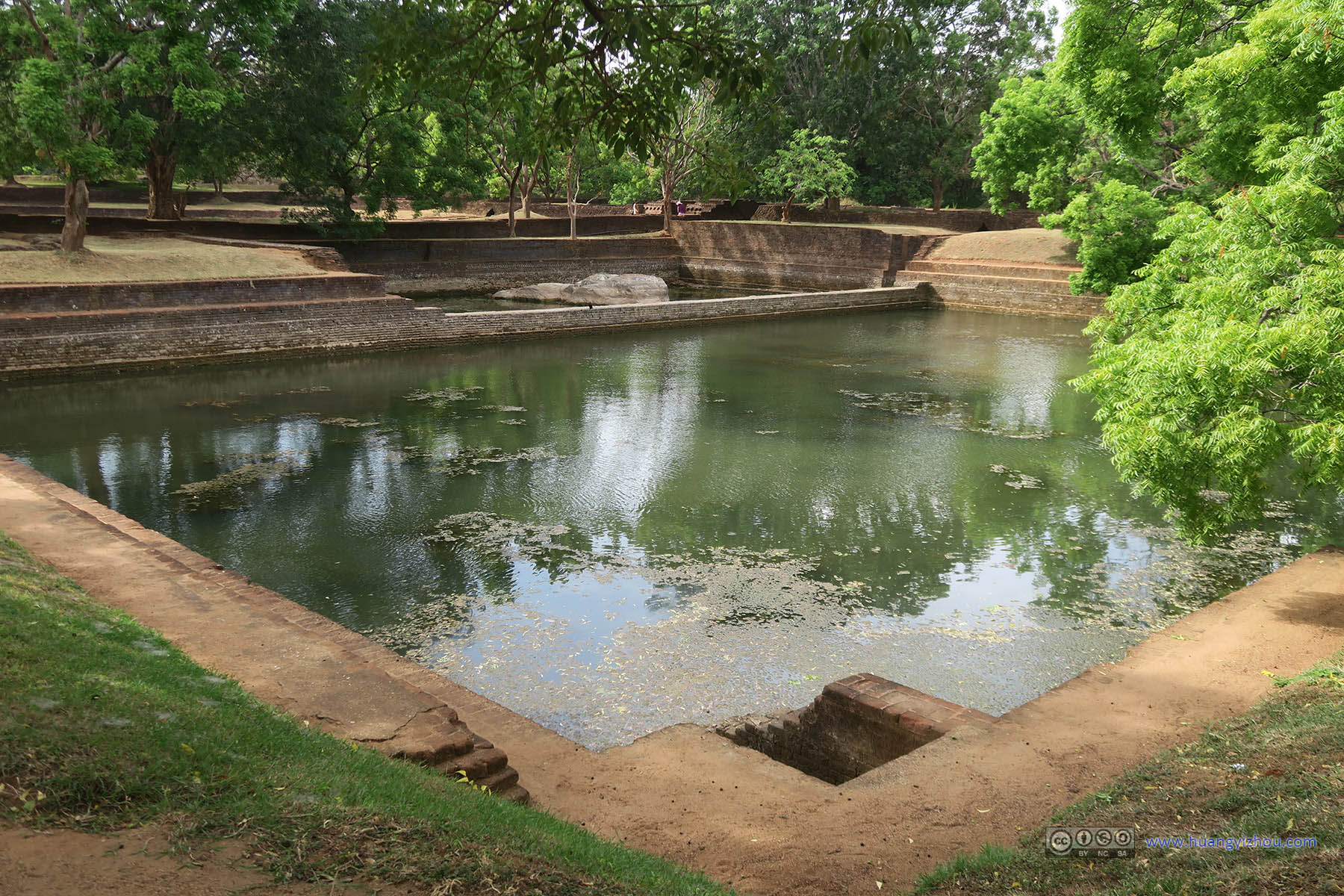
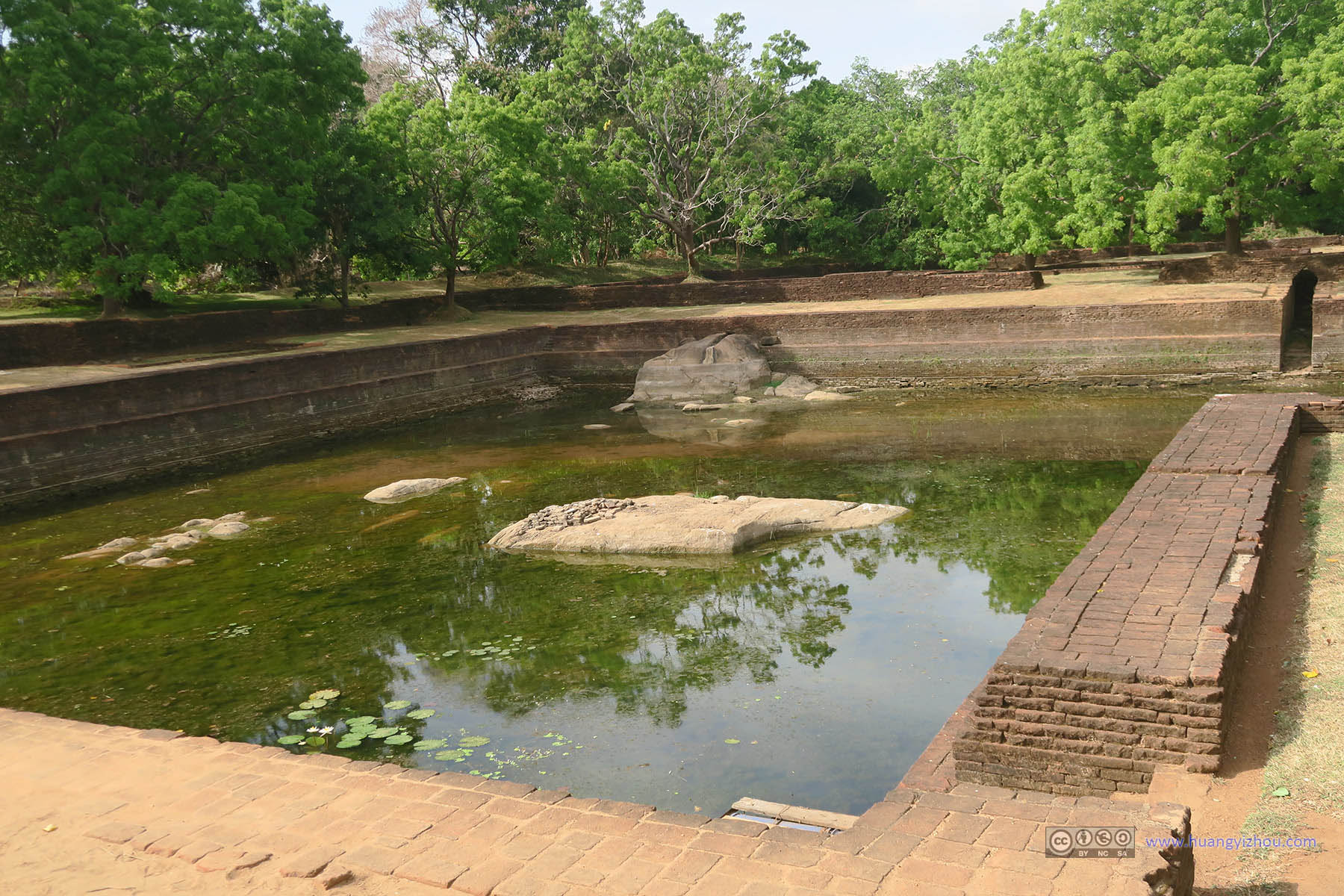
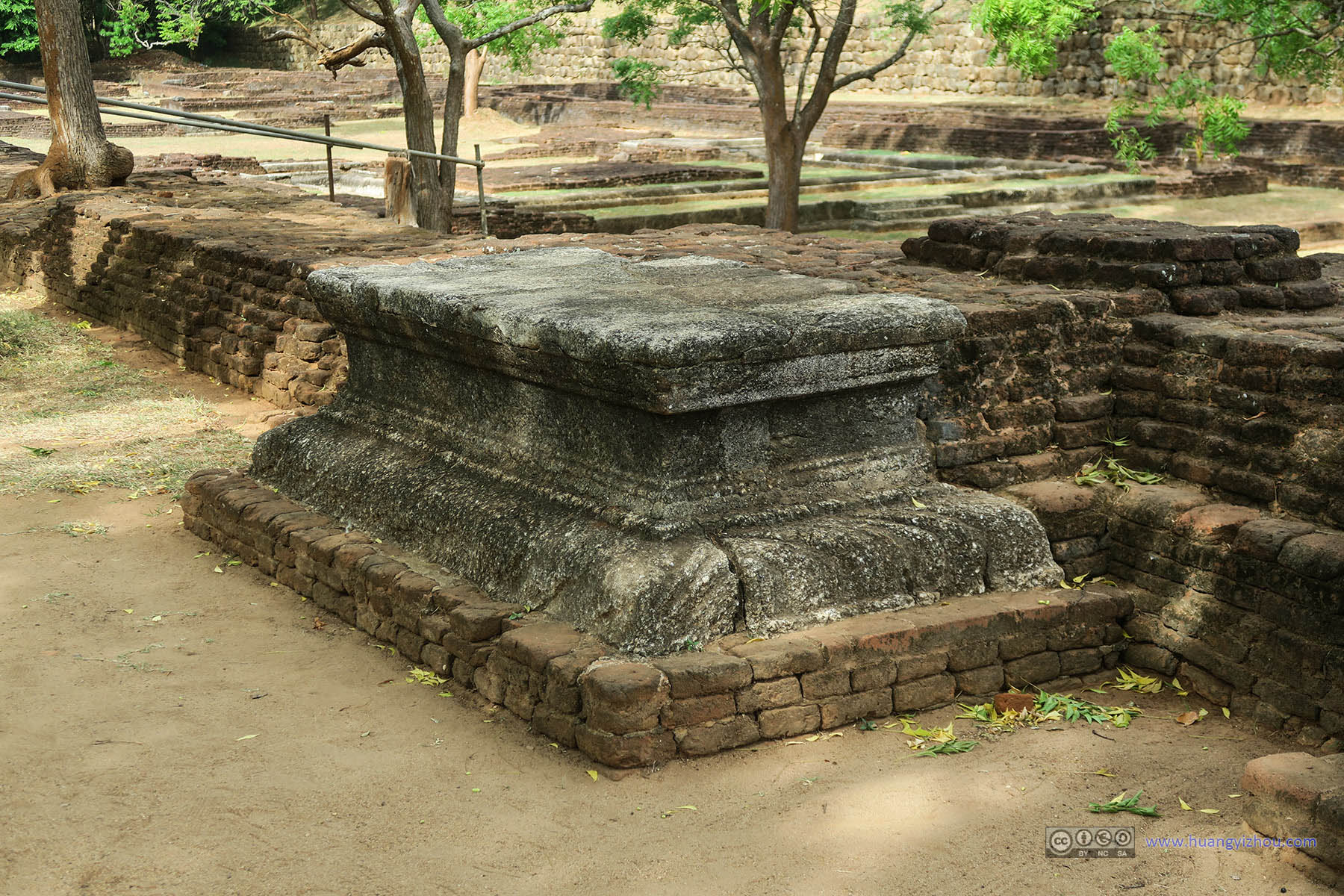
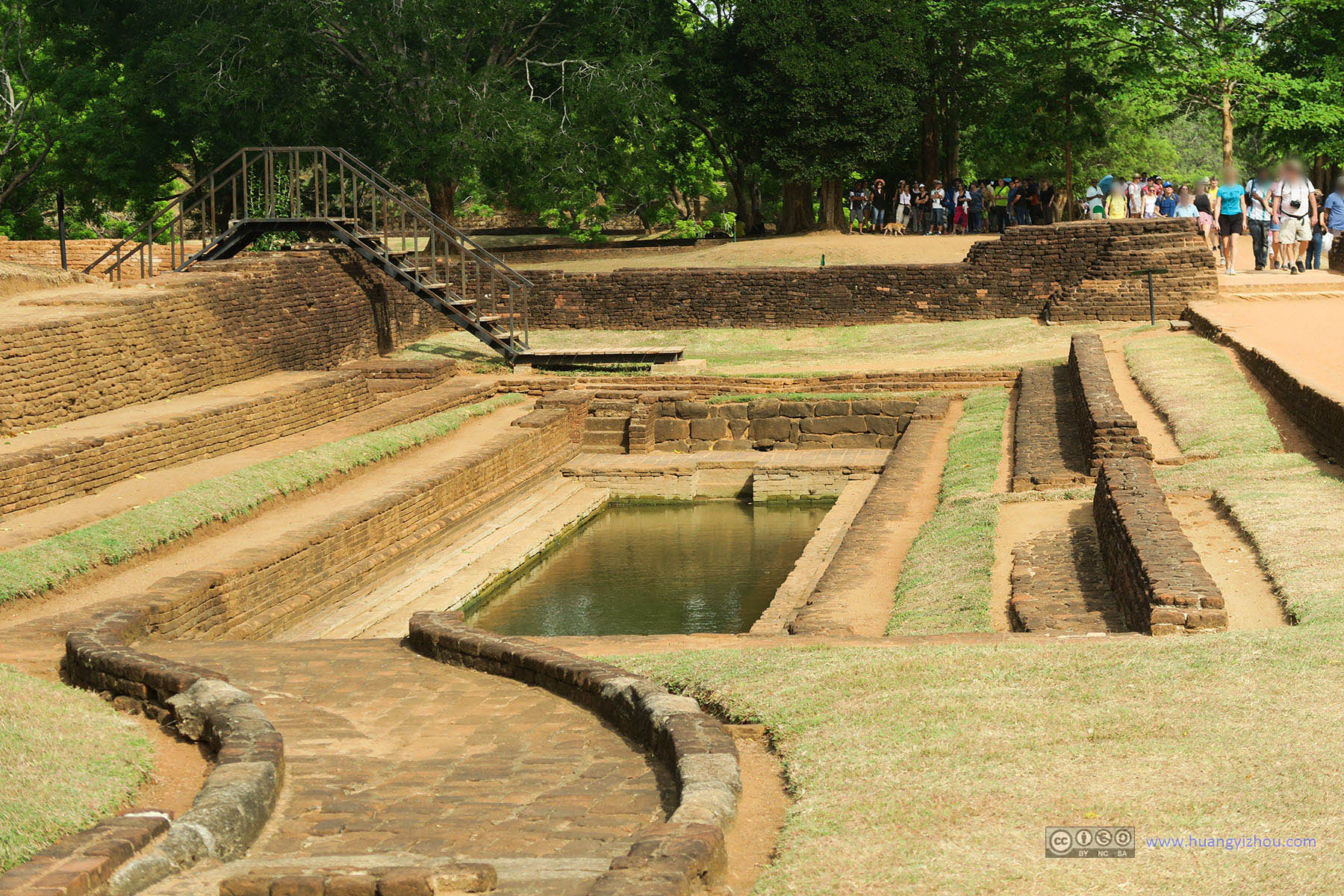
Where the king would sit to watch ladies taking bath.
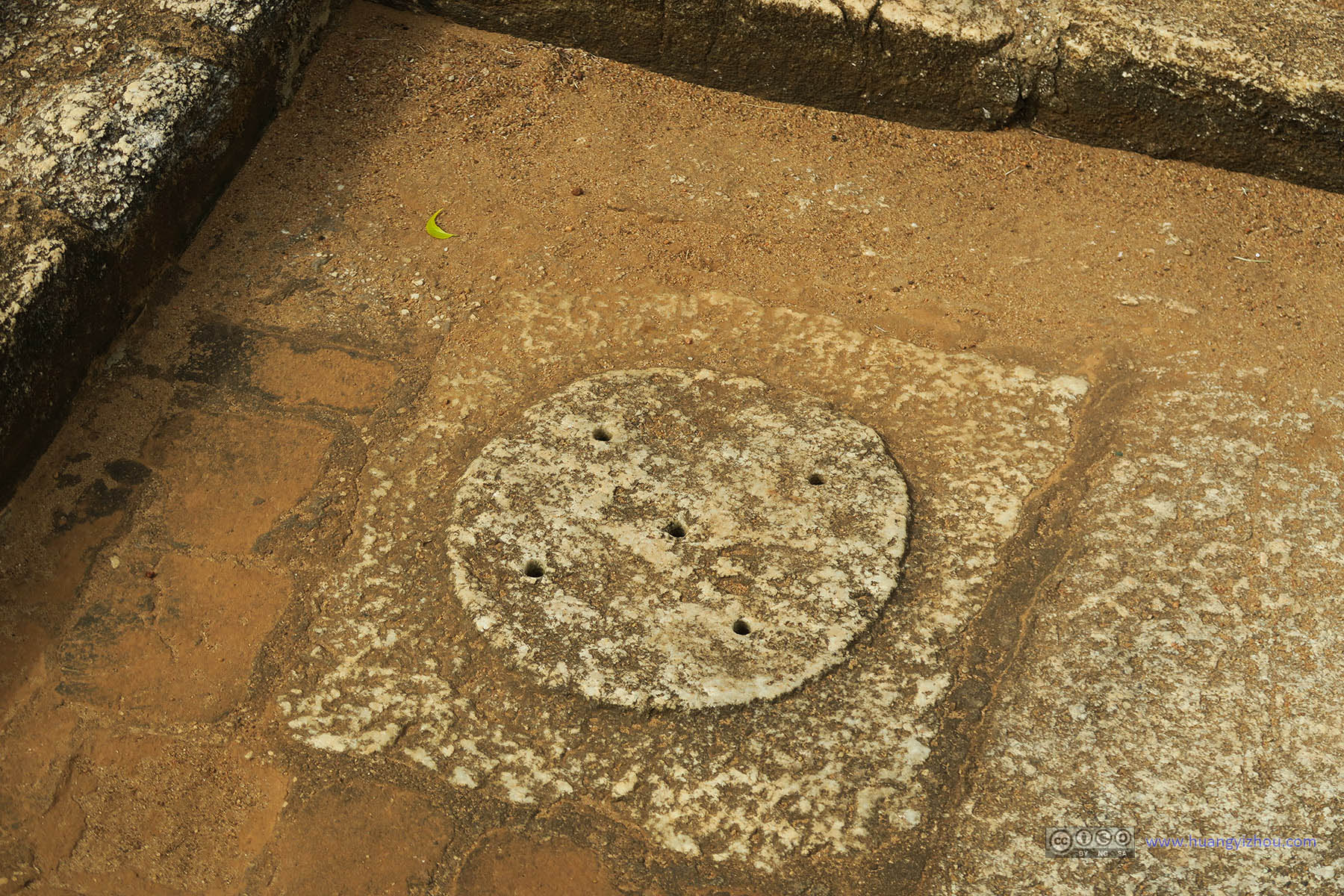
There's underground water channel underneath it, so water would spill out from the holes.
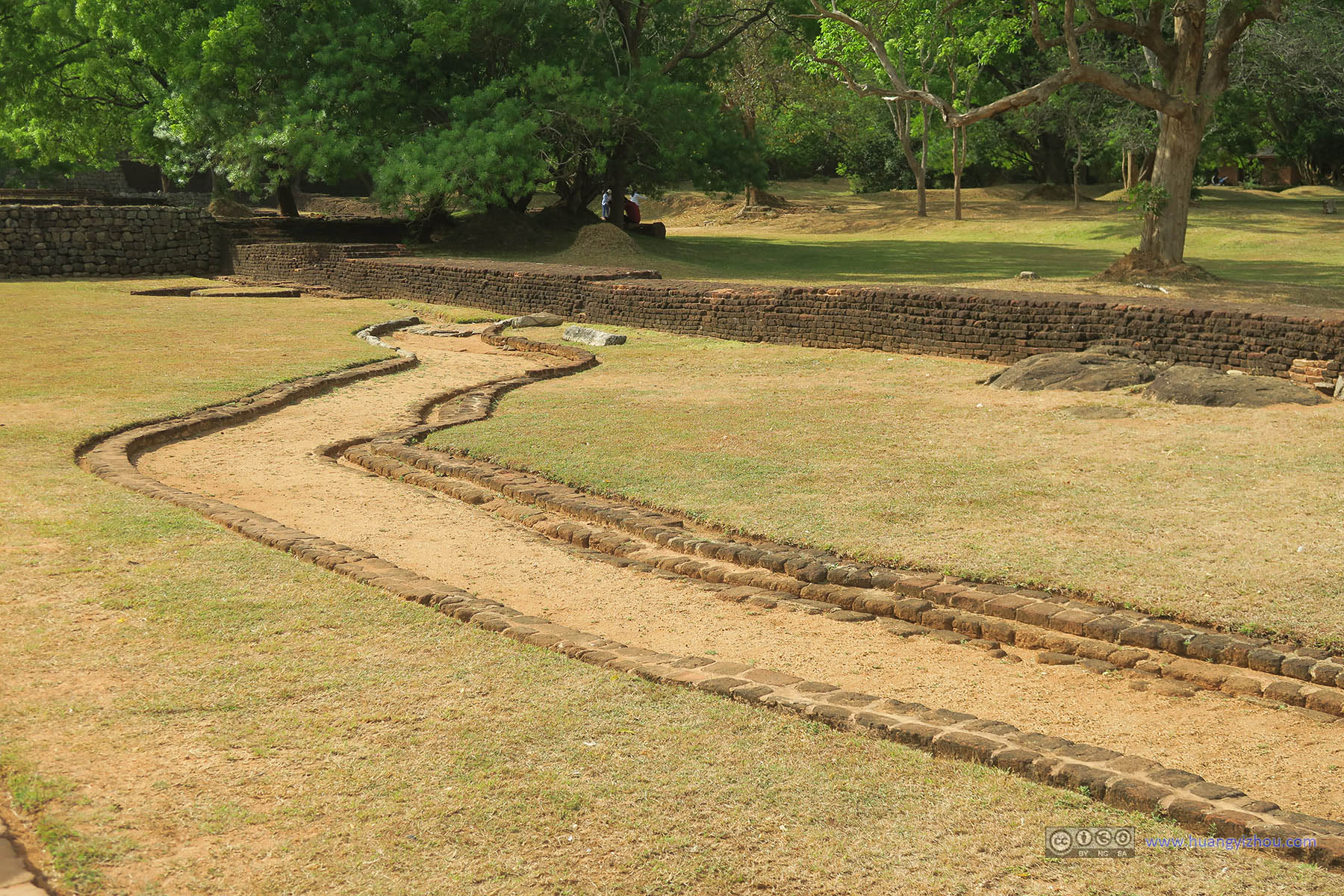
The King built a complex irrigation system in the lower gardens, so that water from nearby water tanks would pass through fountains and channels into layered baths without waste. According to our guide, during heavy rainy seasons, one could from time to time see waters spilling out from these holes even till this day.
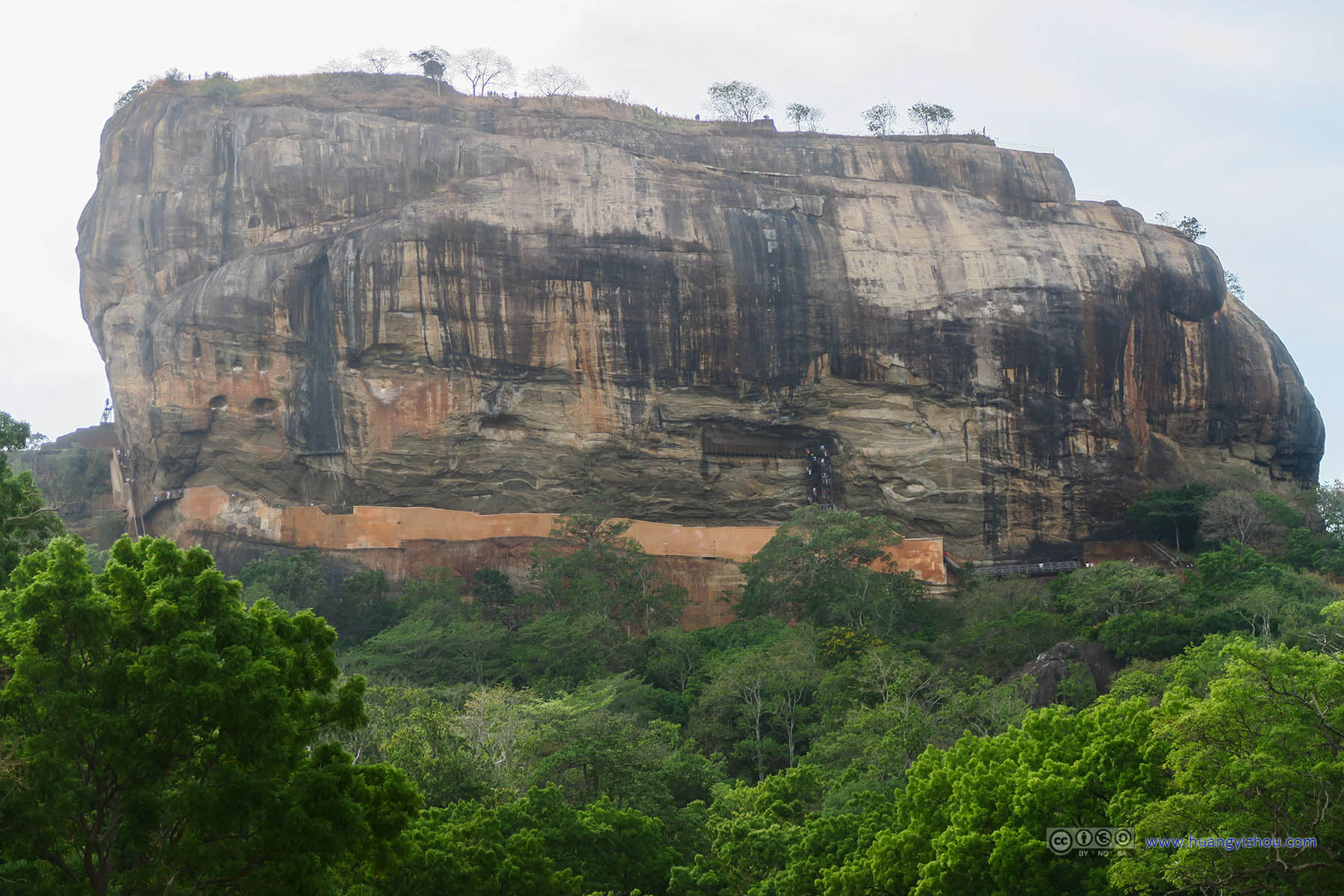
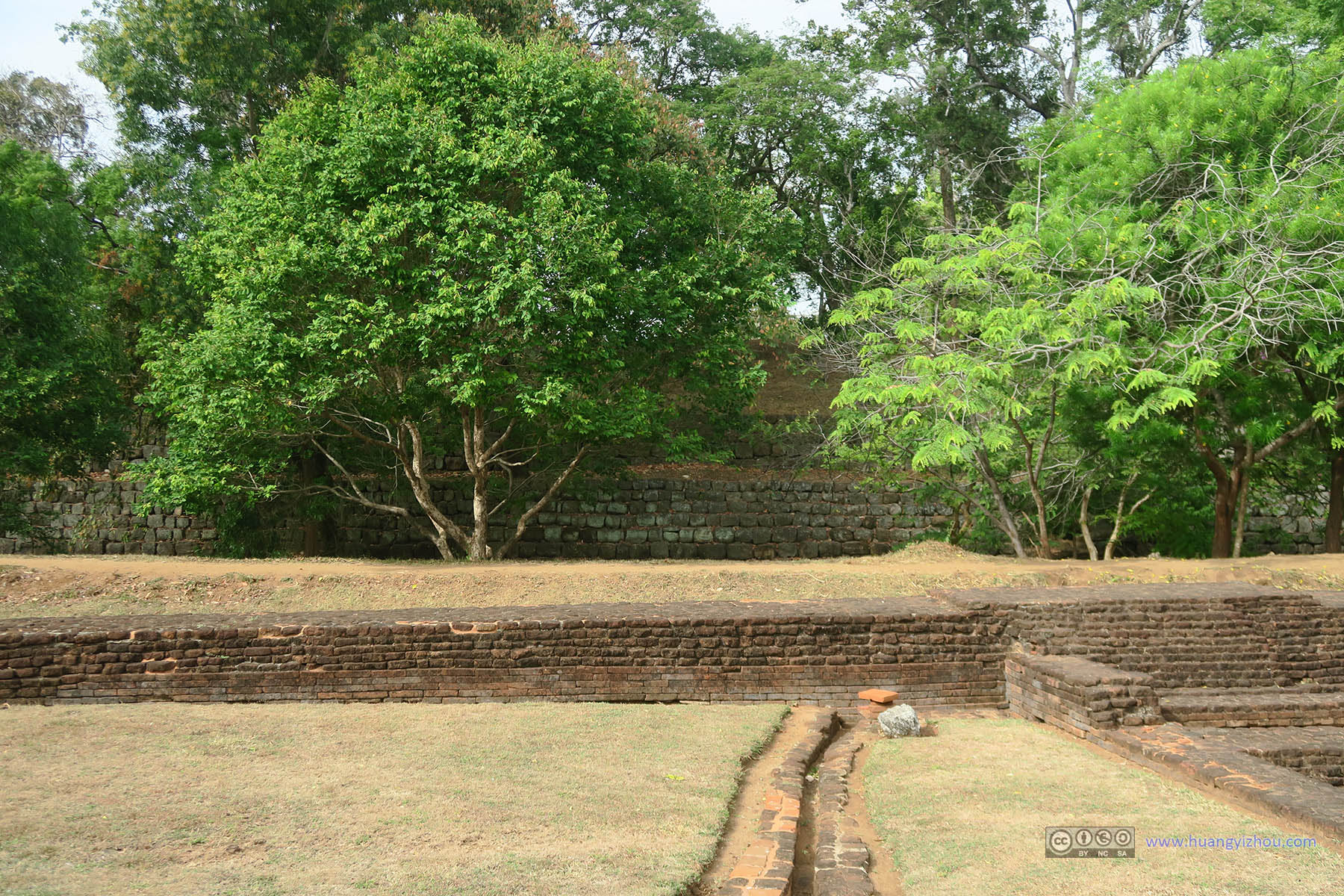
The rock of Sigiriya was the King's winter palace during heavy rainy season, where the king and his men could survive on rainwater collected on the rock alone. During the dry season of summer, the king moved downhill to his summer palace on the ground.
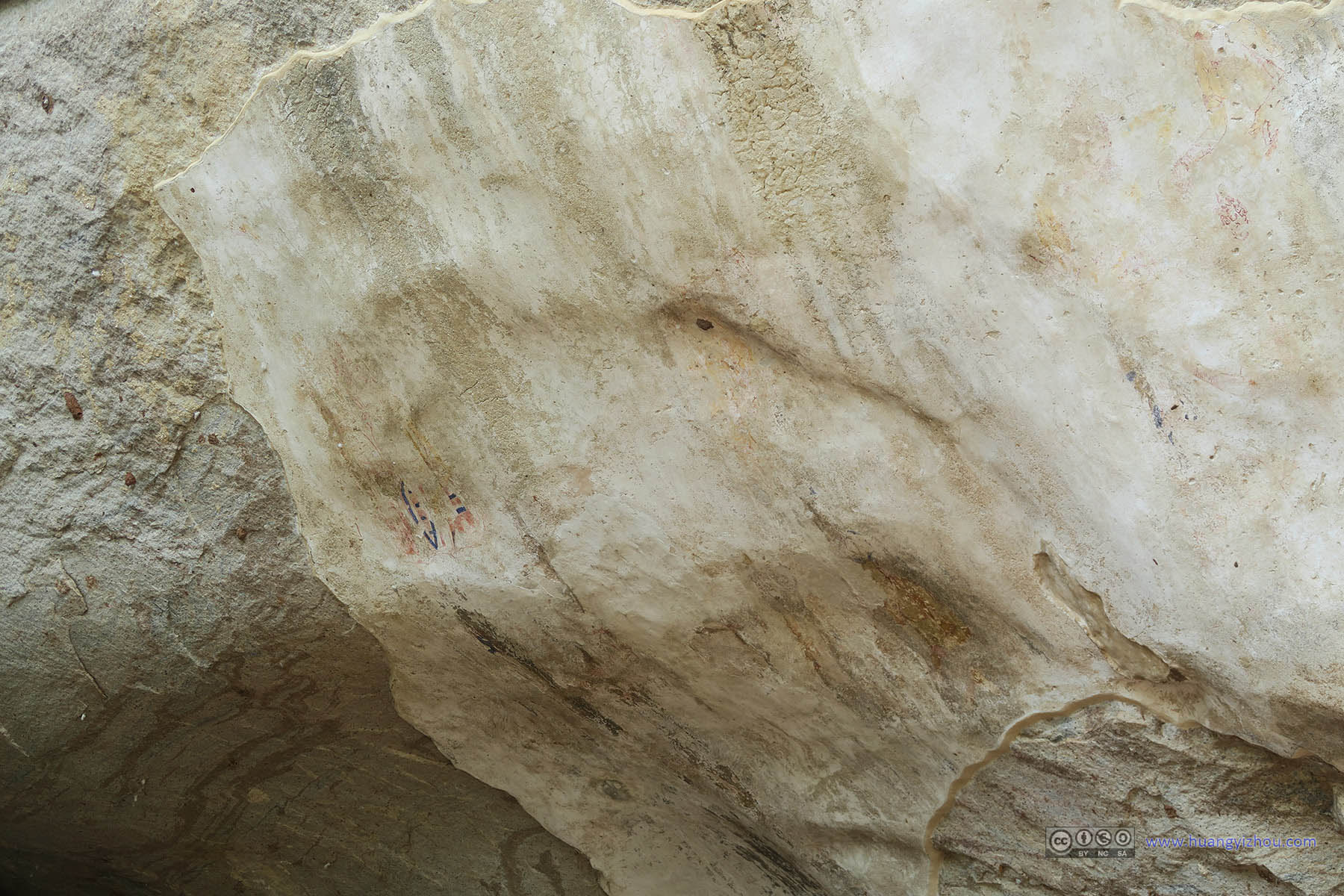
Not so well-preserved.
The most well-preserved frescoes were halfway up the rock, here on the ground the frescoes weren't so well preserved.
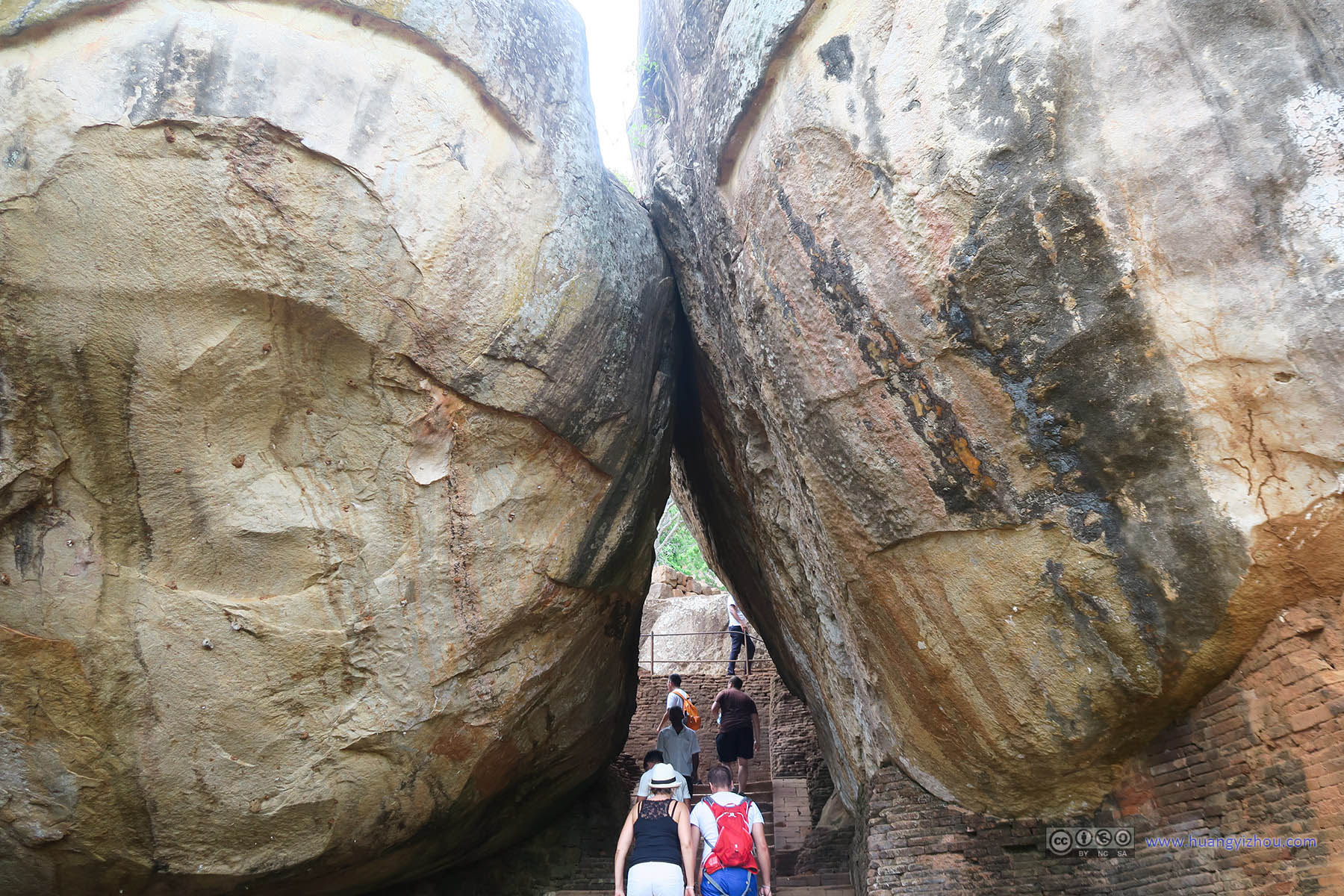
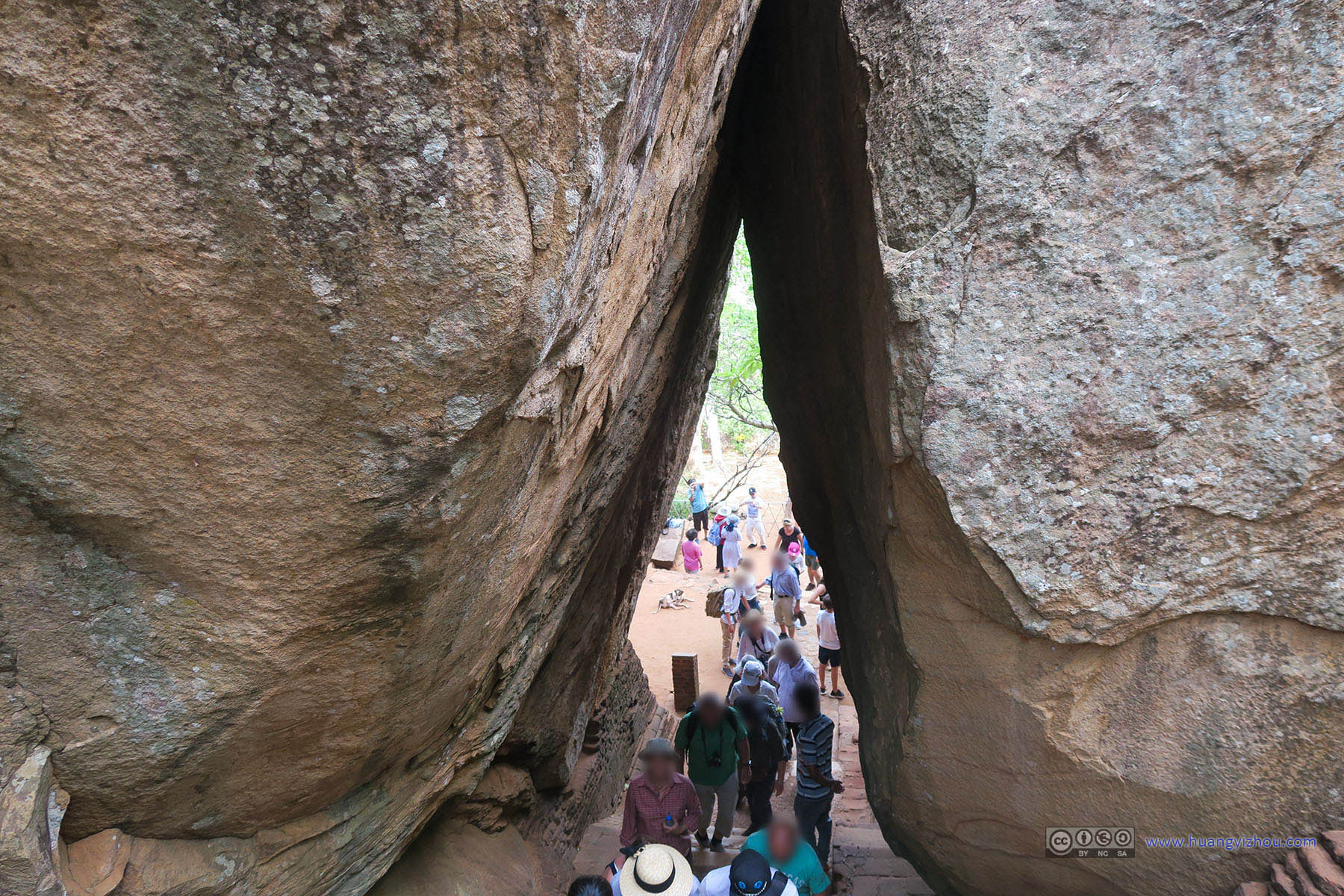
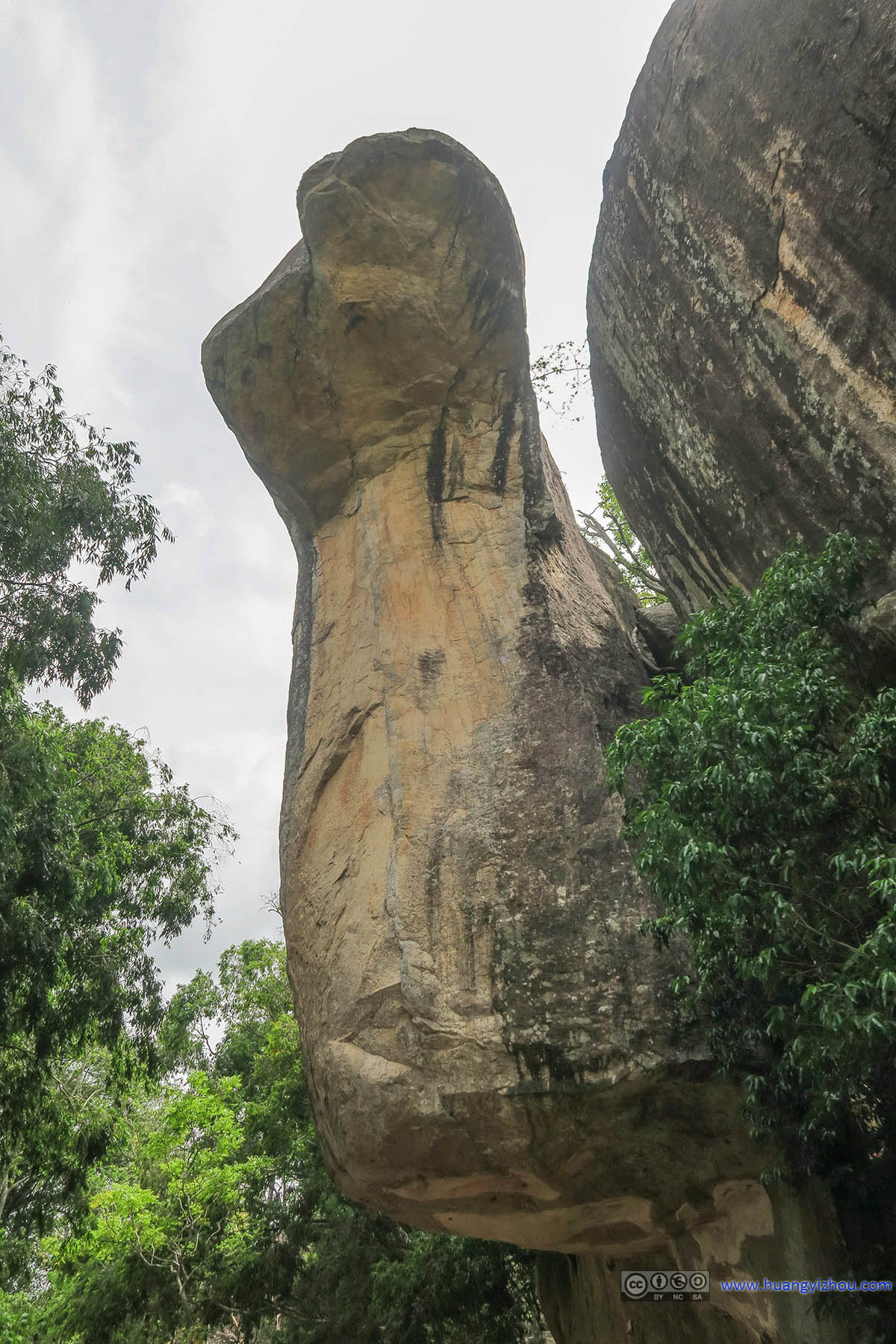
There were two boulder arches like these in the palace, which made guarding the palace an easy job.
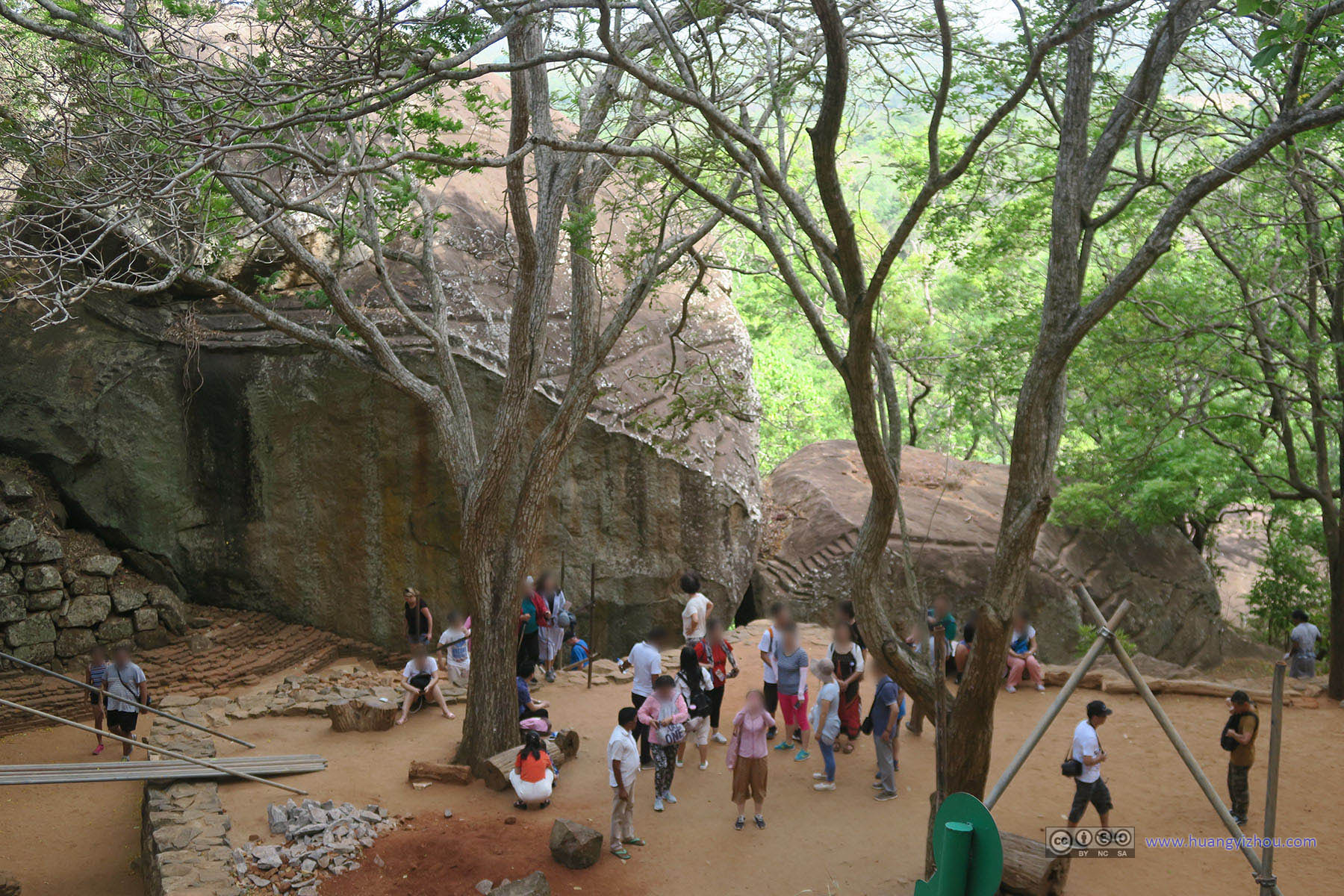
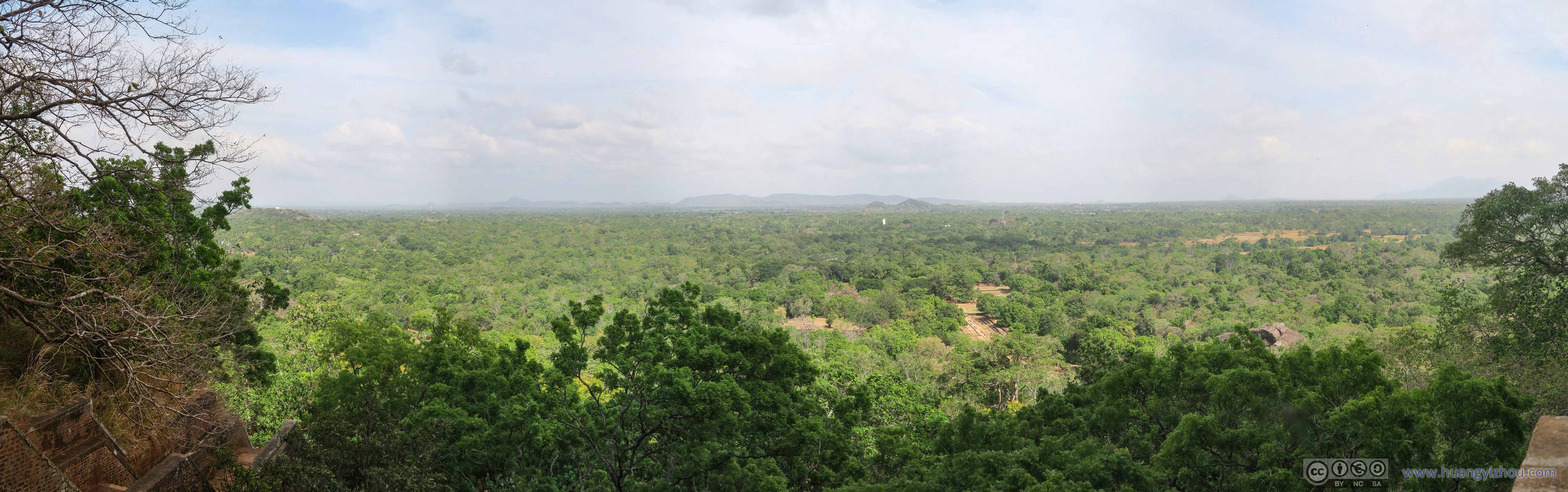
From here on it's these steep (but climbable) stairs up the rock.
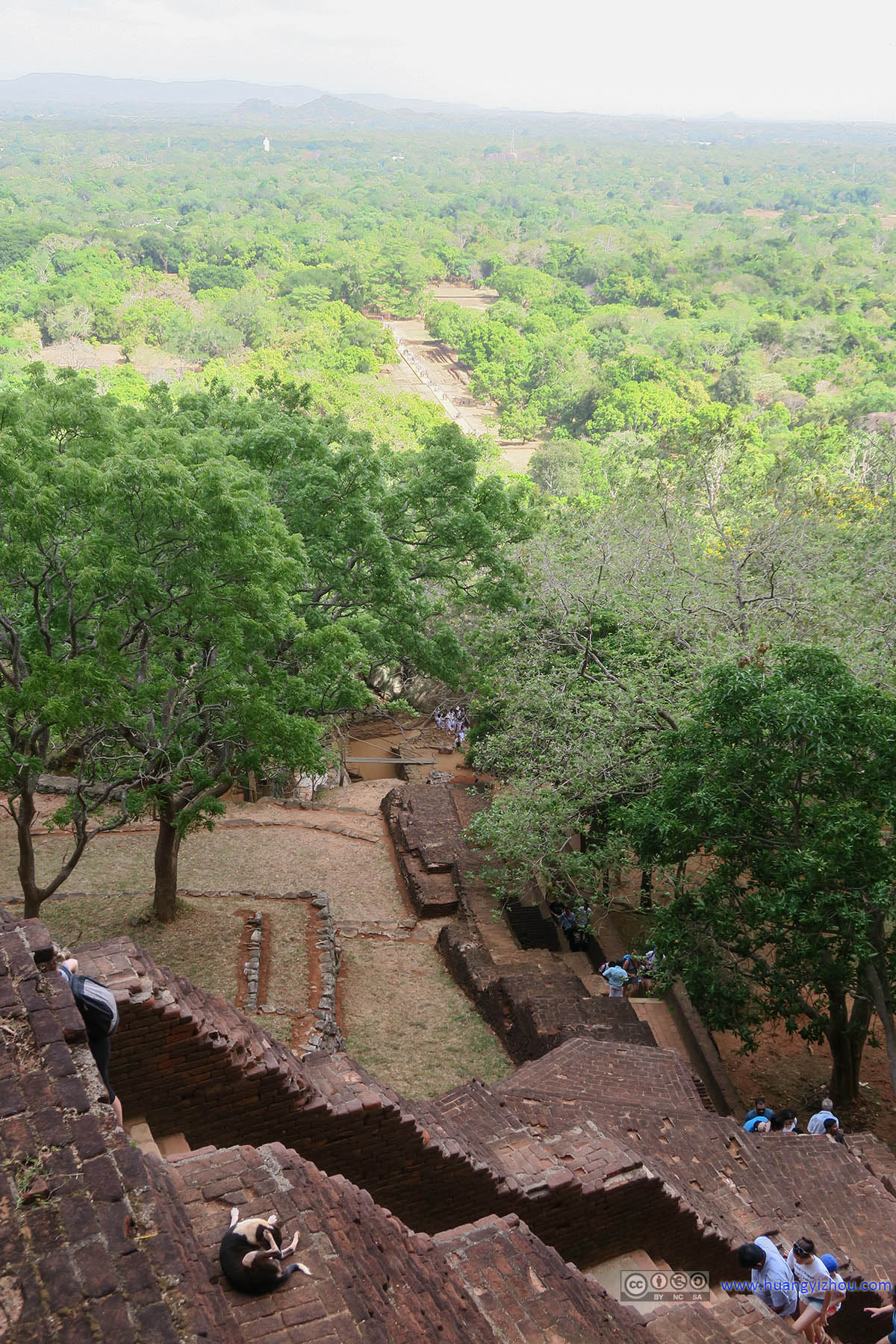
A dog's resting peacefully.

With summer palace below us.
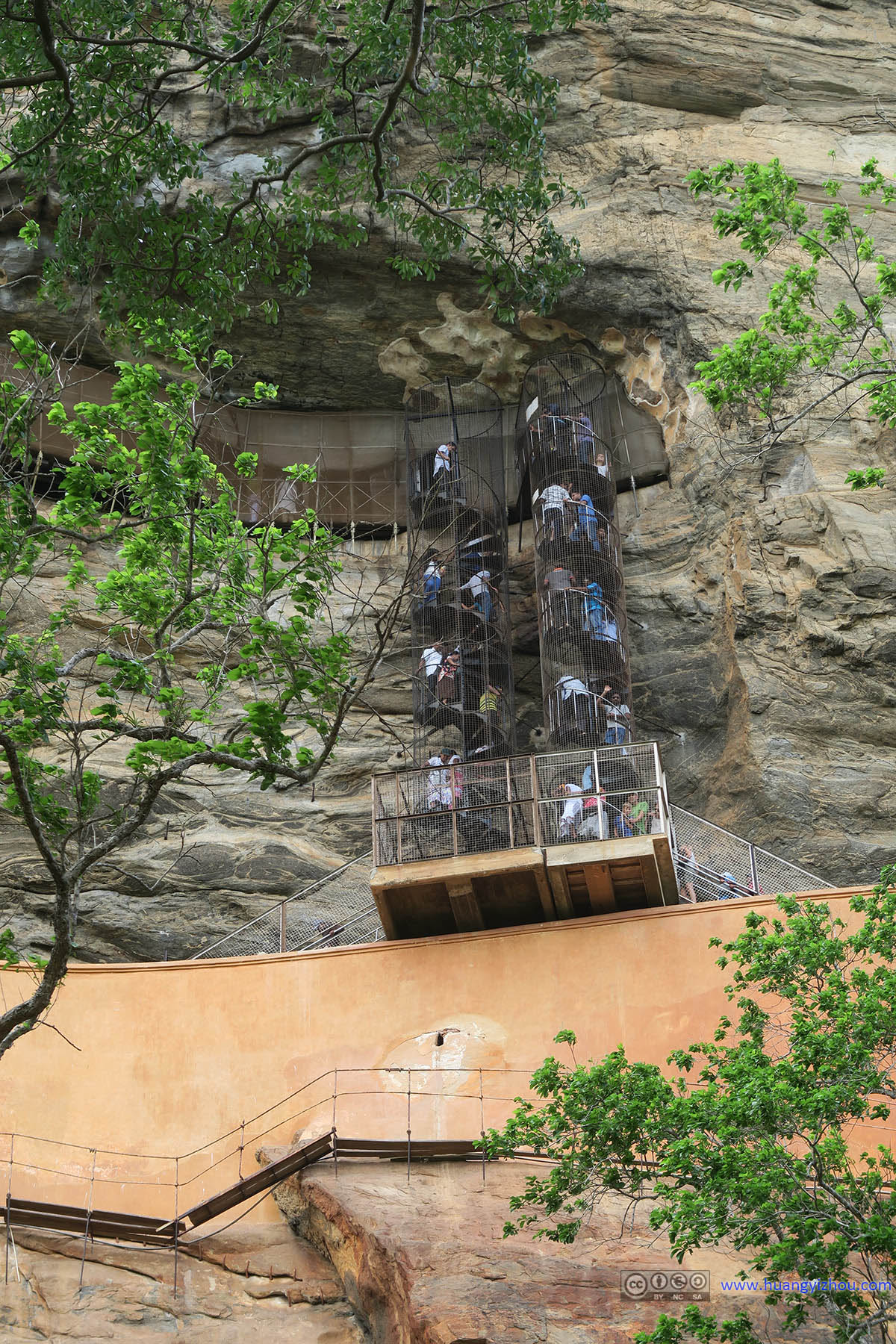
Then there's these spiral stairs up to a rock platform where the best-preserved frescoes of Sigiriya were located. No photos were allowed, and the platform was narrow and crowded with people. I was just curious that it didn't seem that Buddhism for the King to watch half-naked women day and night. But think of the fact that he overthrew his father and outcast his brother to claim the throne, maybe he's not such a good king after all.
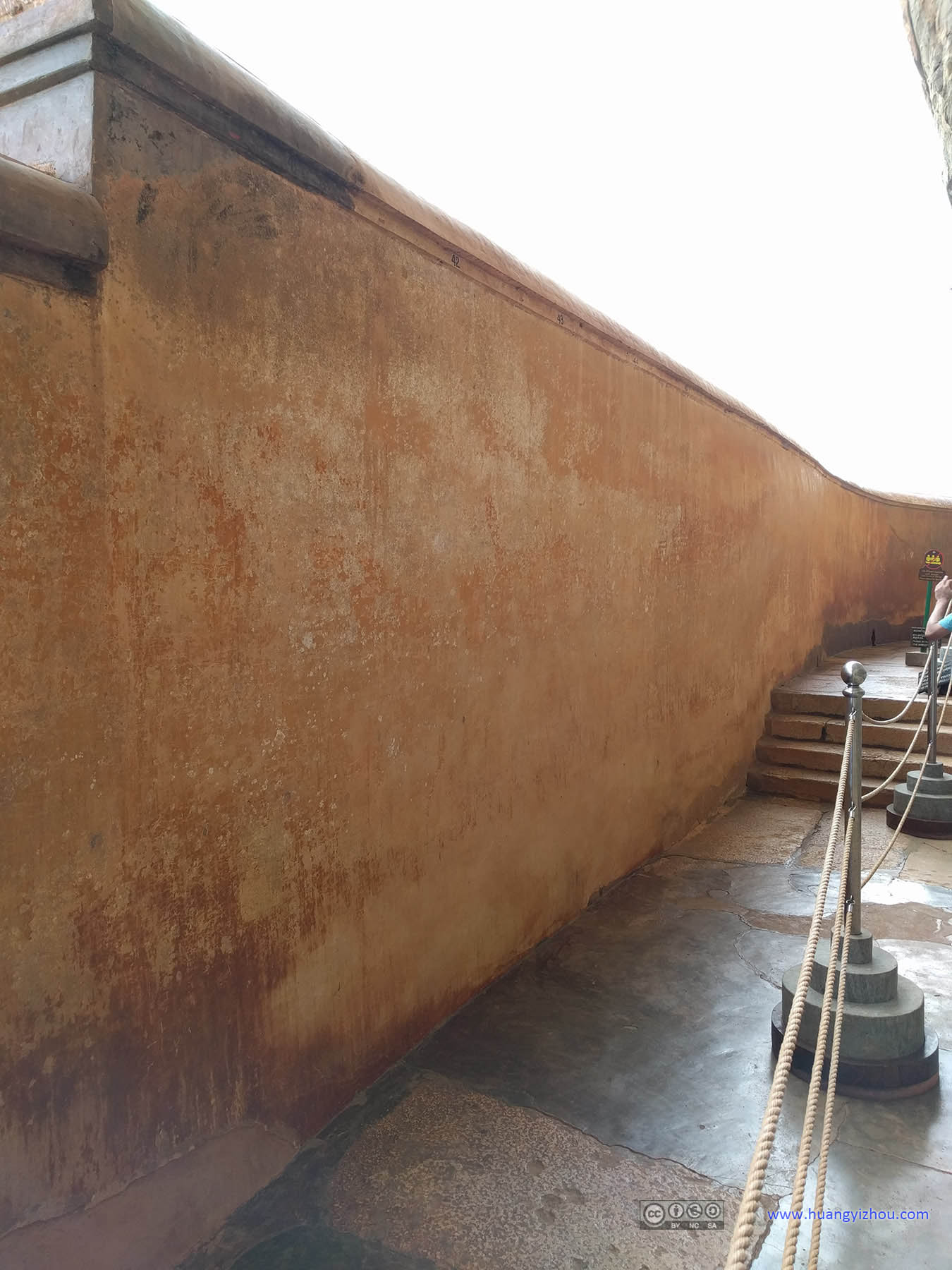
Then there's this mirror wall. In the old days the side rock of this passage was all painted in magnificent frescoes. So the King erected this wall to act as a mirror, so he painted frescoes on one side and enjoyed them on both sides.
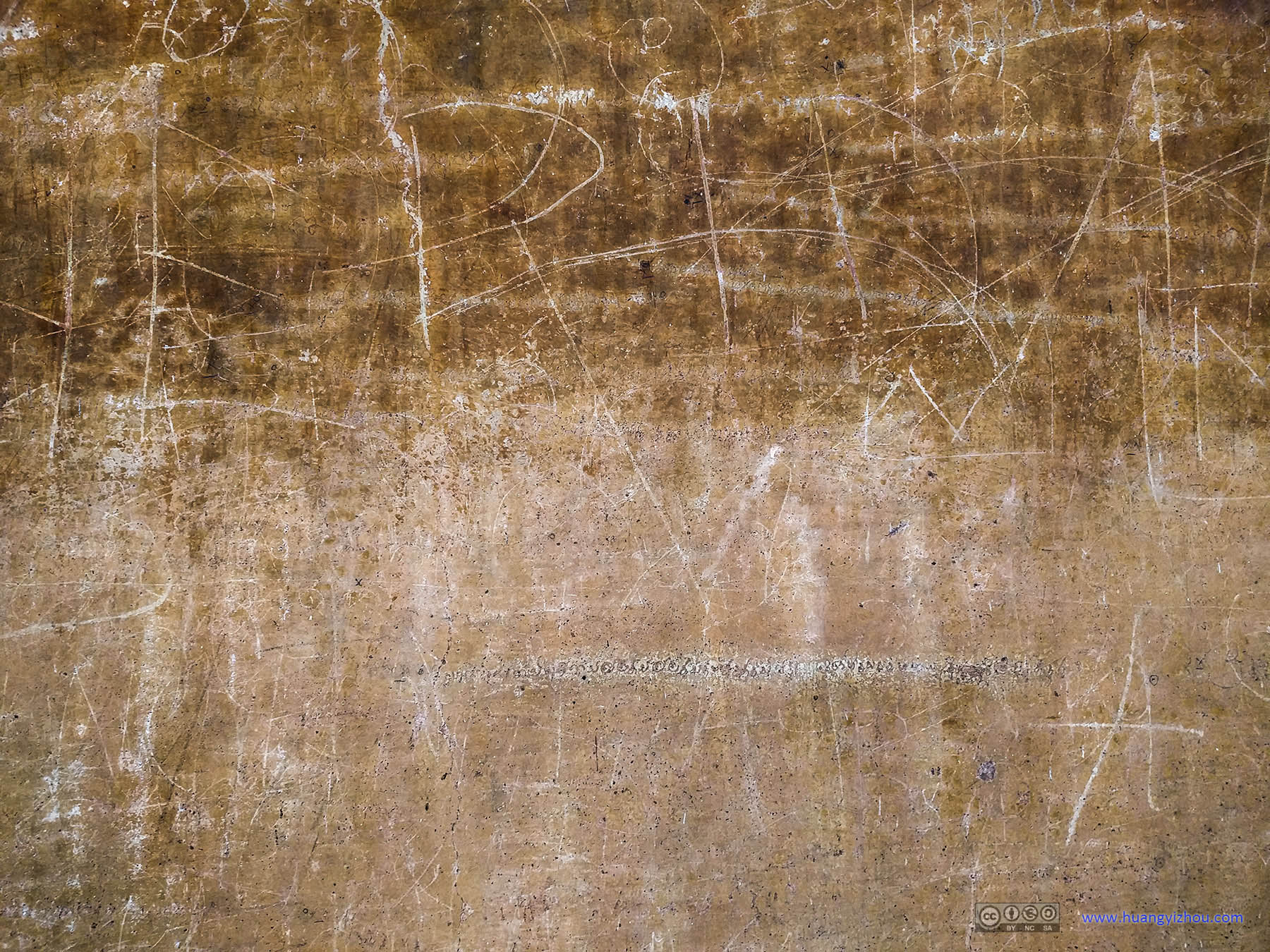
There's a line of ancient graffiti in the lower center in Sinhalese, our tour guide told us that ancient graffiti here were mostly to praise the fine work of fresco on the walls, while modern ones were just scribble (also noticeably much larger in size).
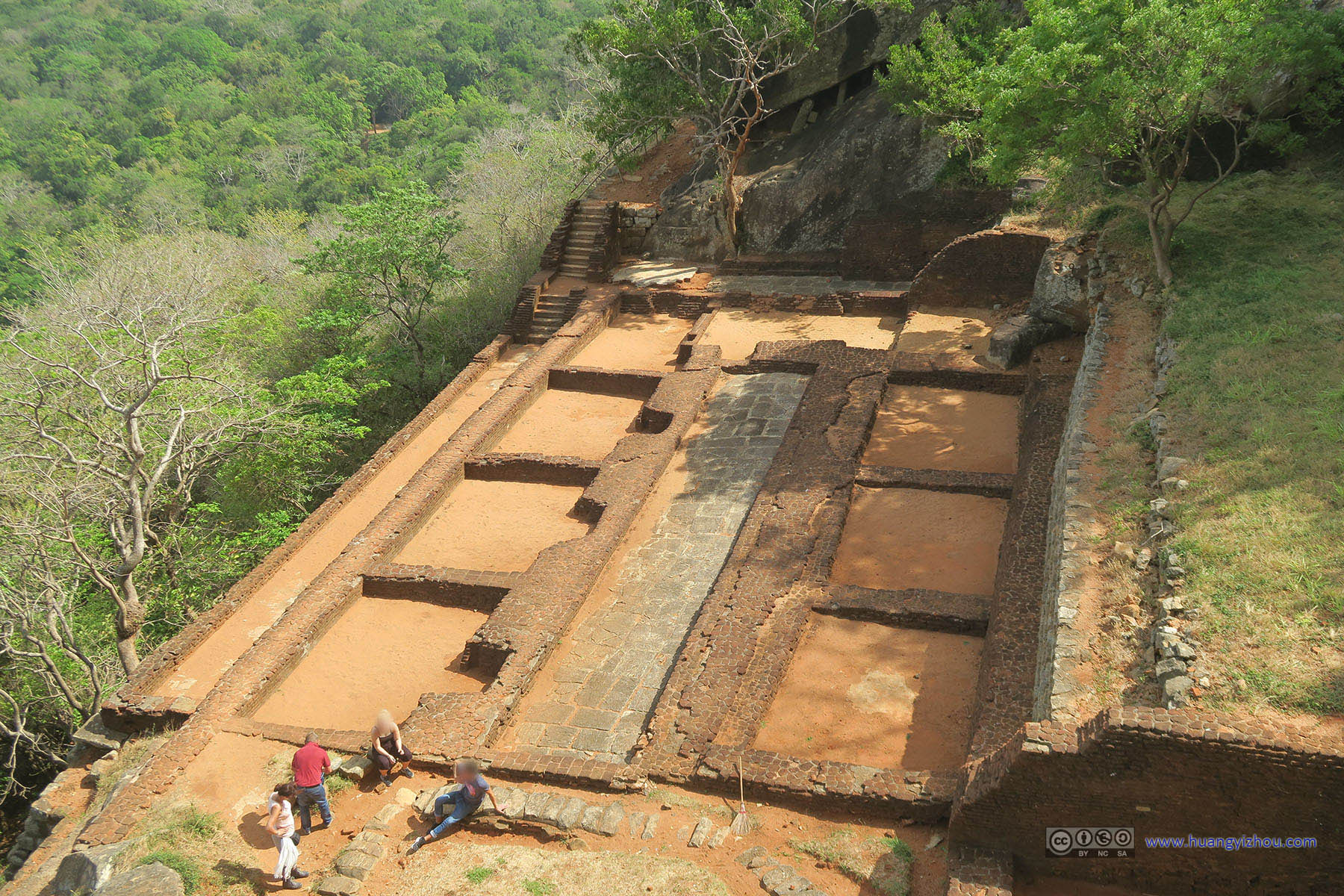
Official Map shows these were prison blocks.
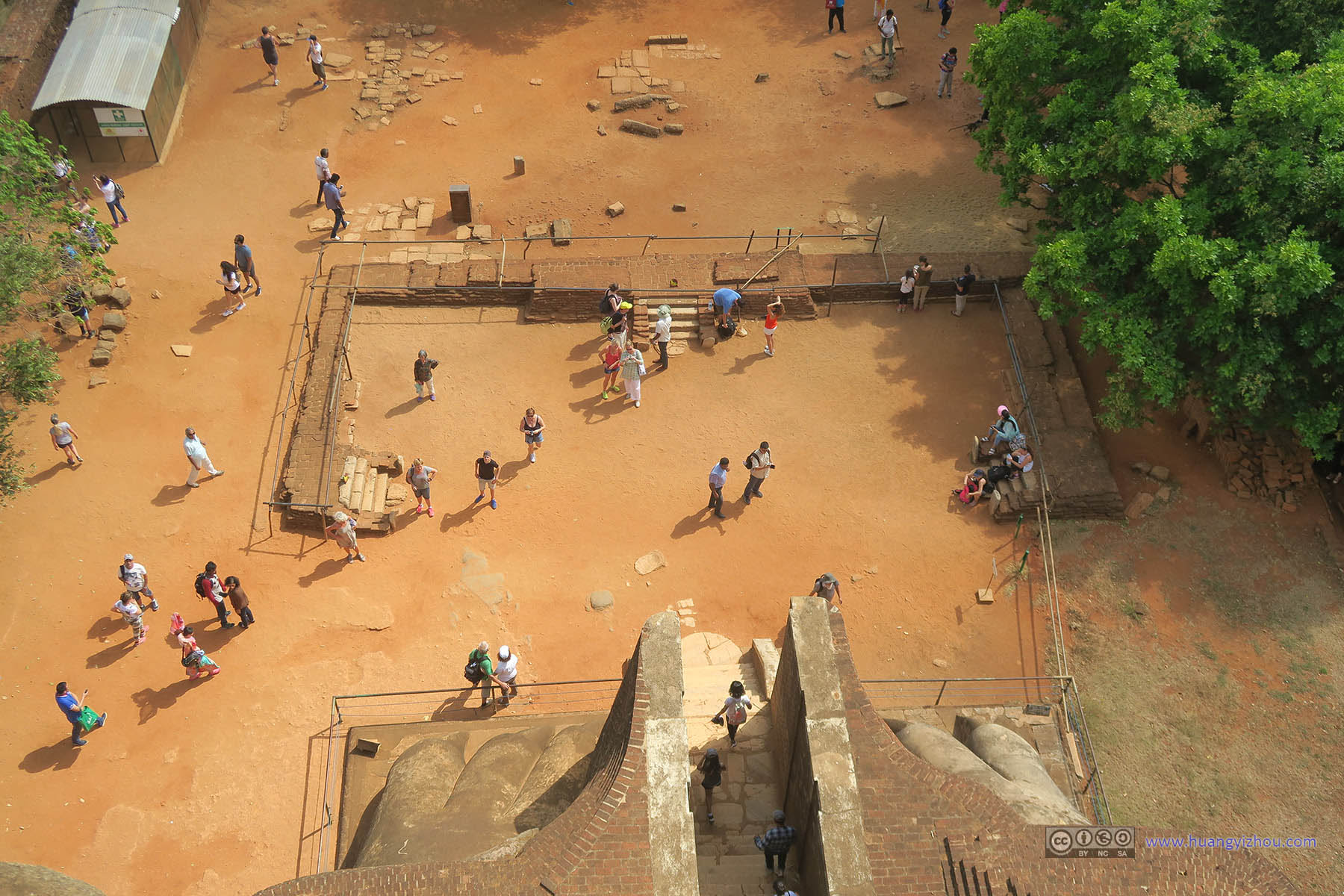
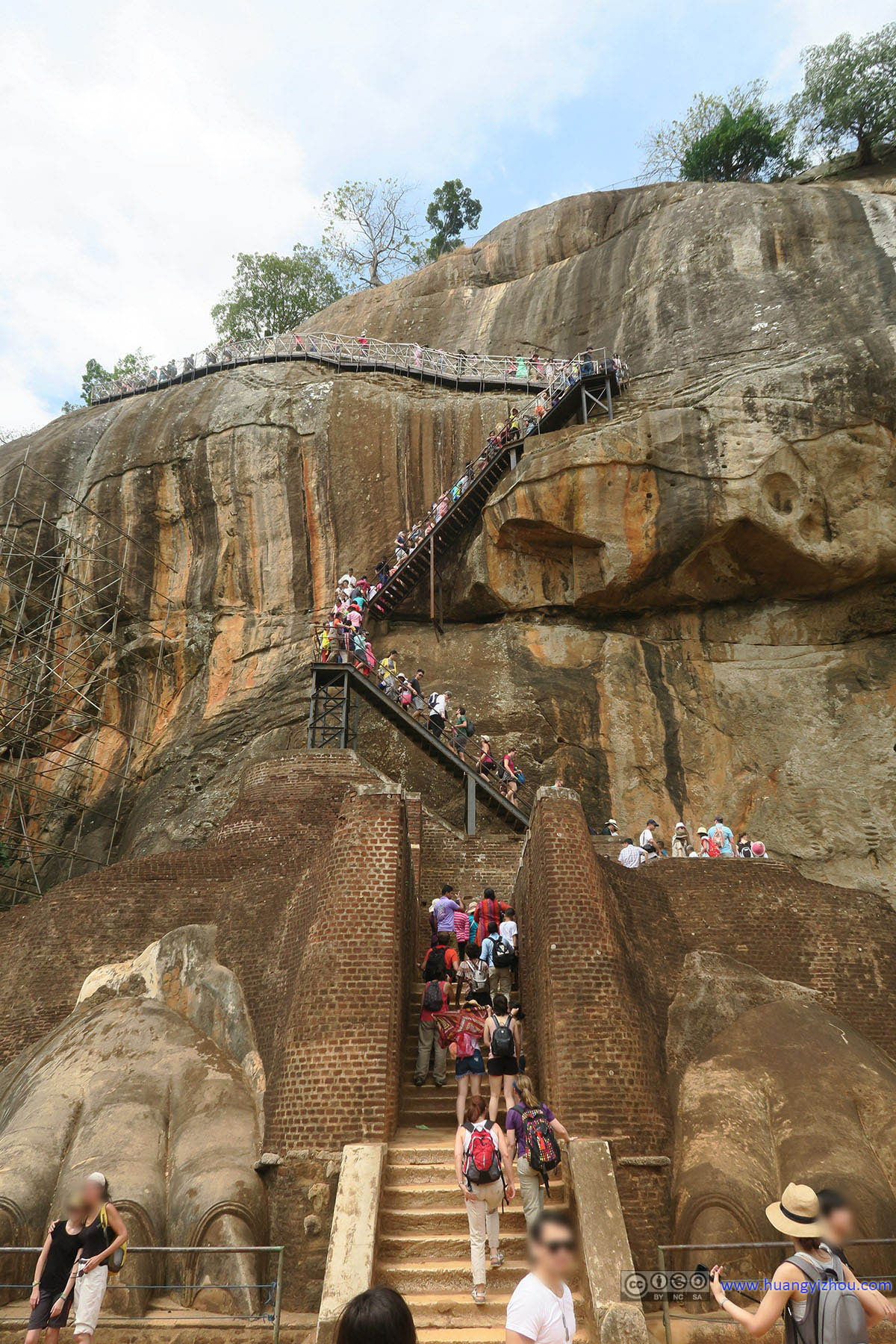
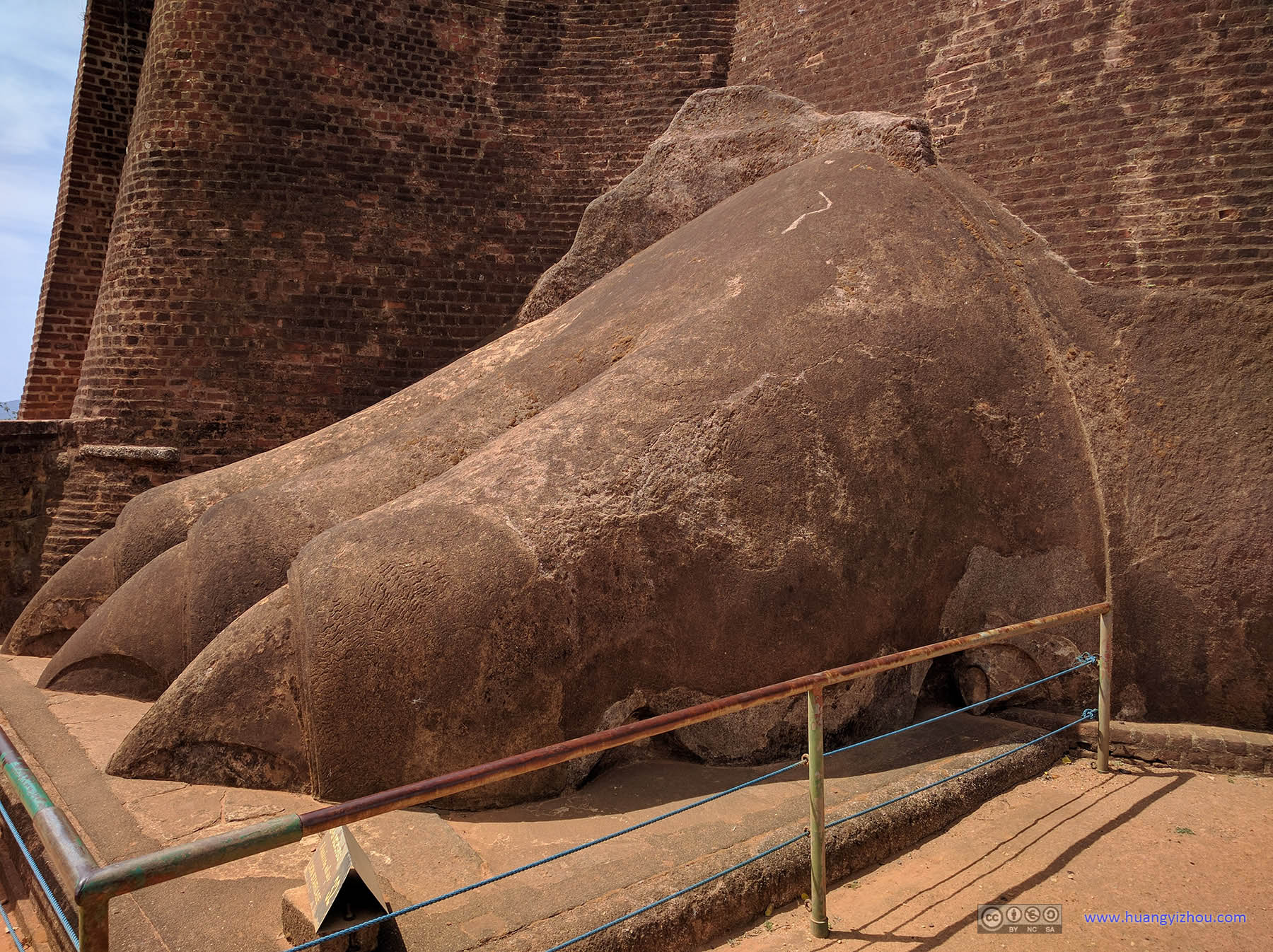
Then after some more stairs we were at this Lion's Paw terrace.
Our tour guide showed us a picture of what Lion's Paw used to look like in the old days, that facade really resembled a lion and people would enter through a lion's mouth to climb up to the palace. Now, the stairs remained but the lion's face were gone, the only thing left of that lion facade were its paws.
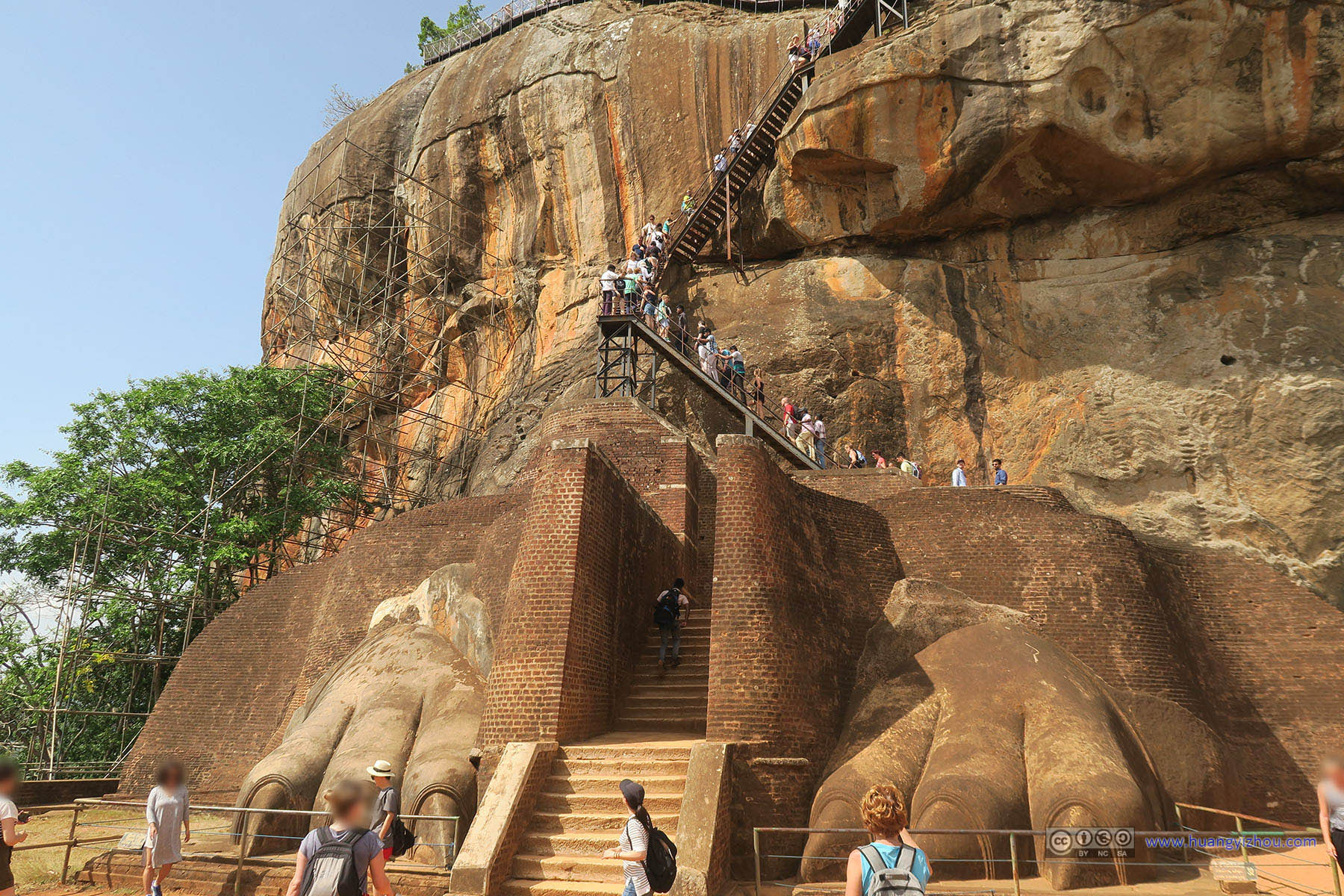
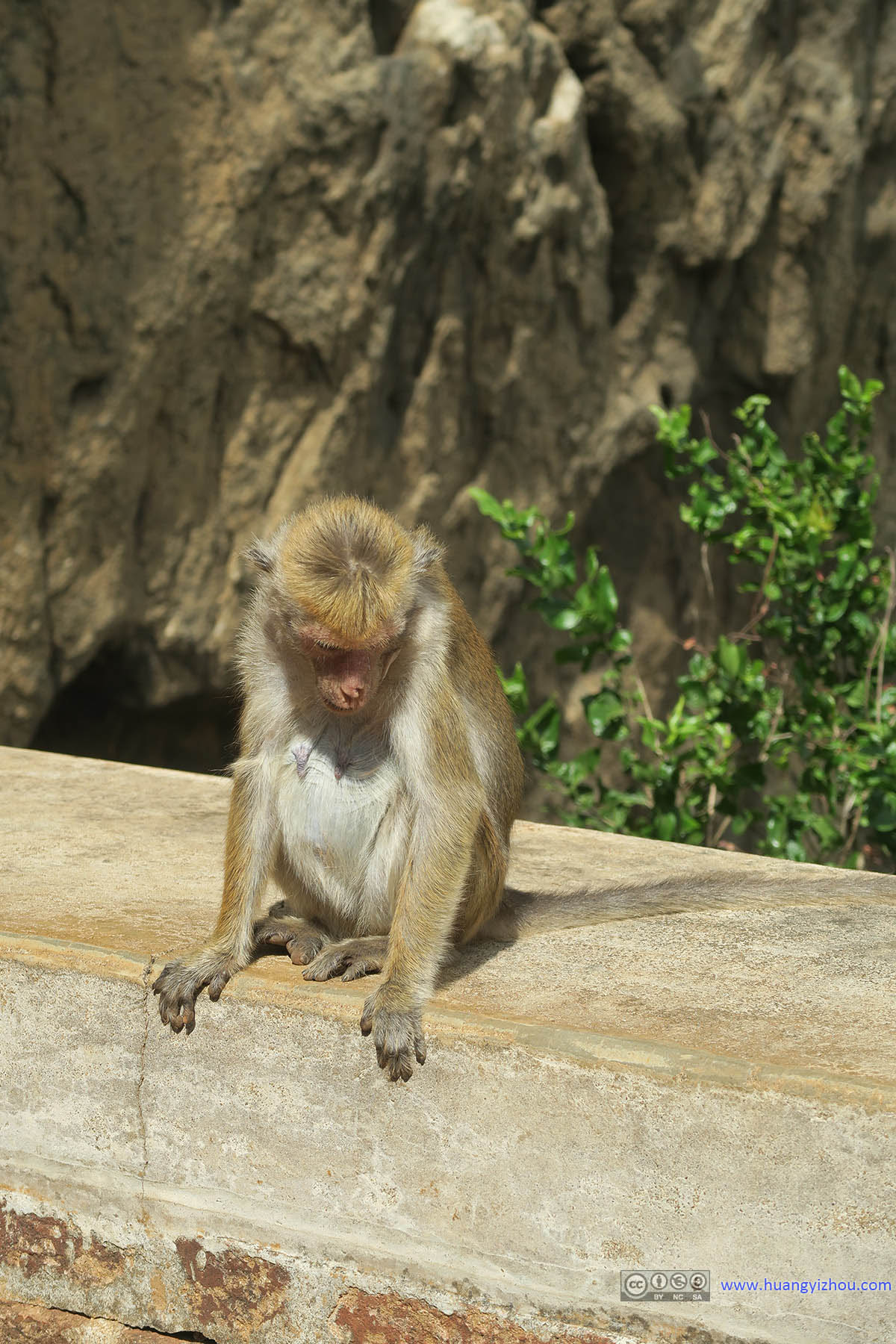
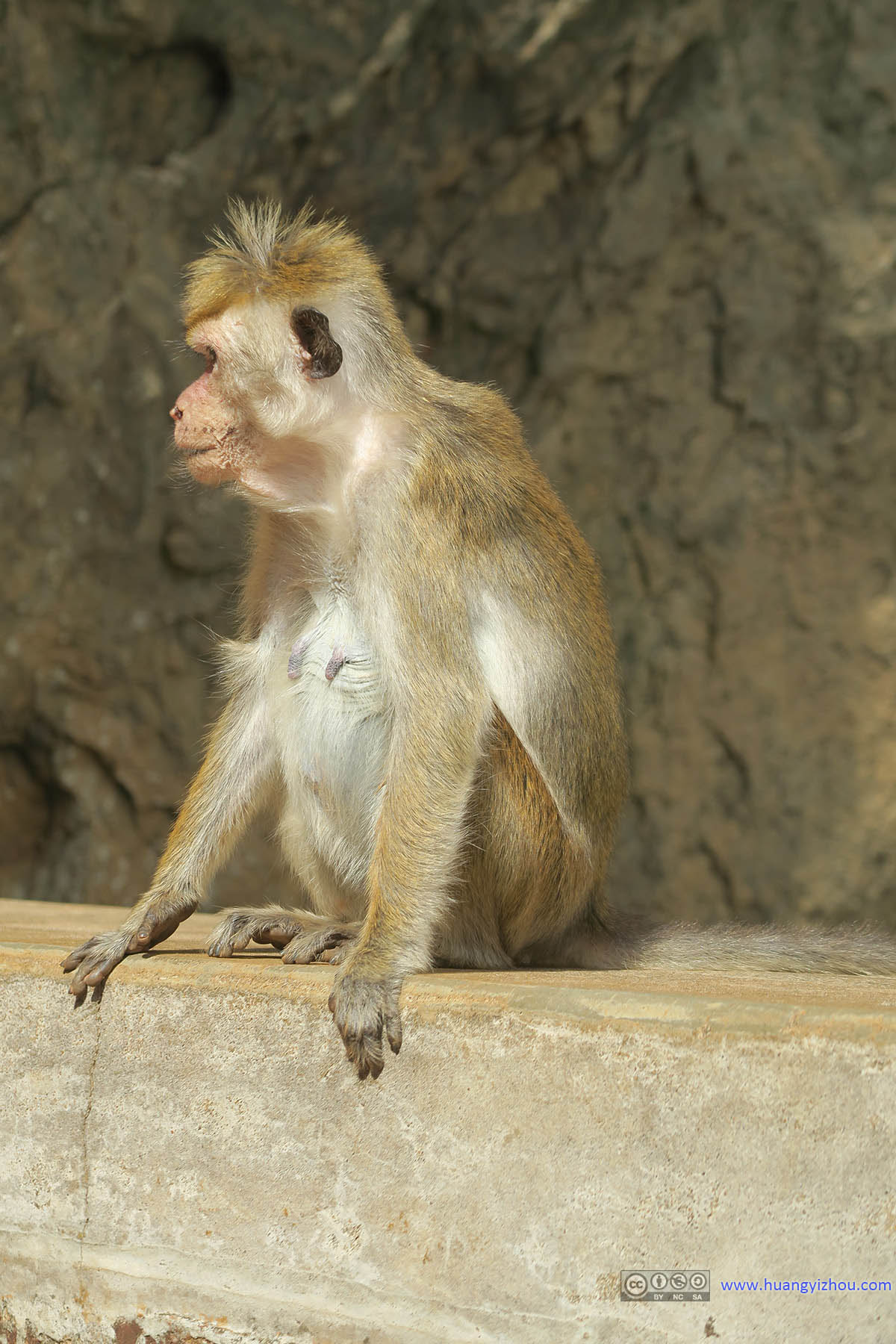
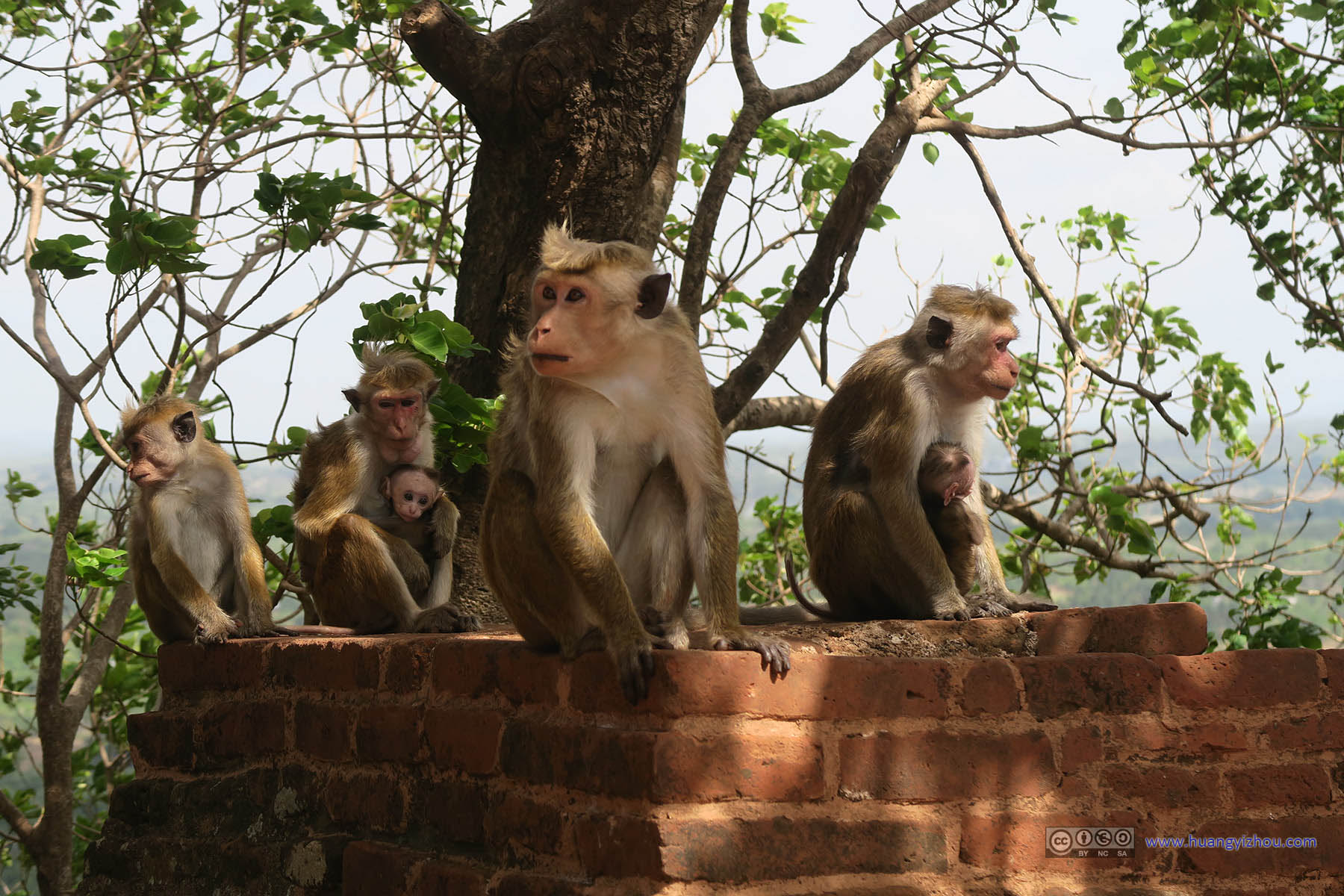
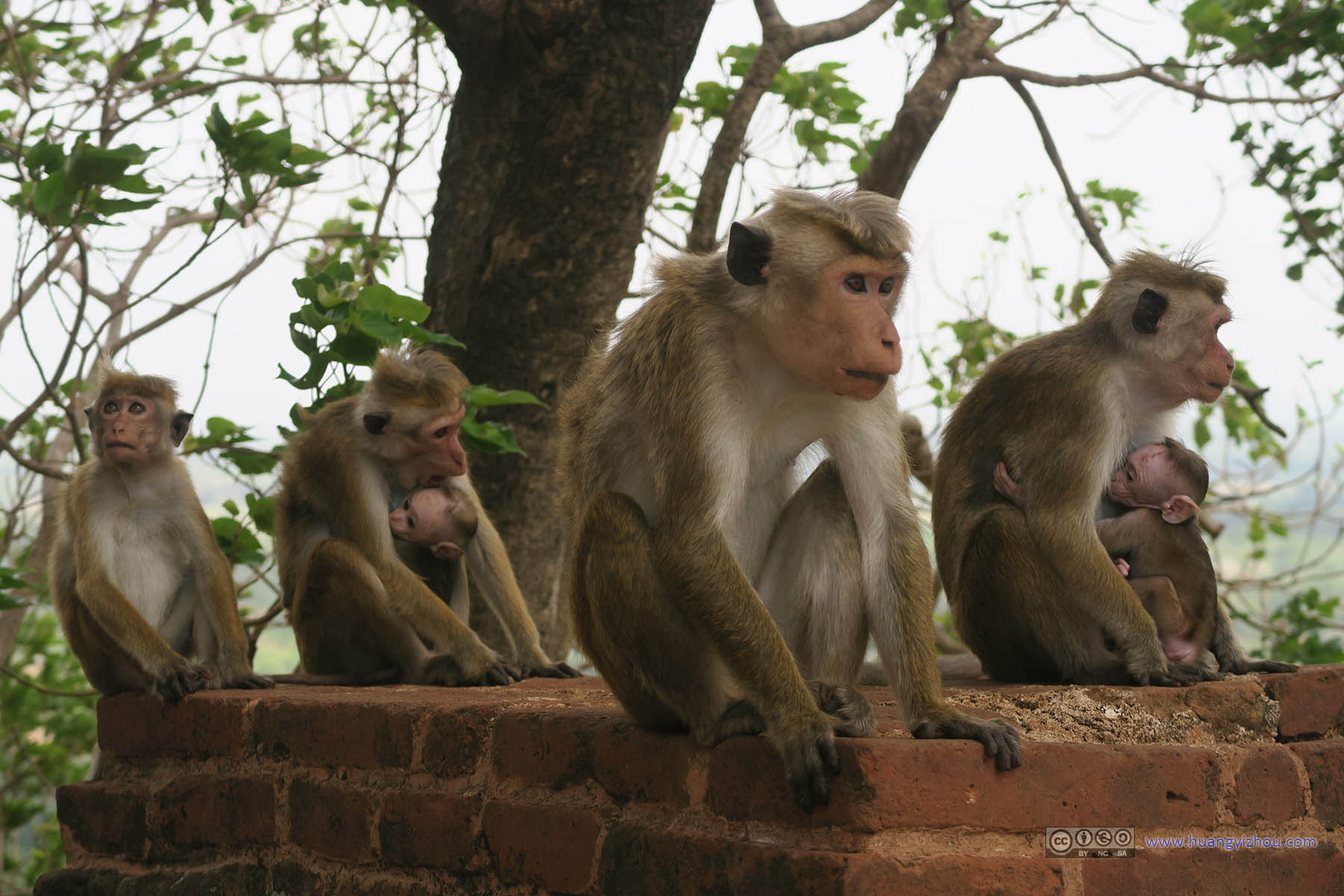
With the lions gone and tourists thronging, the monkeys here were having a good time enjoying their worry-free life.
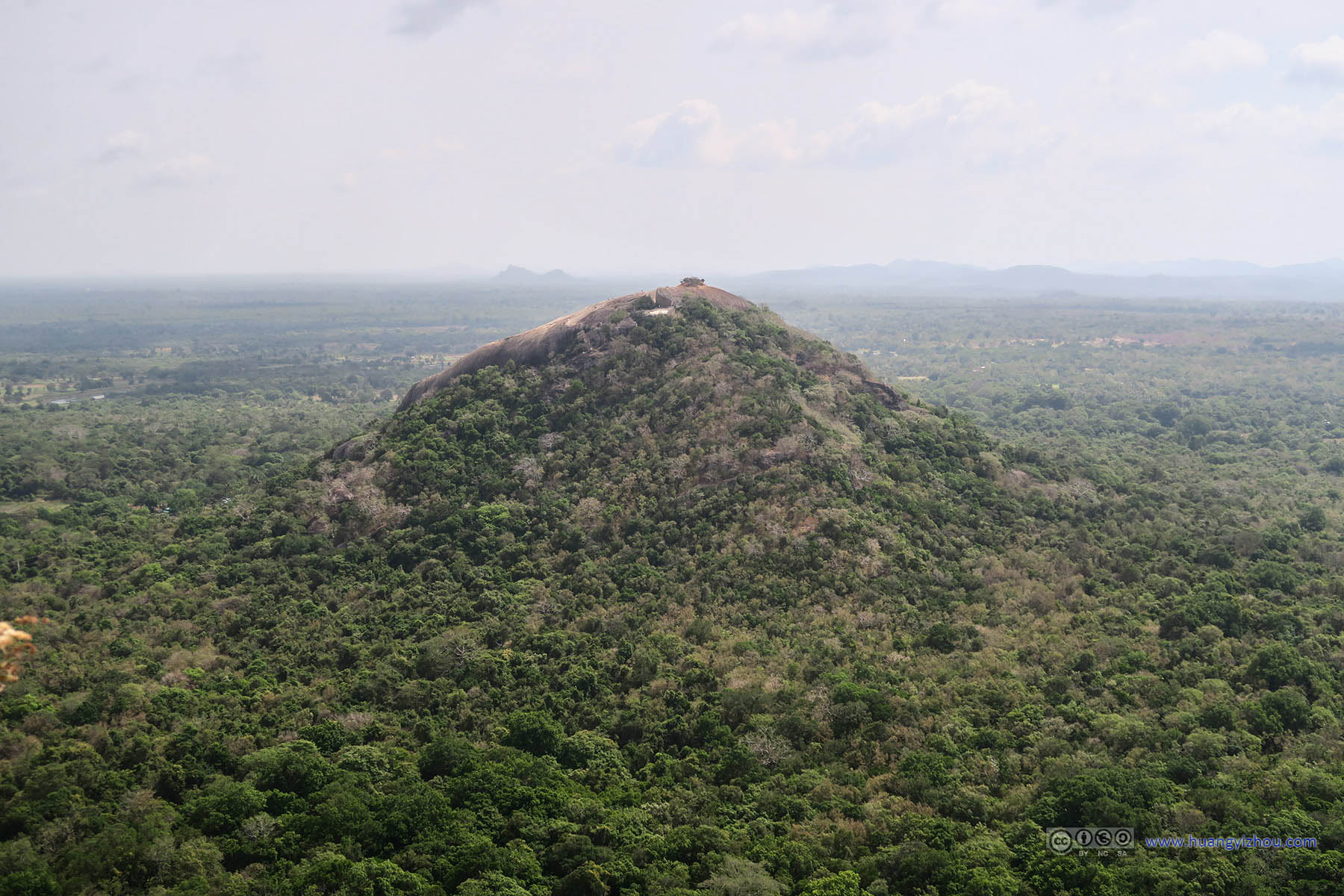
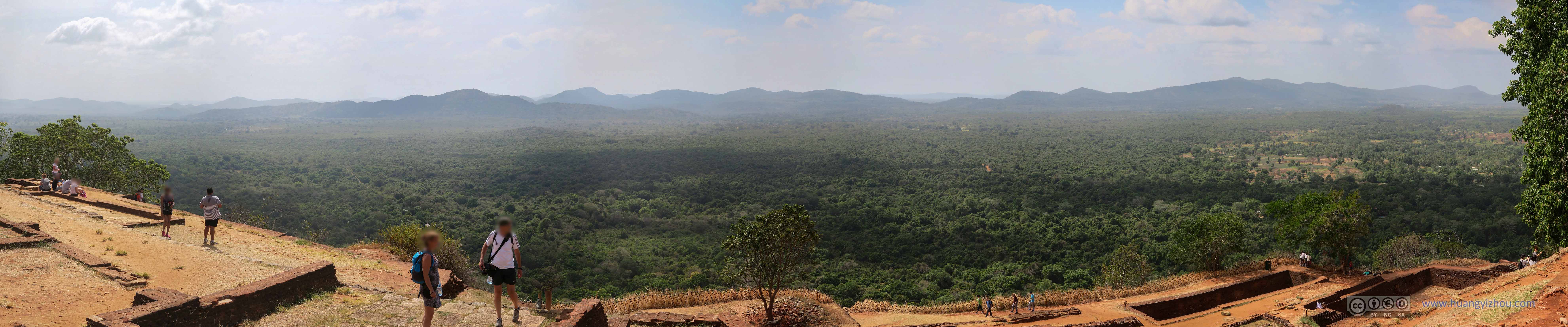
After some more stairs we were finally at the top of the rock of Sigiriya, which used to the King's palace. The winds were strong up there, so we didn't stay long.
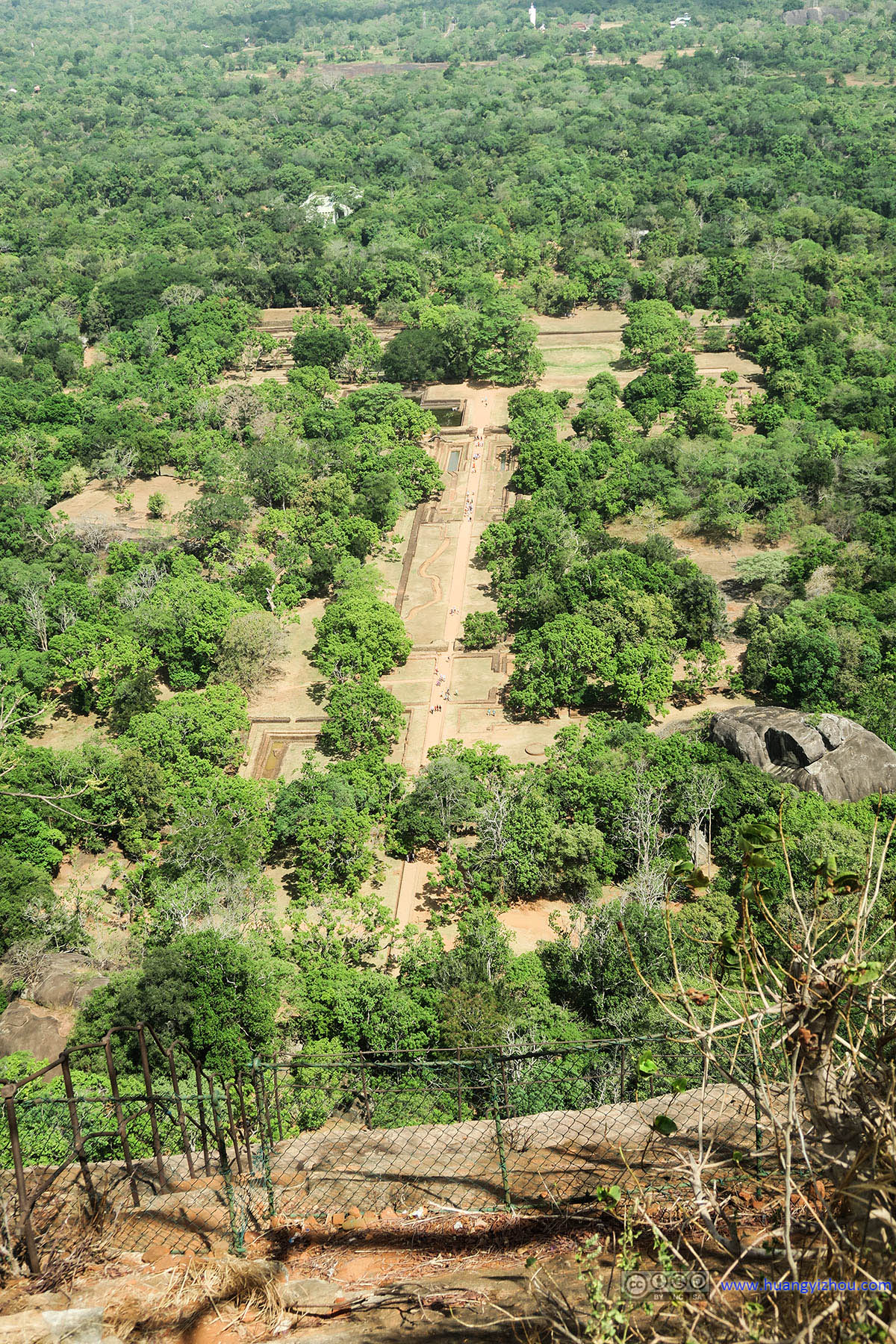
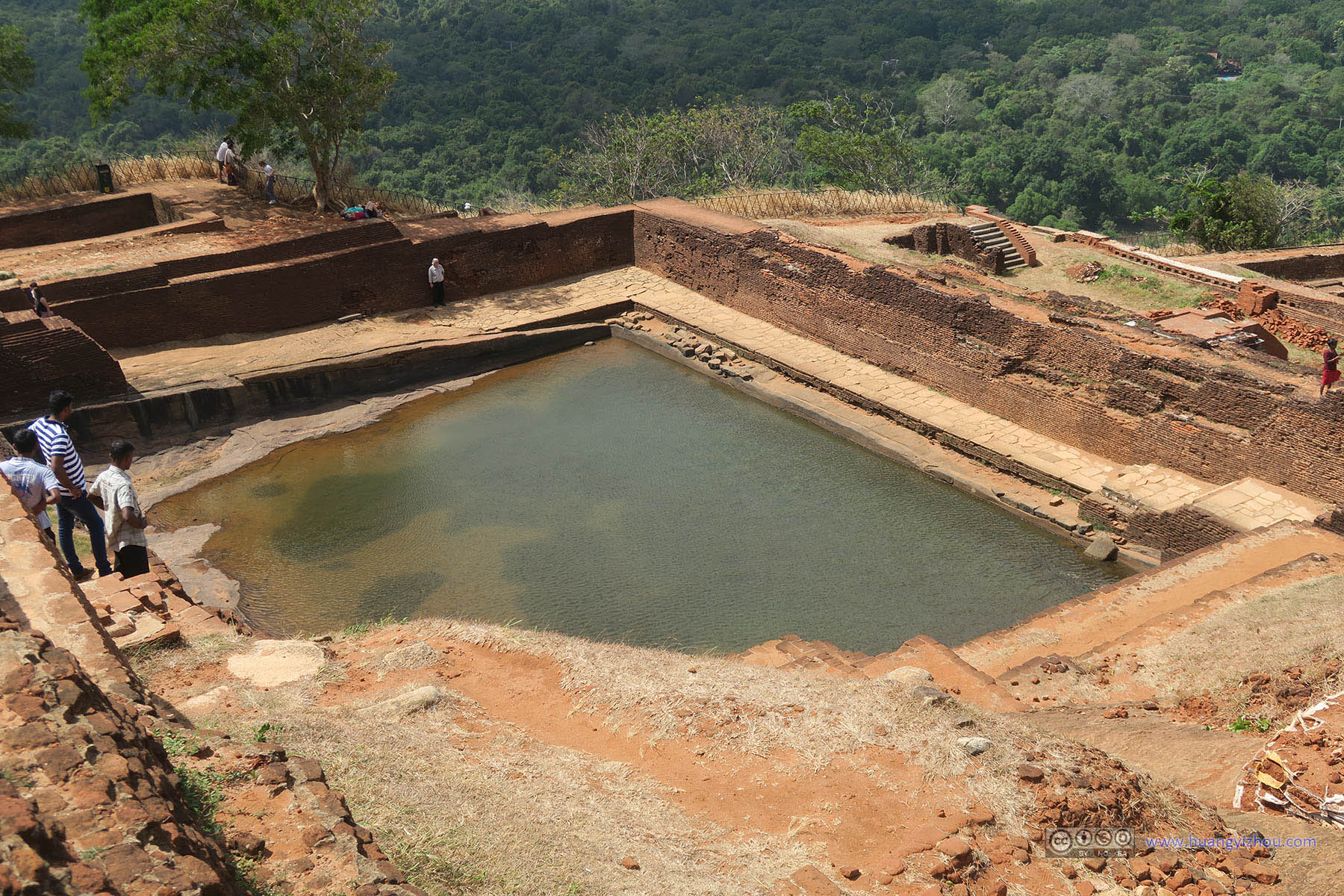
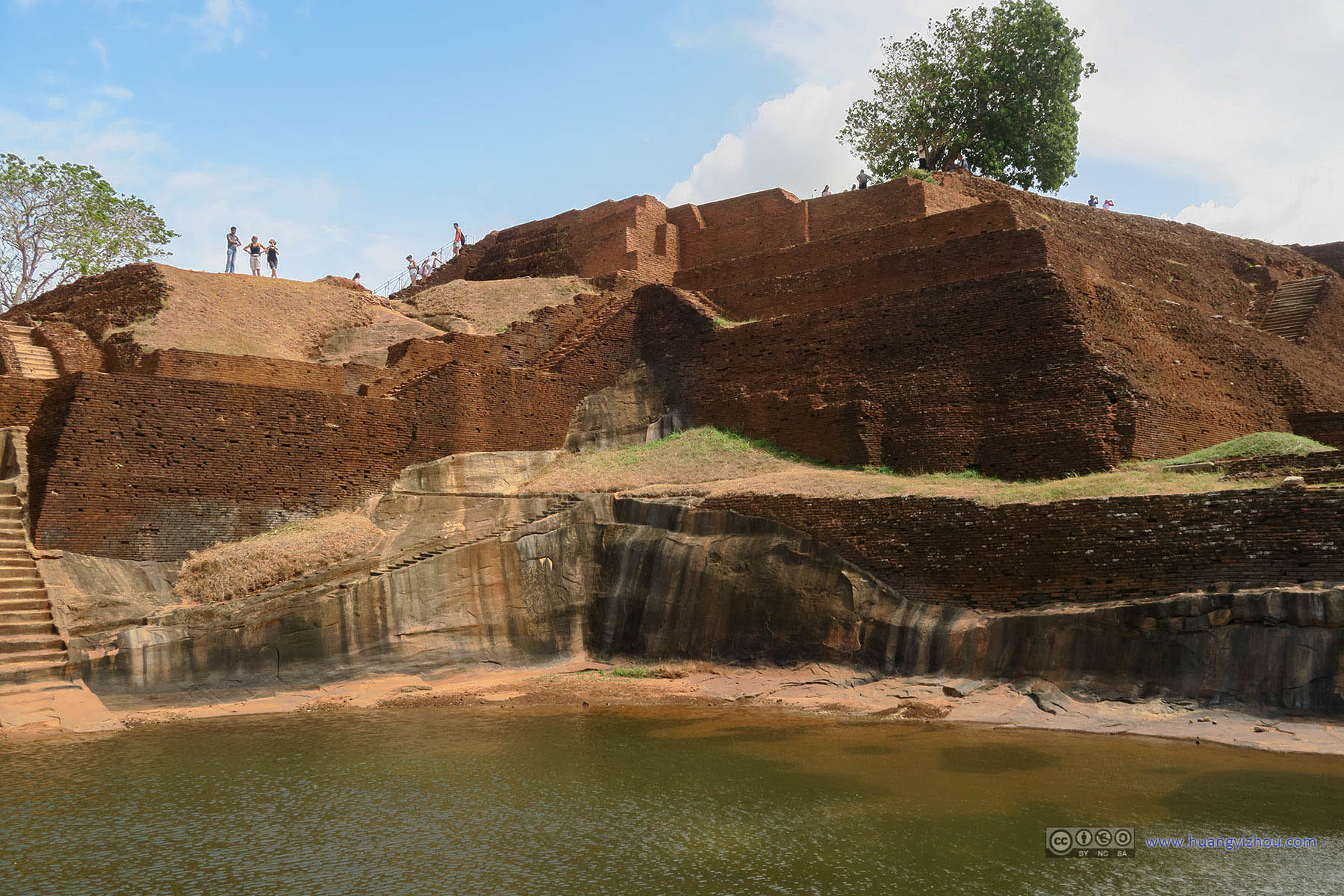

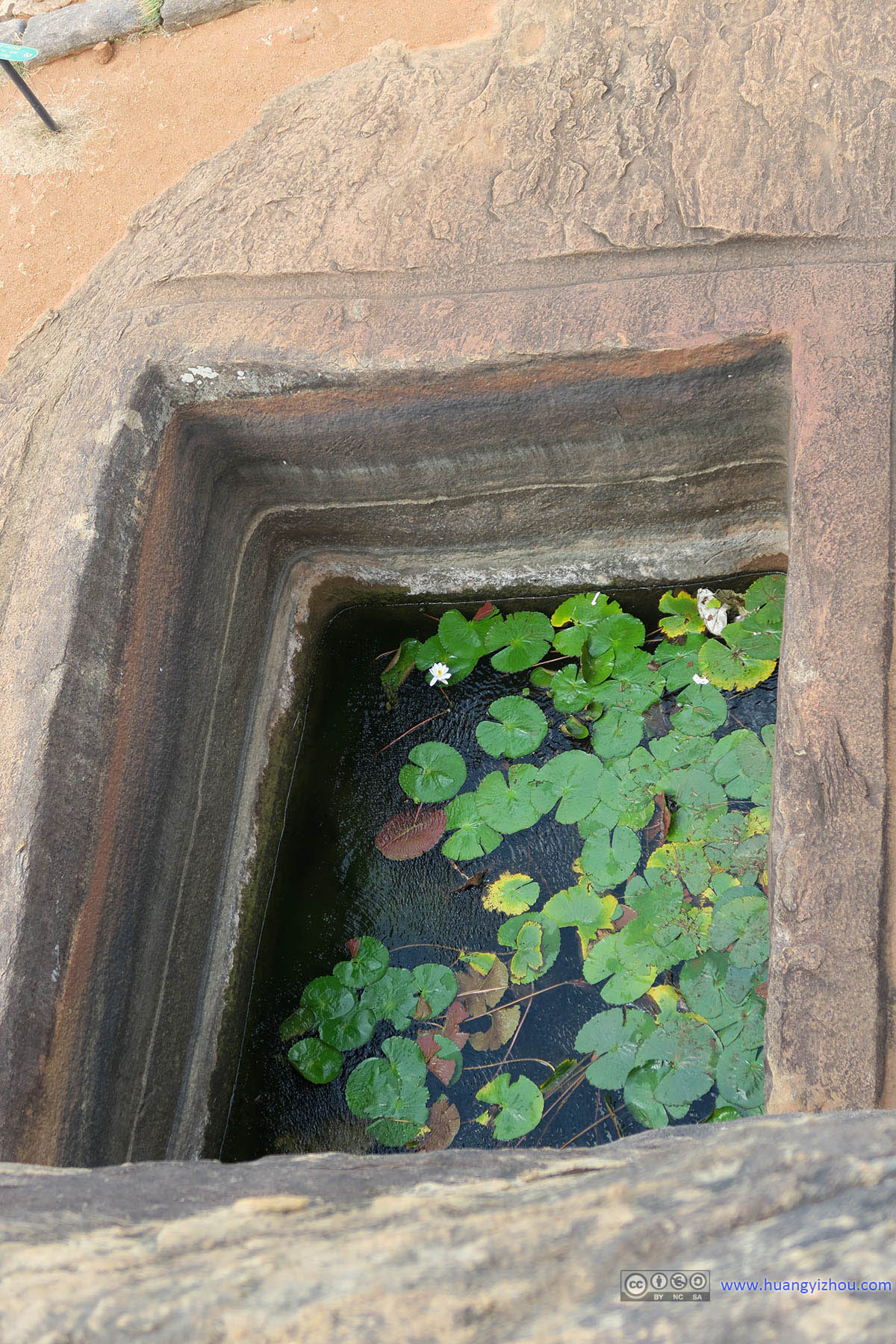
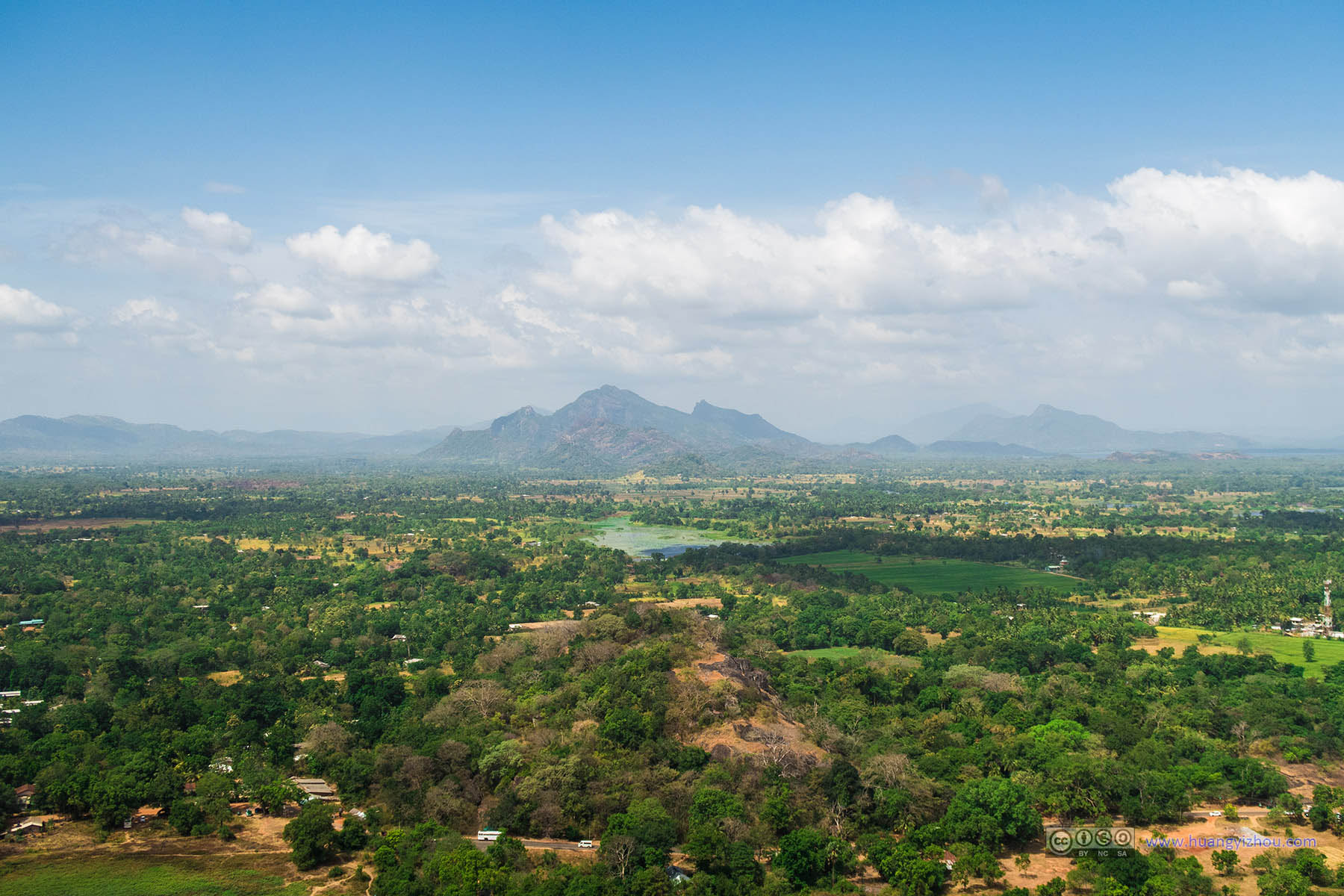
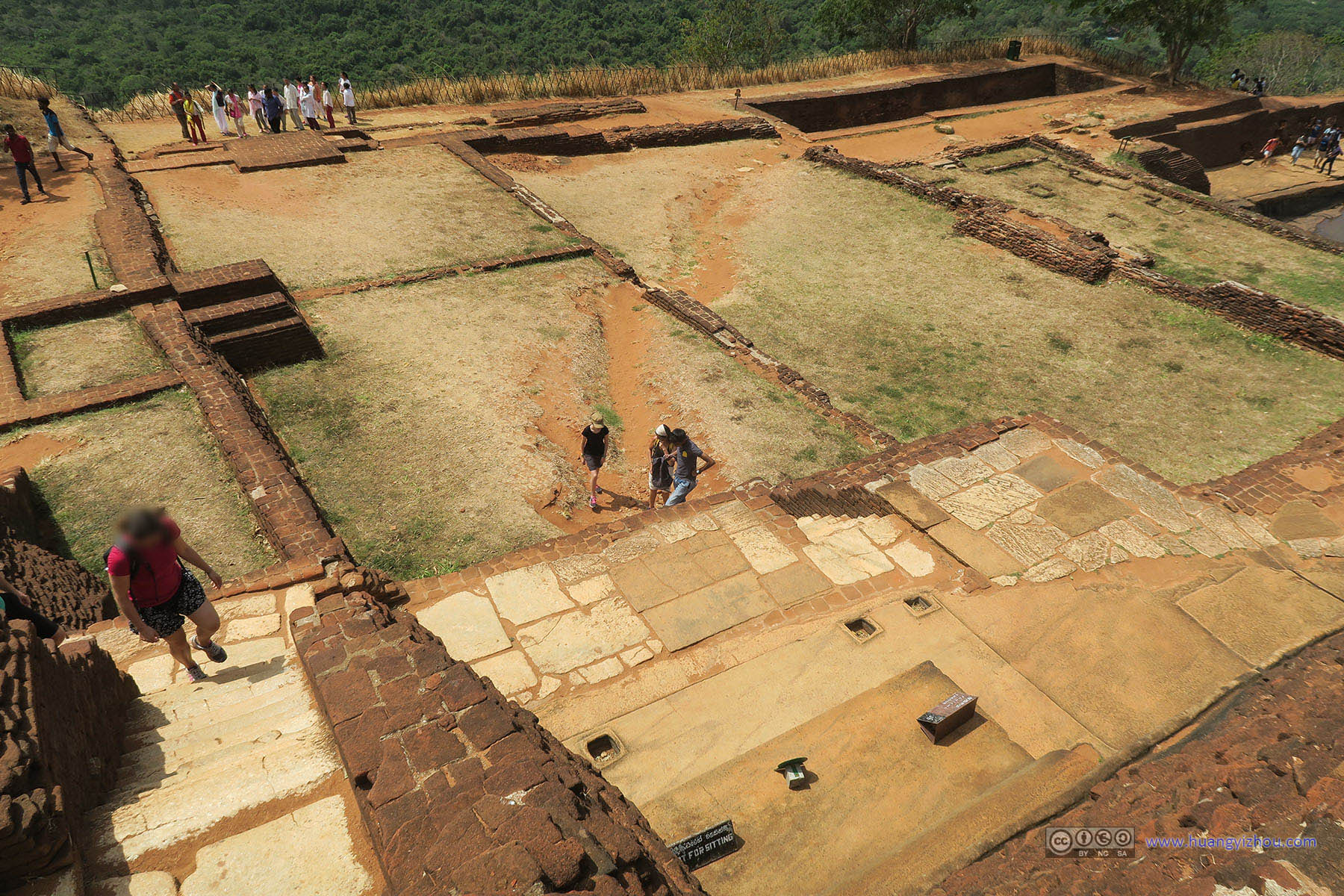
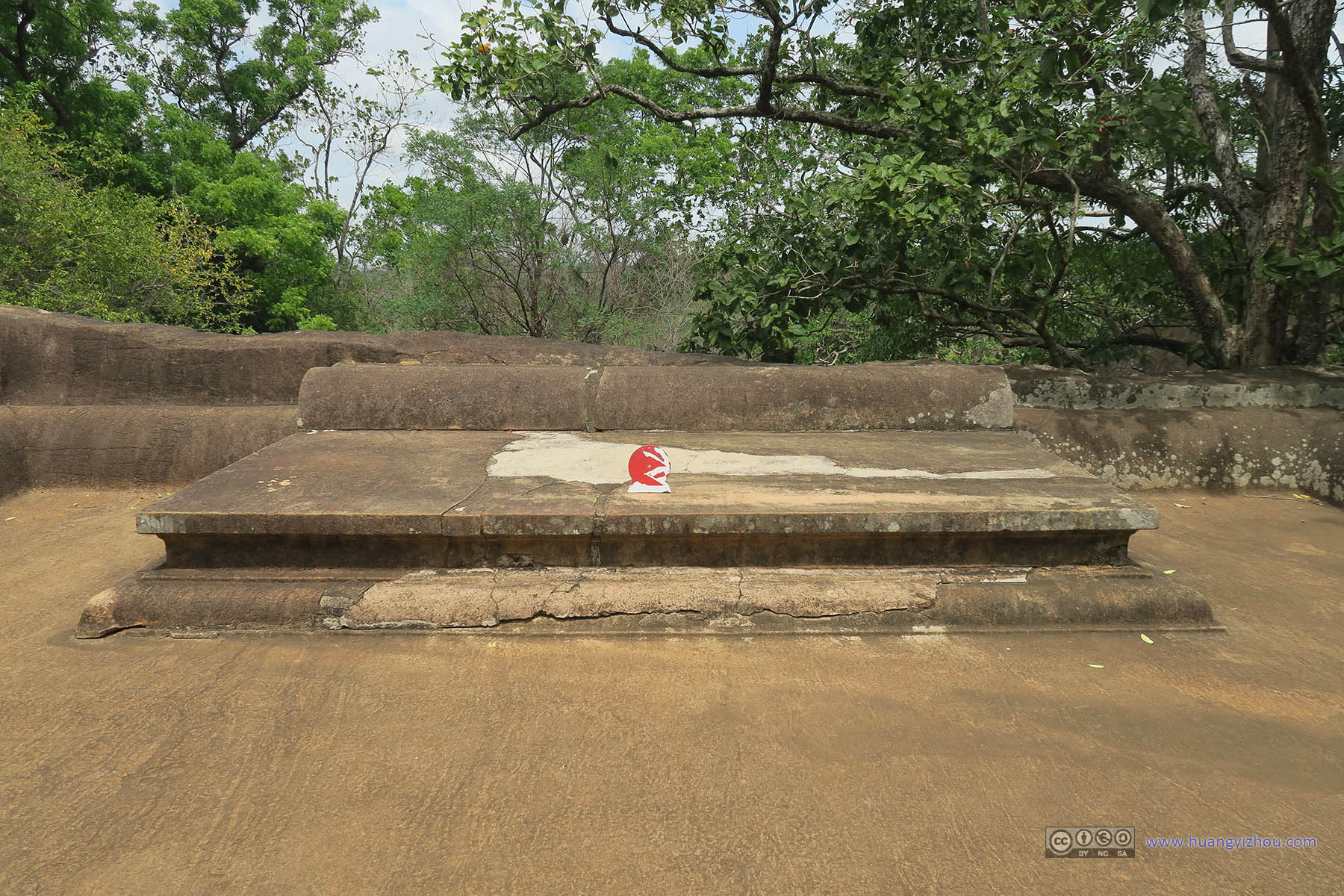
Wherever the King was, he was to watch girls.
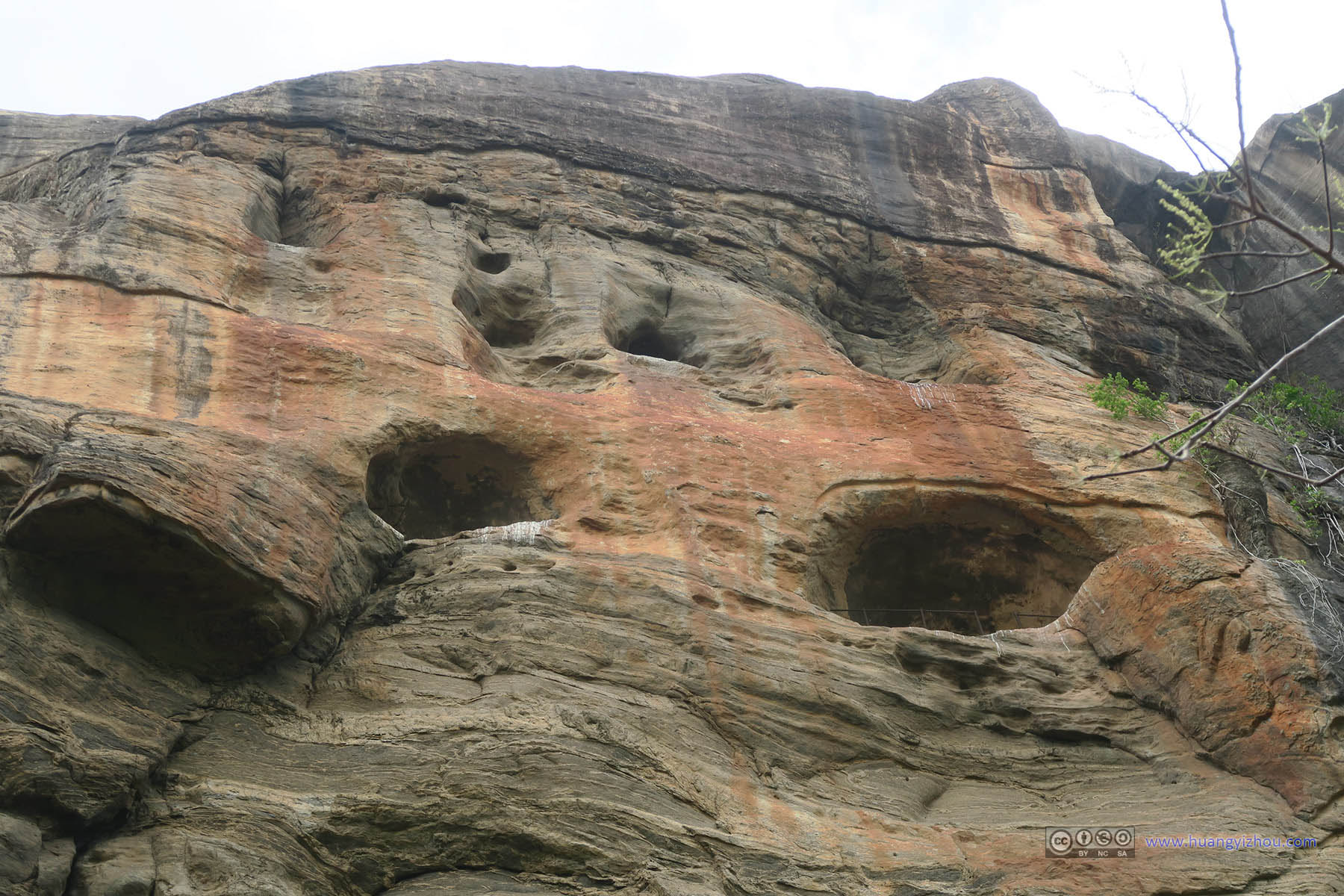
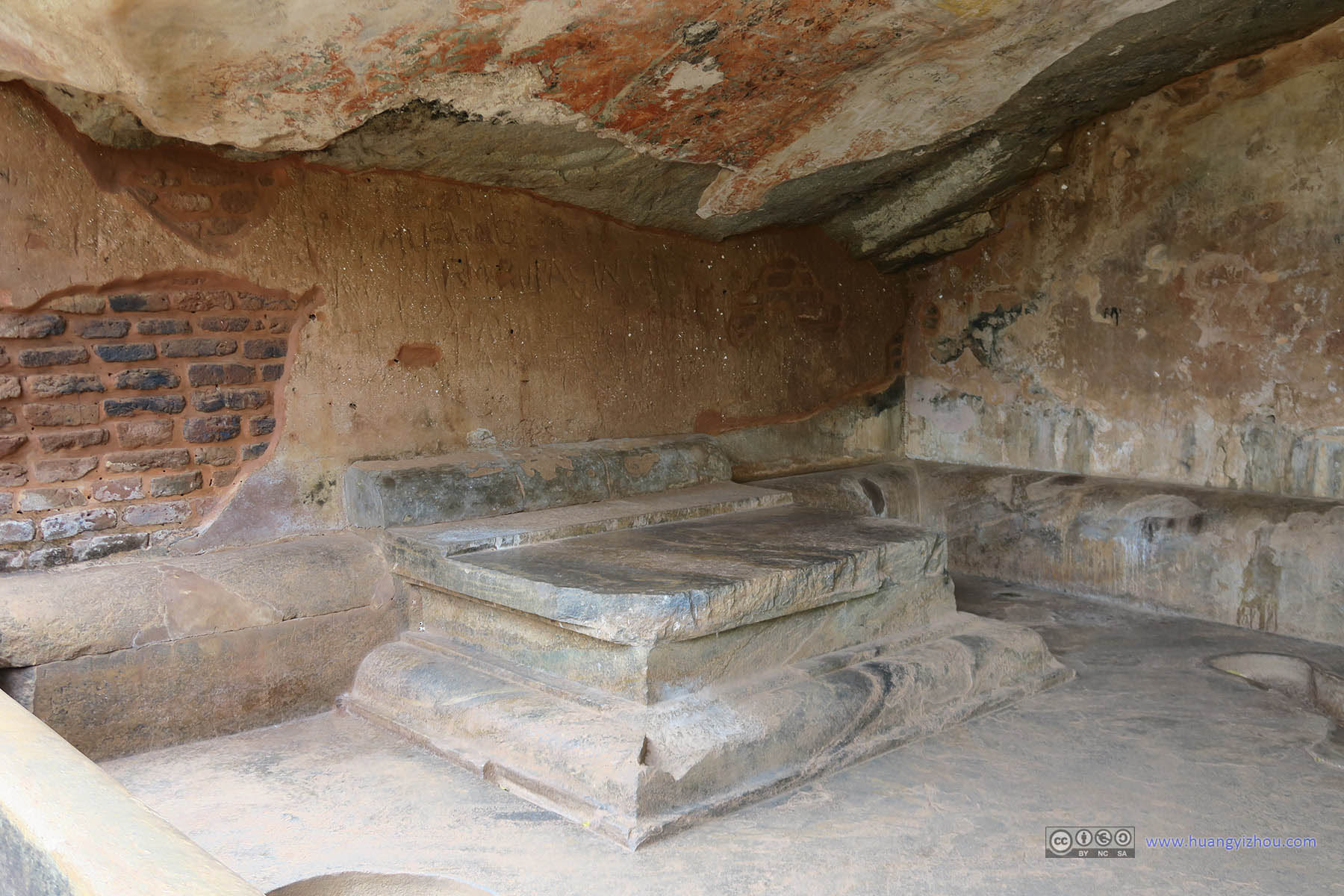
All used to be mini temples.
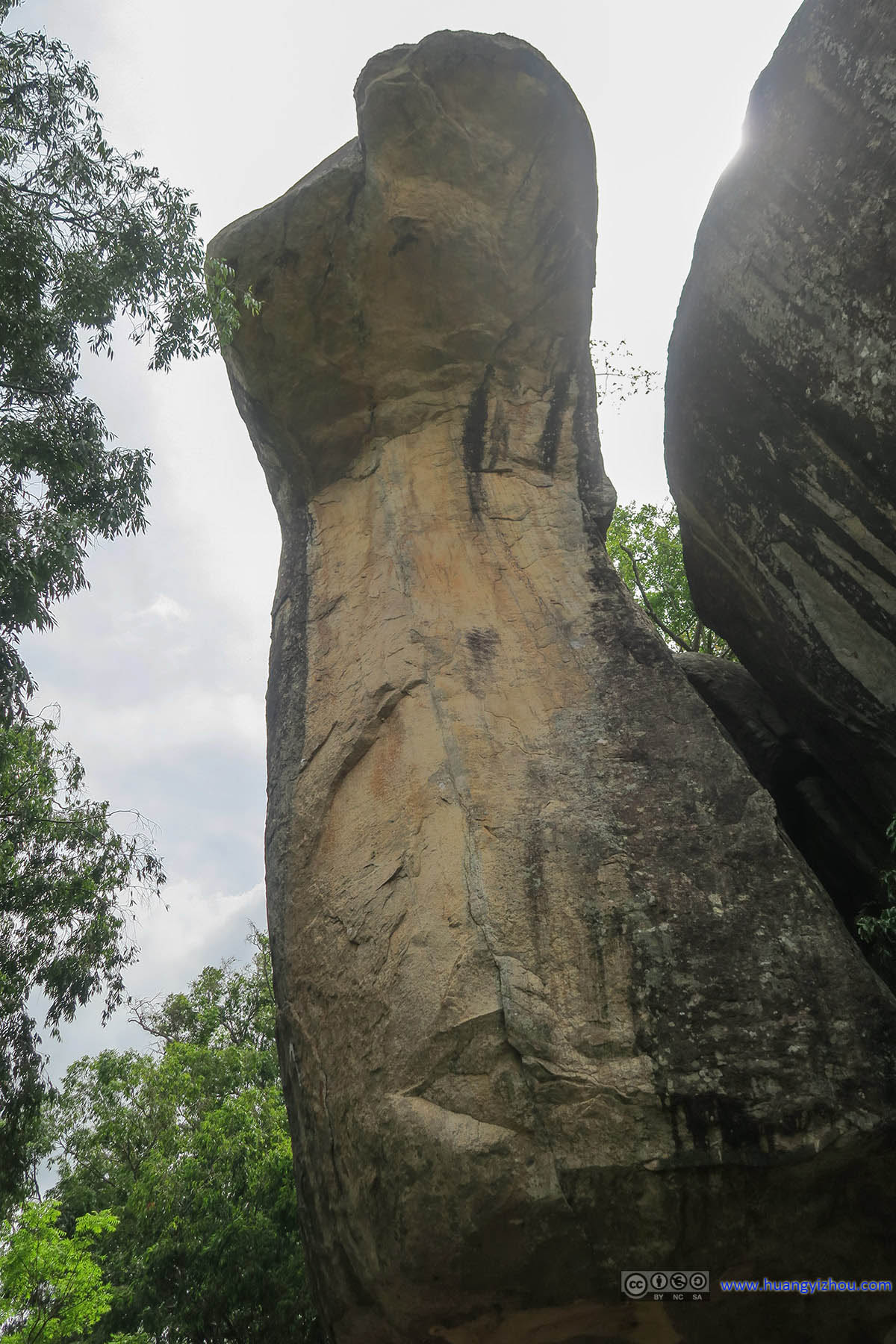
After that, we thanked our tour guide, and left Sigiriya.
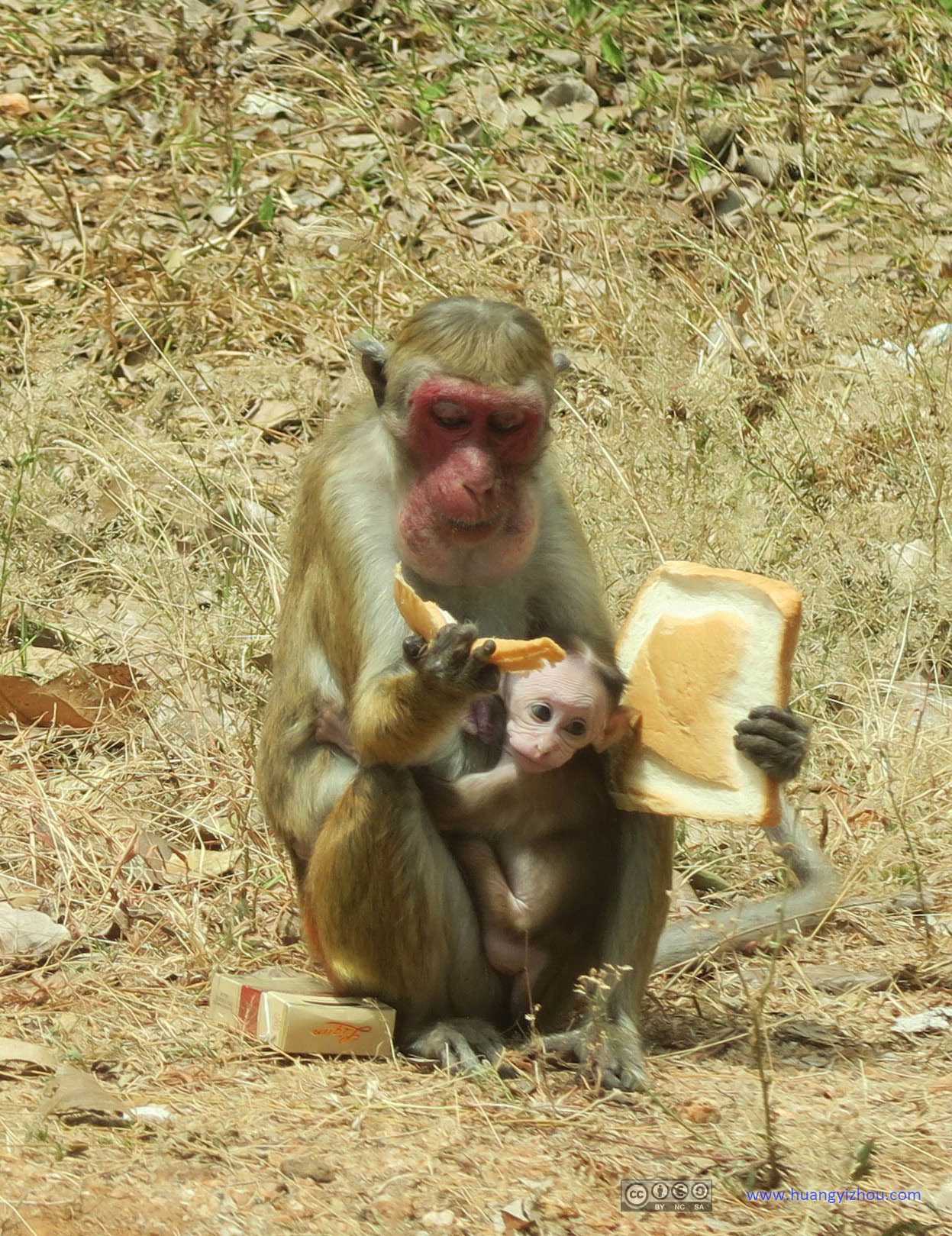
Oh, she's so well treated that the bread has got butter on it.
After that, our driver recommended a massage shop near Sigiriya with "traditional skills". To put it in brief terms, the whole point of that massage was mainly the different oils applied. (It's like, the point of McDonald's McNuggests were their sauces.)
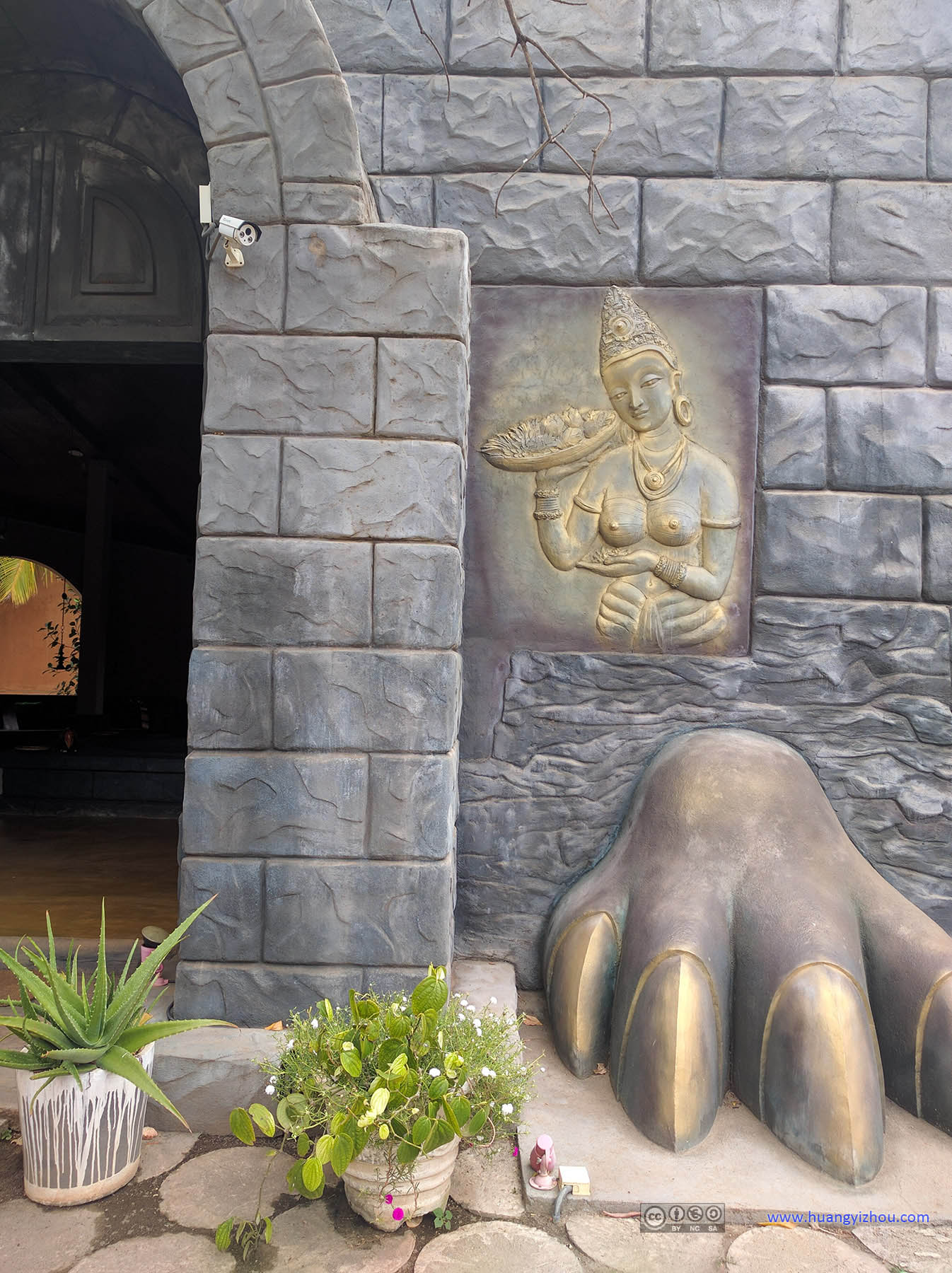
Ok, they got a lion's paw too.
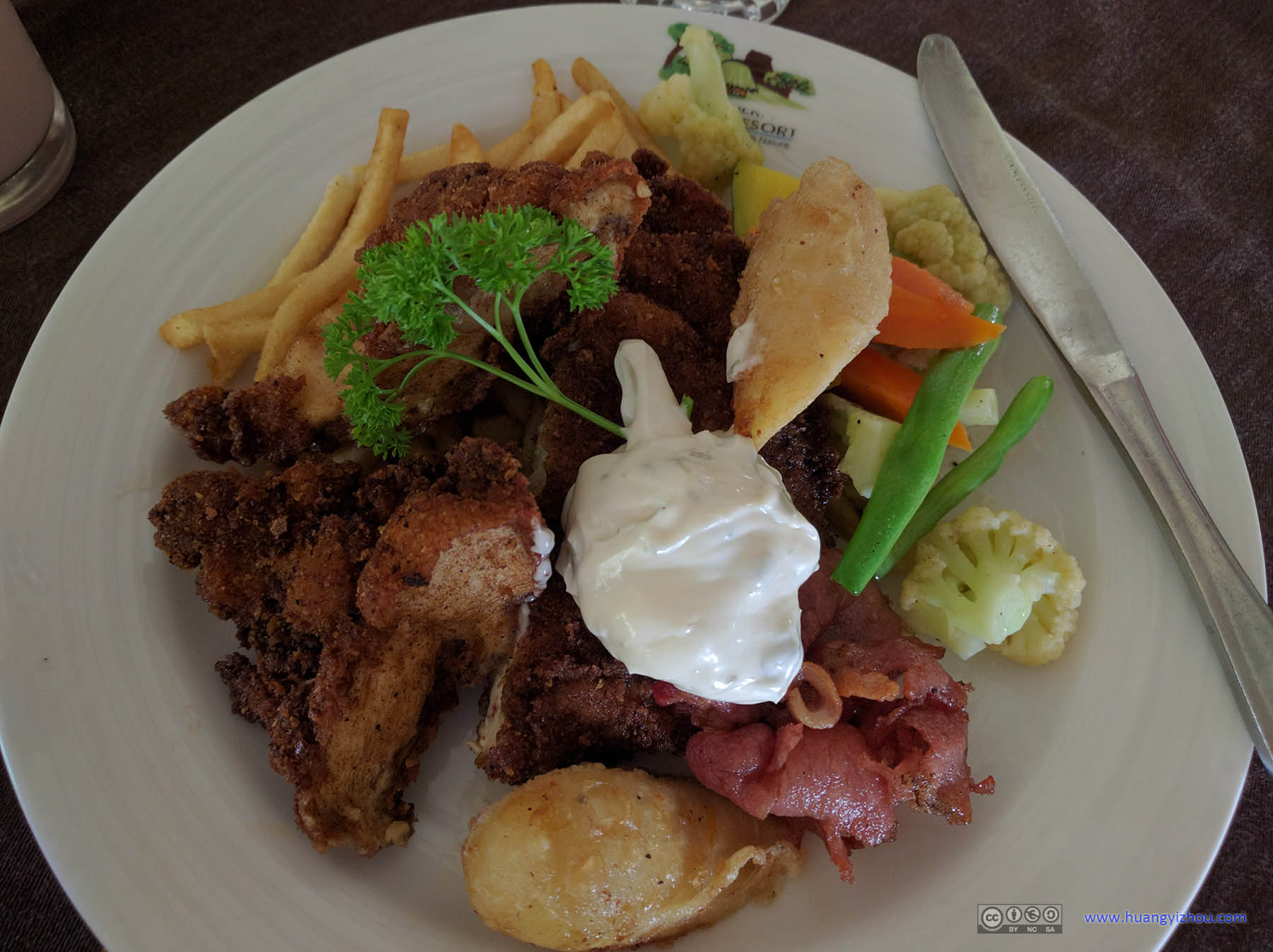
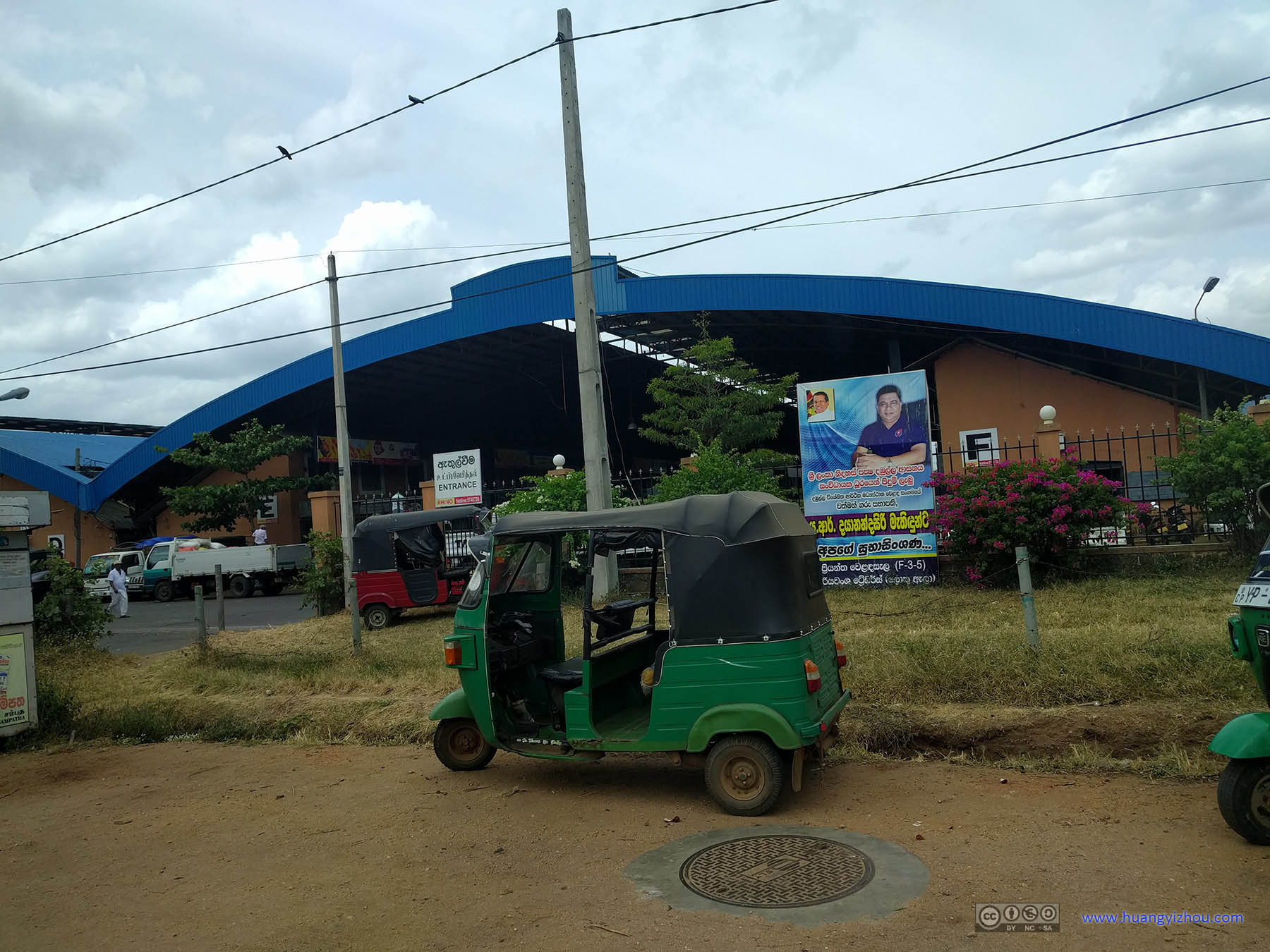
A fancier name for "food market", which our driver was very proud to introduce to us.
Since it was still early in the day and we would be arriving way too early in Kandy if we headed directly there (we had two nights for Kandy), we decided to visit Dambulla Cave Temple.
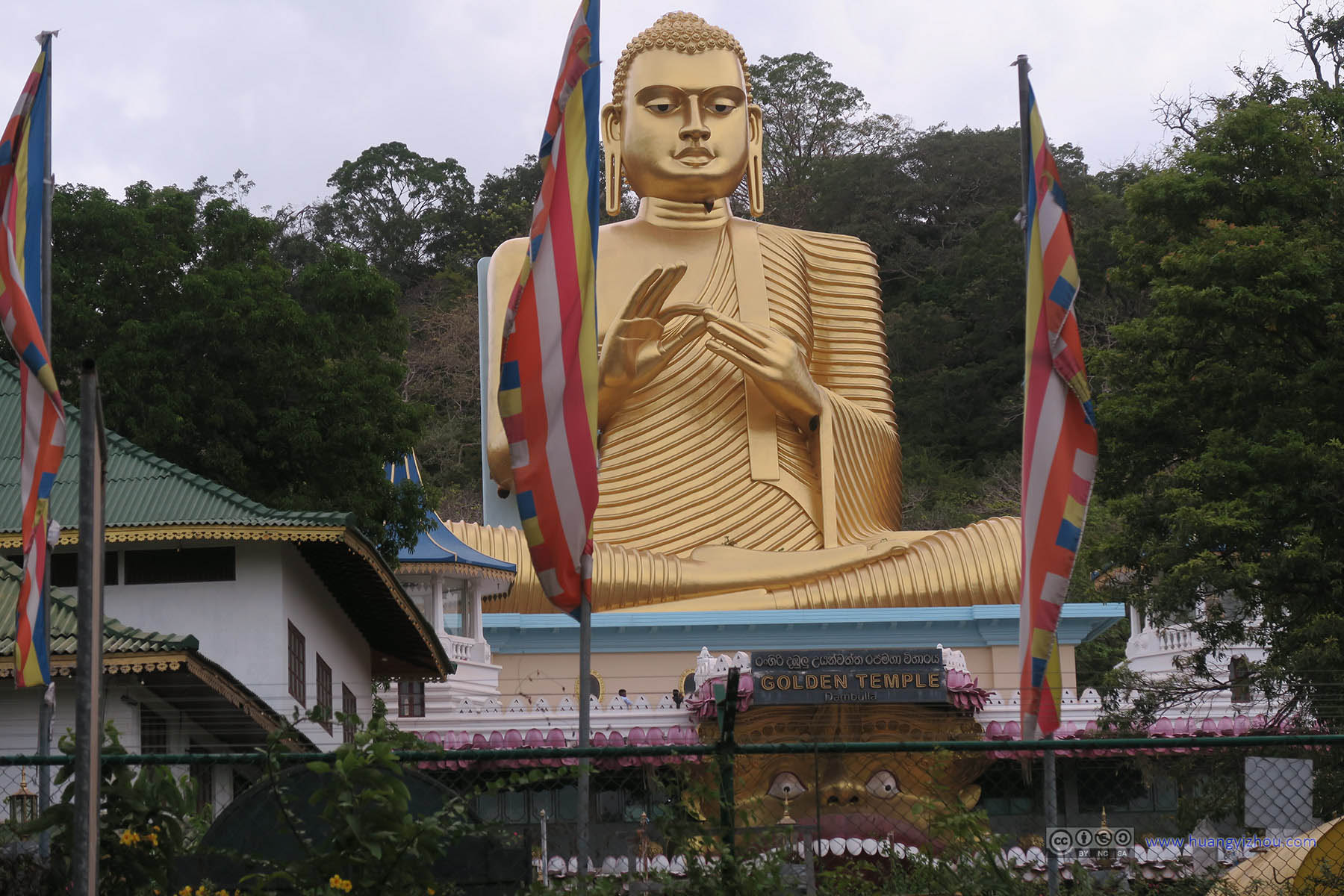
Dambulla Cave Temple
Dambulla cave temple is the largest and best-preserved cave temple complex in Sri Lanka. Major attractions are spread over five caves, which contain statues and paintings. These paintings and statues are related to Gautama Buddha and his life. There are a total of 153 Buddha statues, three statues of Sri Lankan kings and four statues of gods and goddesses. The latter include Vishnu and the Ganesha. The murals cover an area of 2,100 square metres (23,000 sq ft). Depictions on the walls of the caves include the temptation by the demon Mara, and Buddha's first sermon. The Dambulla cave monastery is still functional and remains the best-preserved ancient edifice in Sri Lanka. This complex dates from the third and second centuries BC. Valagamba of Anuradhapura is traditionally thought to have converted the caves into a temple in the first century BC. Exiled from Anuradhapura, he sought refuge here from South Indian usurpers for 15 years. After reclaiming his capital, the King built a temple in thankful worship. Many other kings added to it later and by the 11th century, the caves had become a major religious centre and still are. Nissanka Malla of Polonnaruwa gilded the caves and added about 70 Buddha statues in 1190. During the 18th century, the caves were restored and painted by the Kingdom of Kandy.
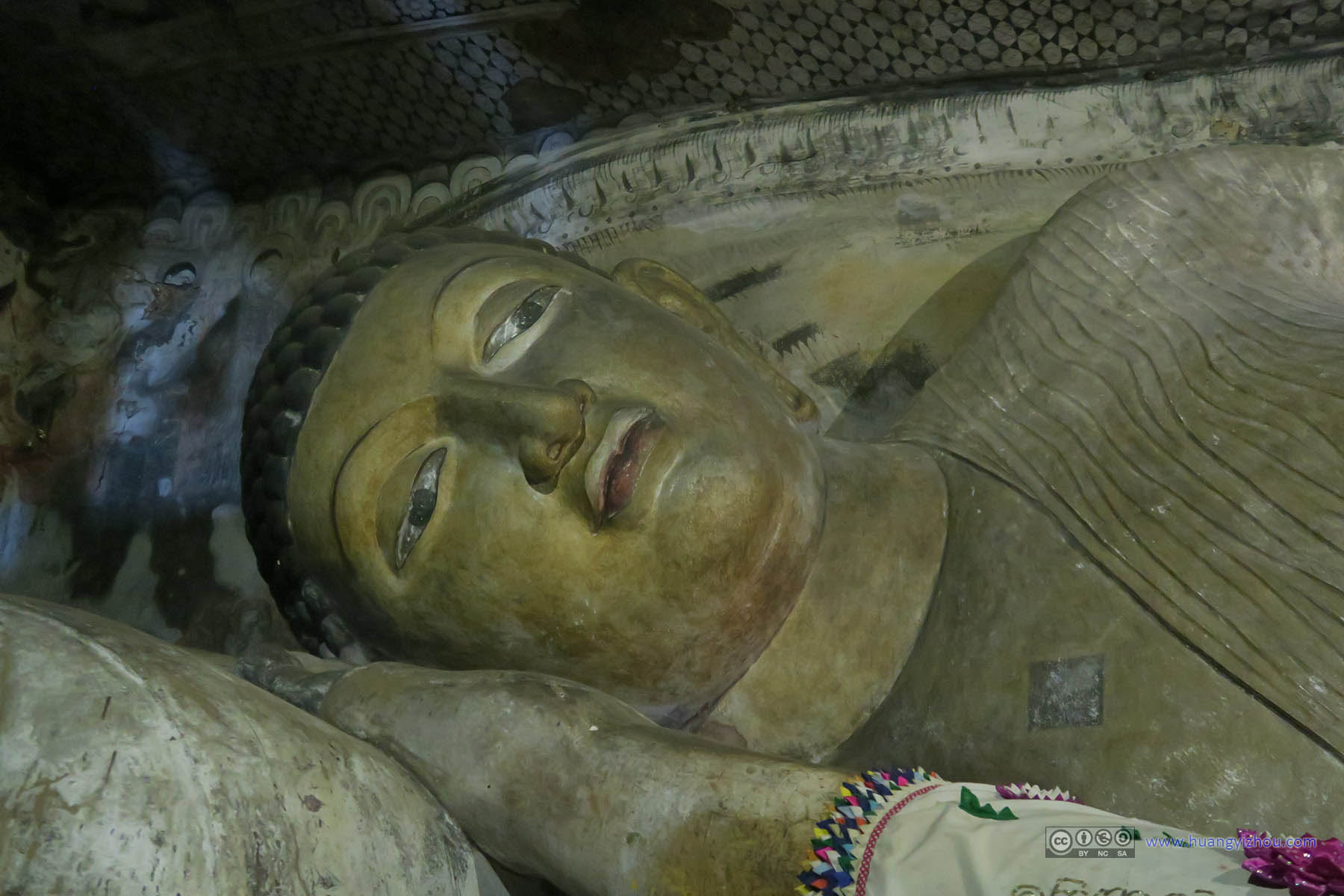
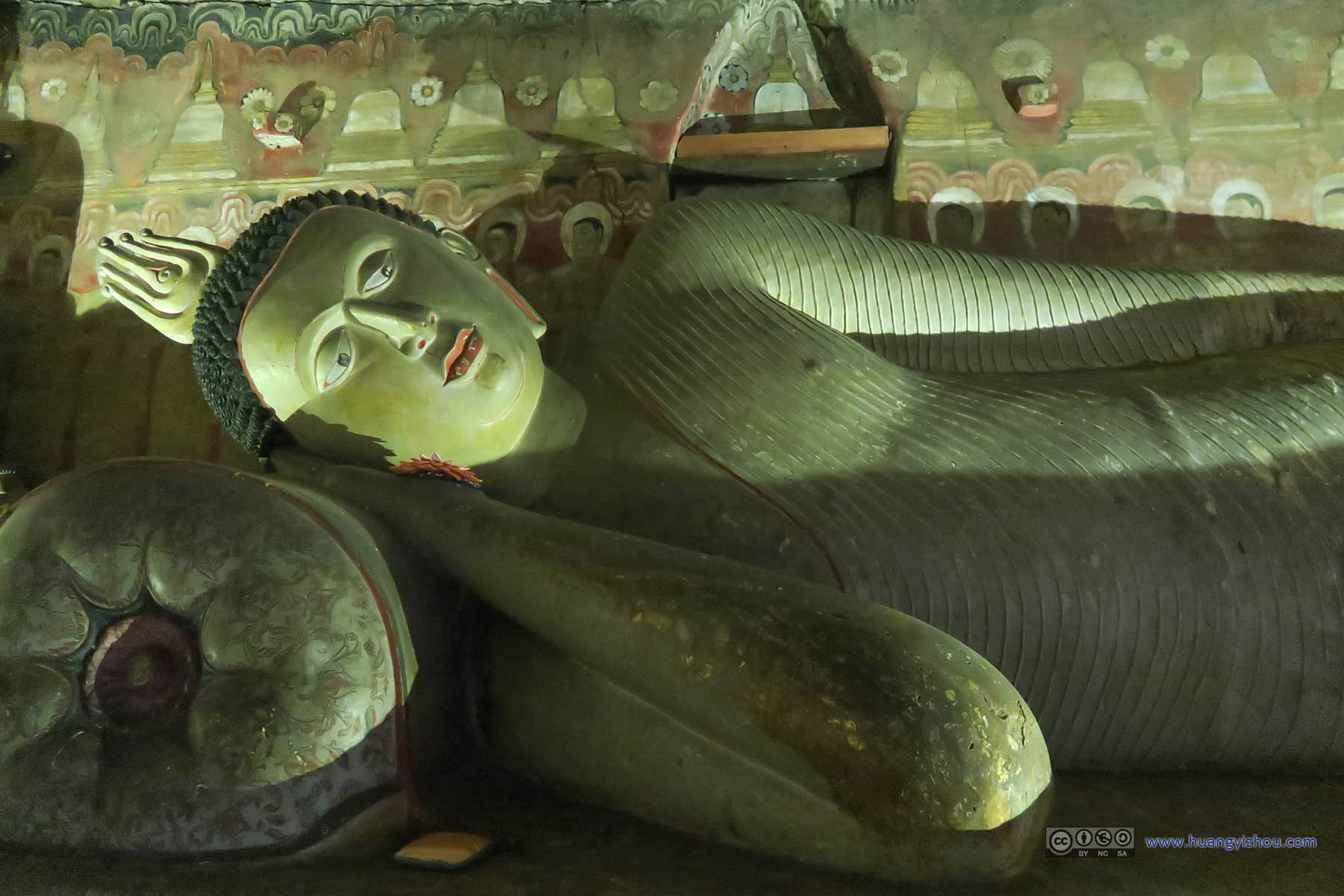
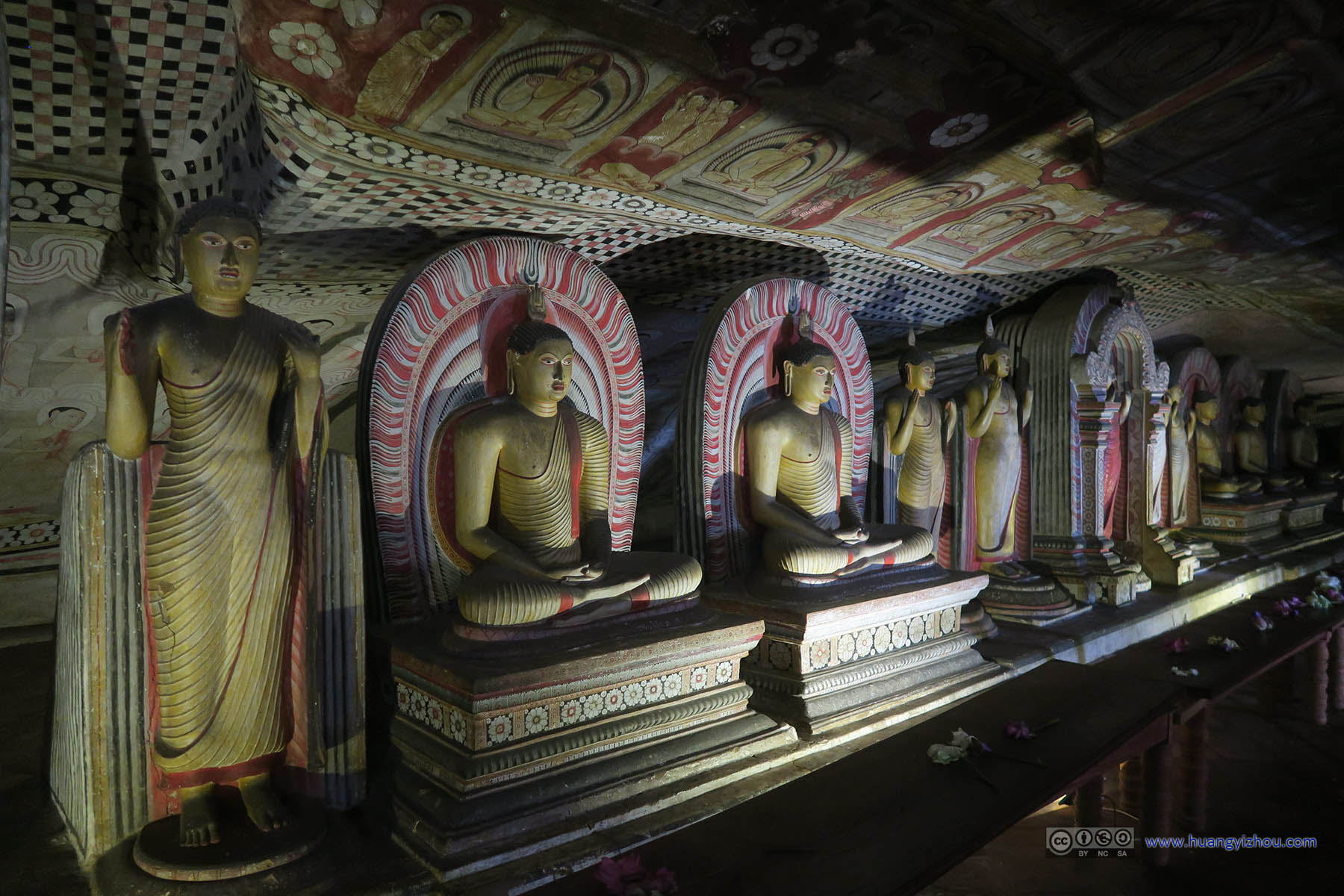
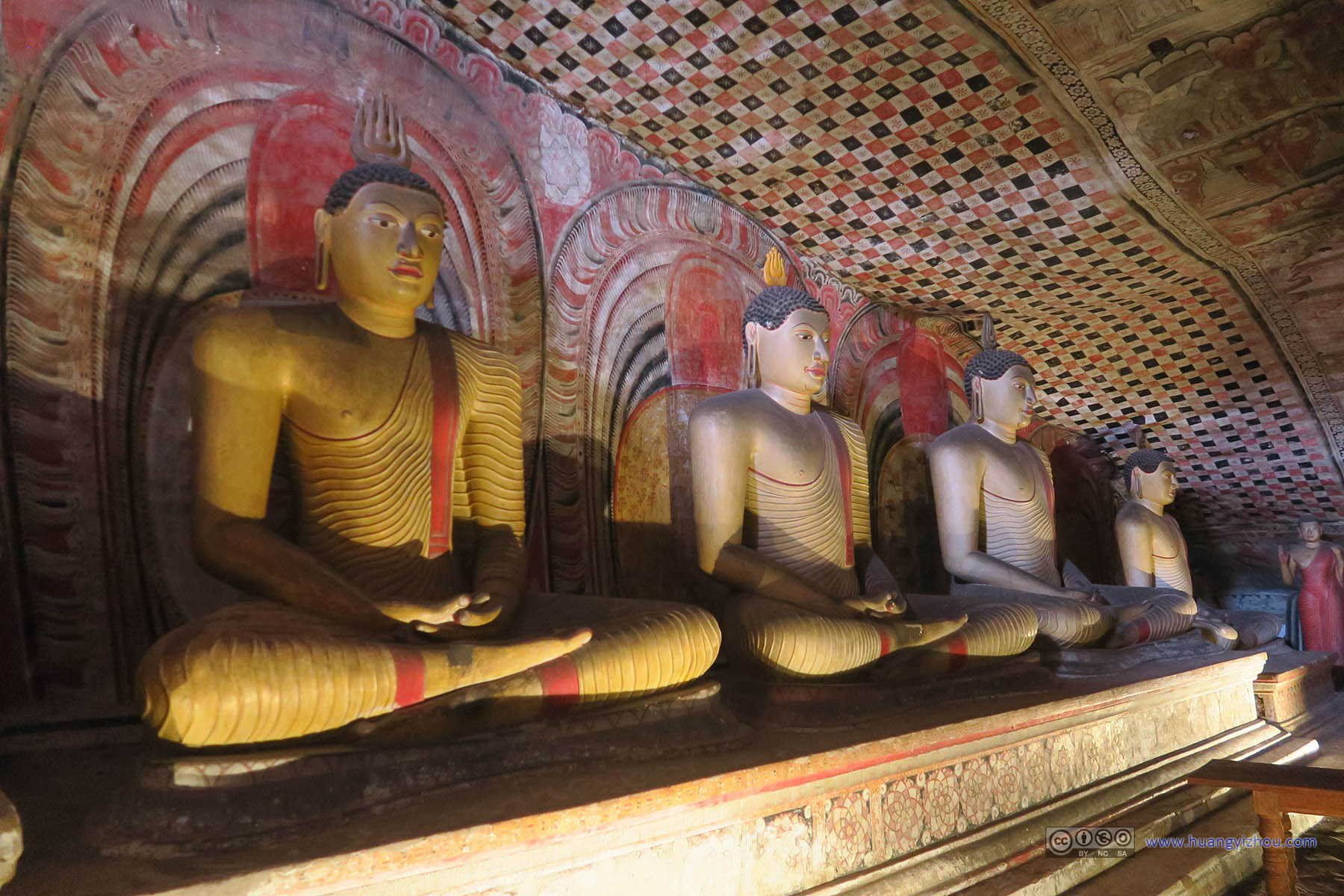
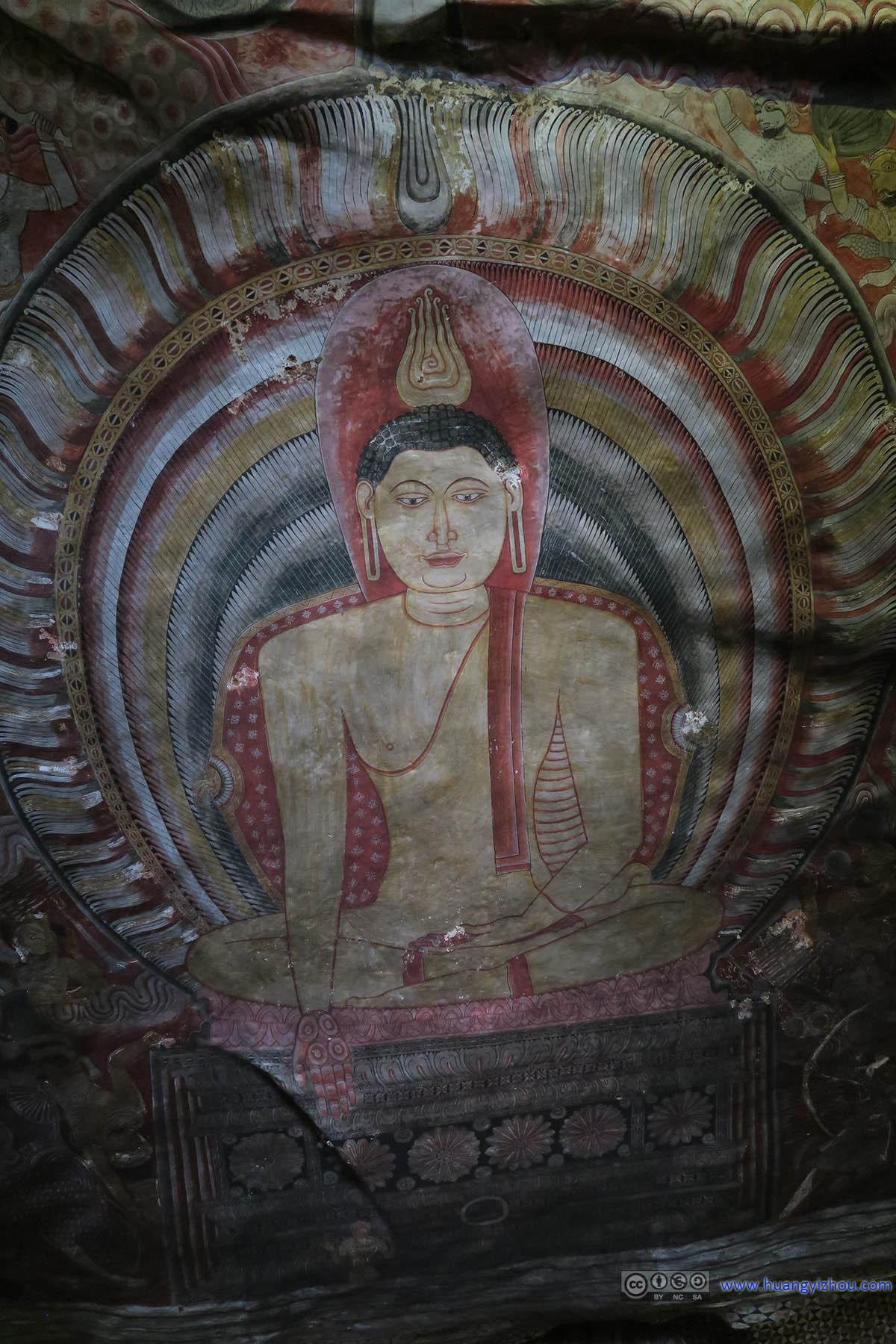
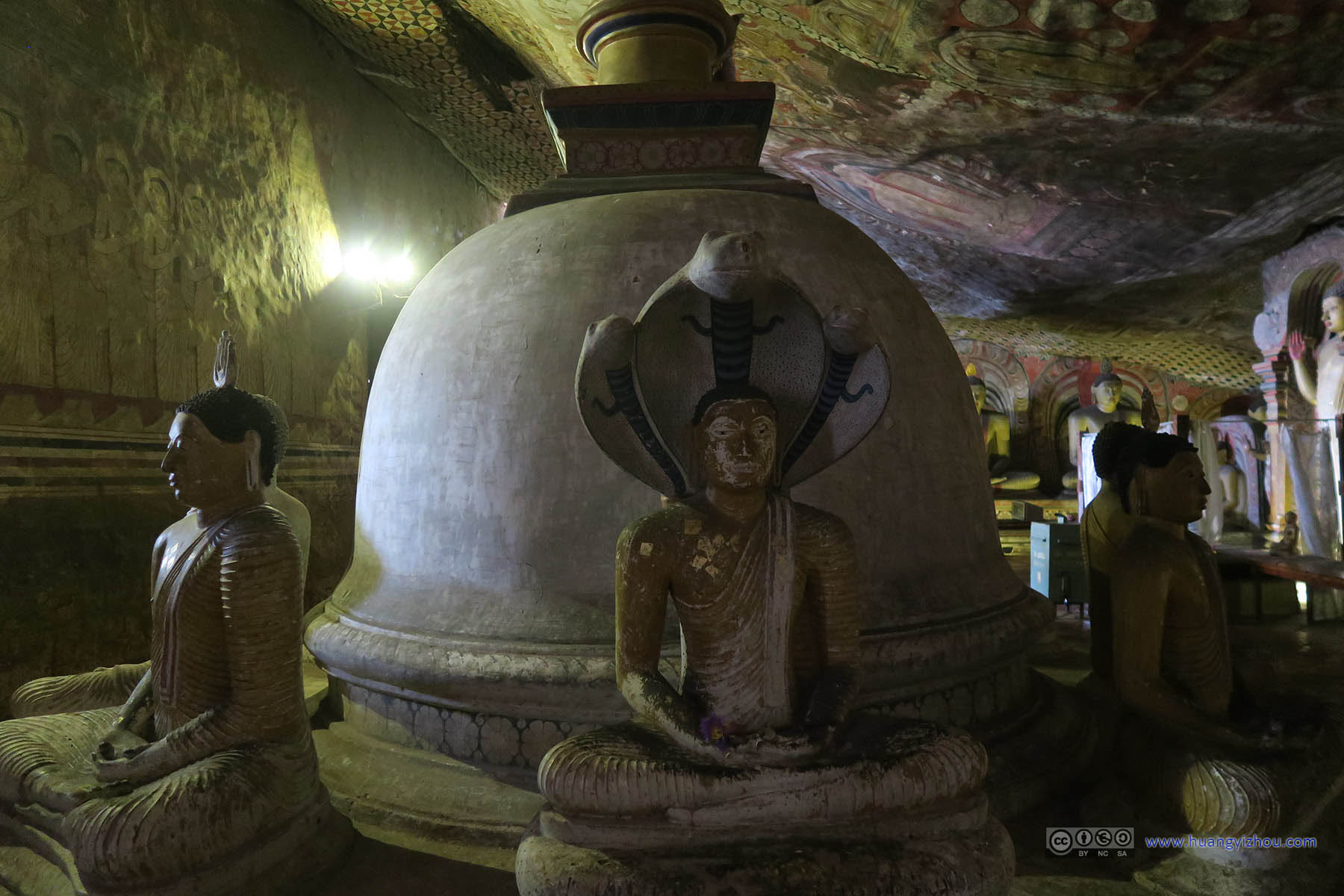
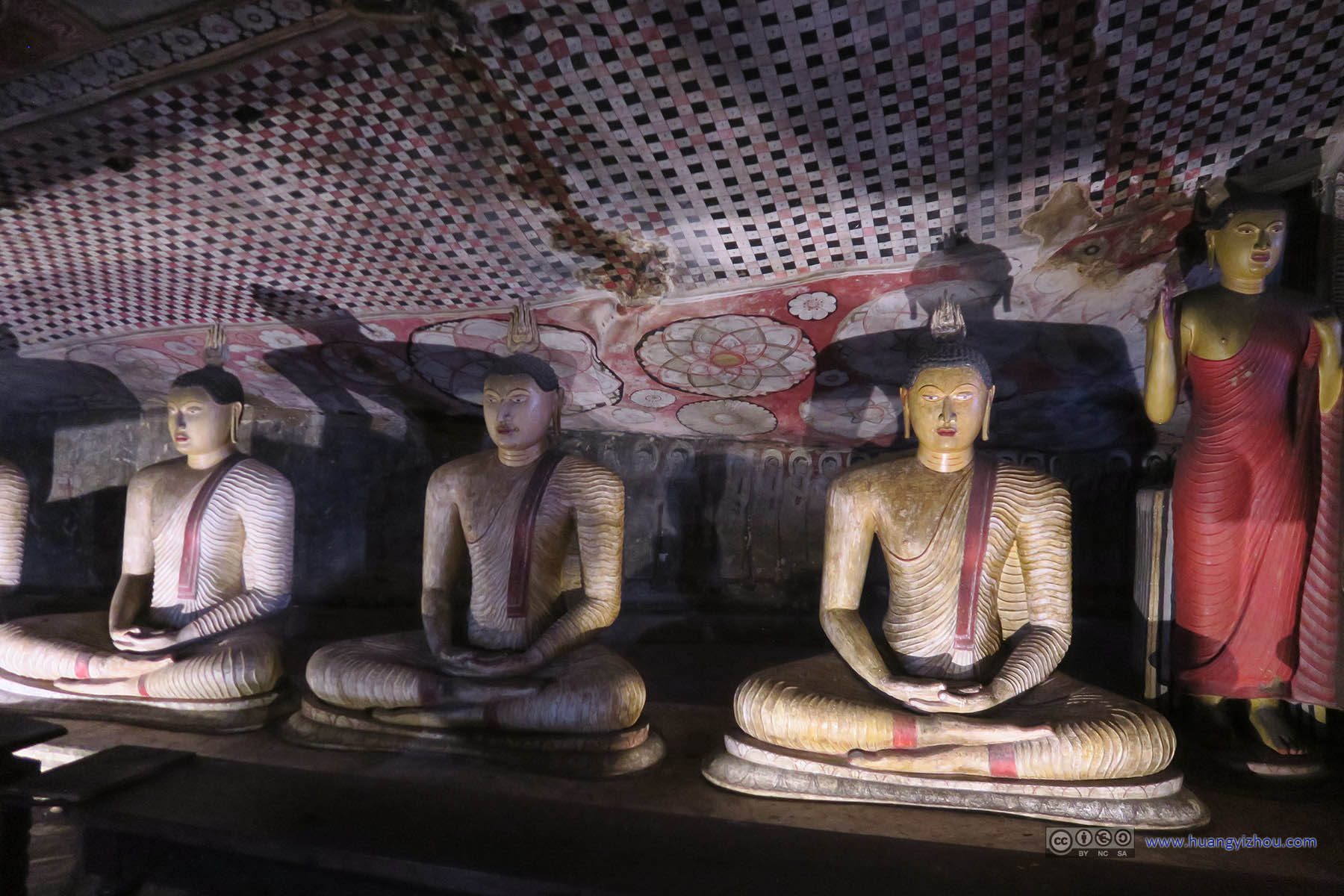
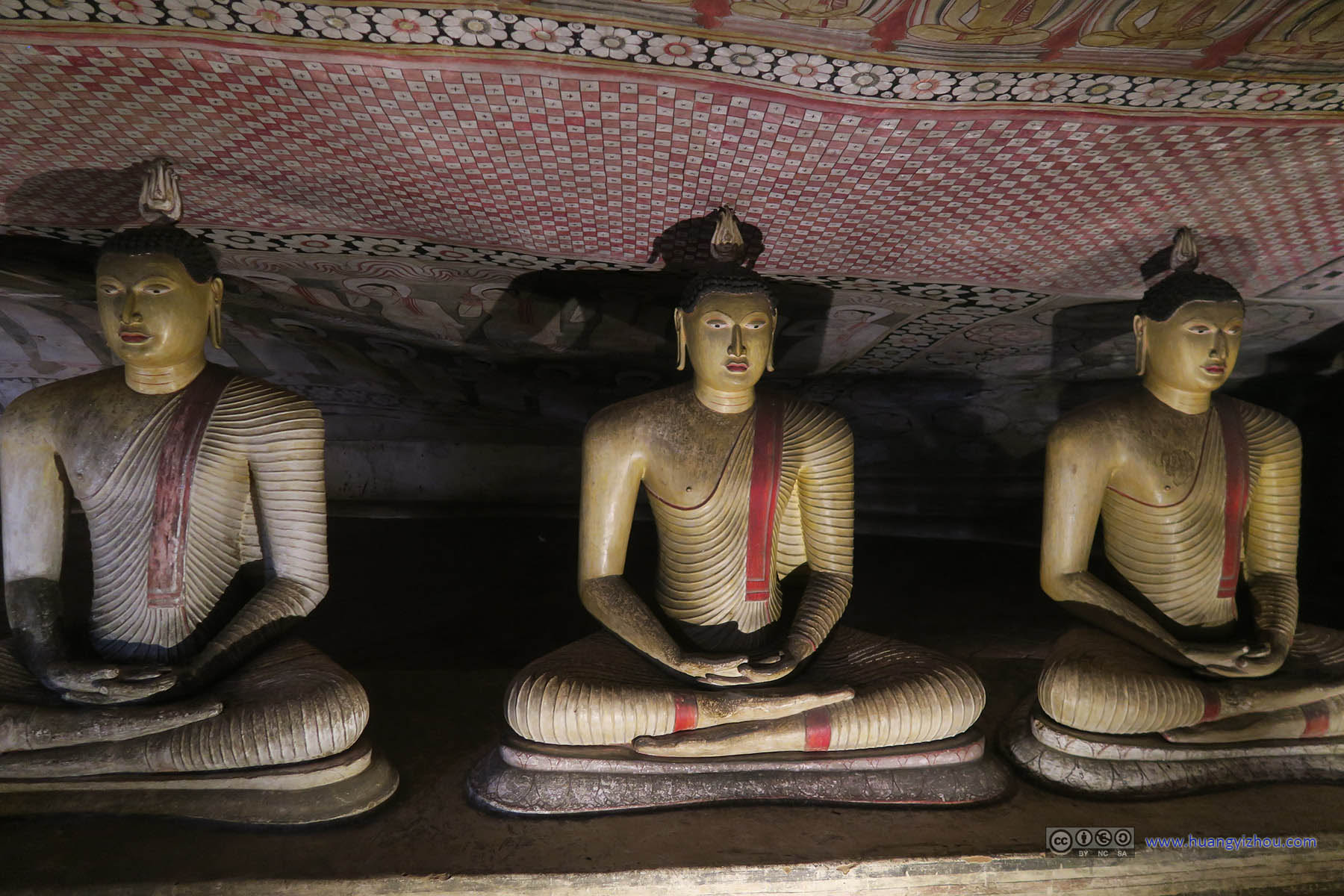
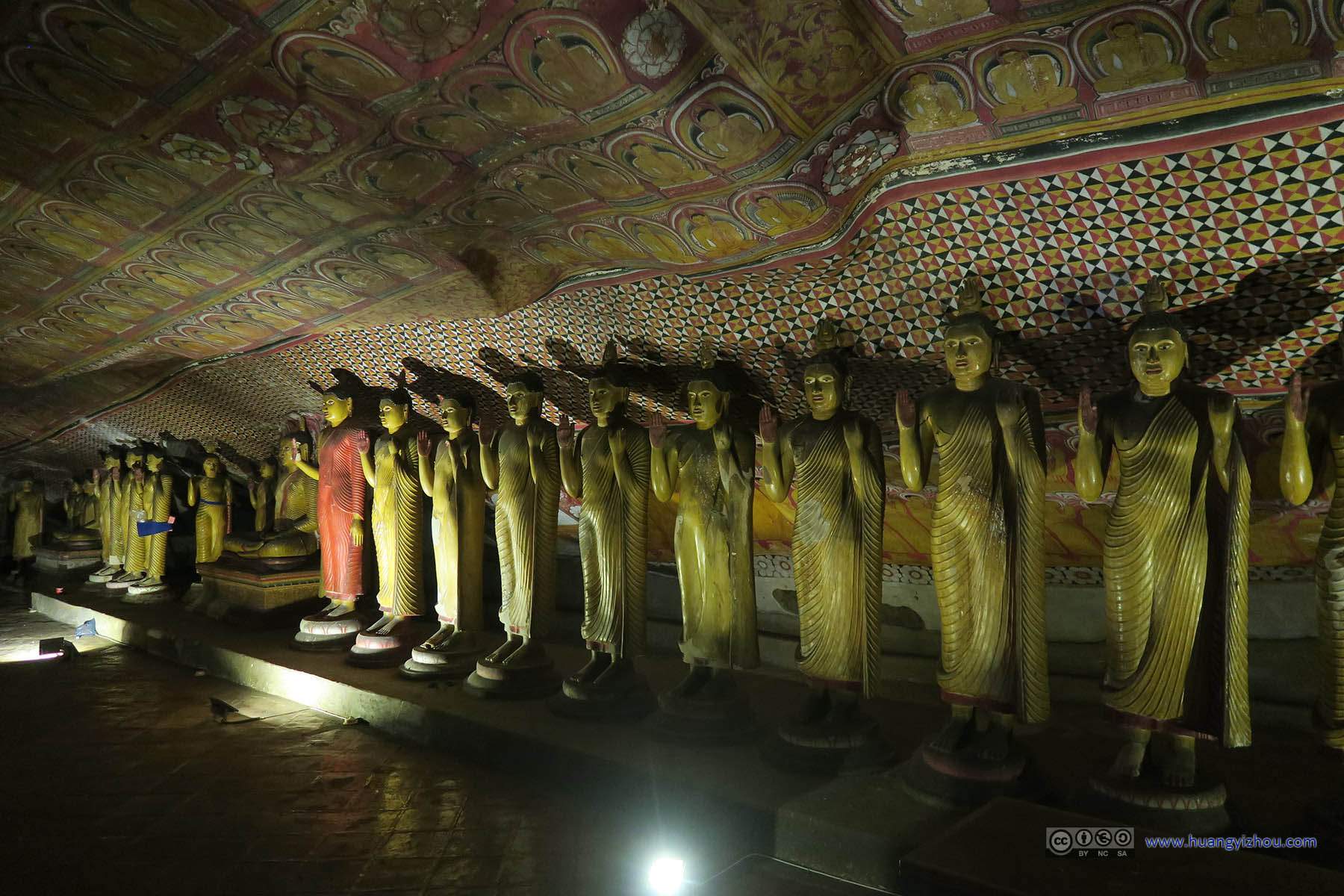
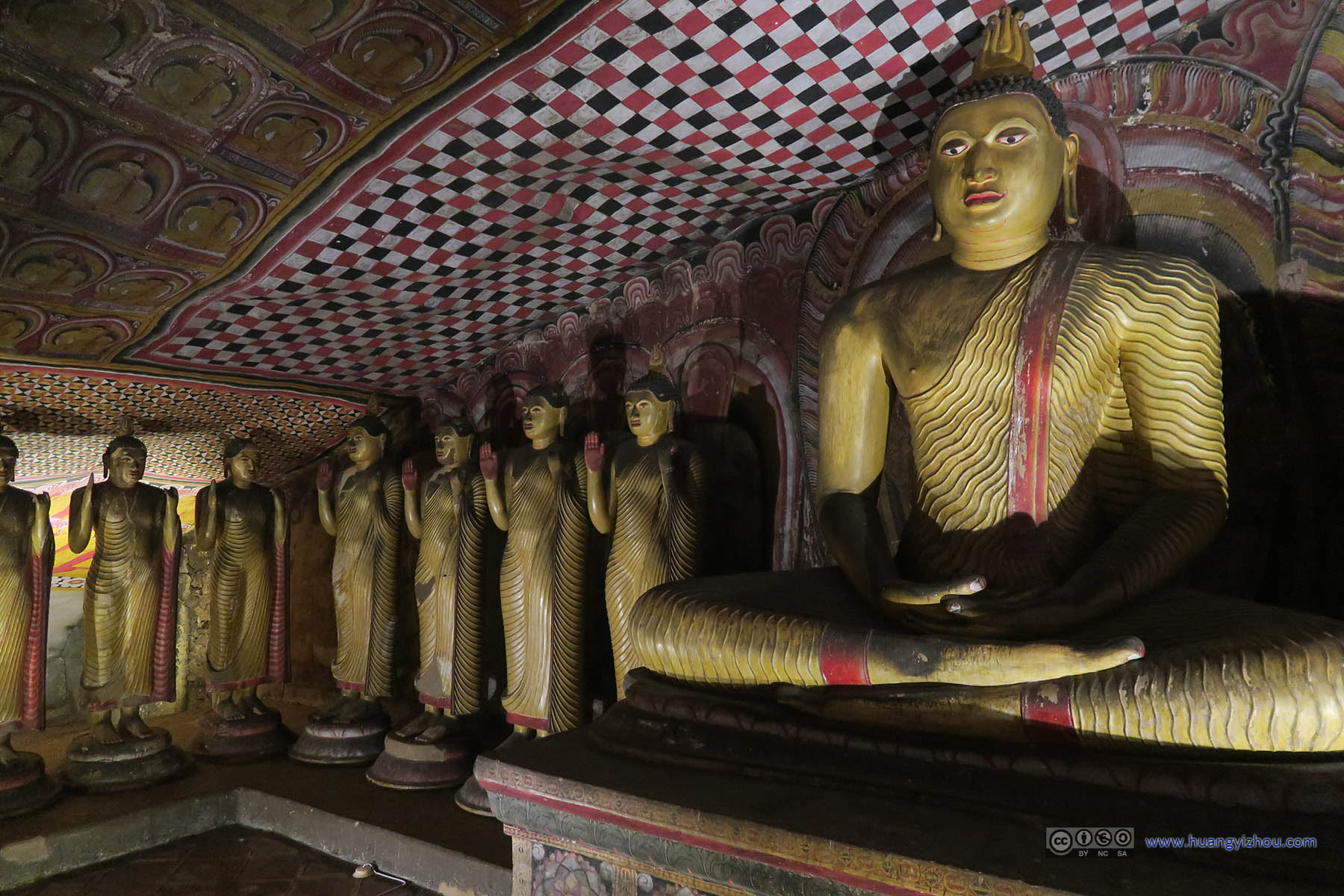
Buddha Statue
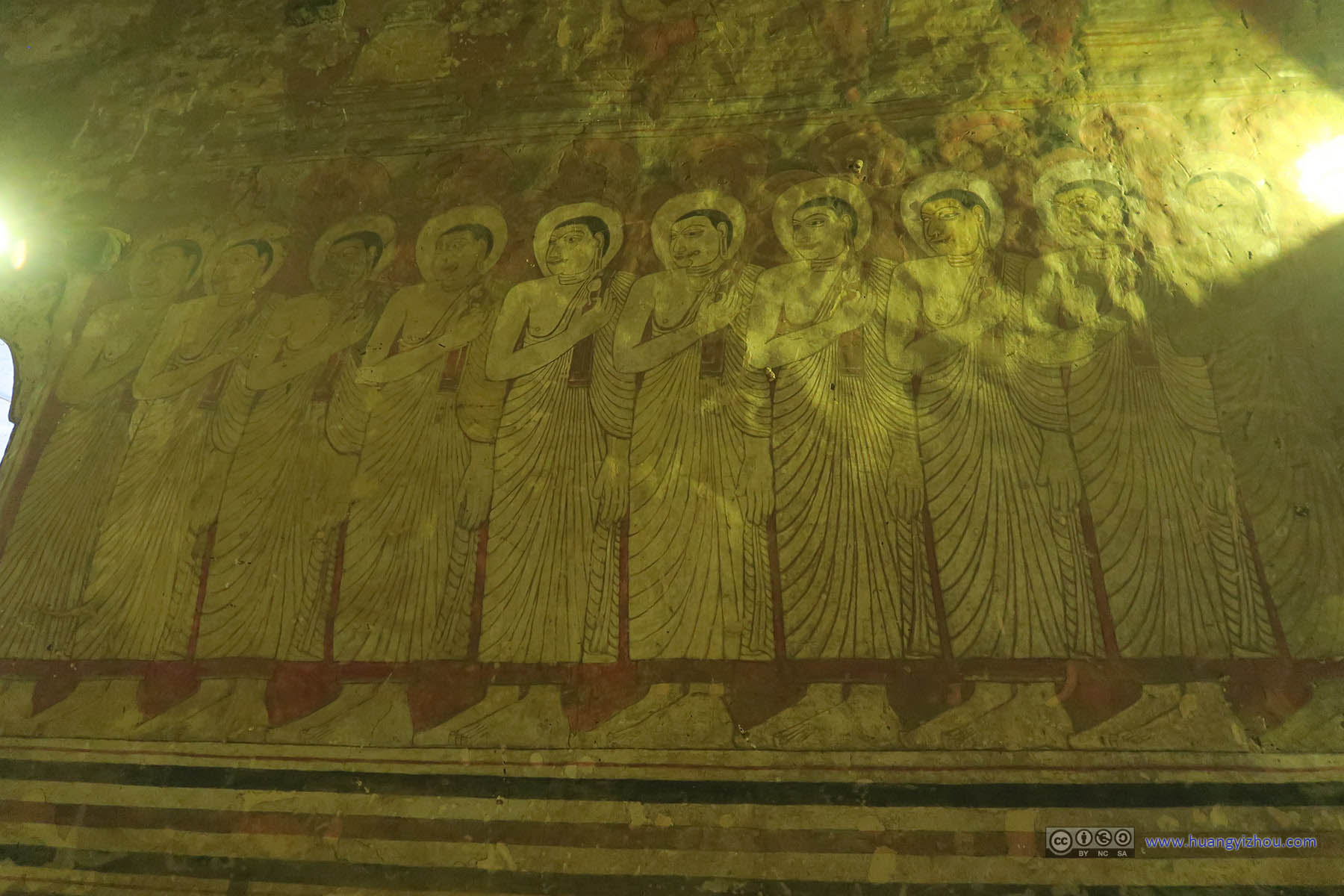
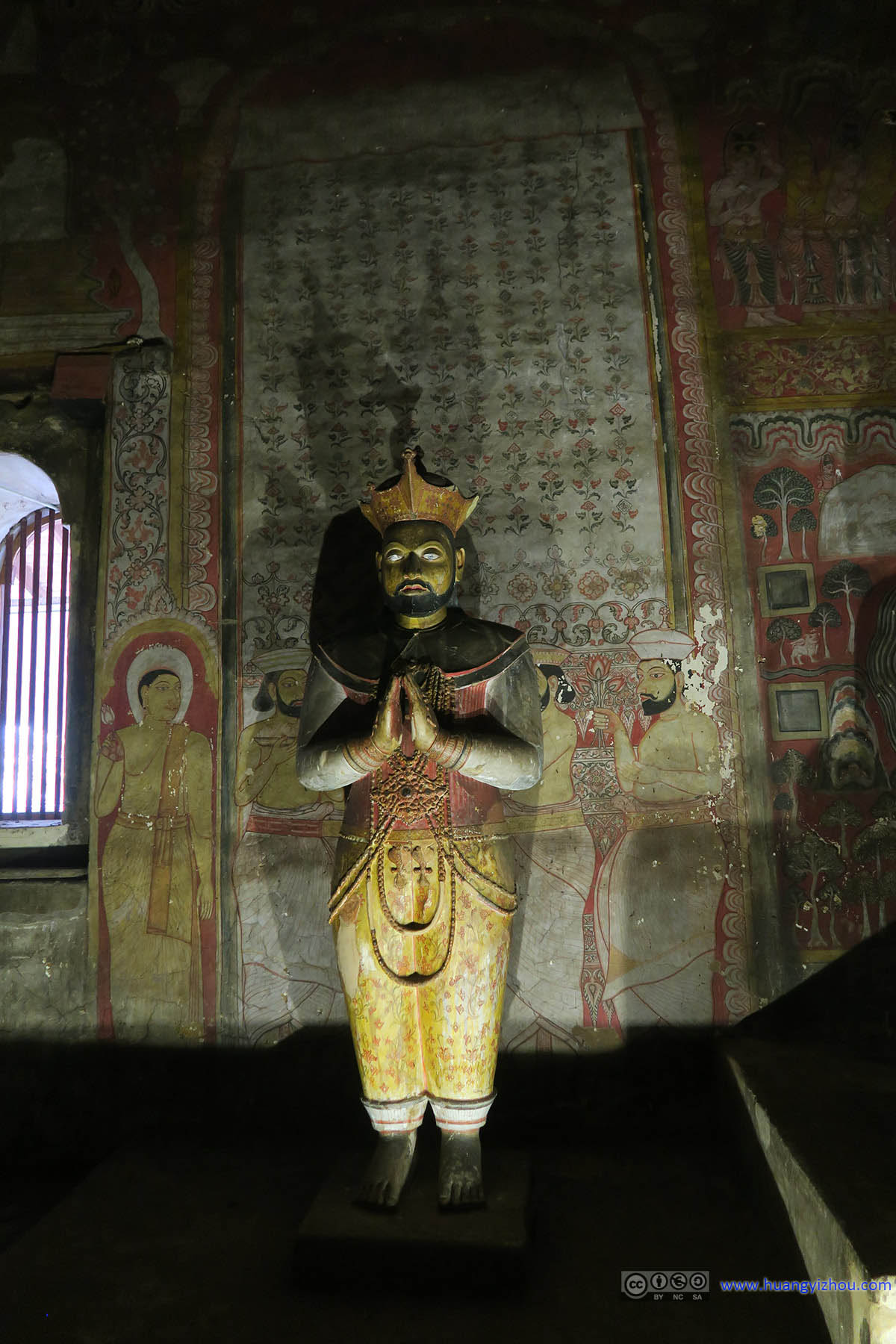
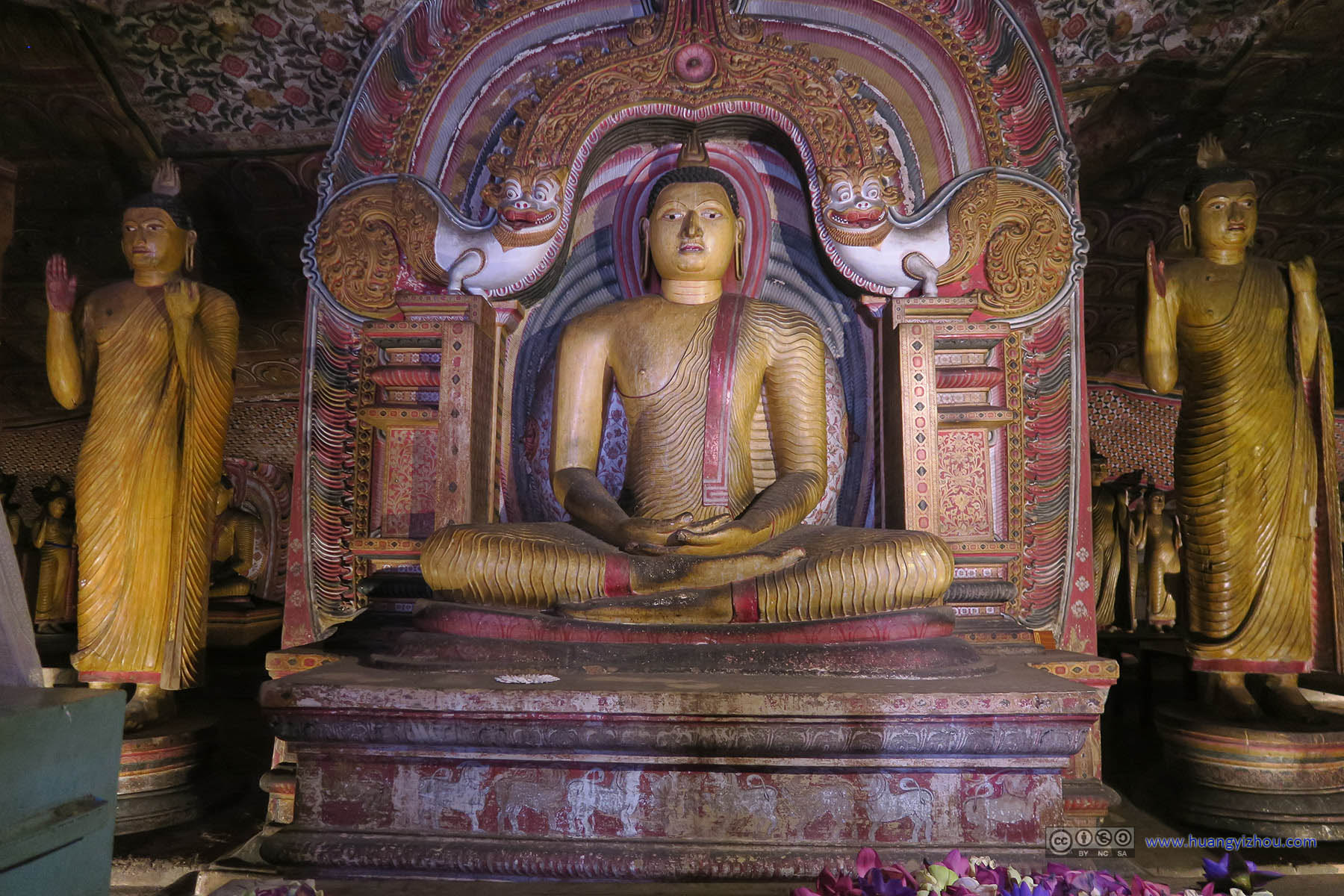
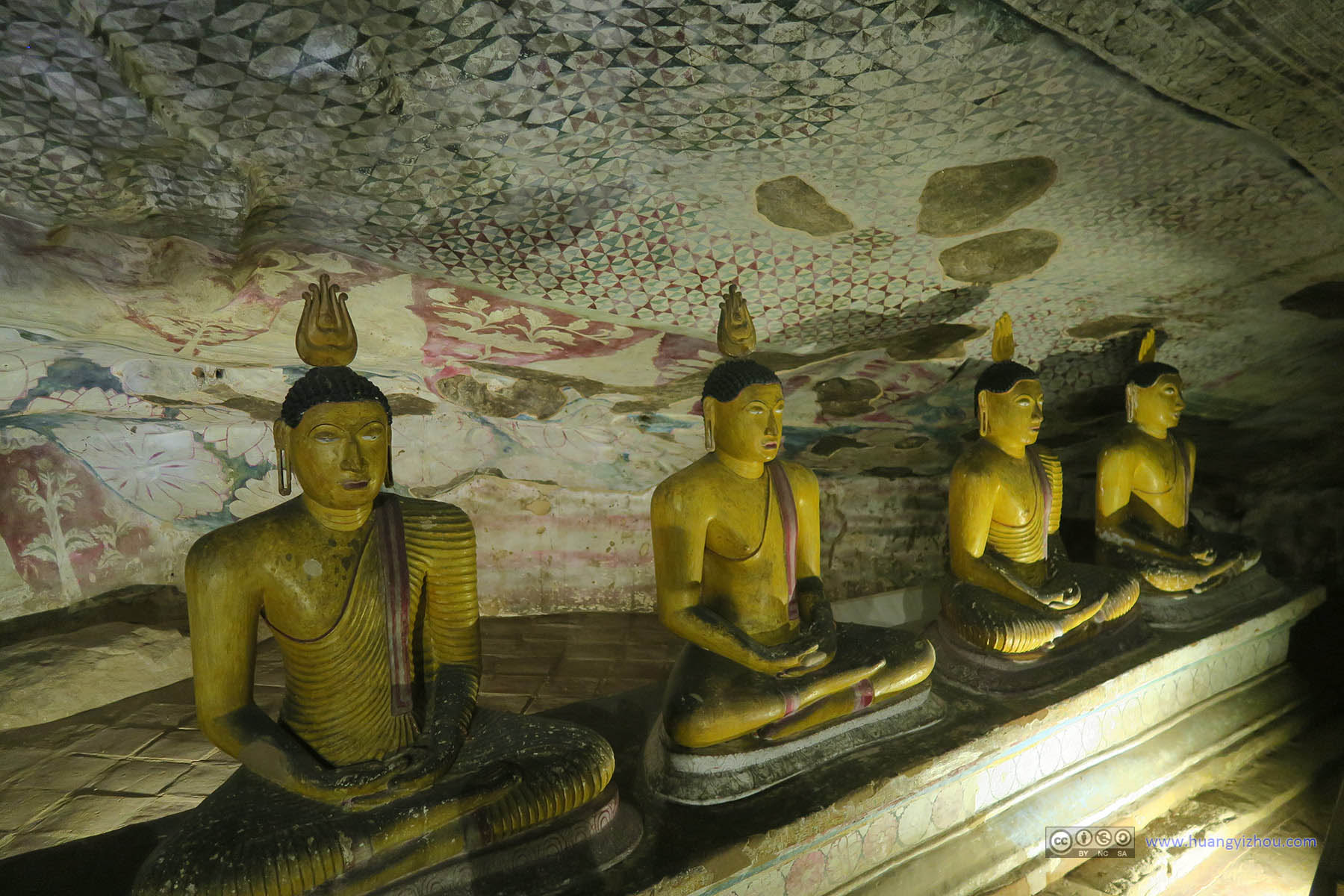
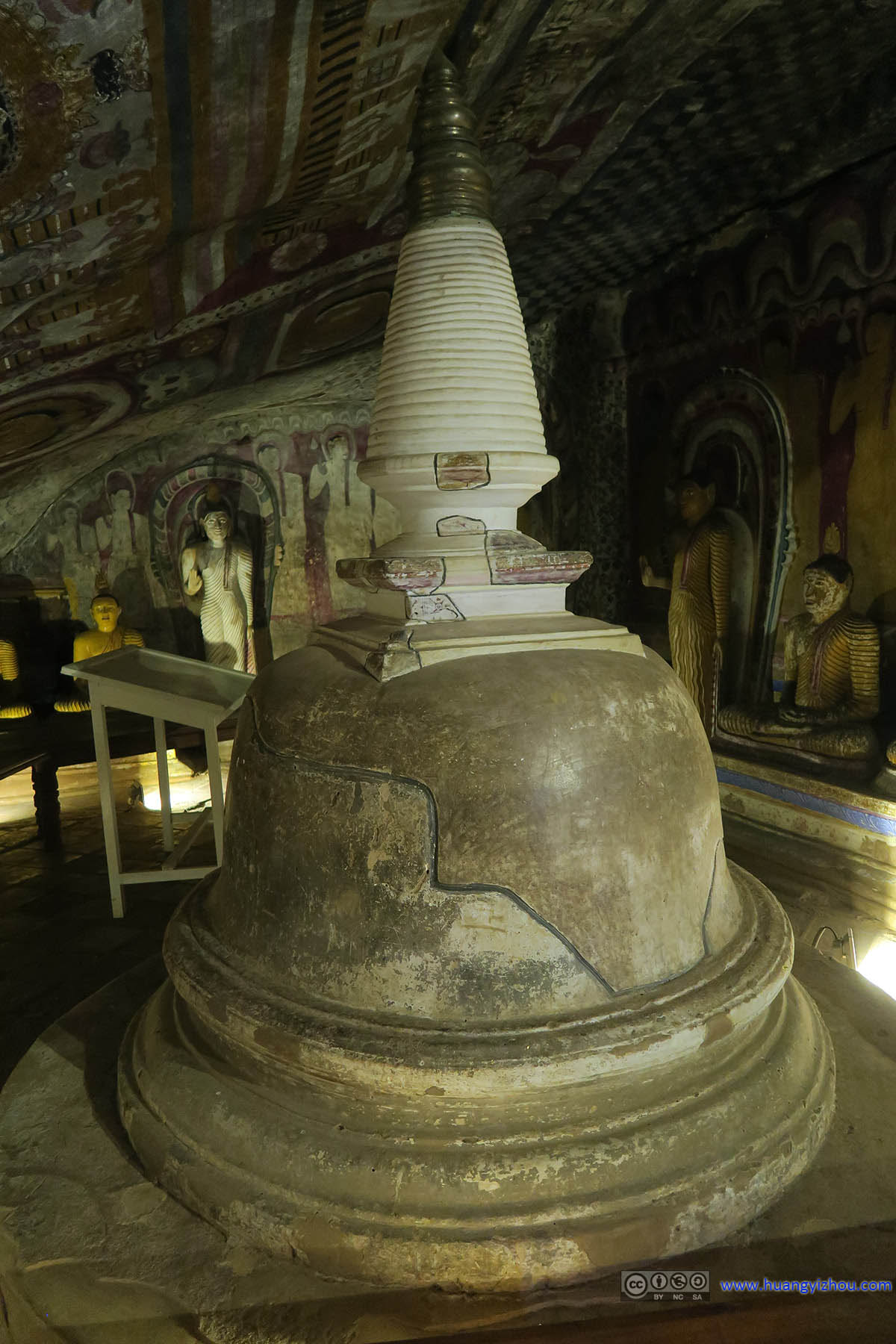
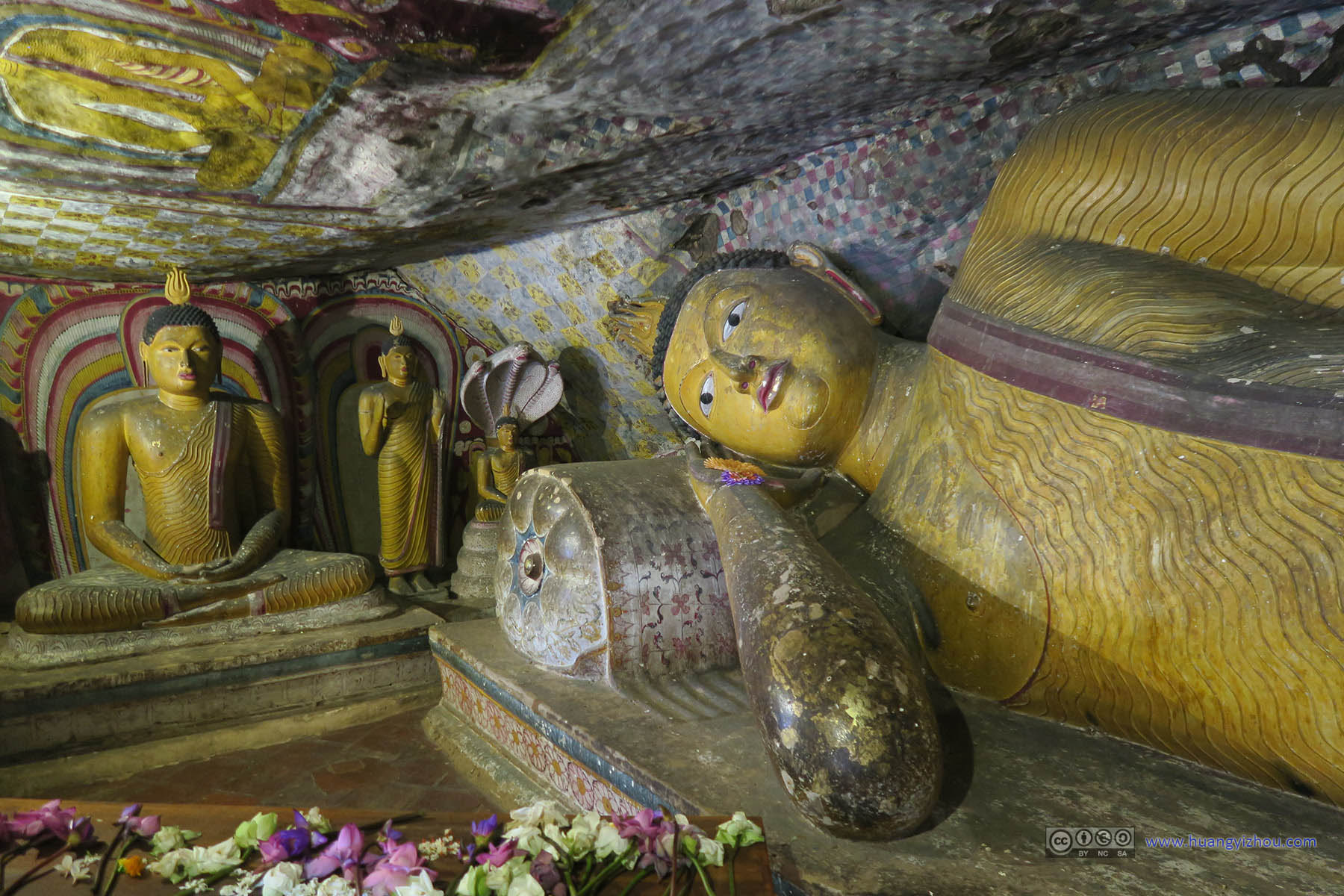
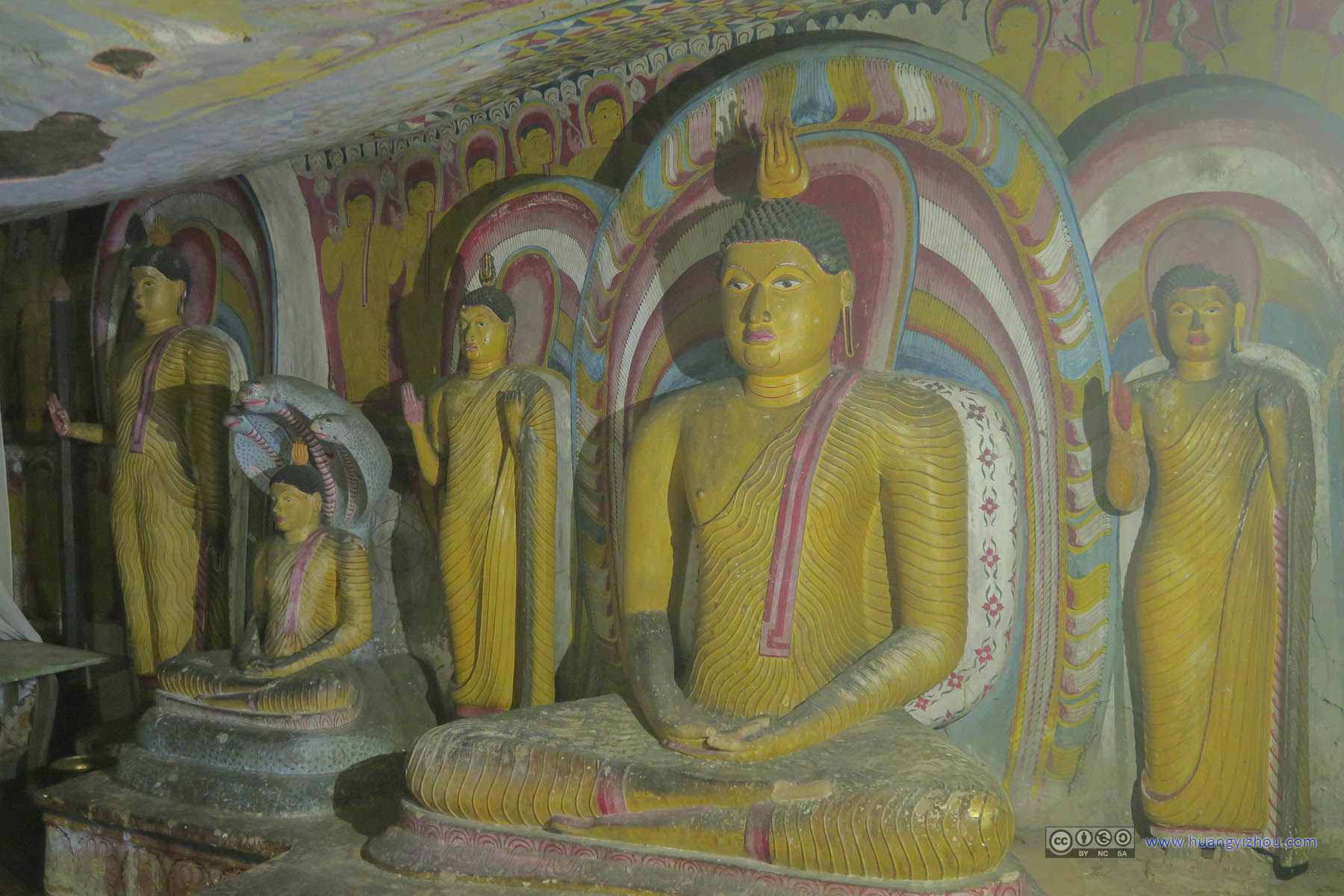
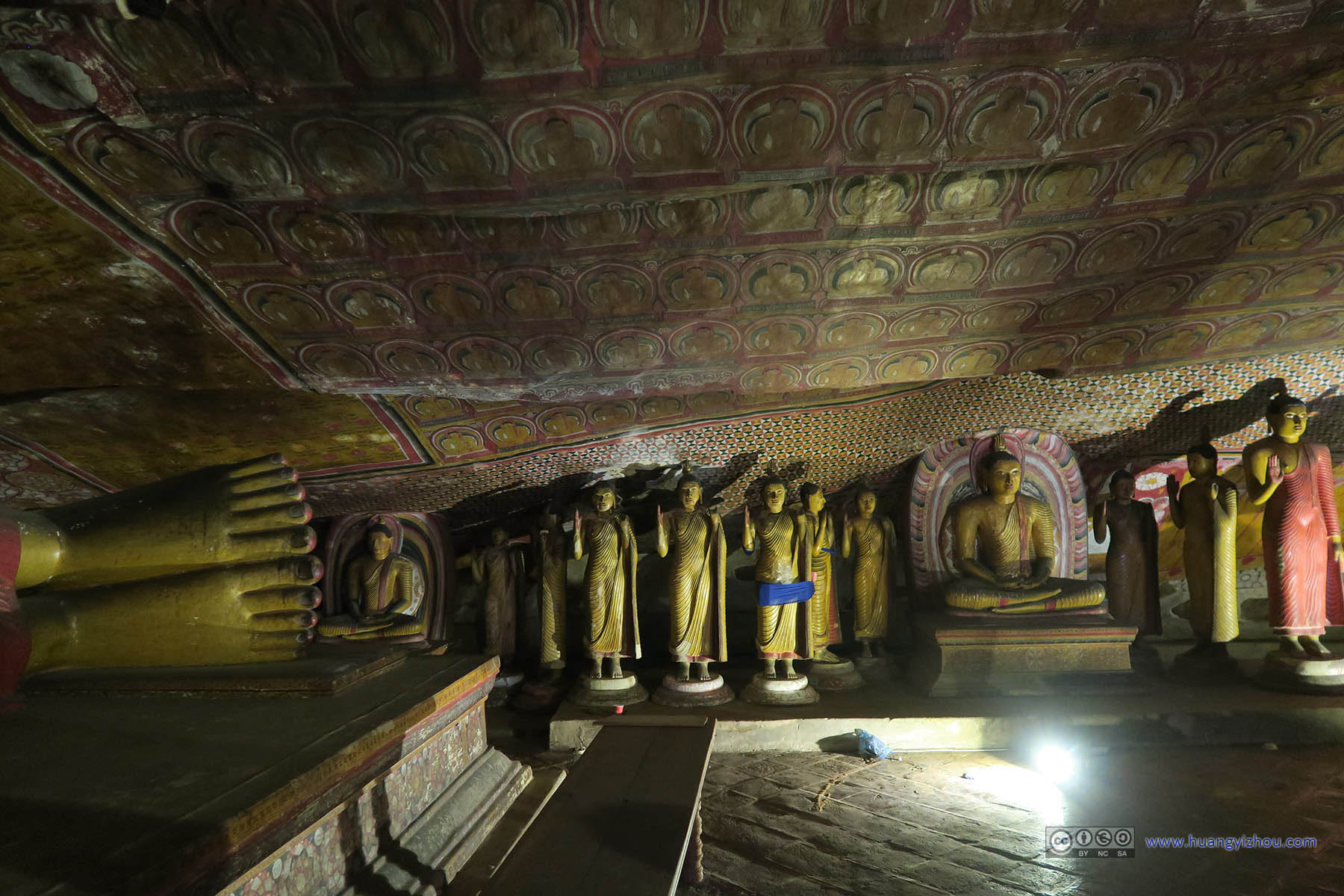
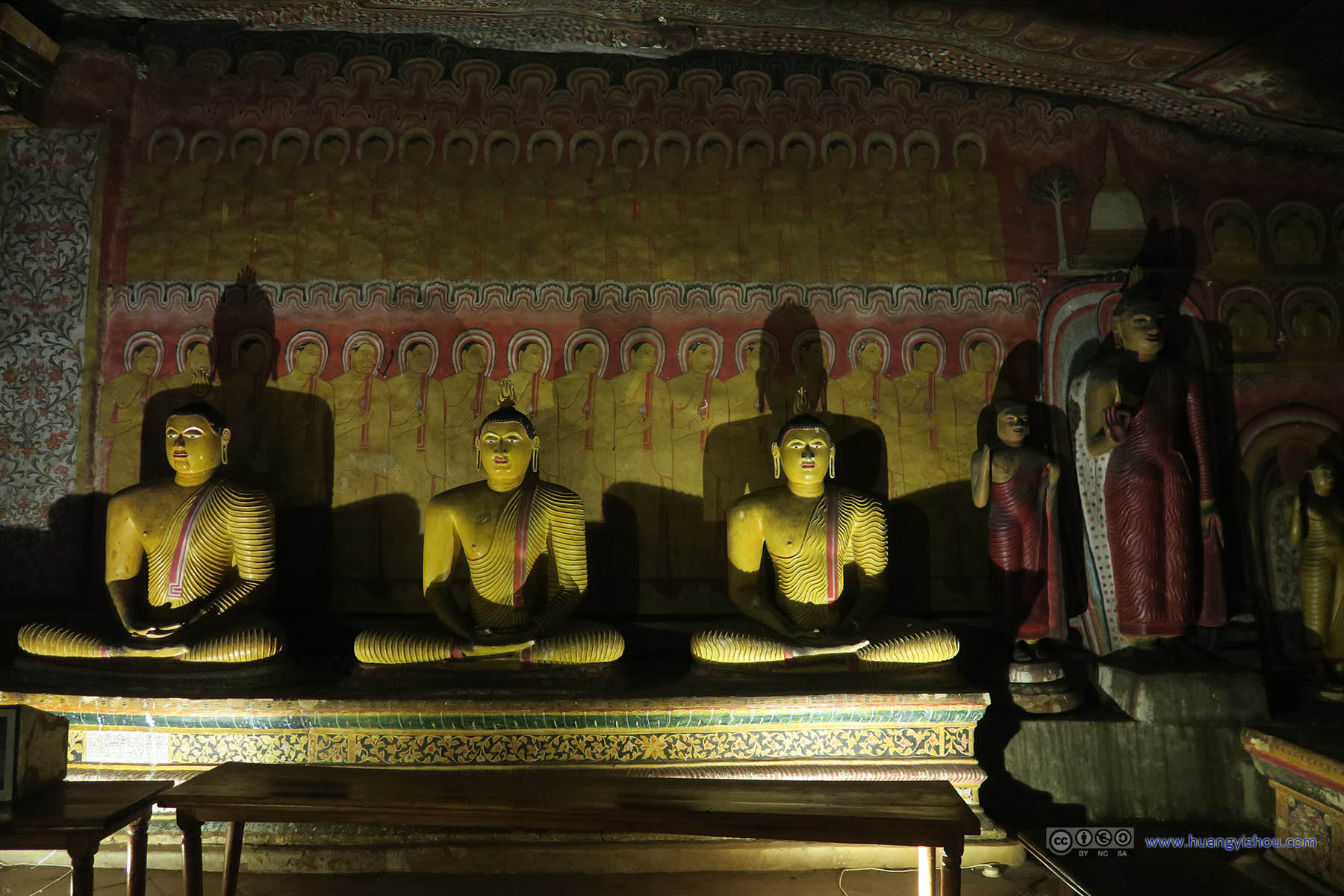
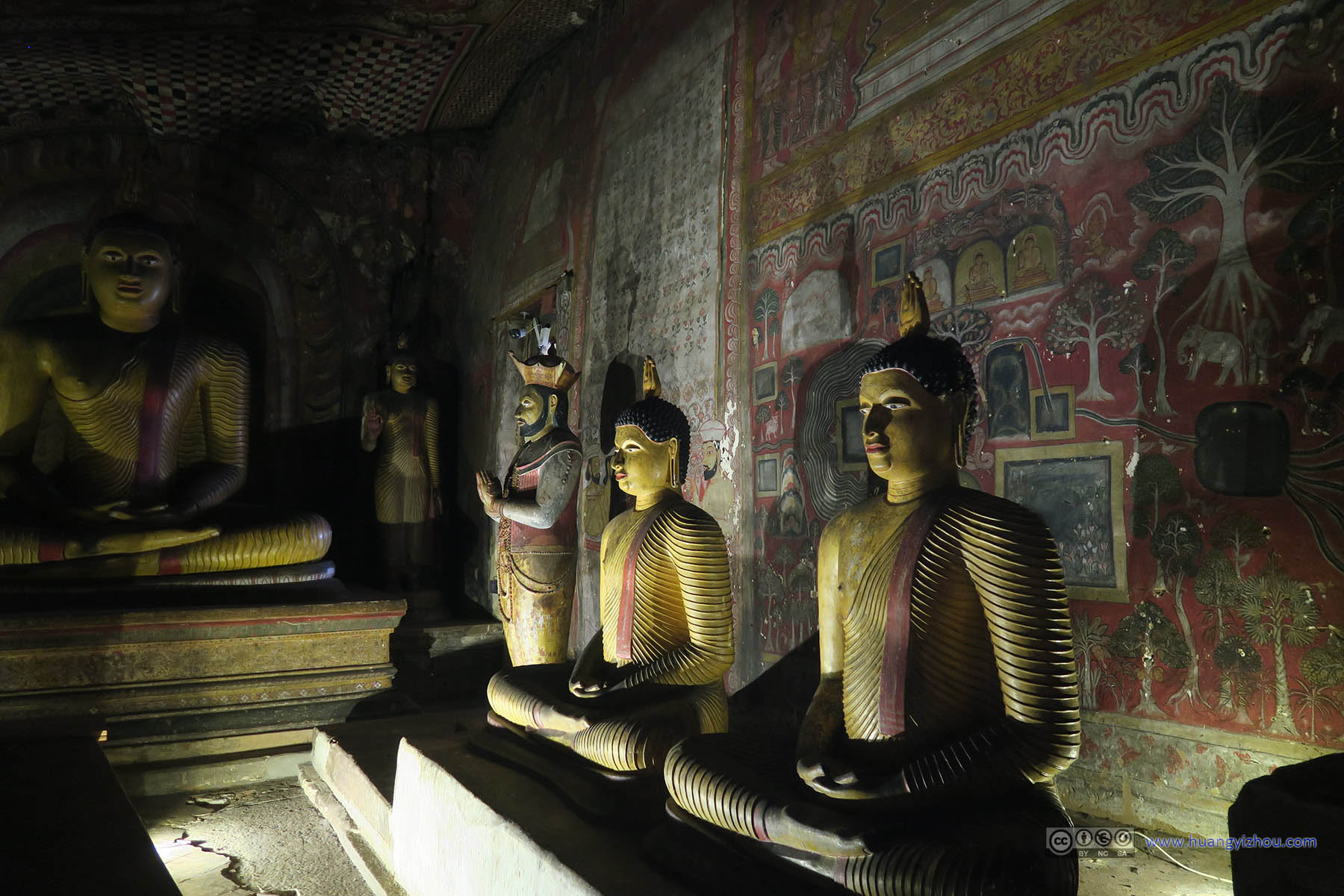
Buddha Statue
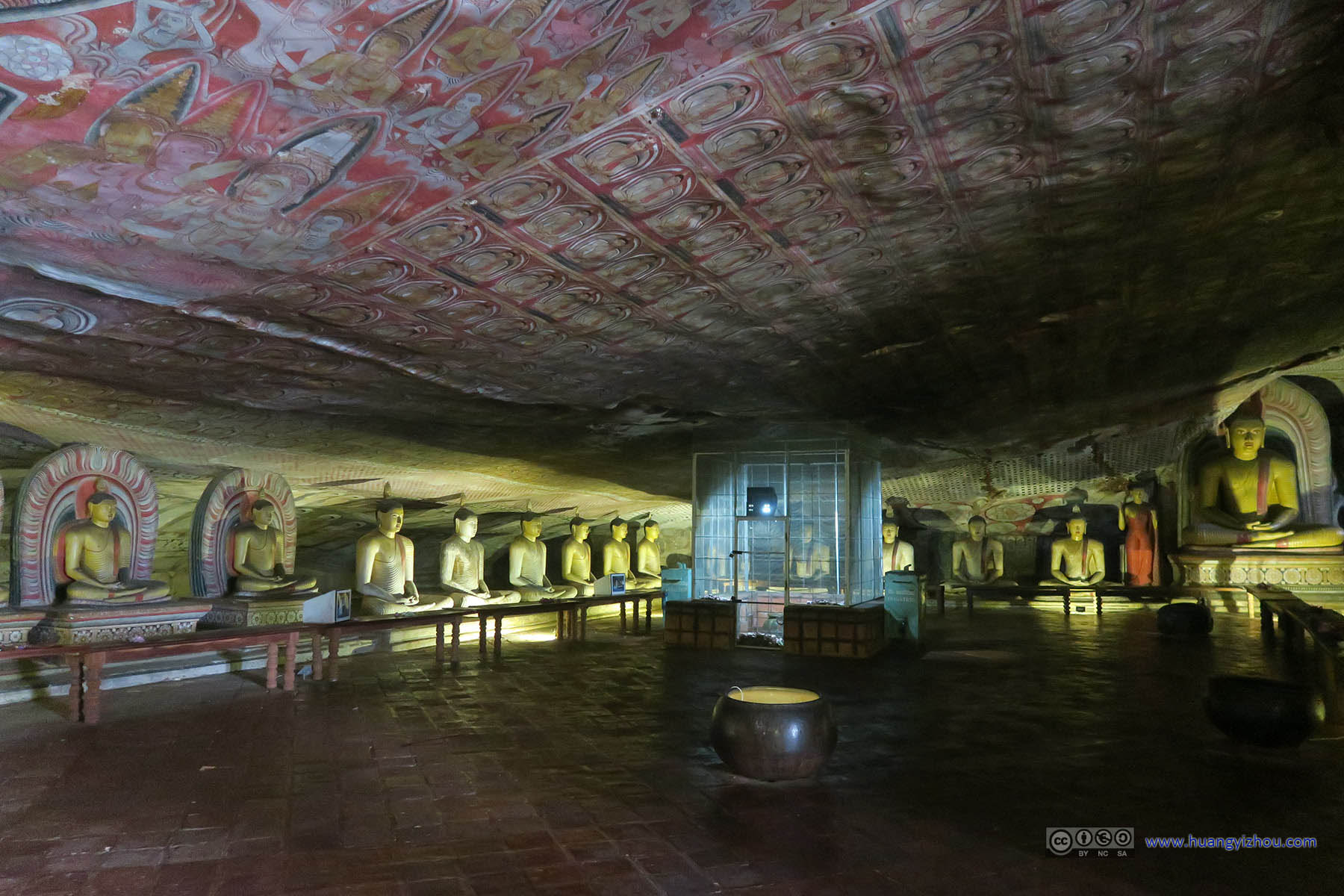
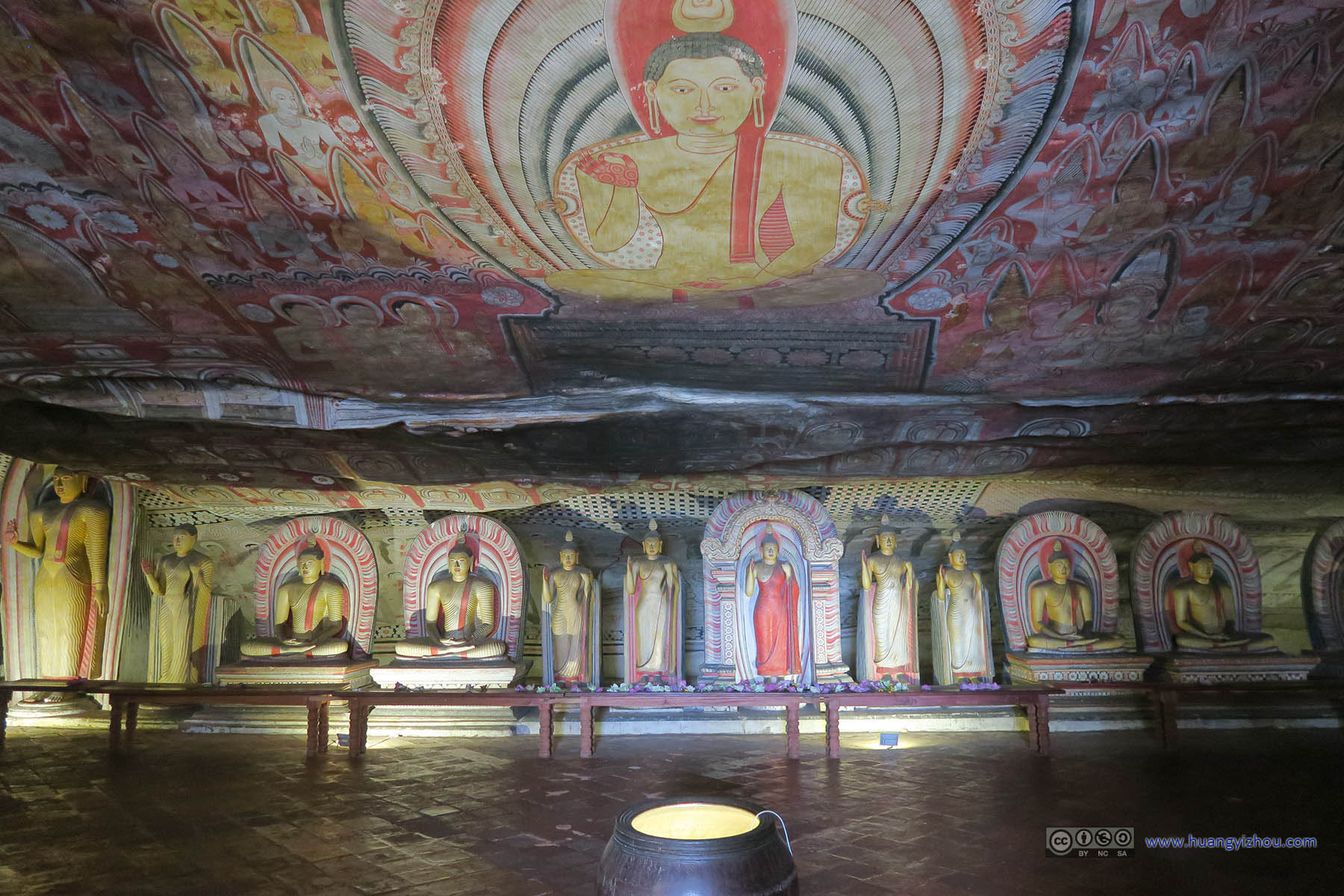
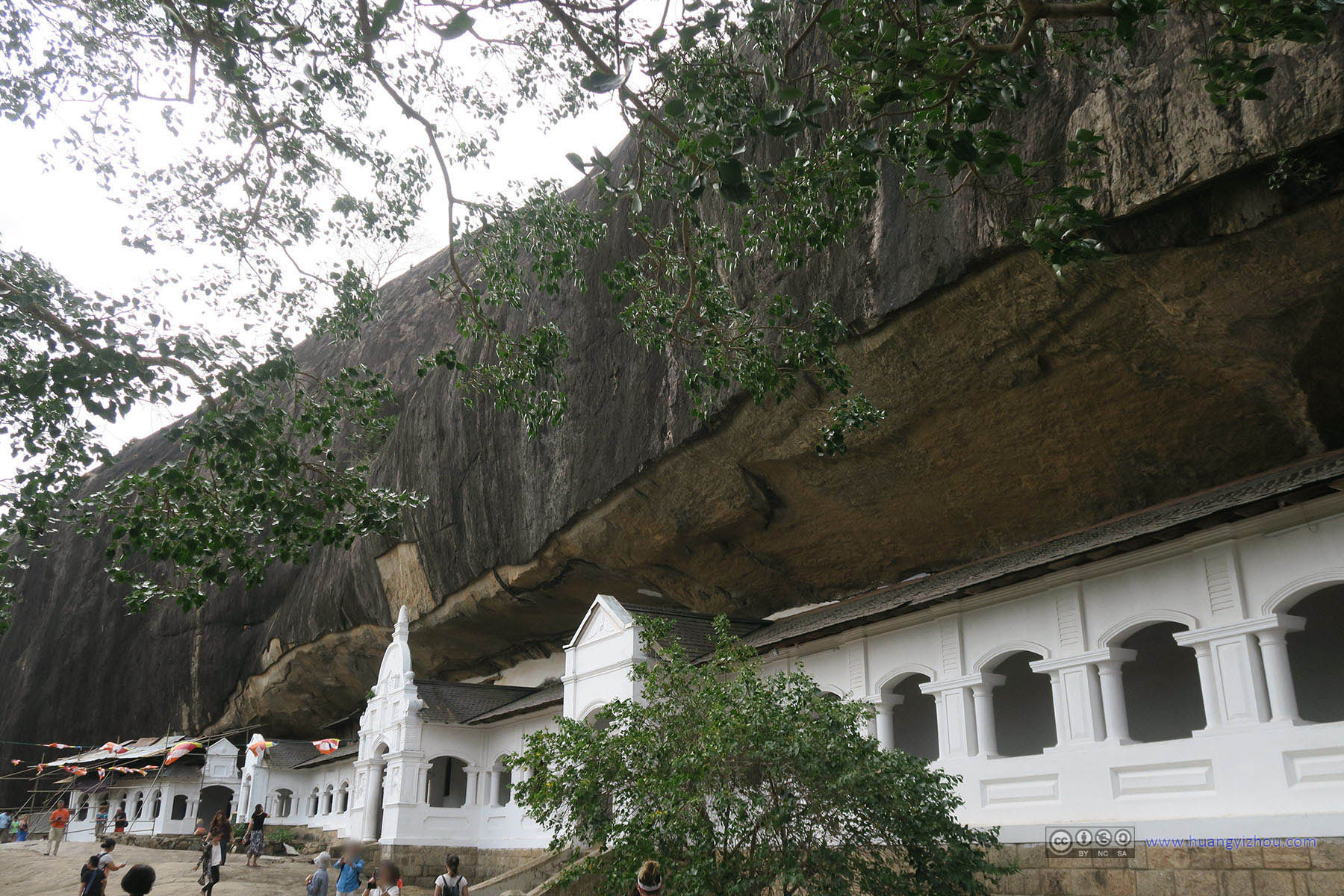
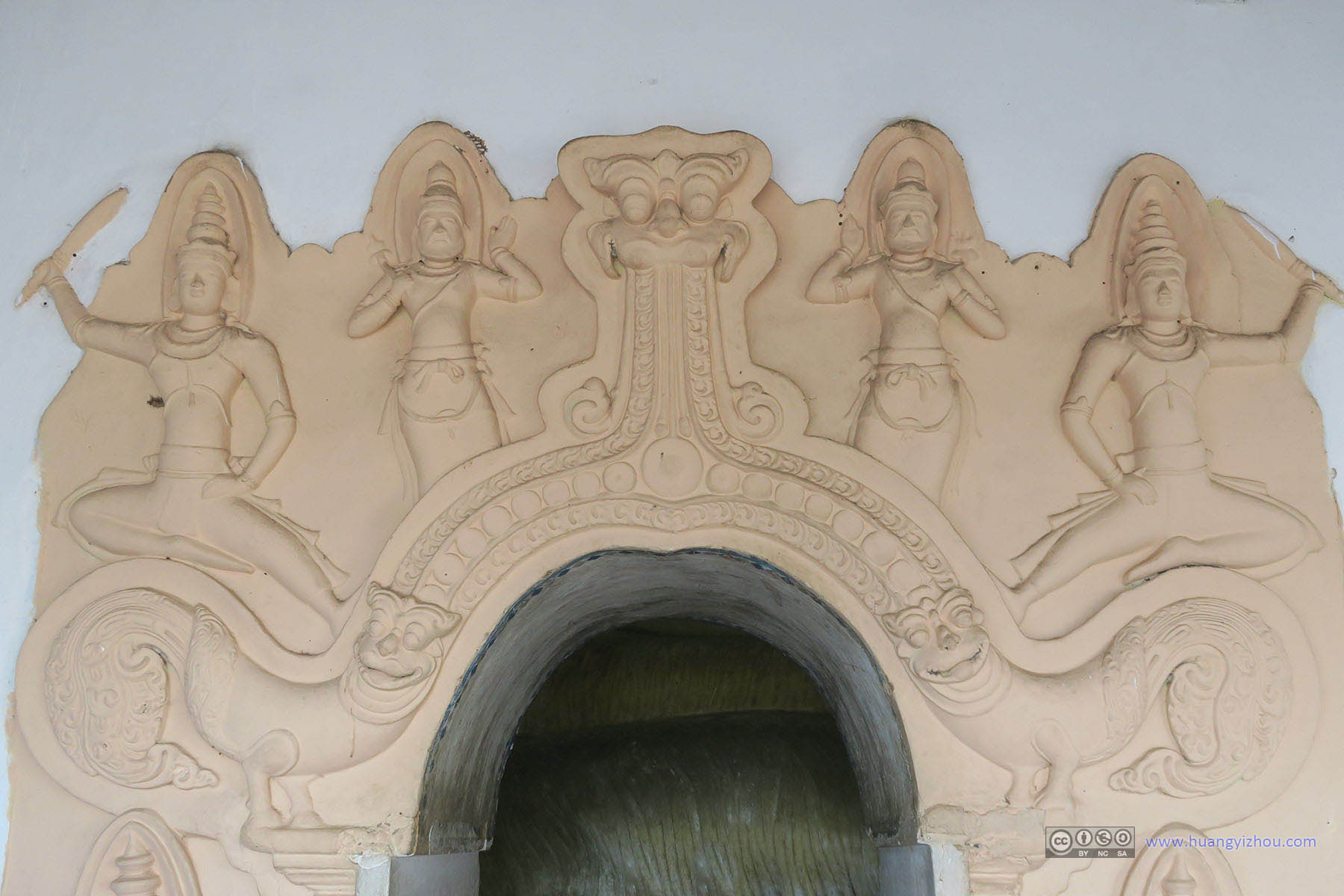
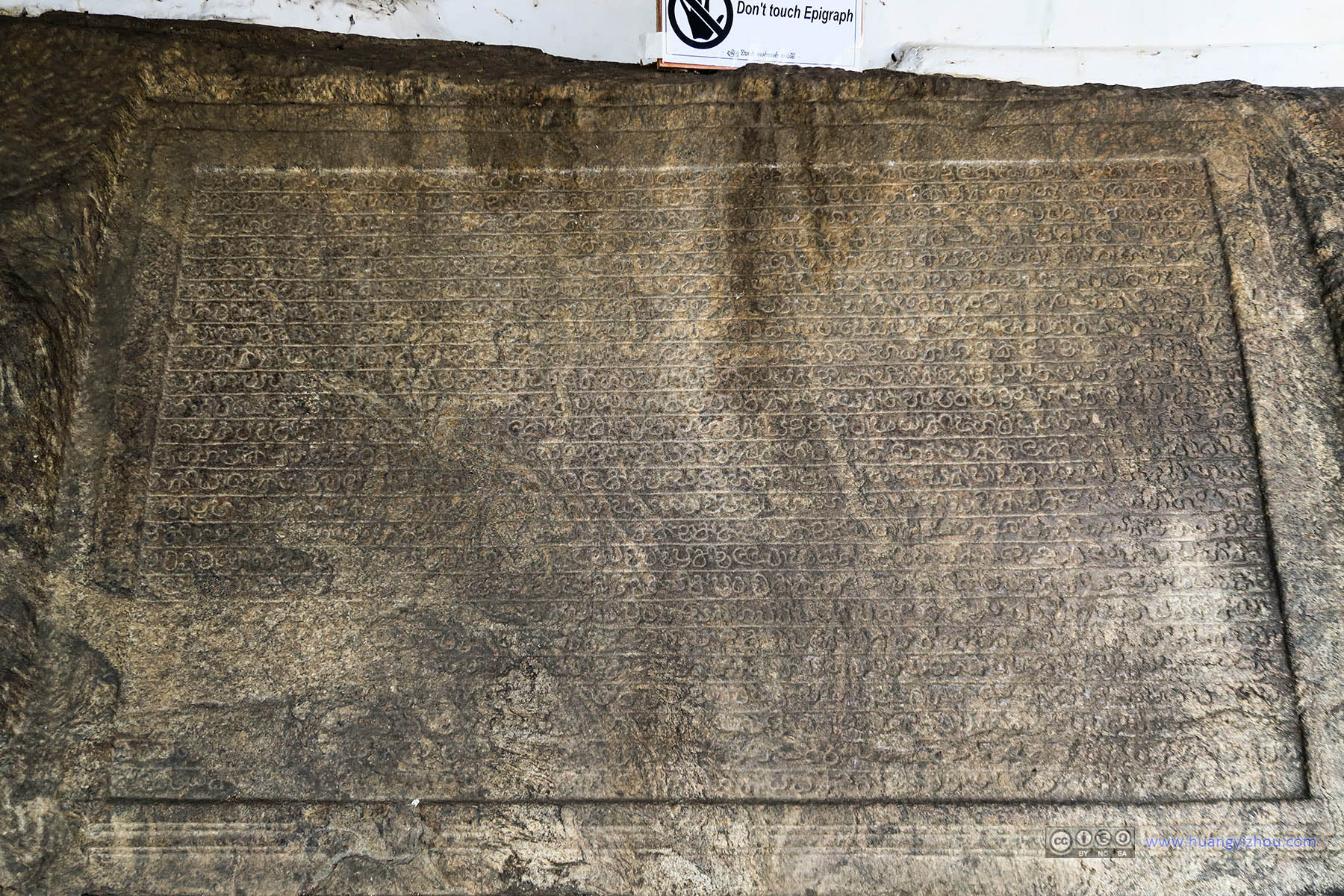
It records the services rendered by the King to Buddhism and his people. It mentions the unification of the monks of the three fraternities and his own pilgrimages and the conservation works carried out by him at the sacred sites including the Dambulla temple.
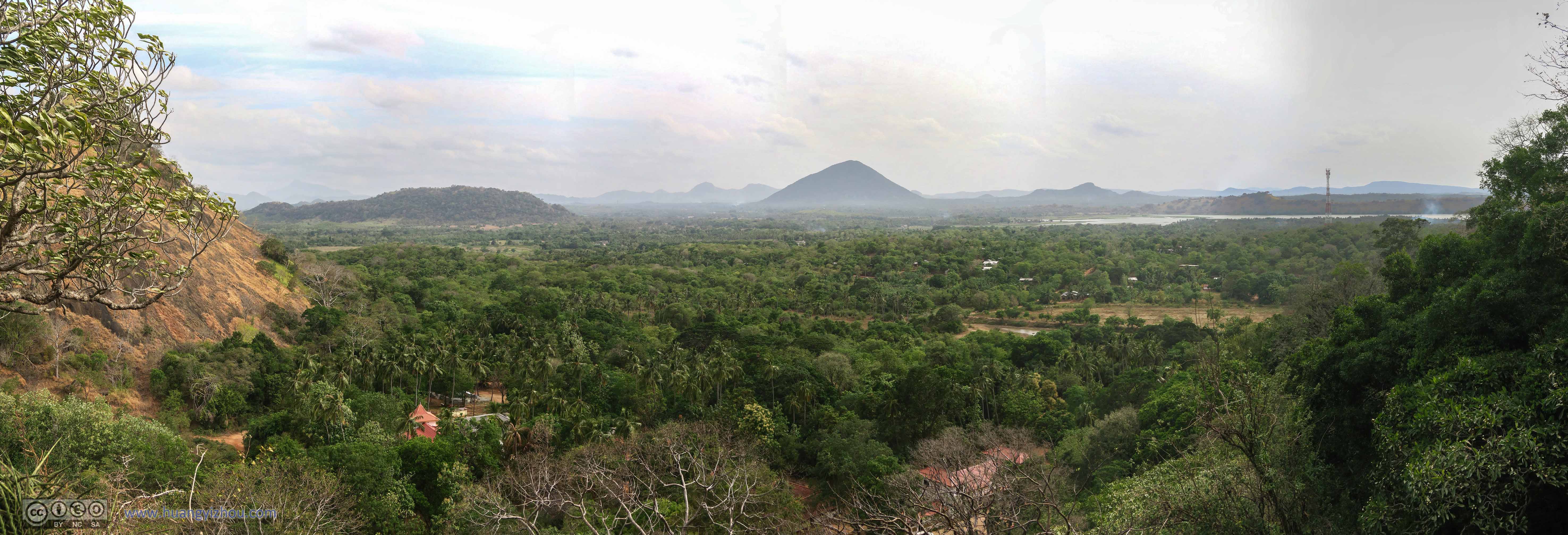
After that it's nearly 4pm, so we were on our way to Kandy. We reached Kandy a little past 6pm.
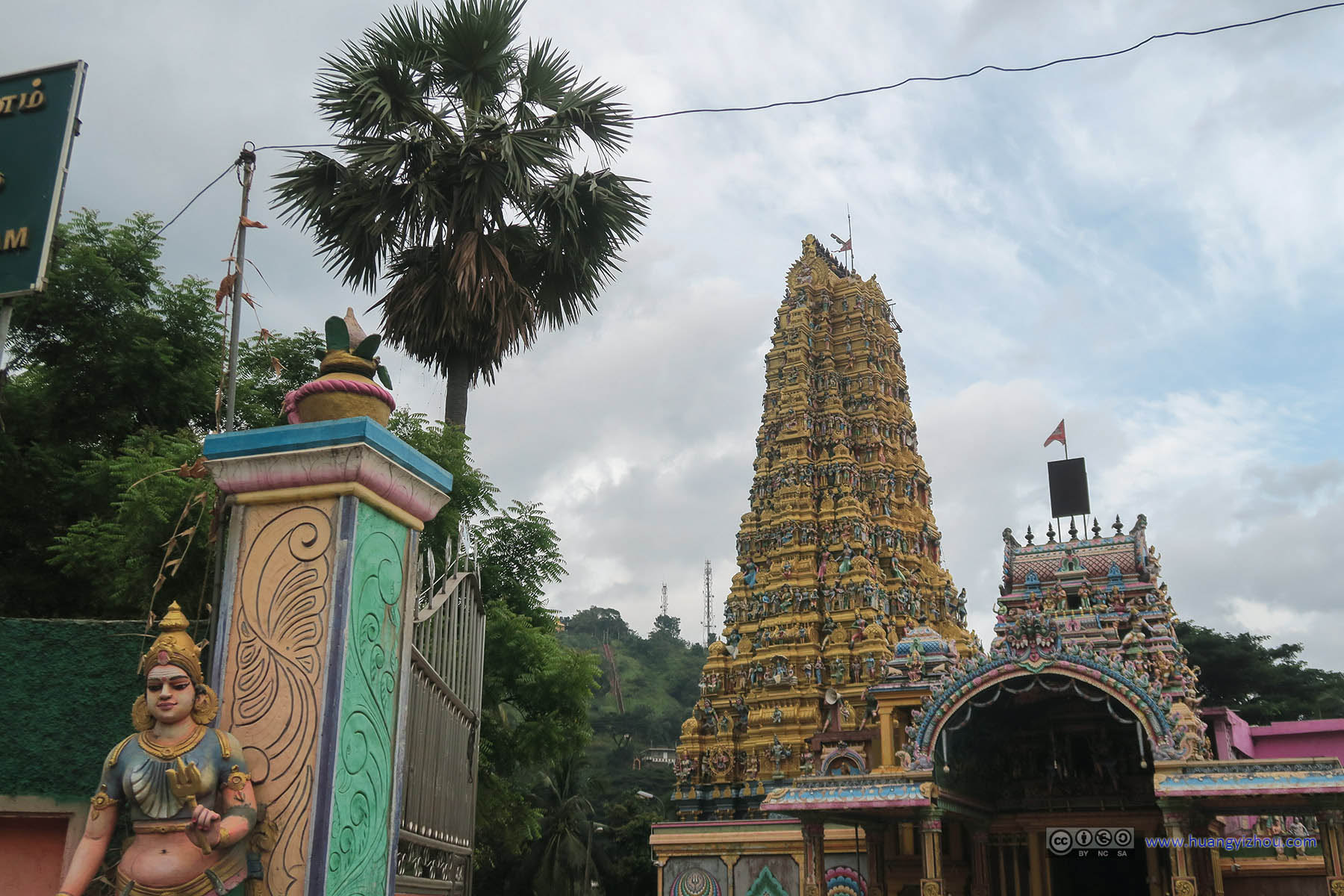
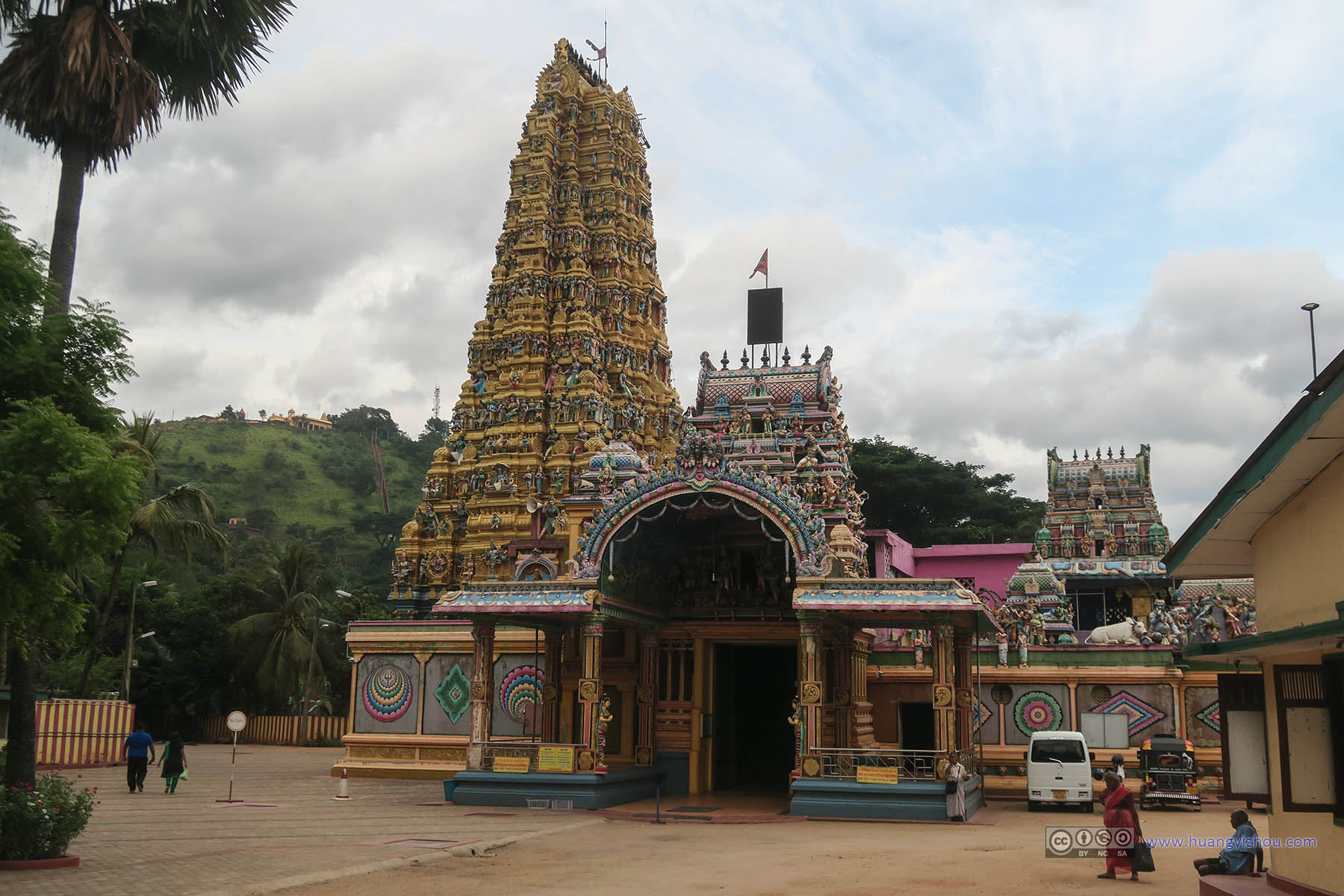
A Hindu Temple that our driver was eager to introduce to us.
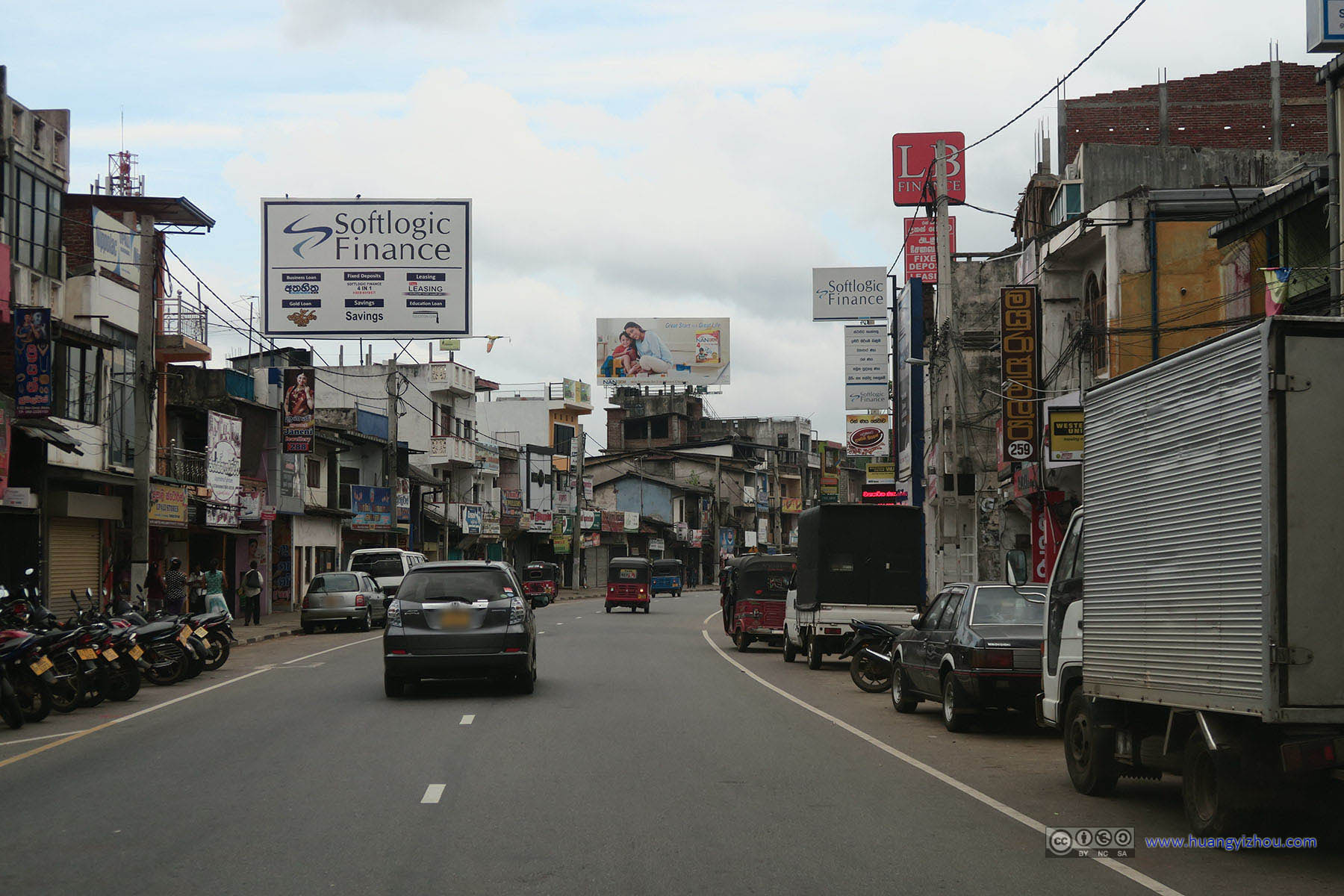
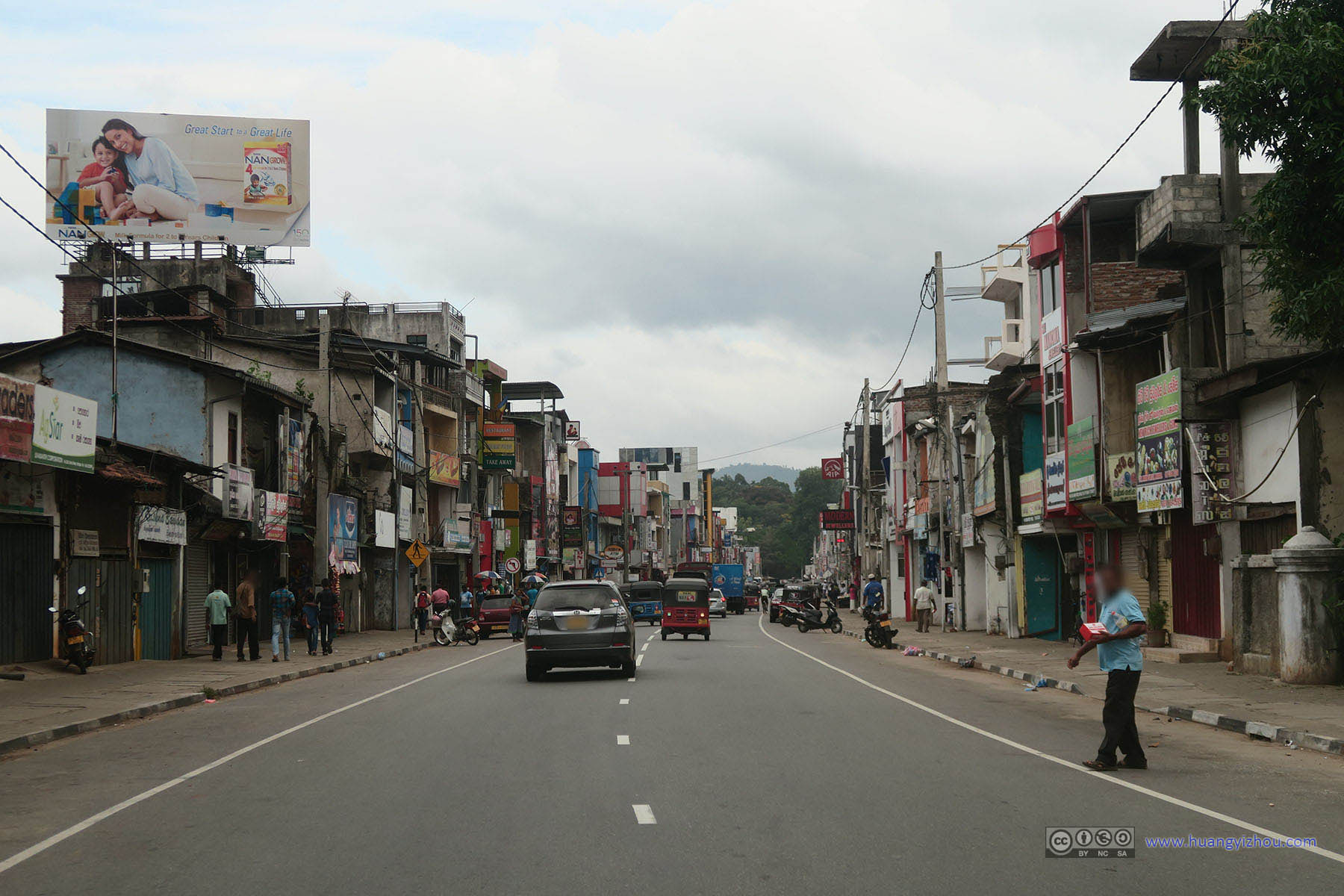
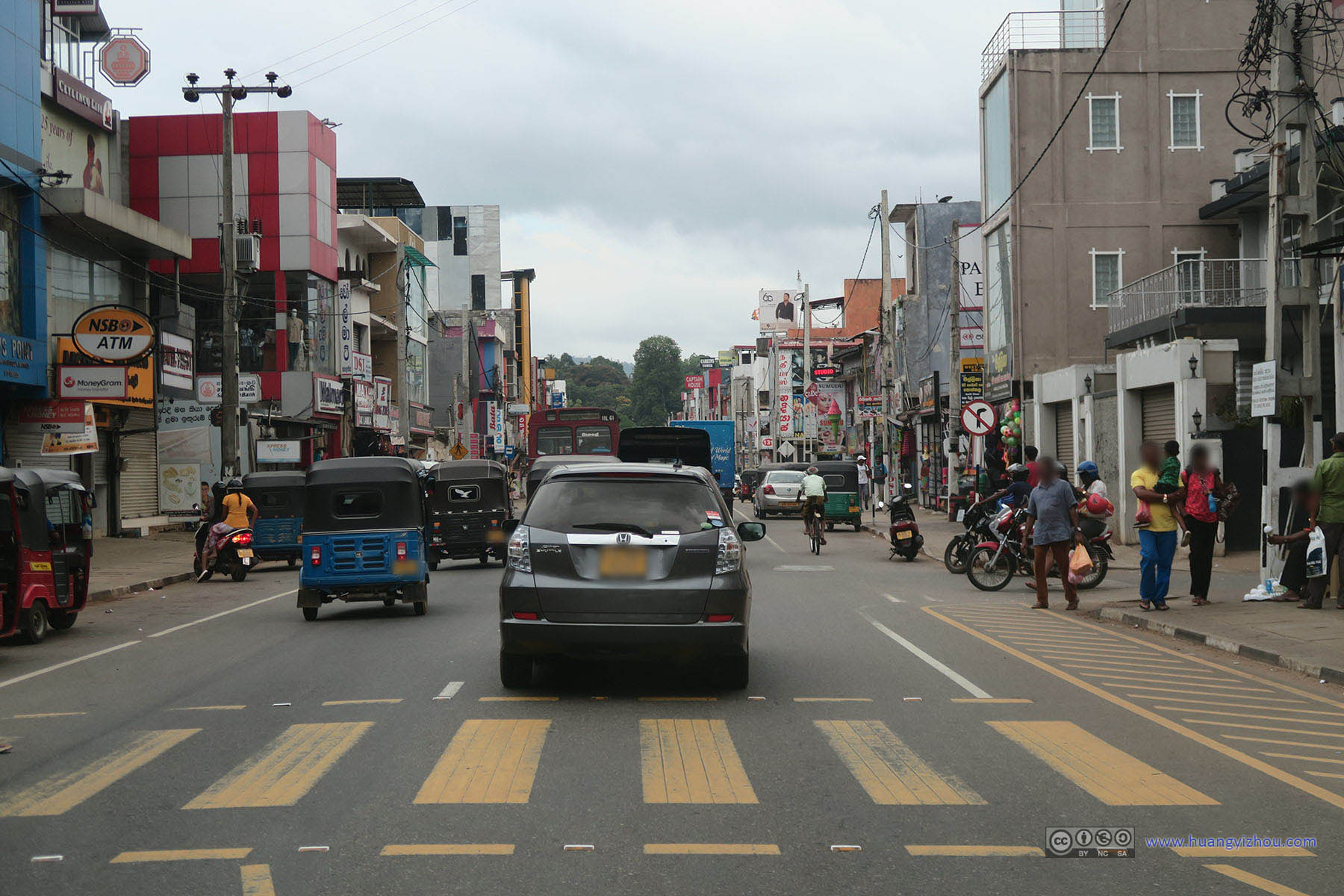
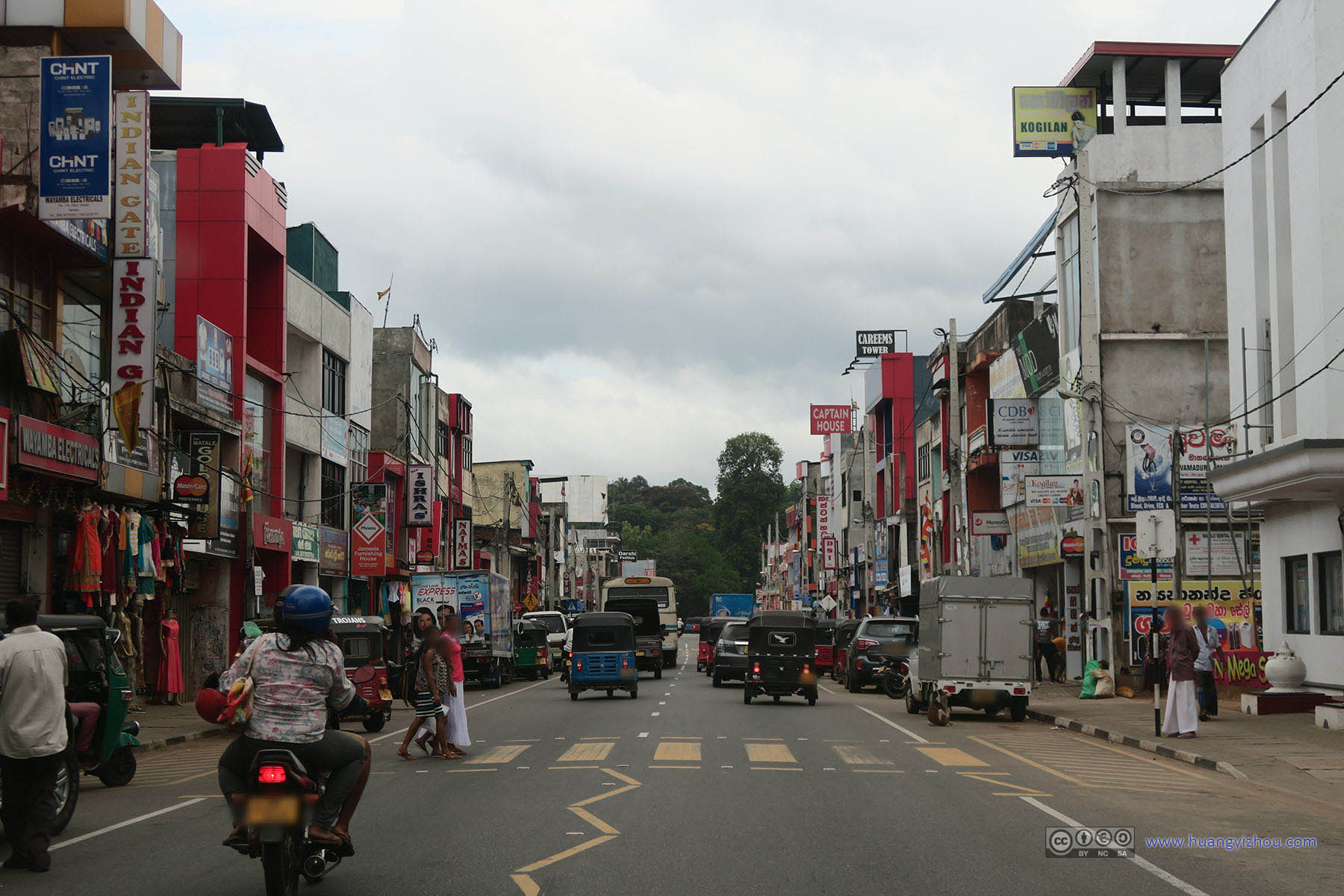
Matale
Driving on these roads reminds me of the good old computer game of Road Rash.
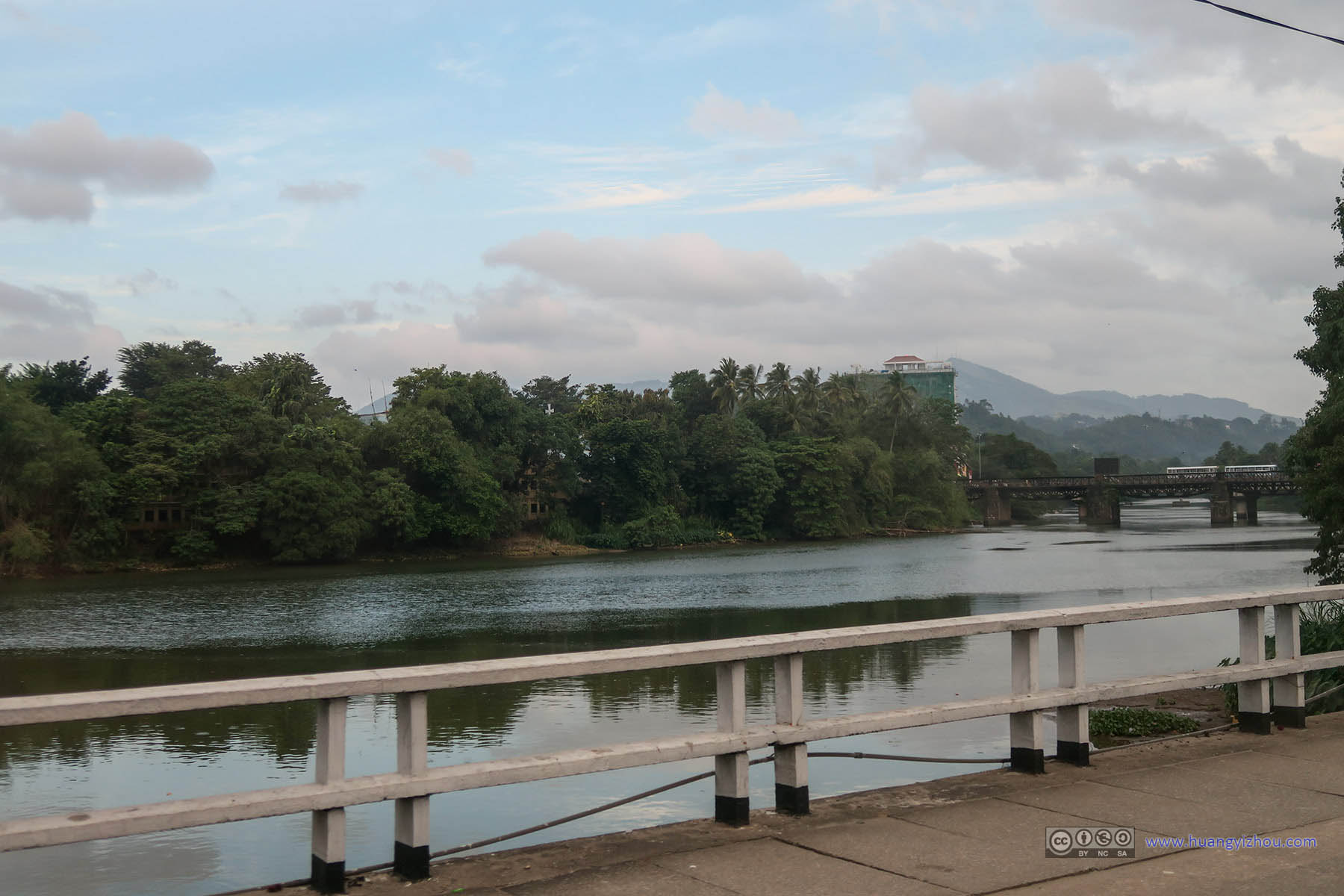
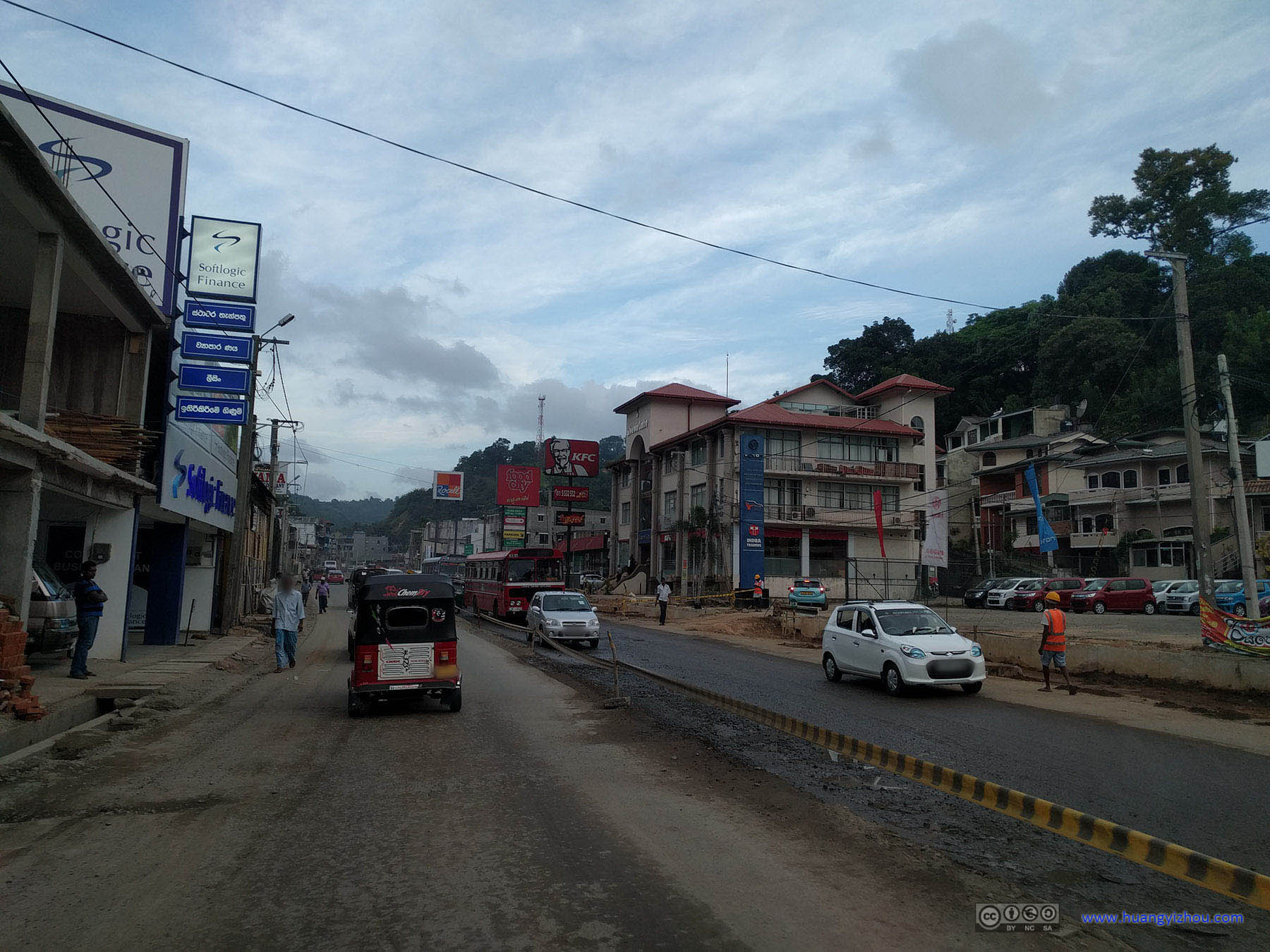
There was some roadwork going on in outer Kandy that day.
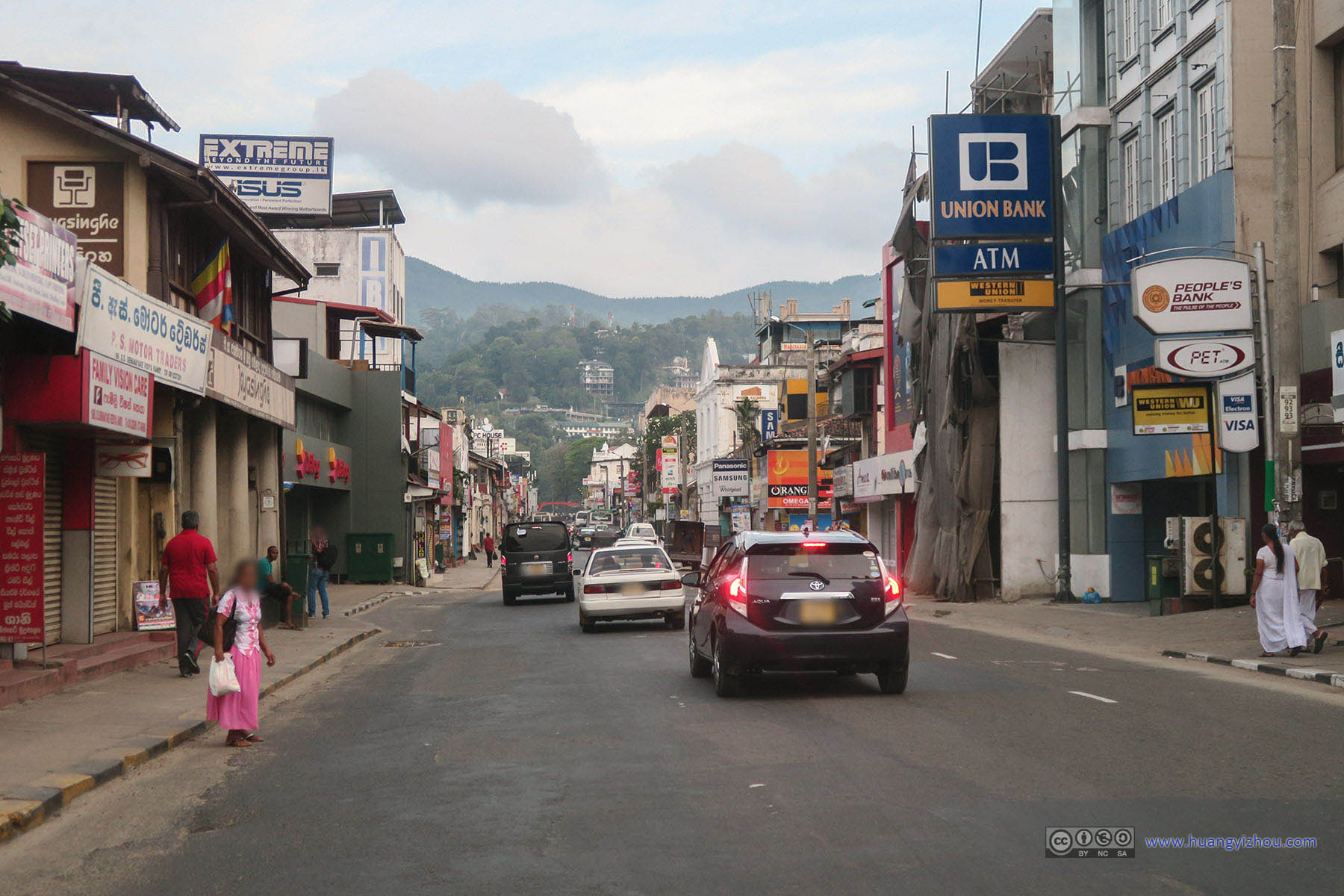
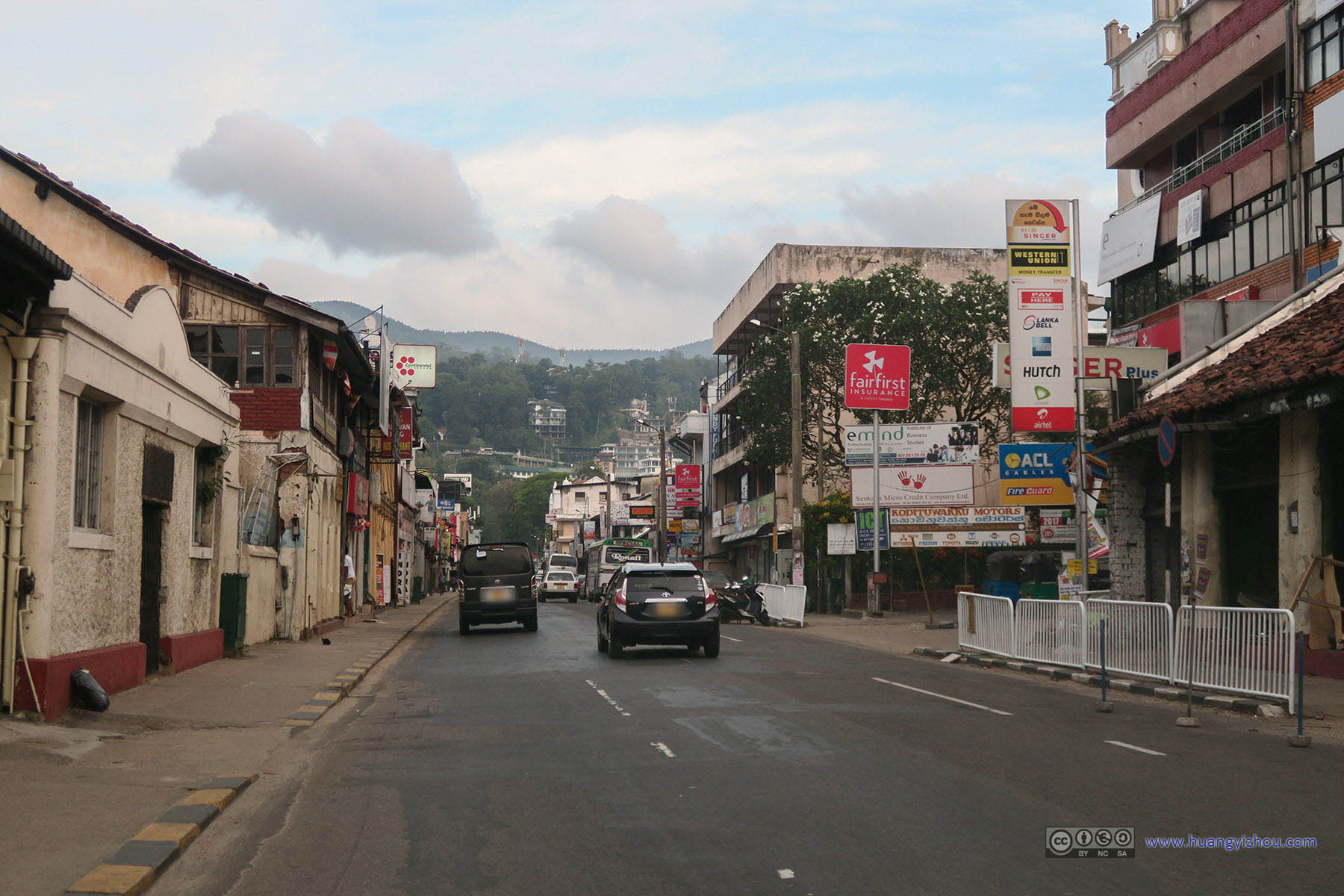
One thing that surprised me, it's only 6pm and the shops along this main street of such a major city were mostly closed.
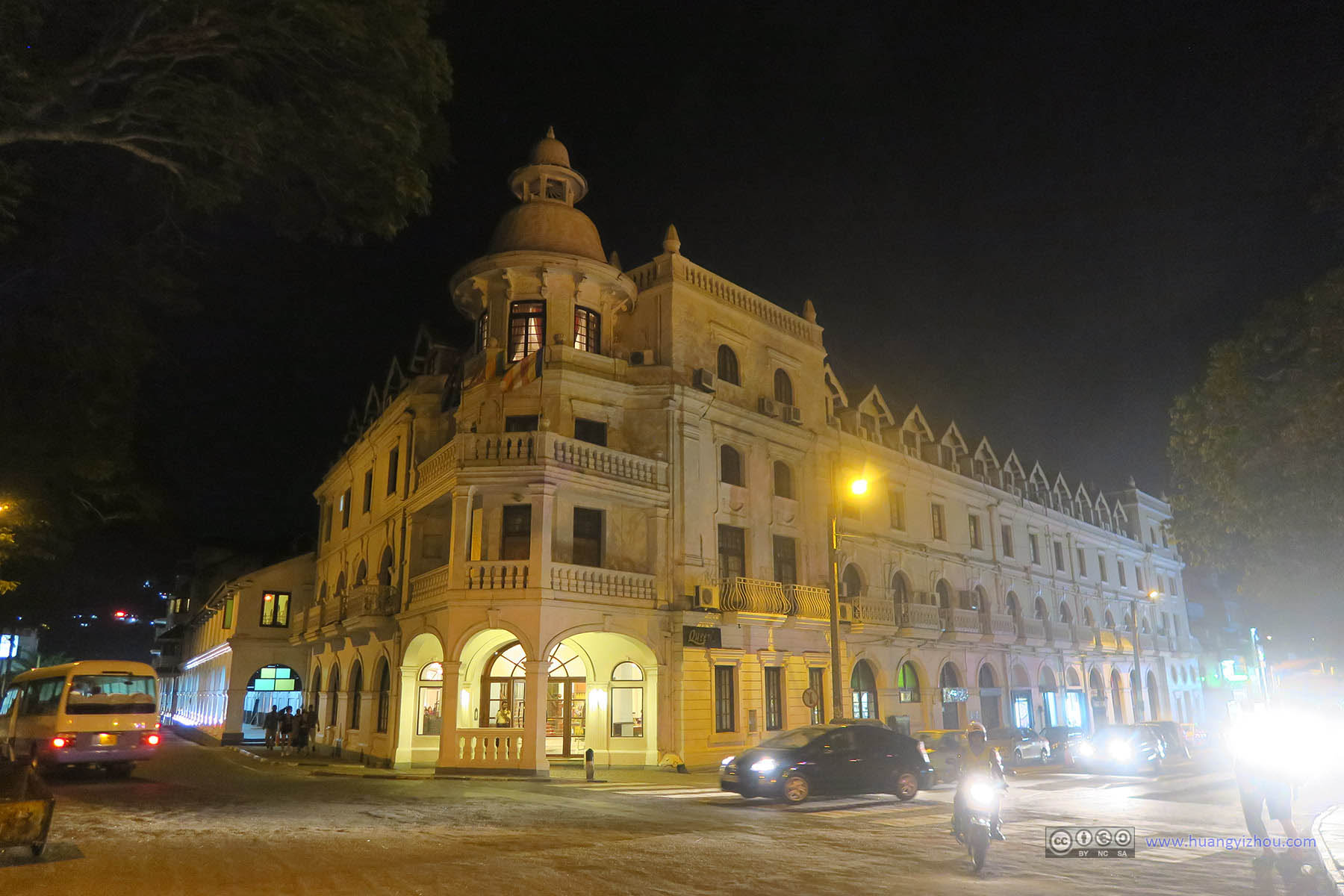
After that, we settled down in our spacious apartment, and took our driver out for dinner.
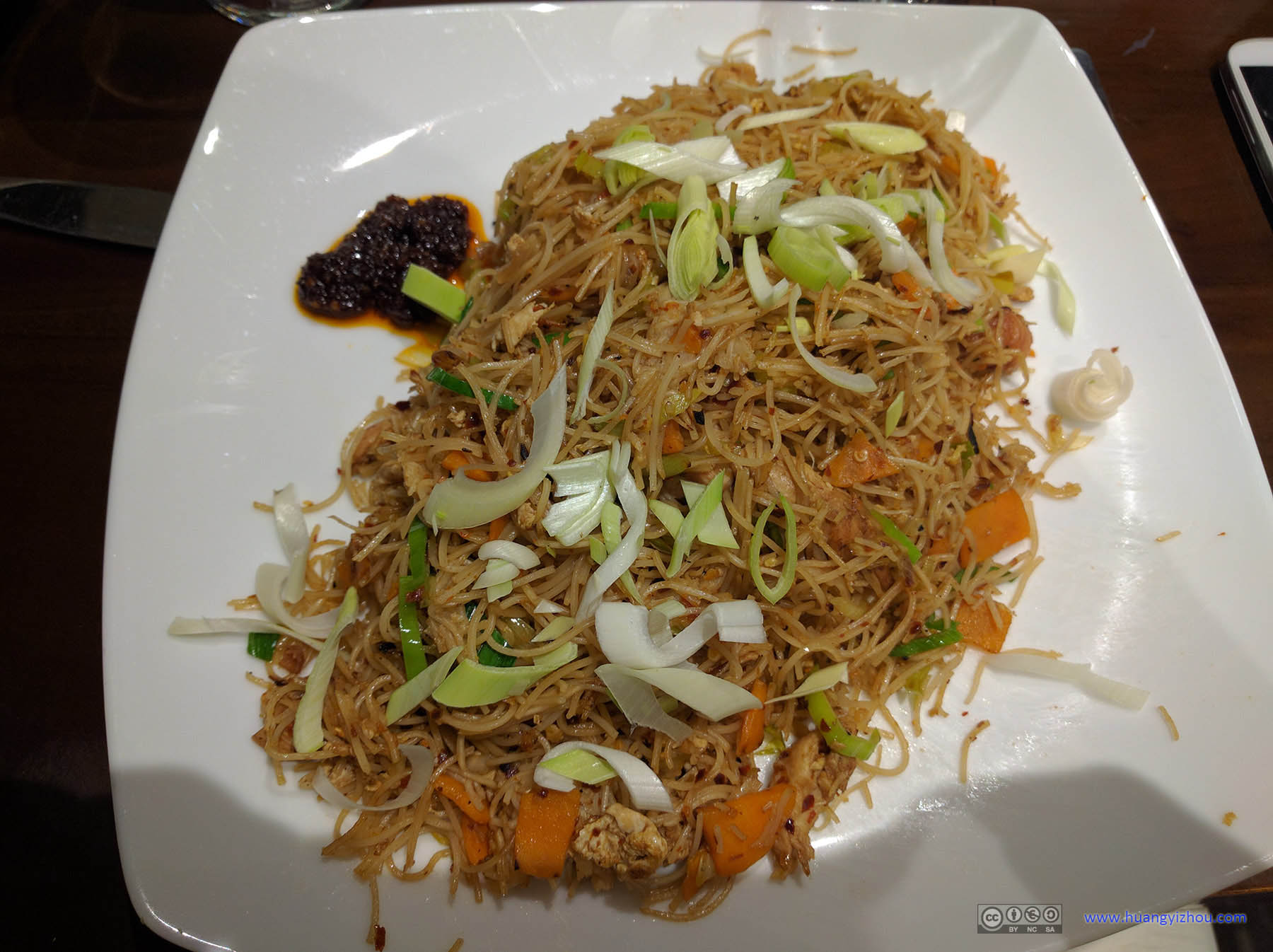
Chicken noodles, which was nice. I even began to try out spices.
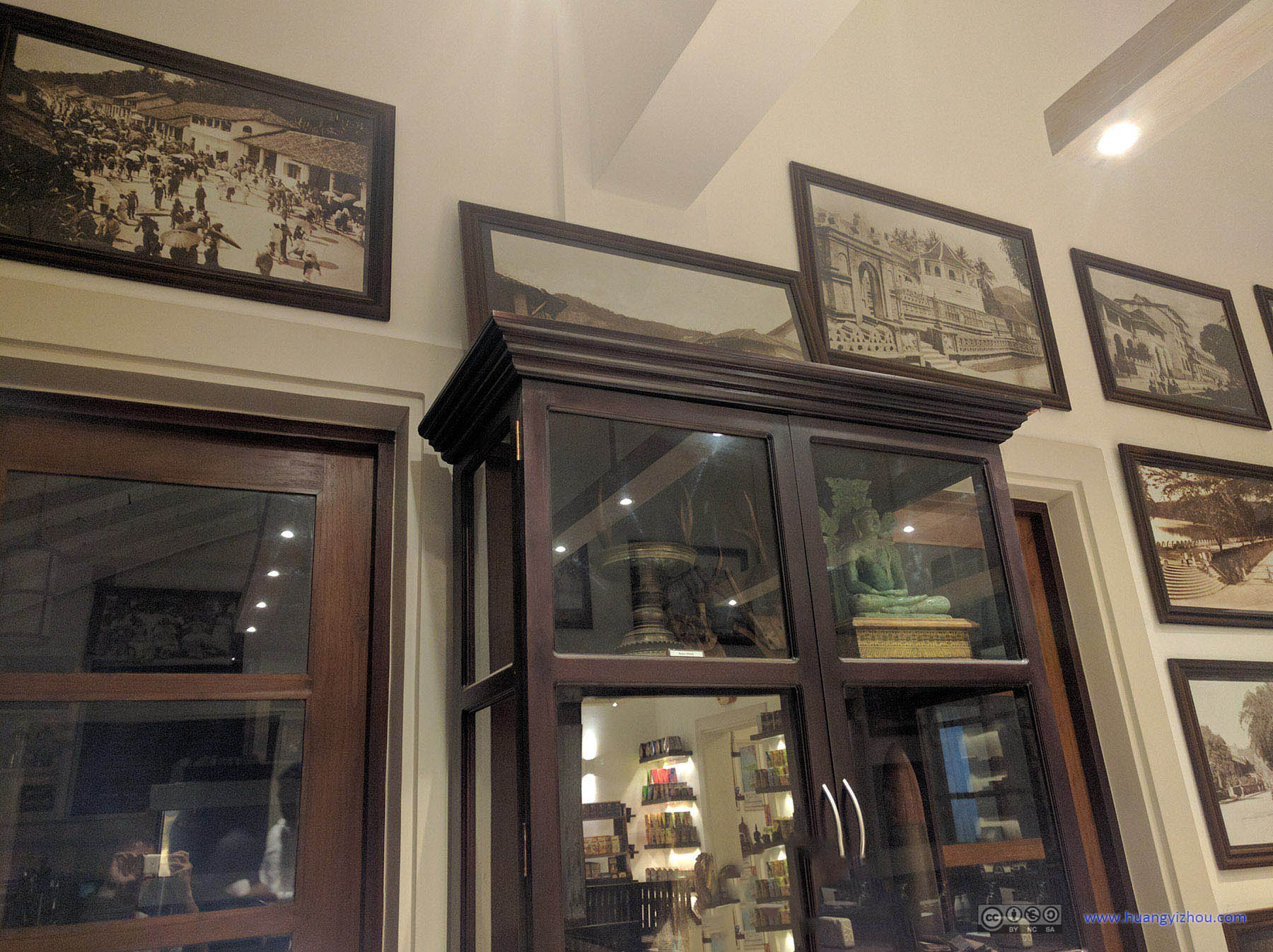
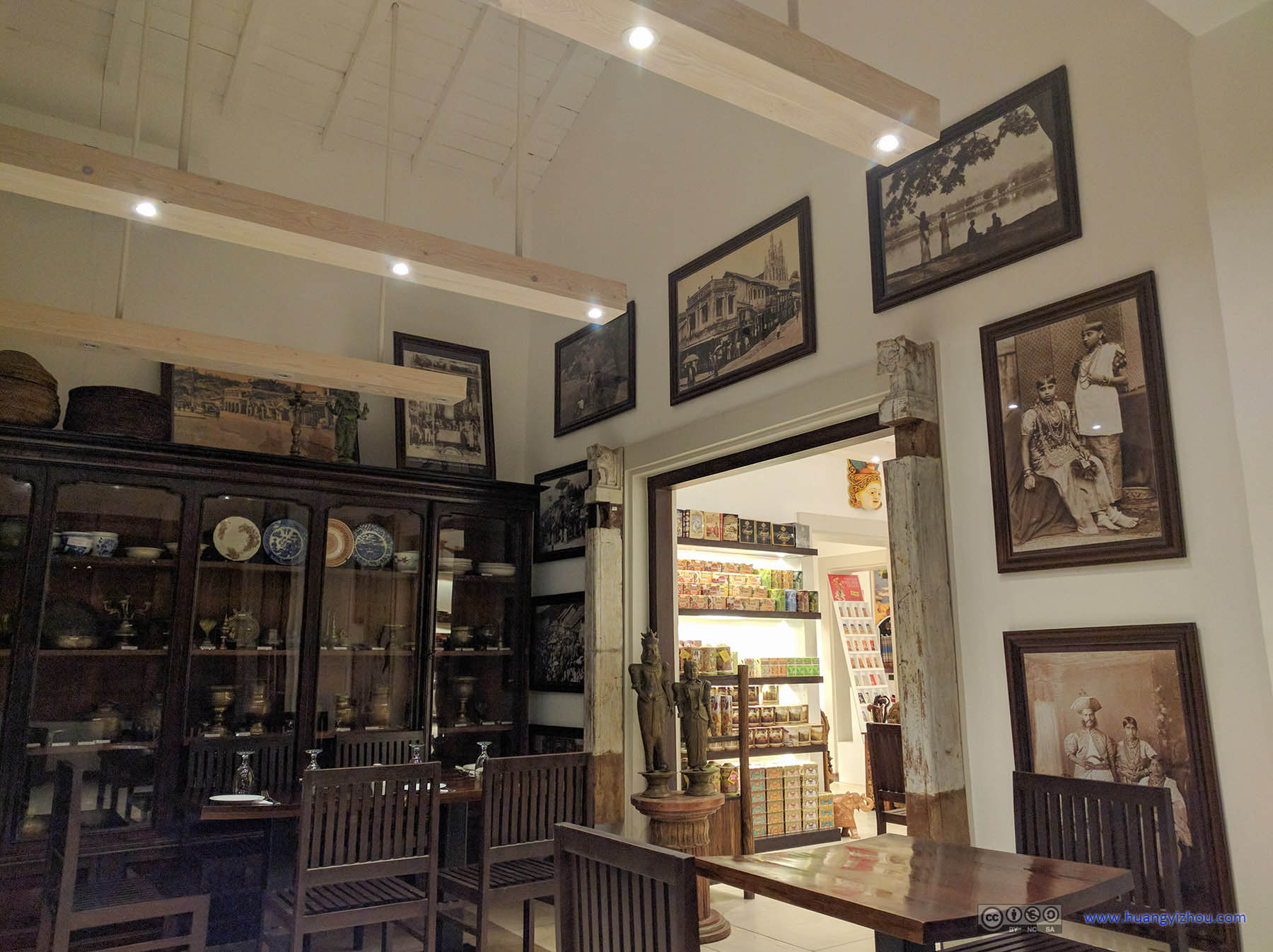
A chic restaurant by the Temple of the Tooth with decorations of photos dating back to colony period.
The convenience of Kandy as a city was that, for the first time in our journey in Sri Lanka we actually saw a proper supermarket. Although this country was so underdeveloped that prices were, in our opinion, staggering.
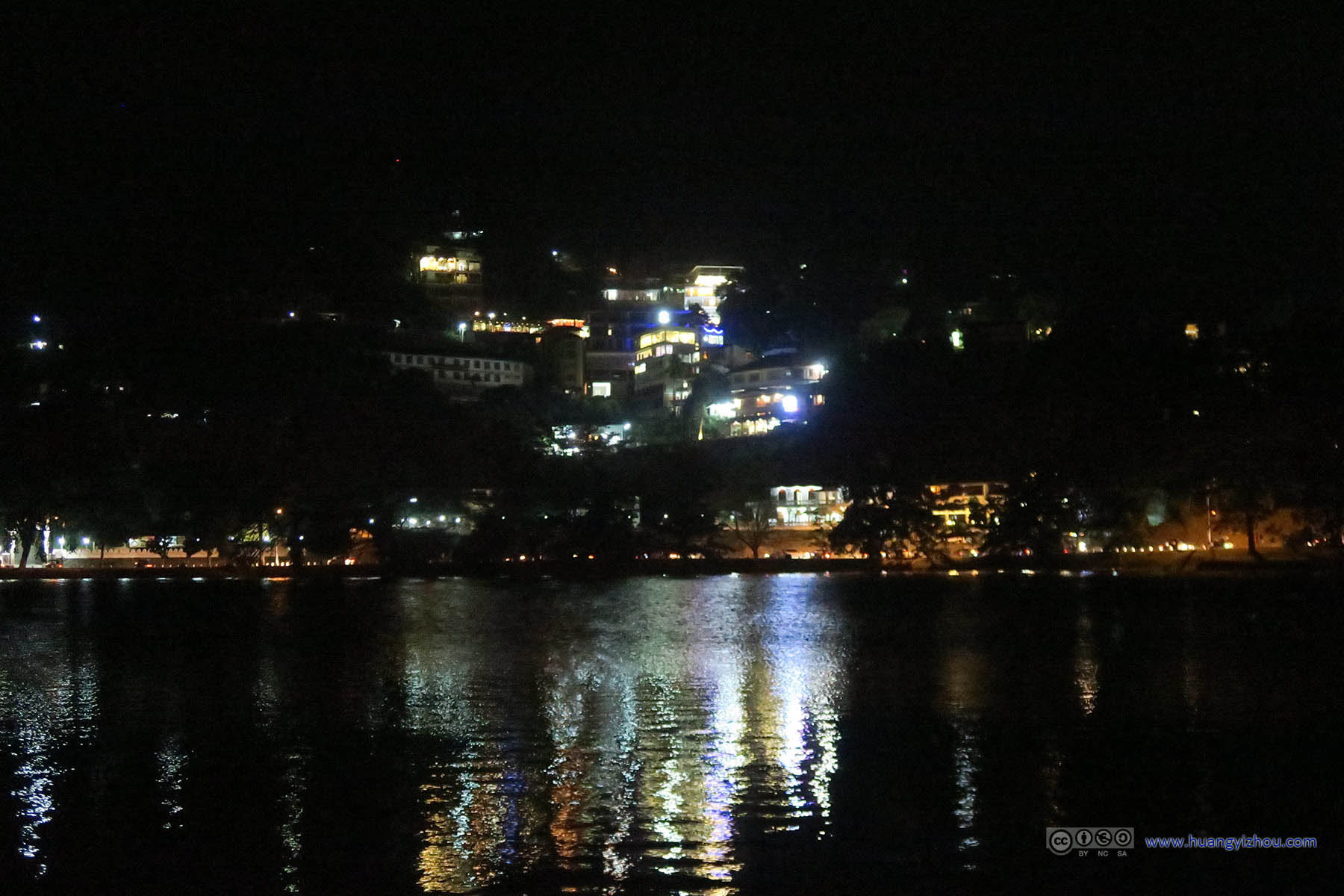
Our apartment may be one the lights in the photo.
END