Day 3 of 2019 Florida Spring Break, St Augustine
Third day of my spring break Florida road trip. Today I would be driving from Savannah suburb to Orlando suburb (finally into Florida), while visiting St. Augustine, Florida along the way.
Leaving my overnight lodge in Hinesville, Georgia, I didn't take the fastest route to Interstate 95 as Google suggested. Instead, I opted for more scenery with the combination of Georgia Route 57/251.
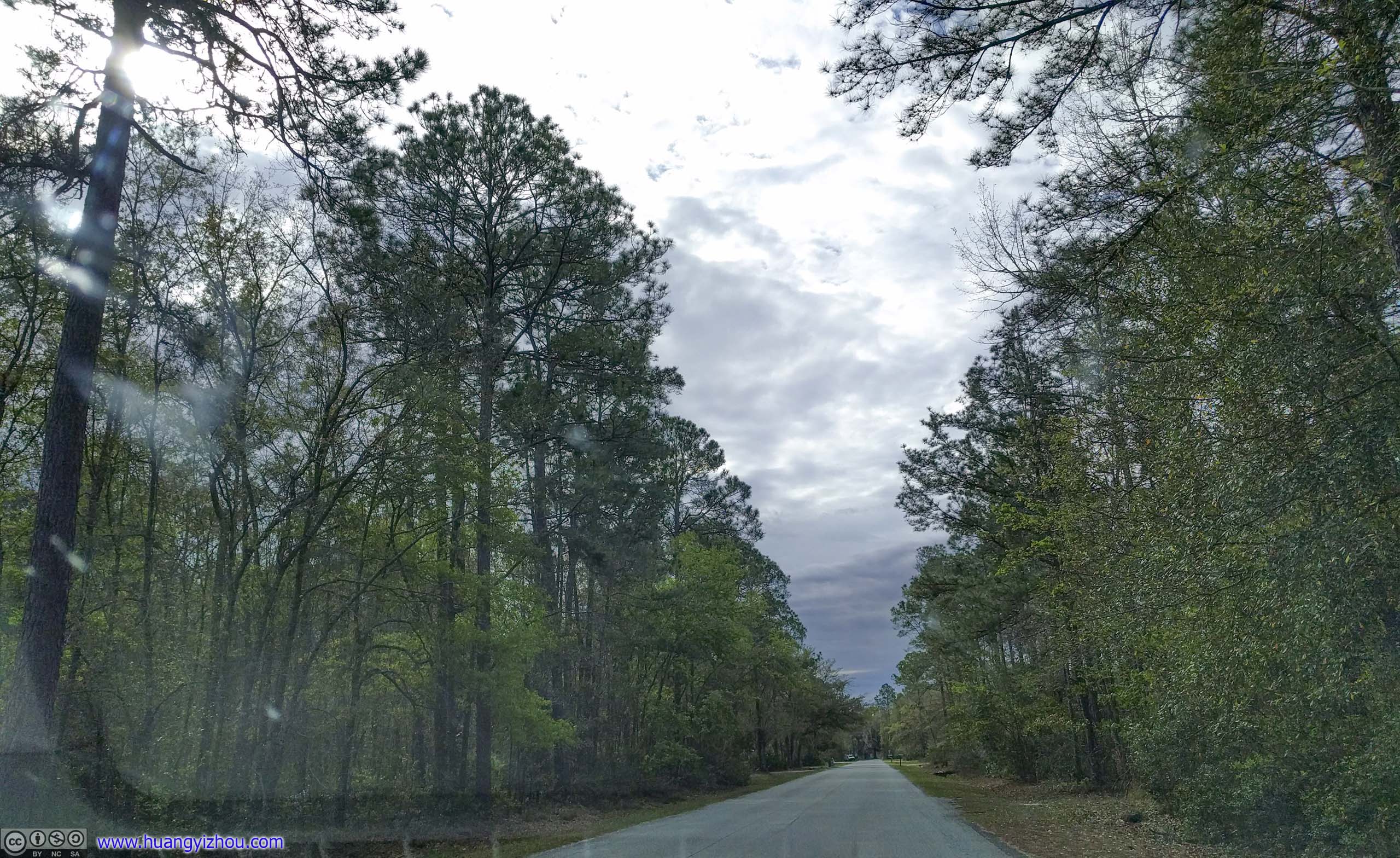
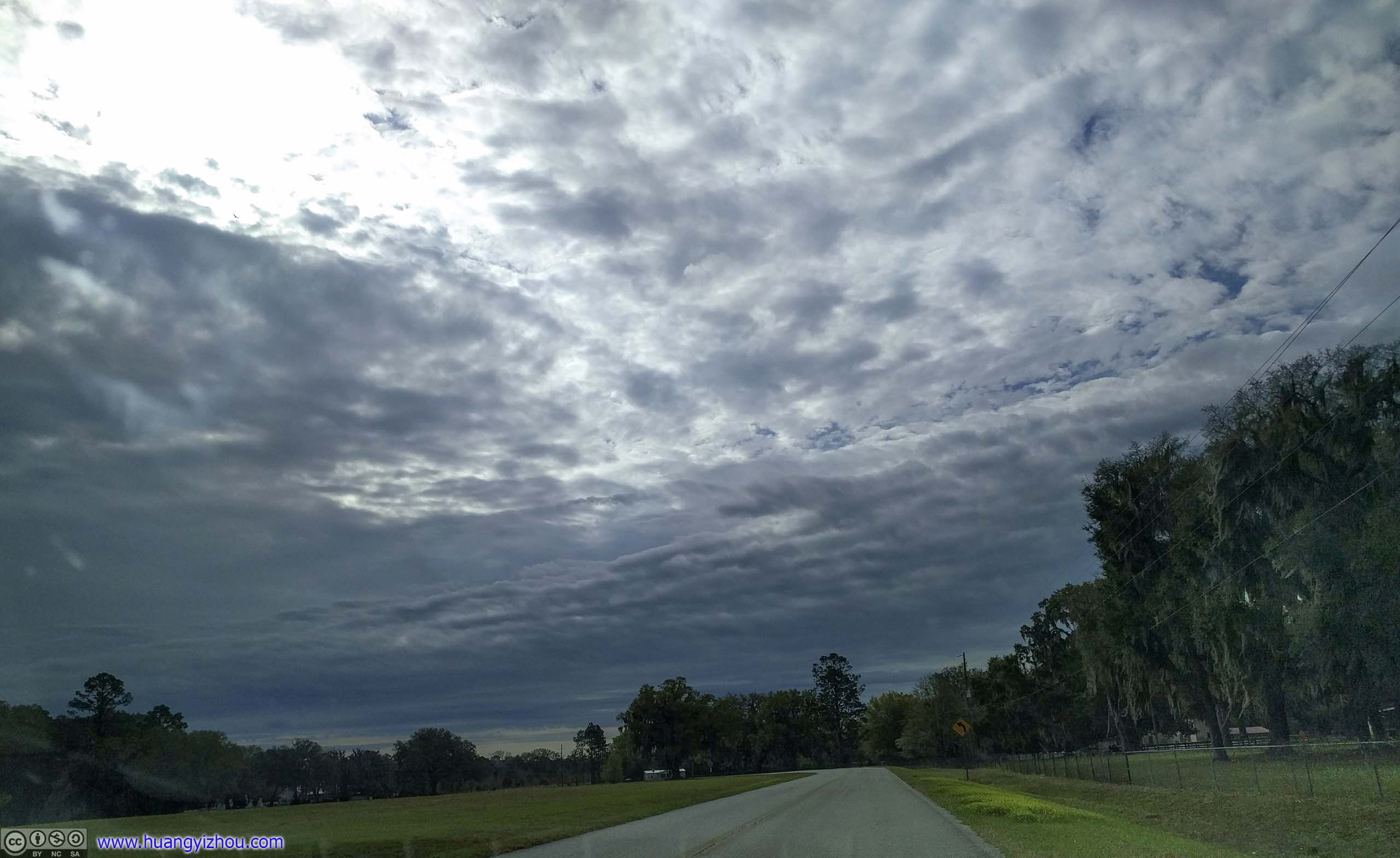
It turned out that segment of Georgia country roads was probably the most enjoyed part of my entire journey to/from Florida. The roads were in good condition, the scenery of lush forests and wetlands was pleasurable. Most importantly, there was no traffic light, and (probably because it's a Saturday morning) not much traffic itself.
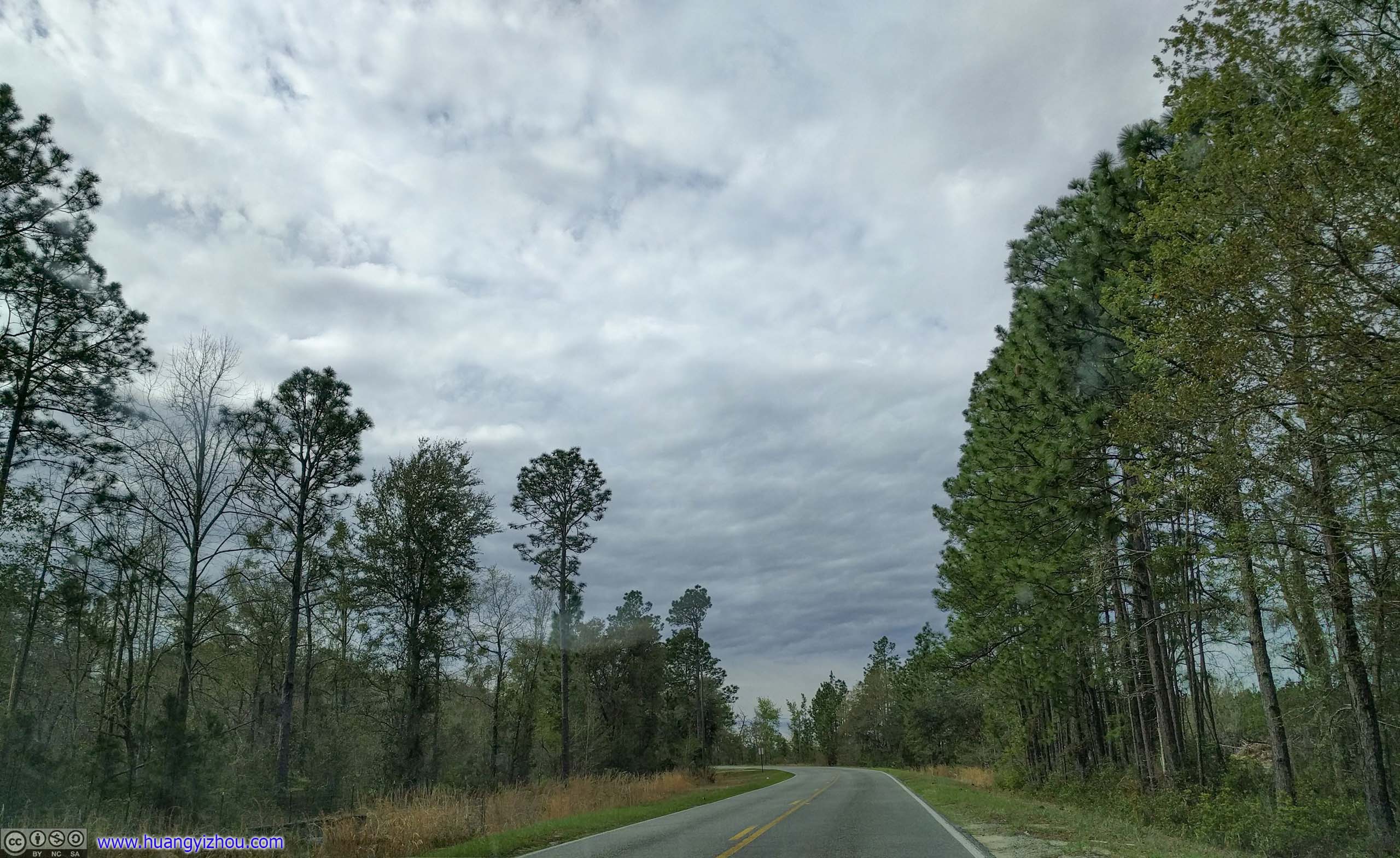
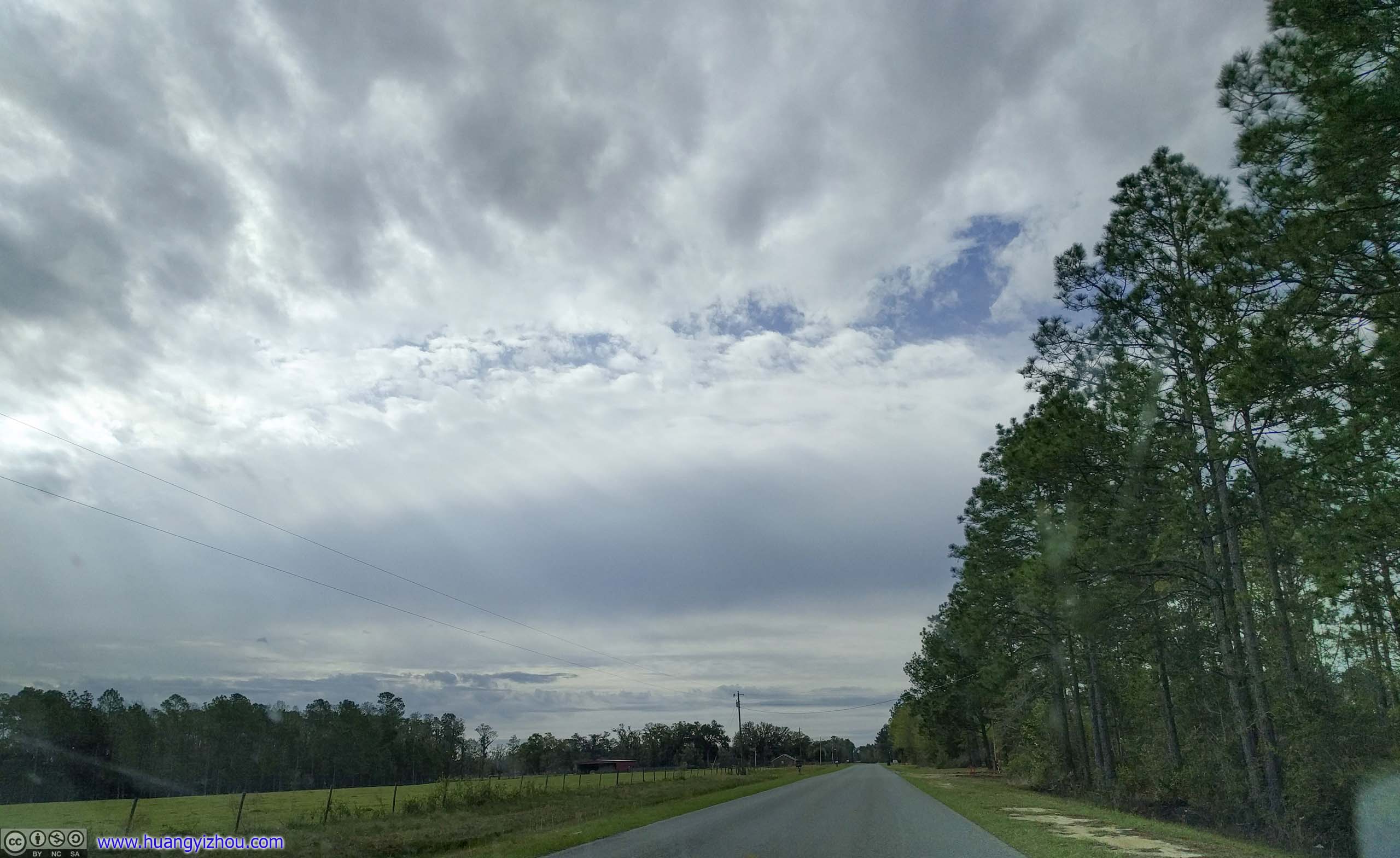
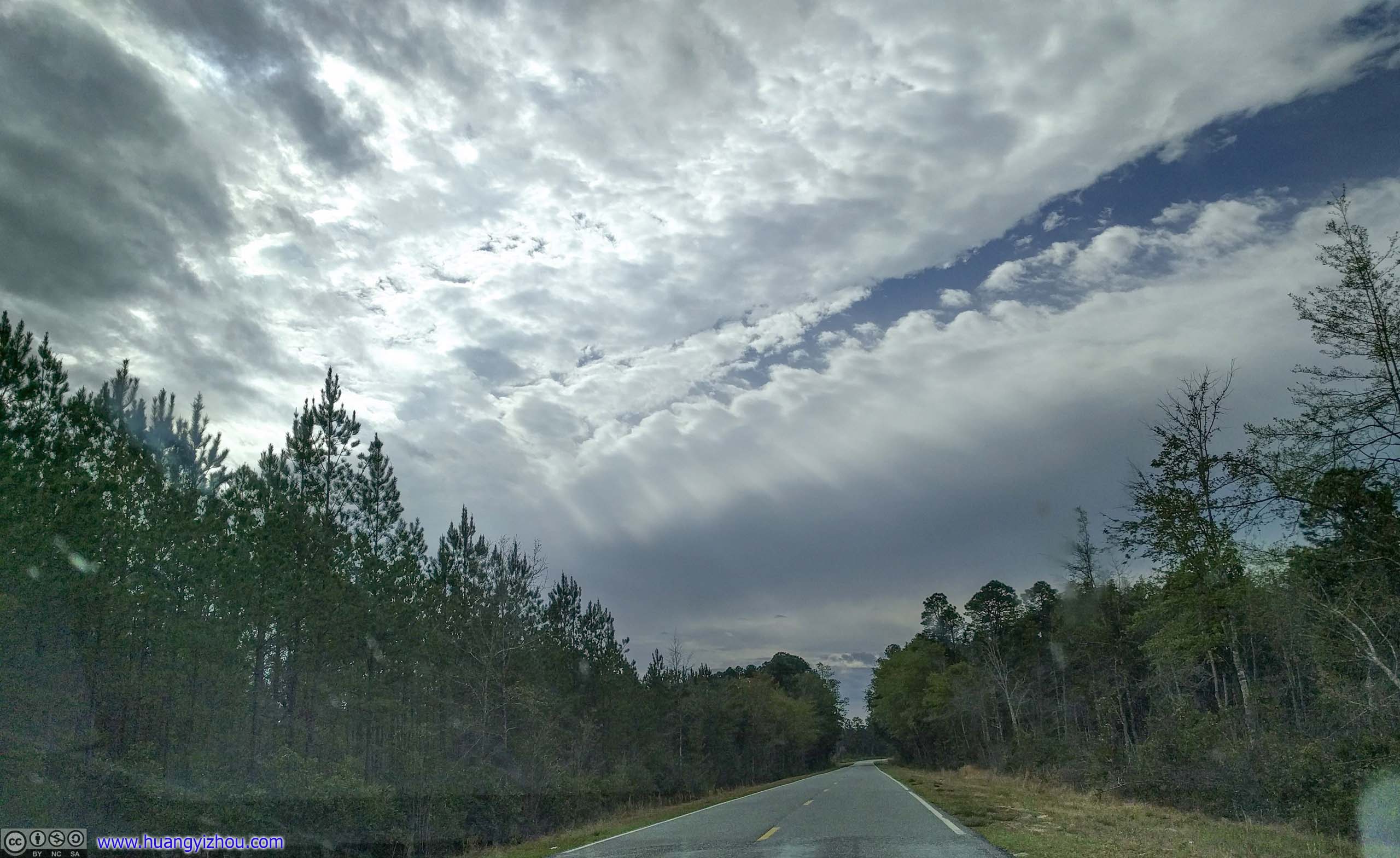
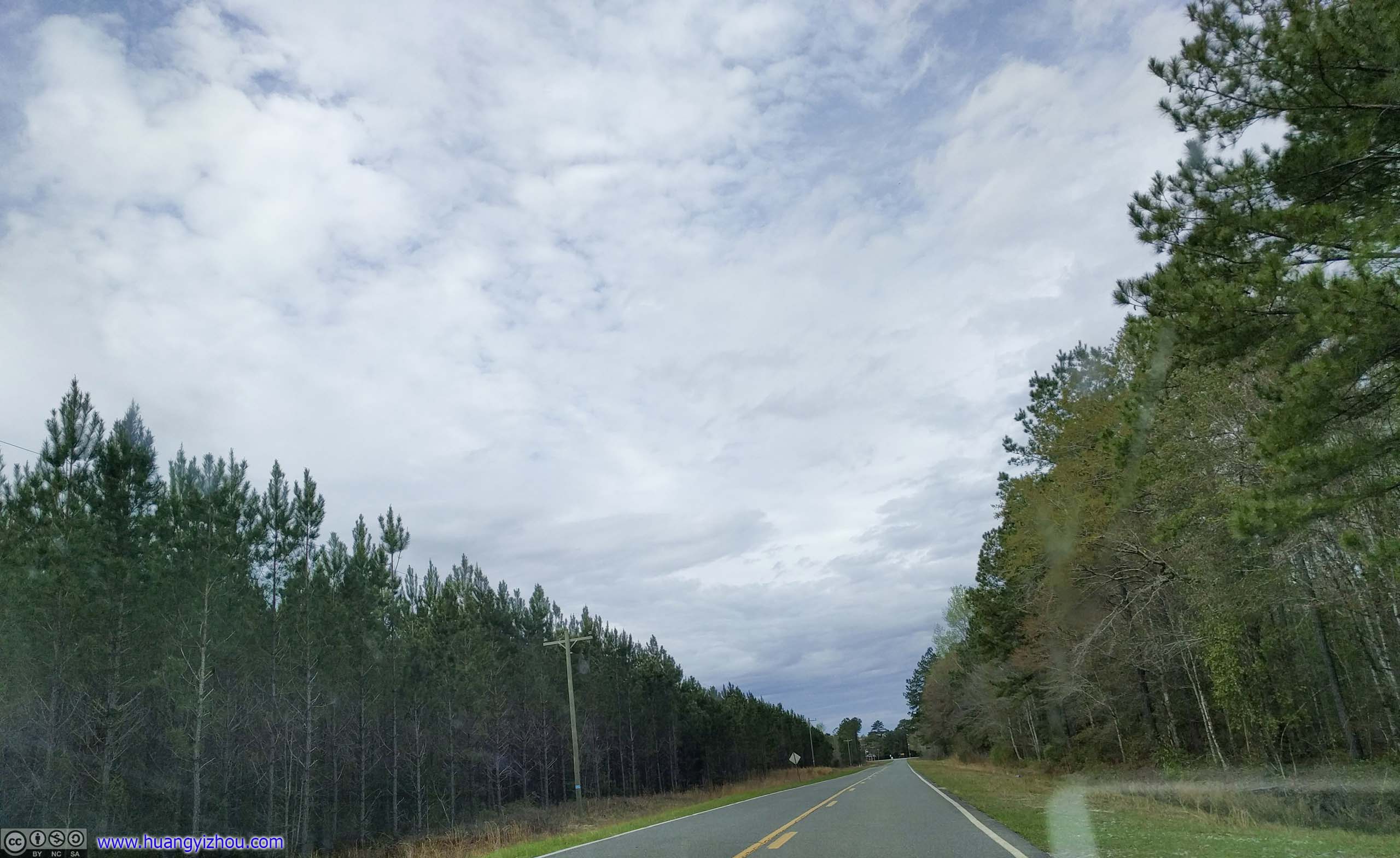
Tibet Road
Why would they name a road after a region half an earth away?
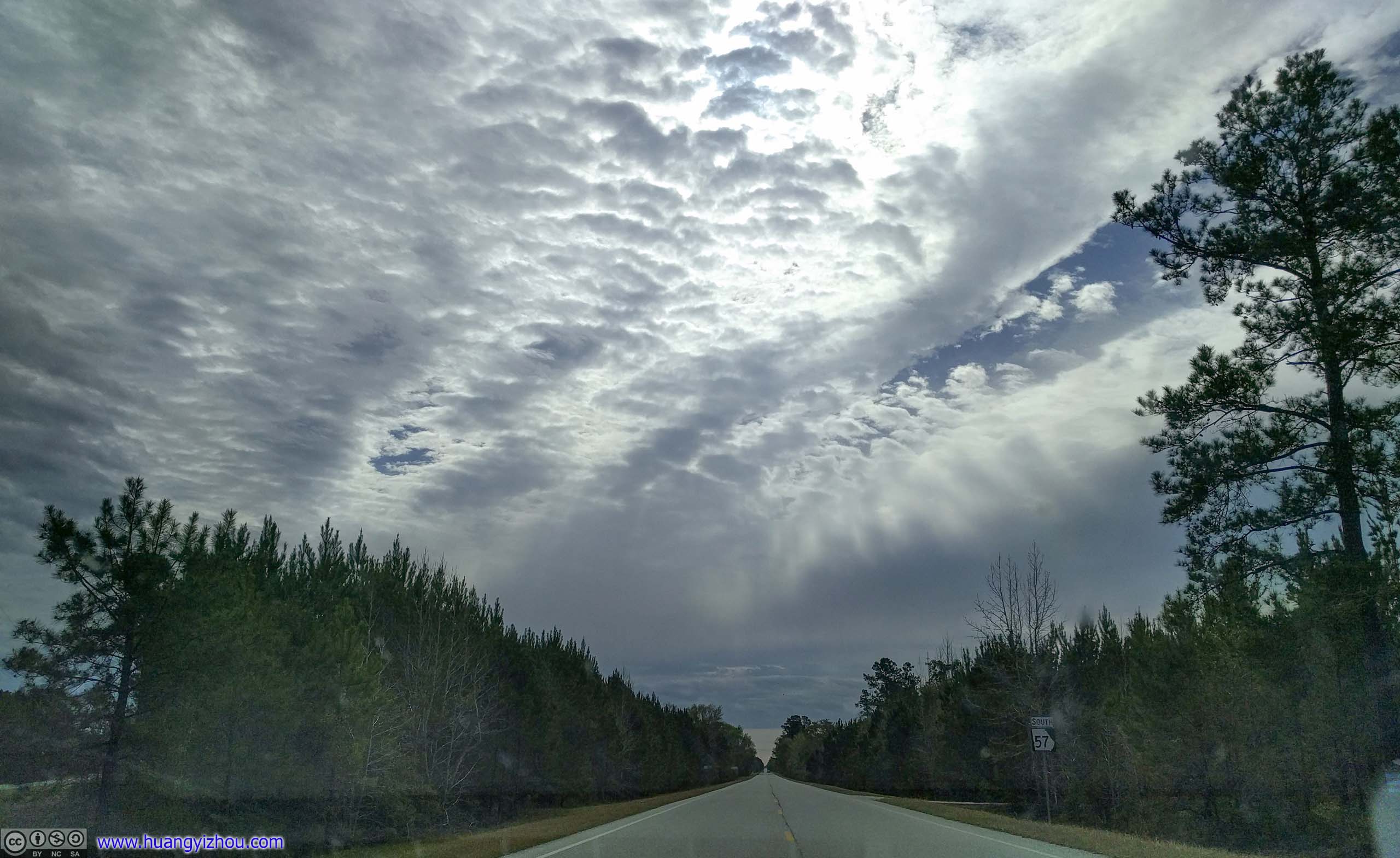
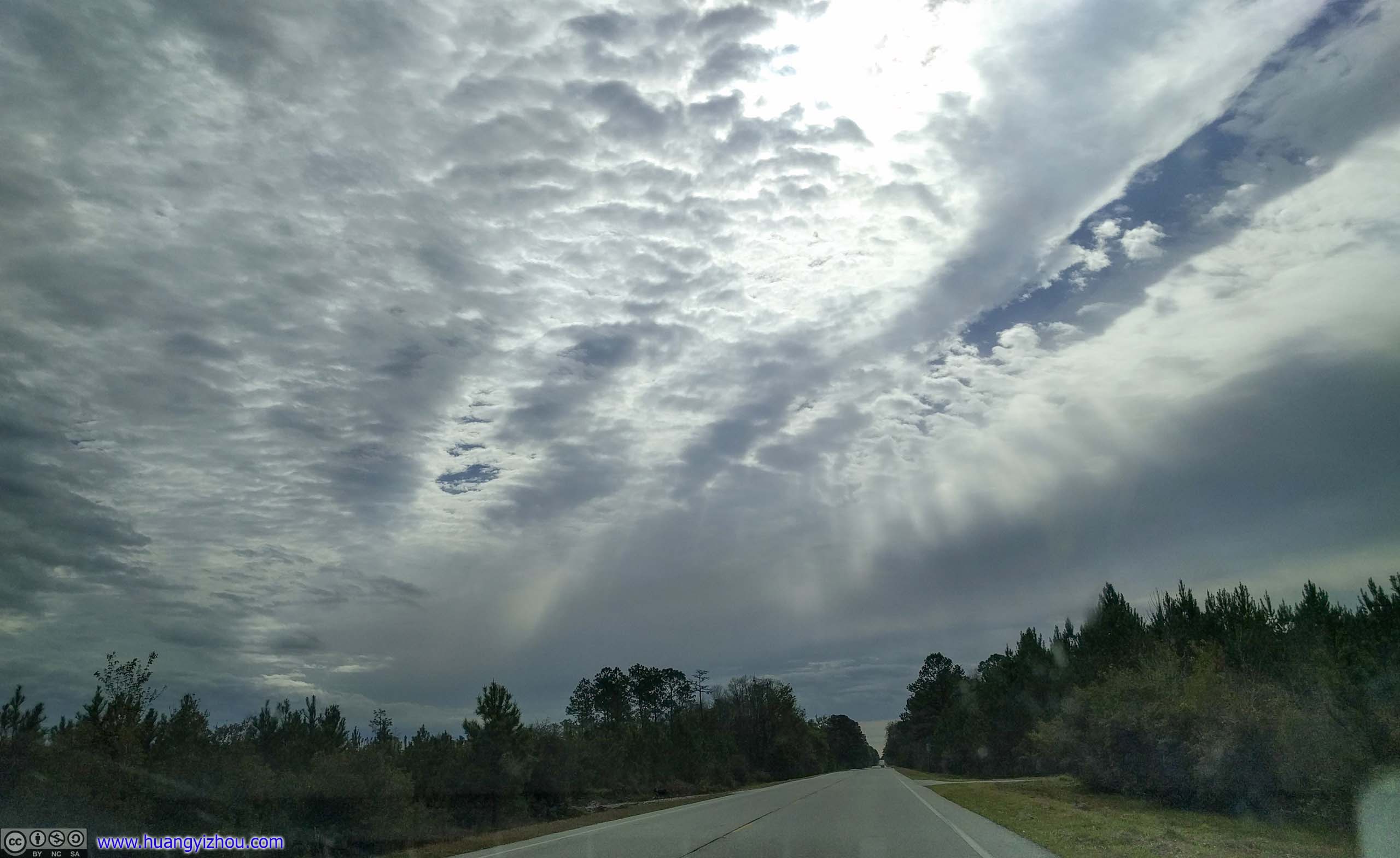
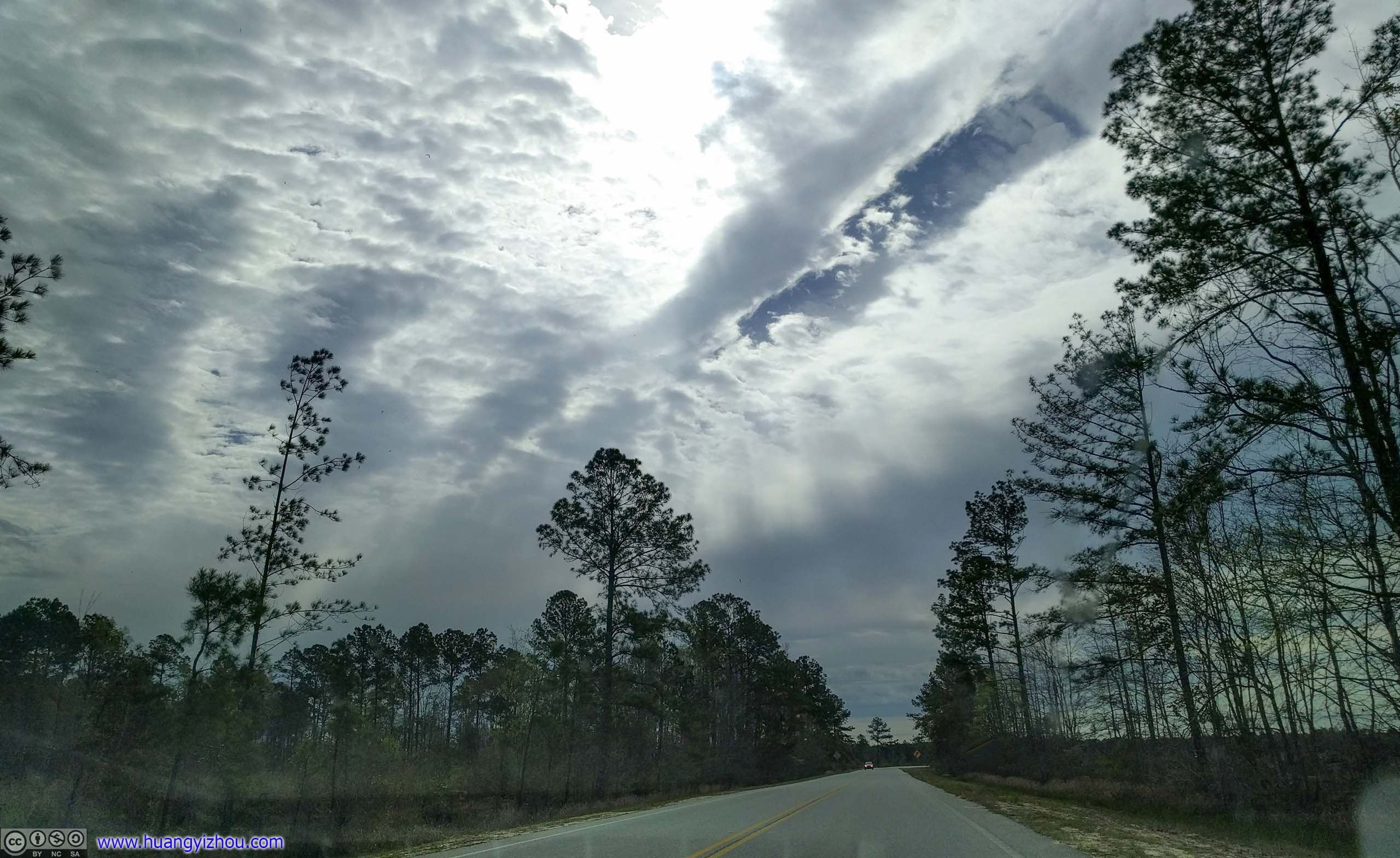
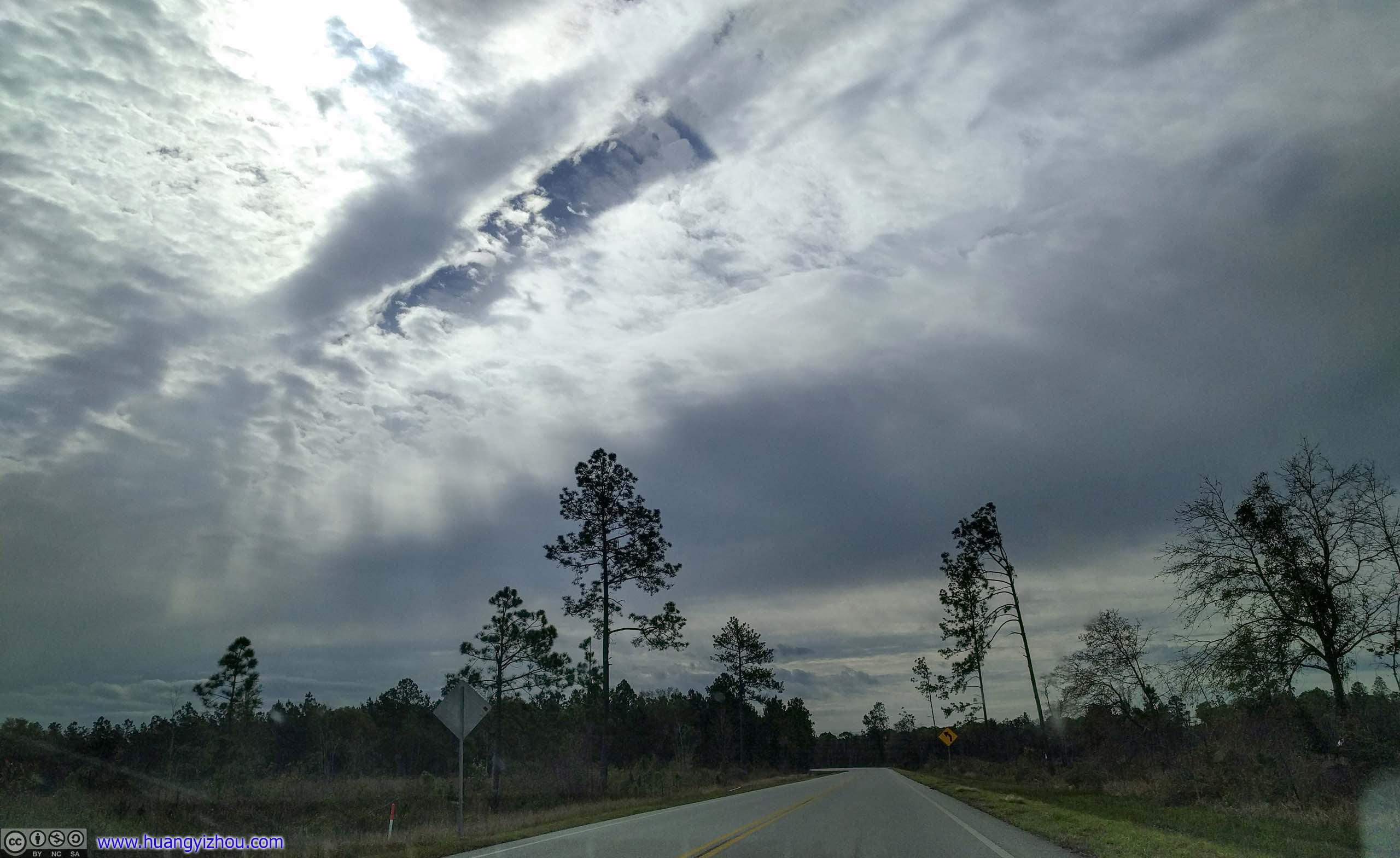
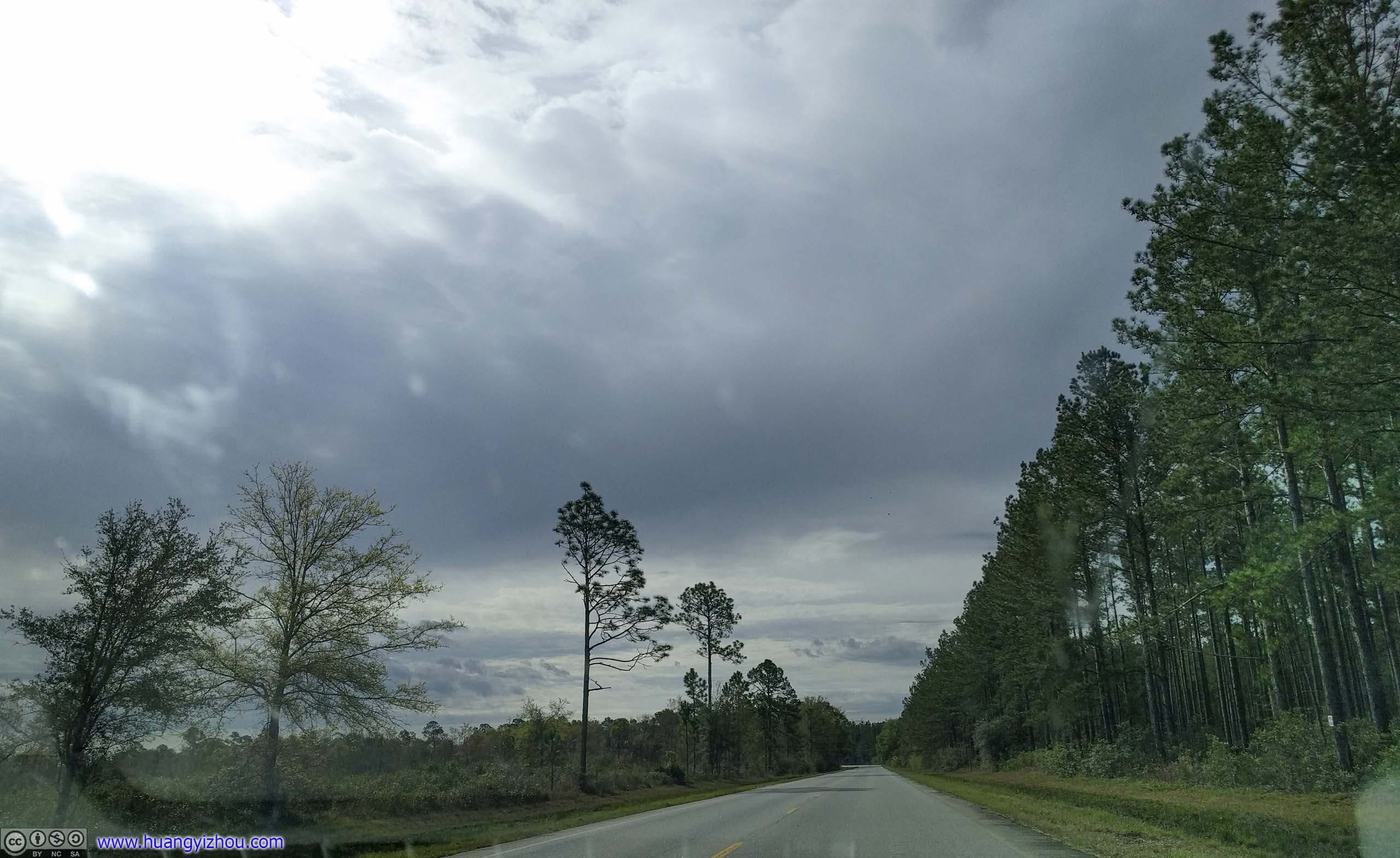
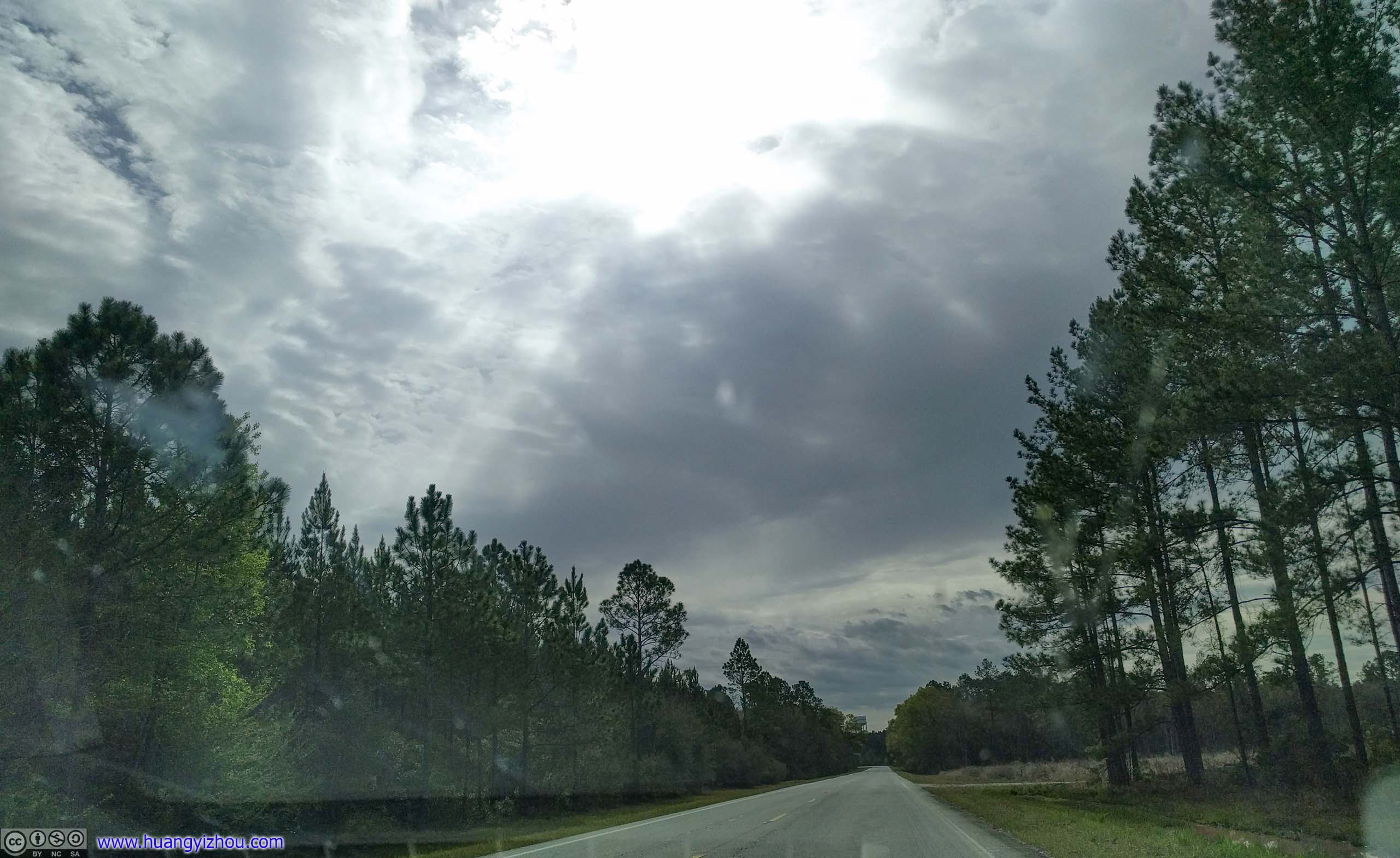
Georgia Route 57
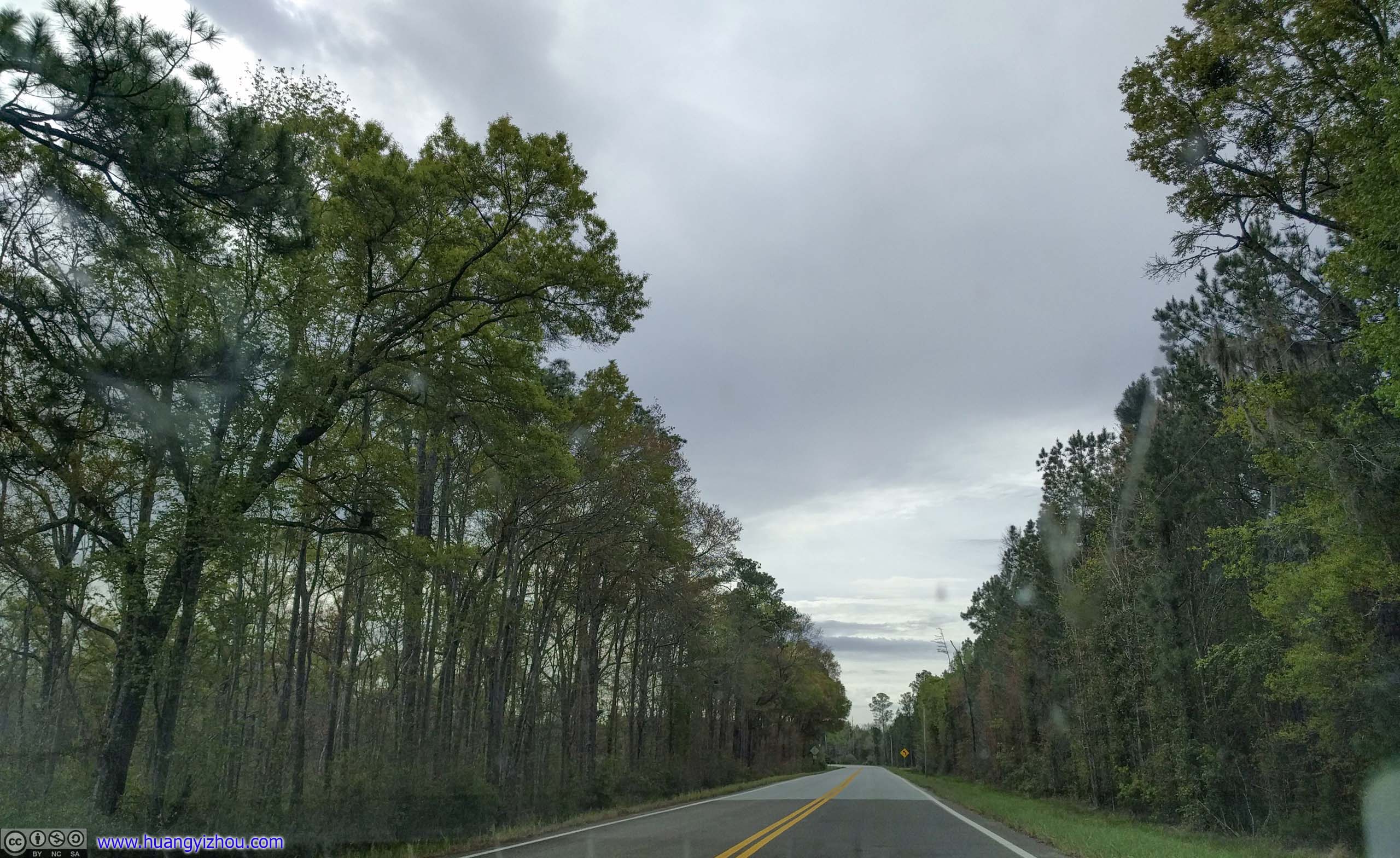
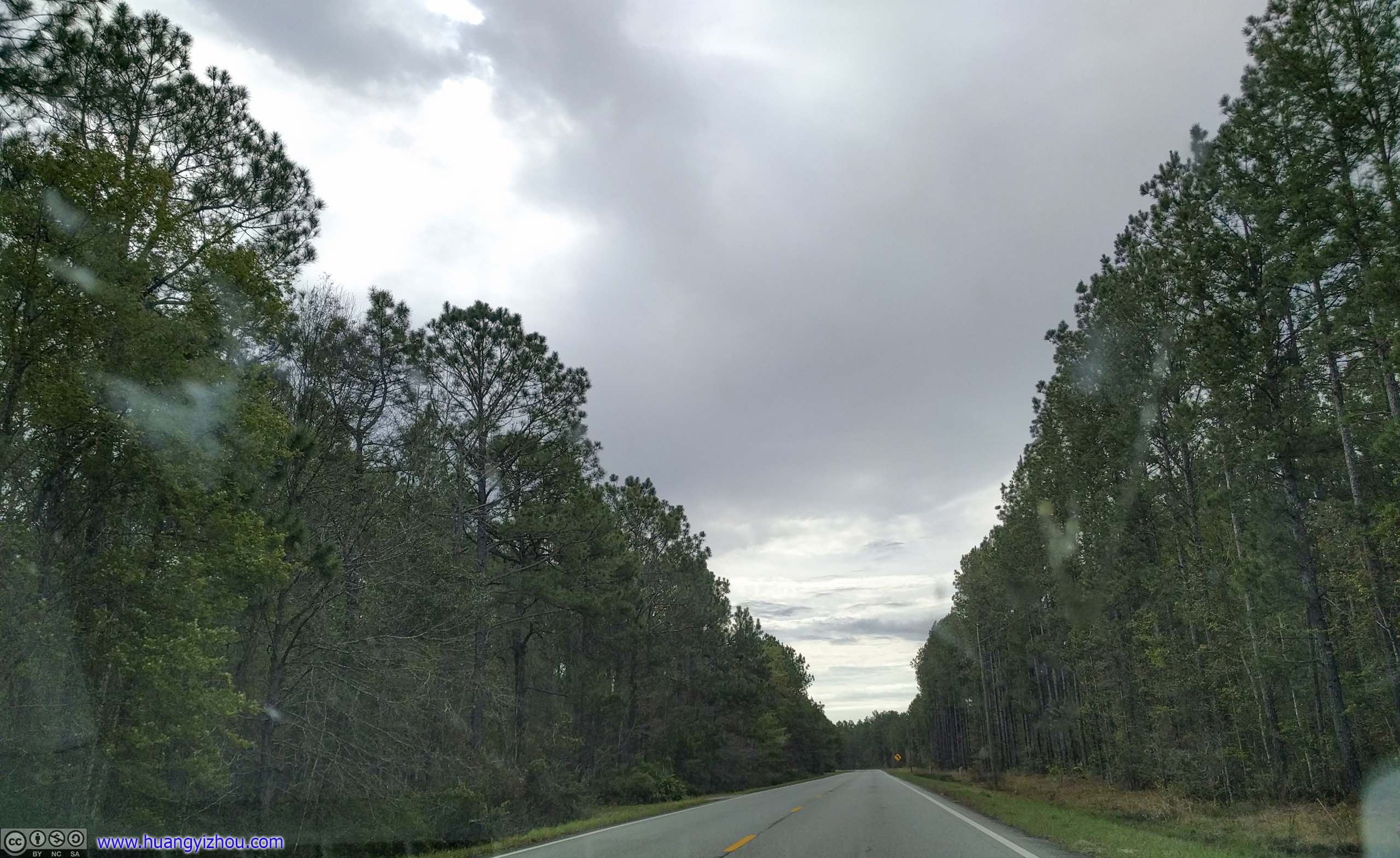
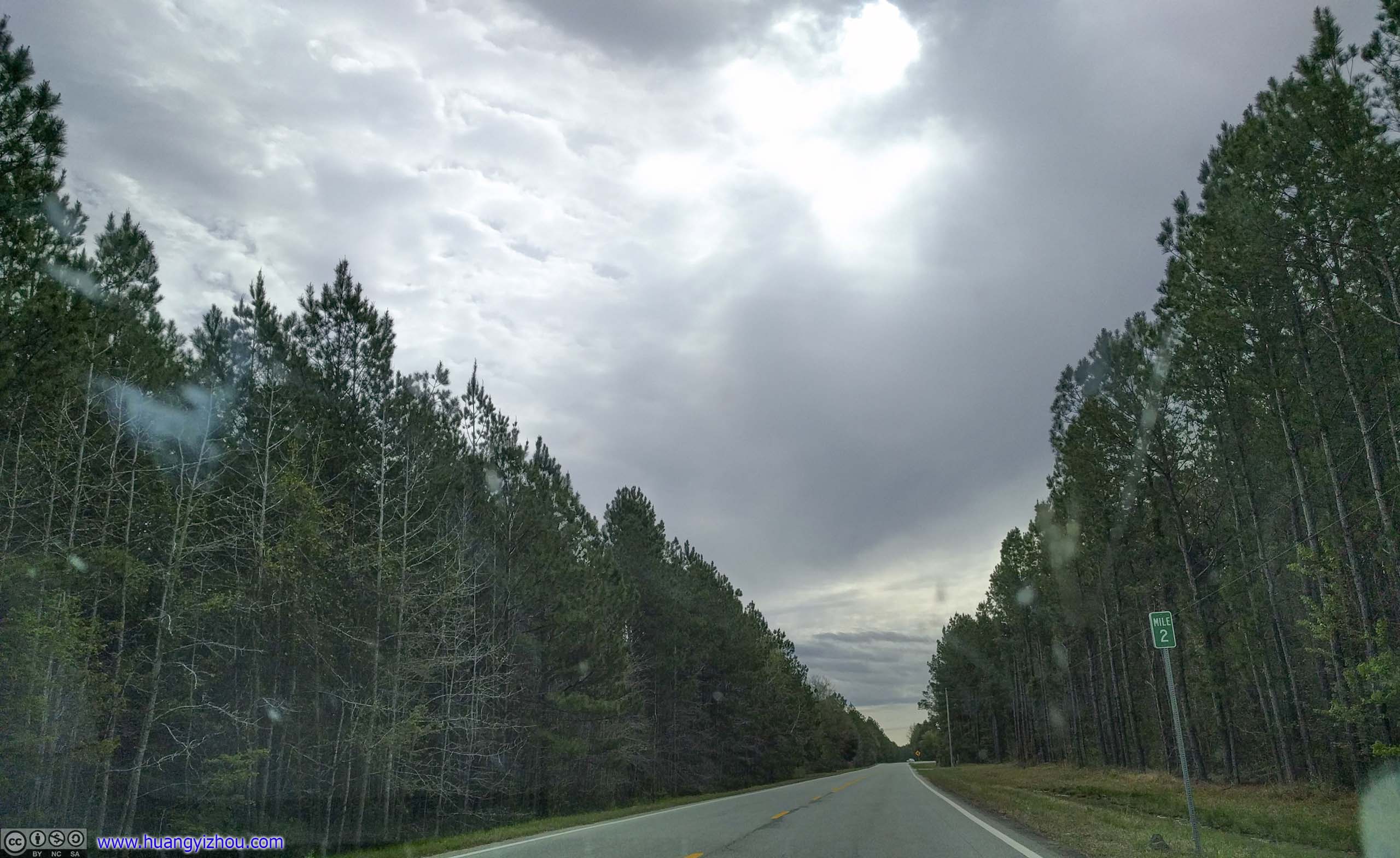
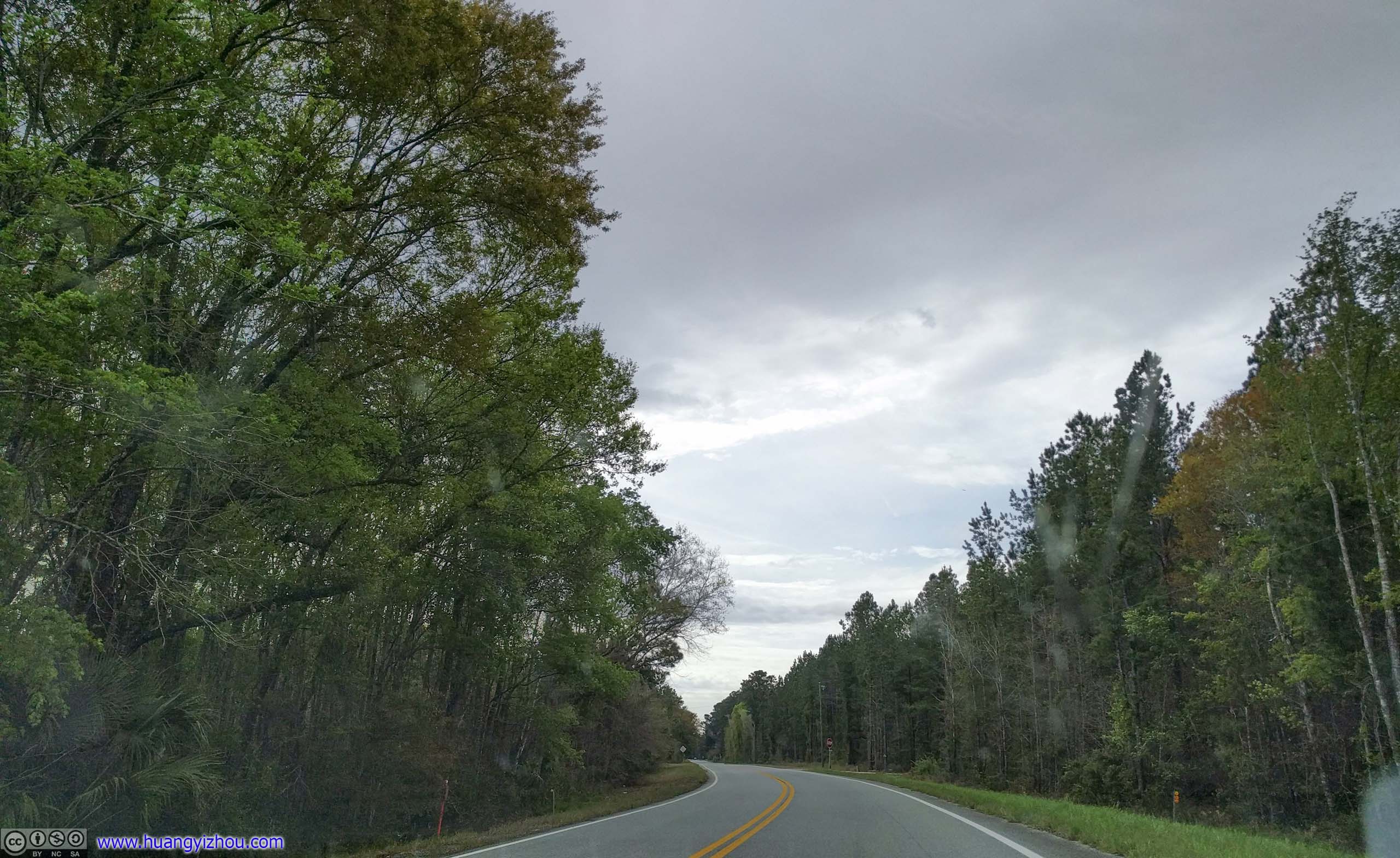
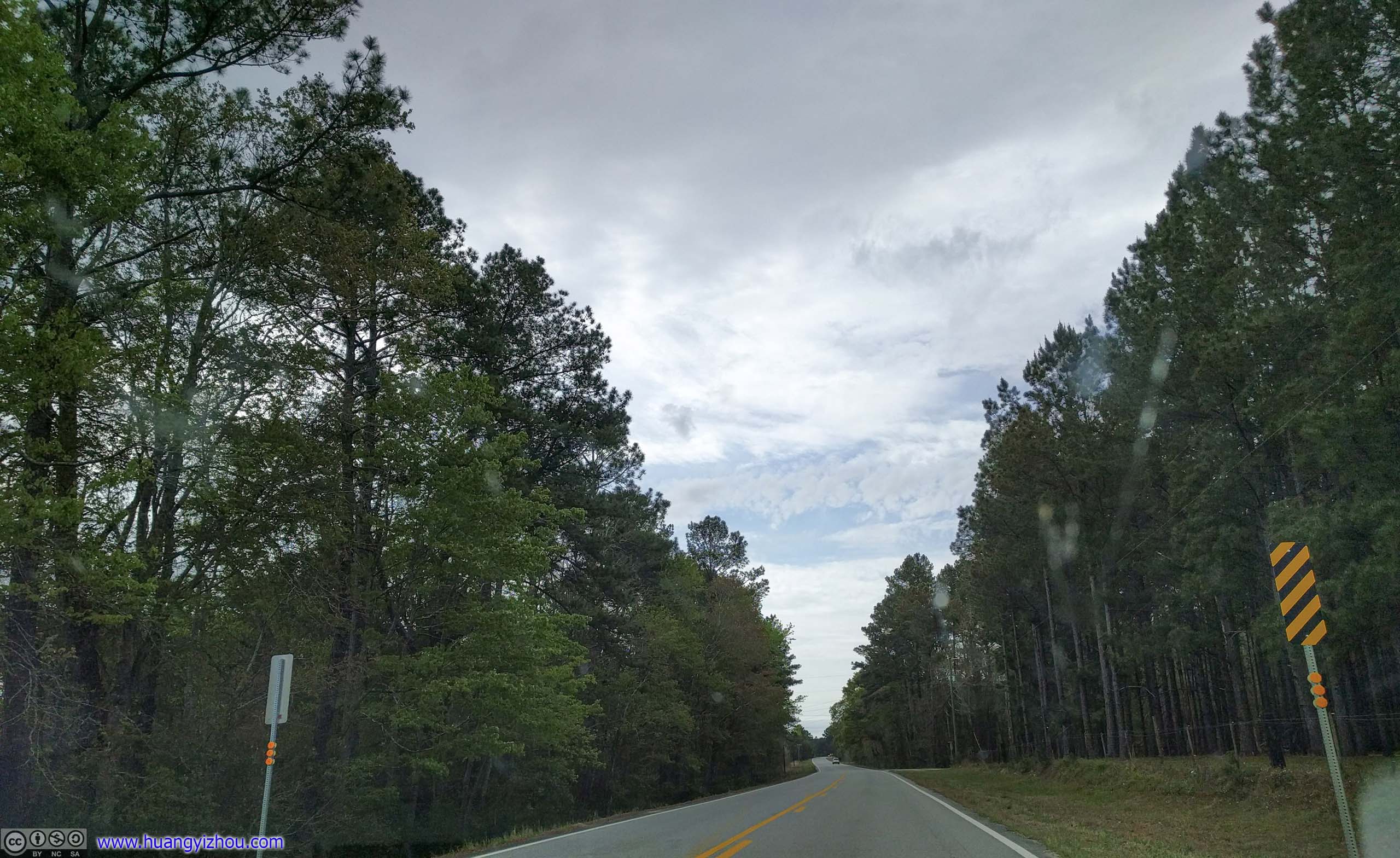
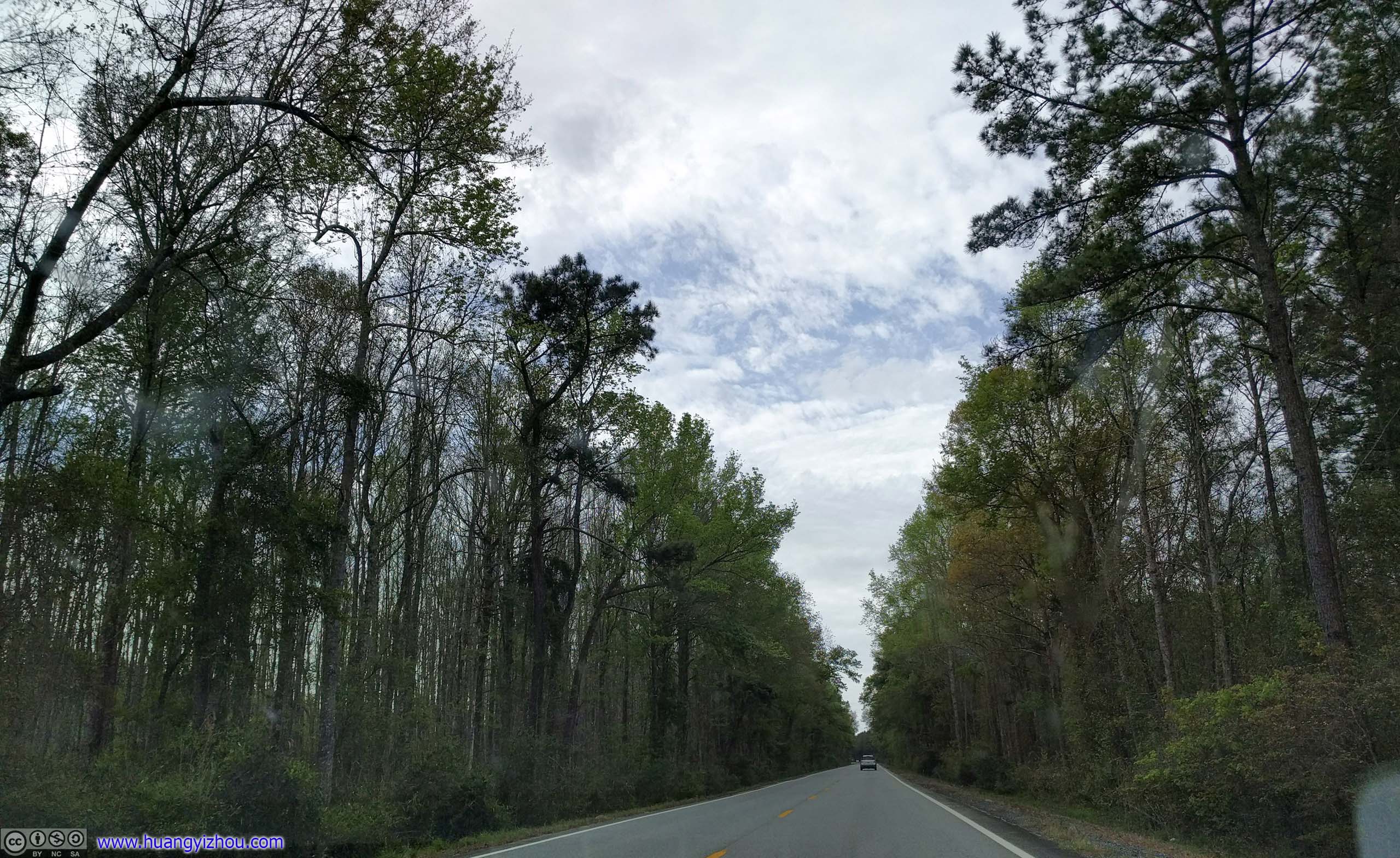
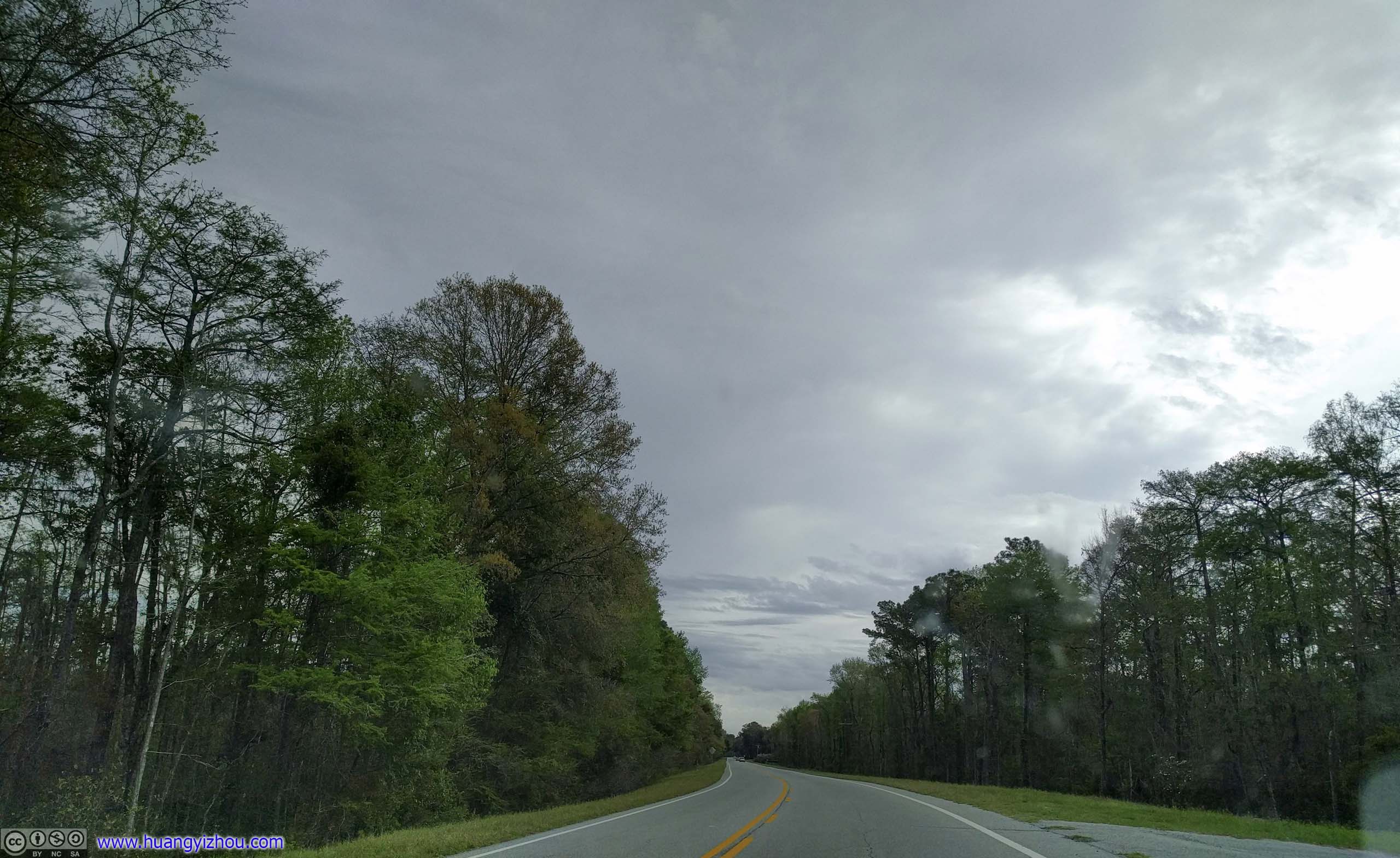
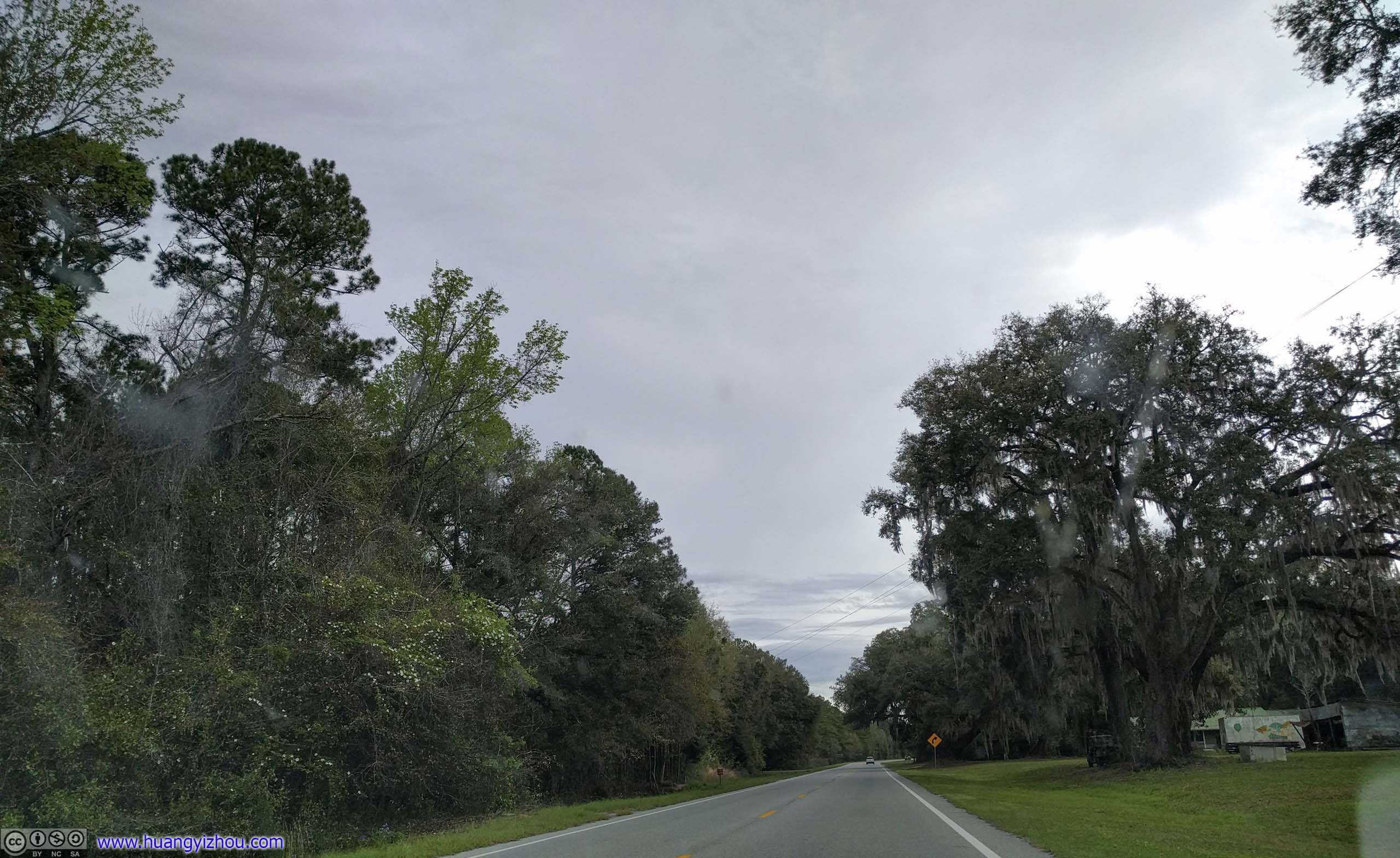
Georgia Route 251
After an hour on these scenic country roads, I went on the interstate, reluctantly.
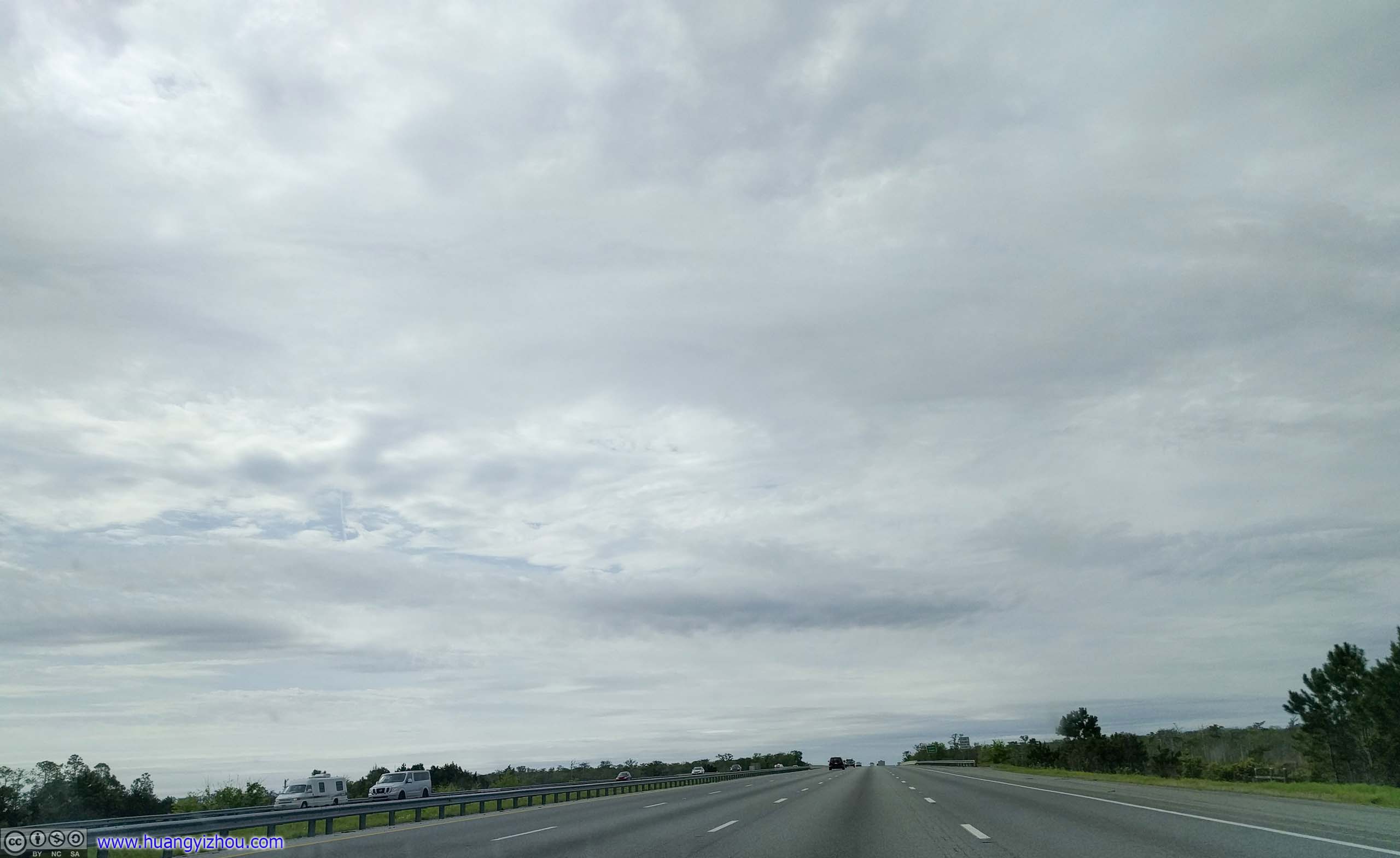
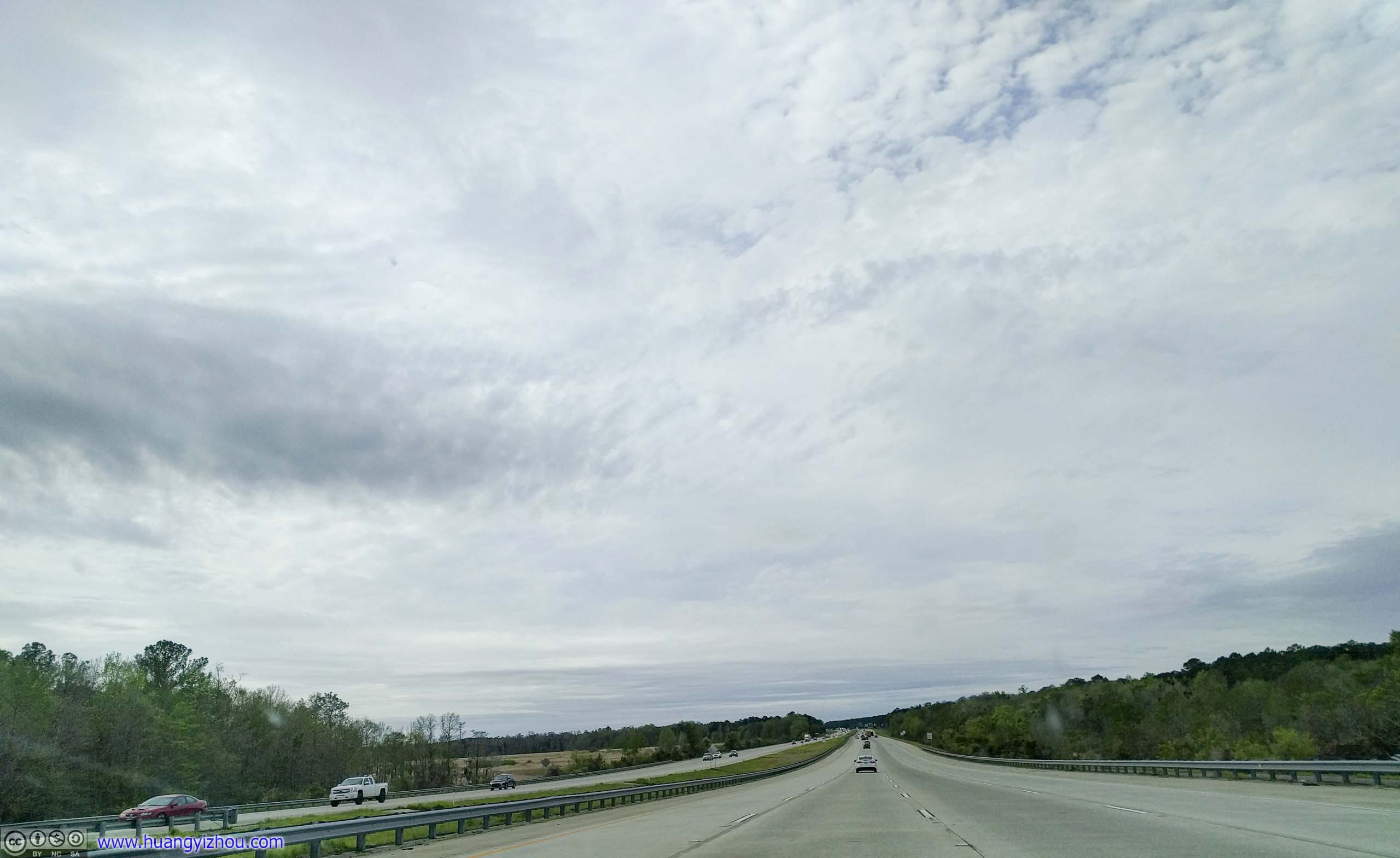
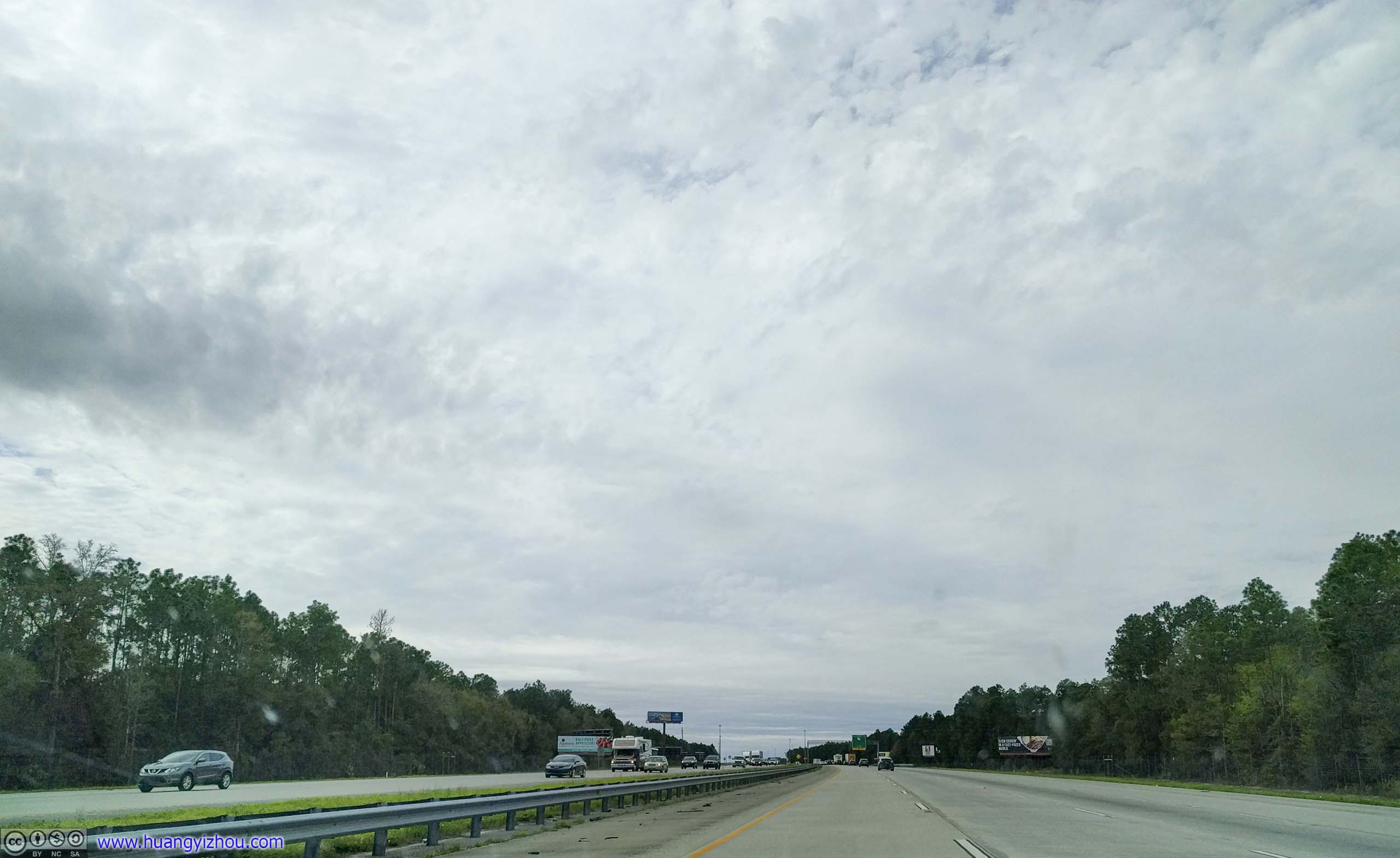
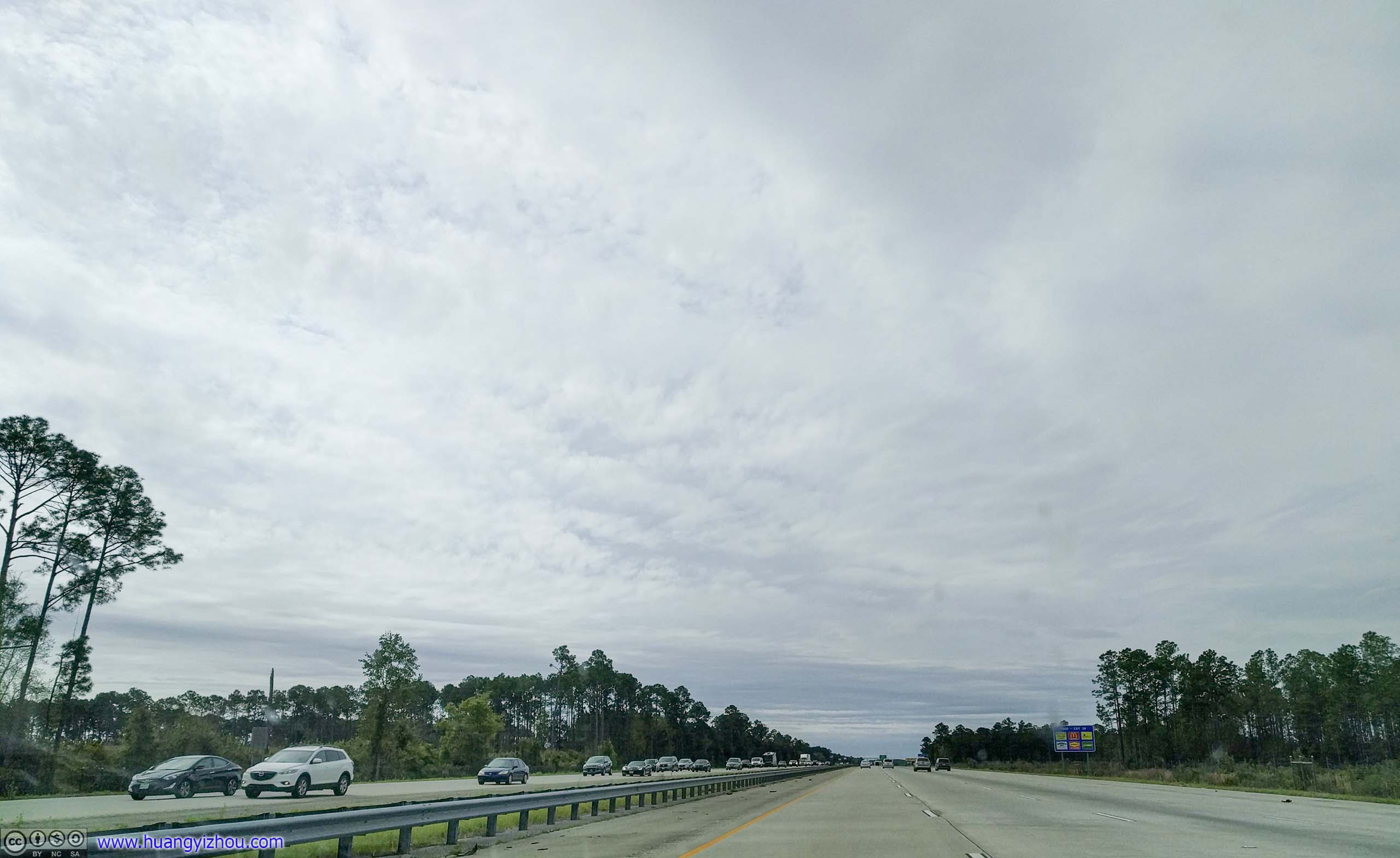
Interstate 95
Gosh I love this eight-lane highway.
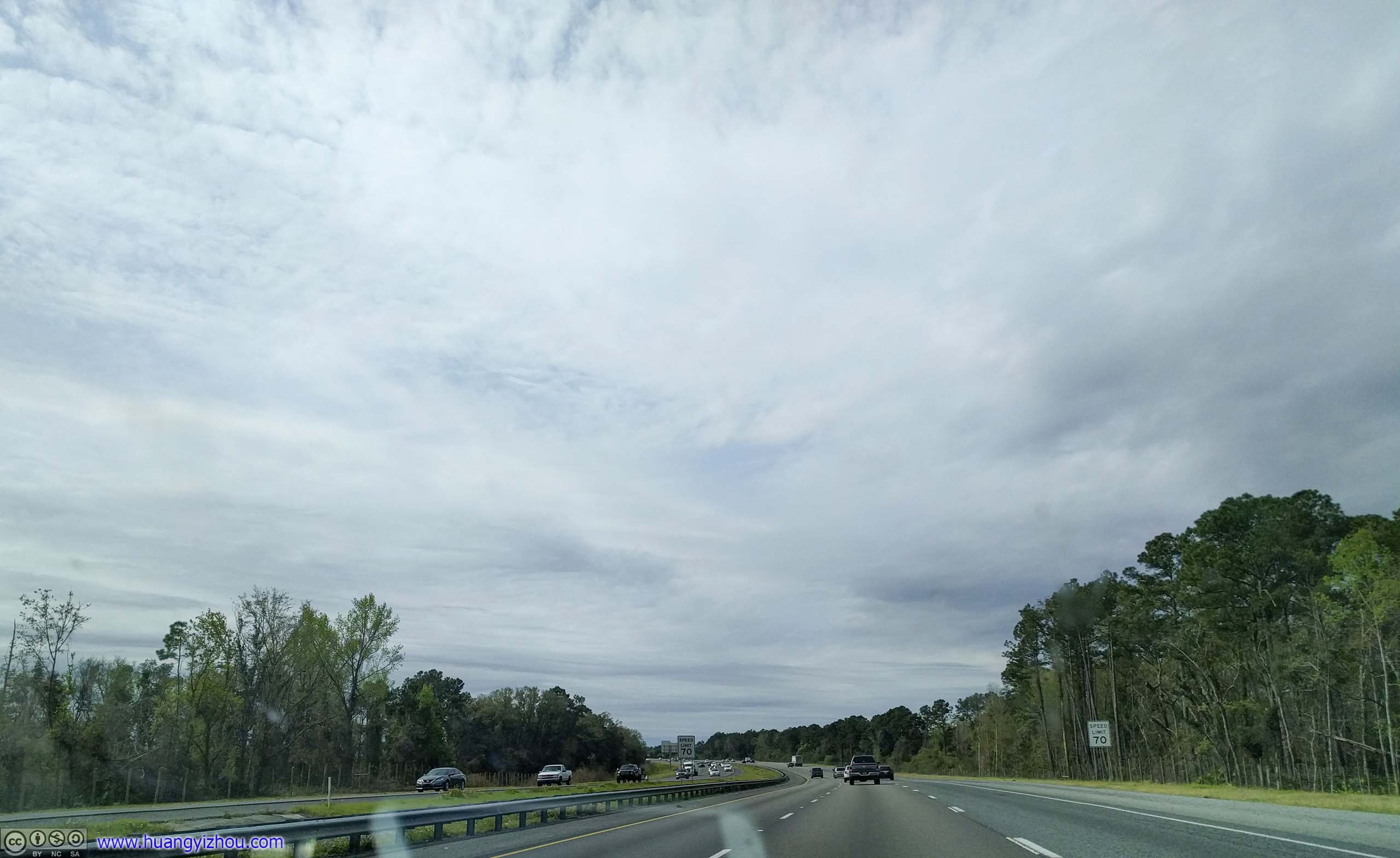
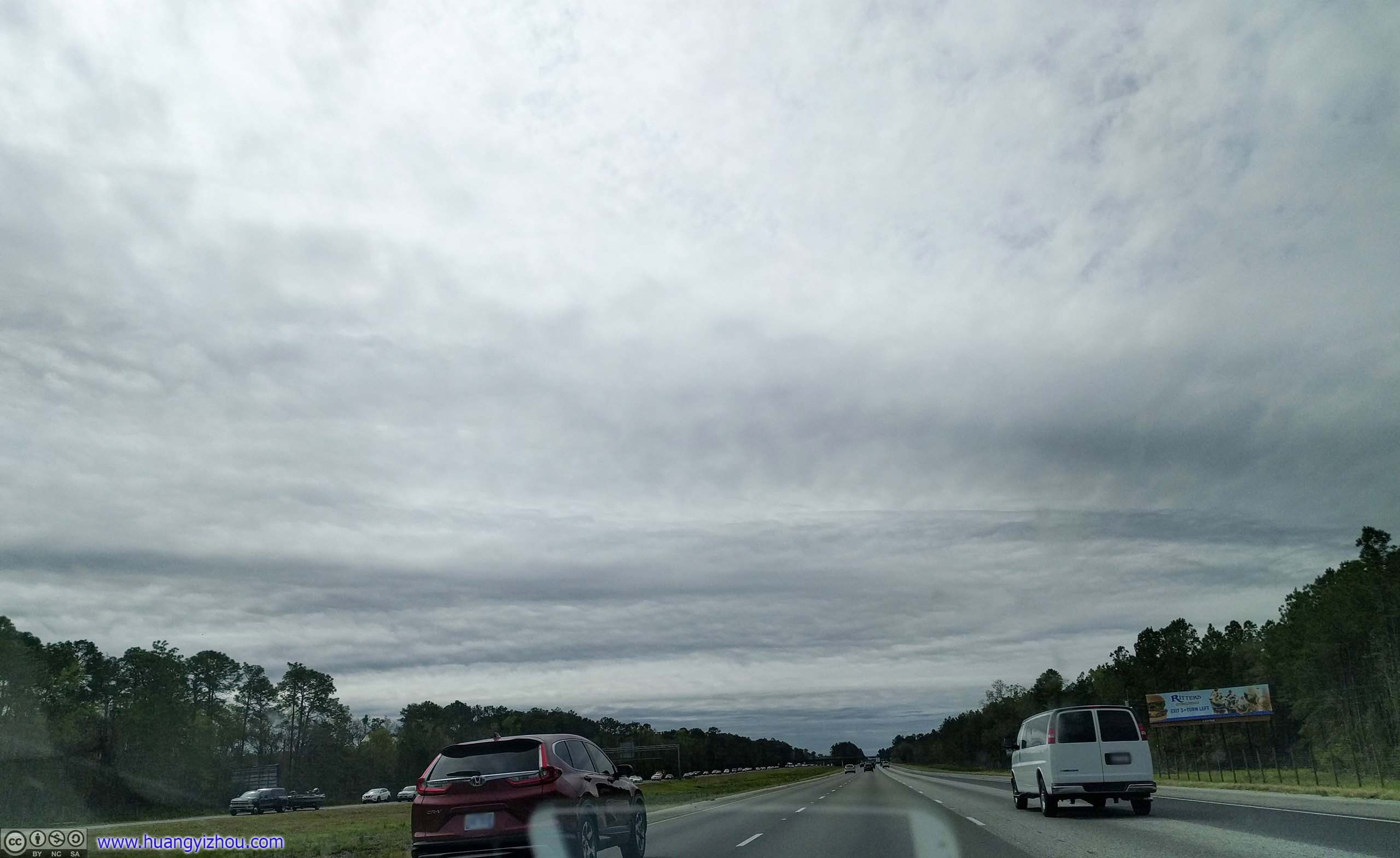
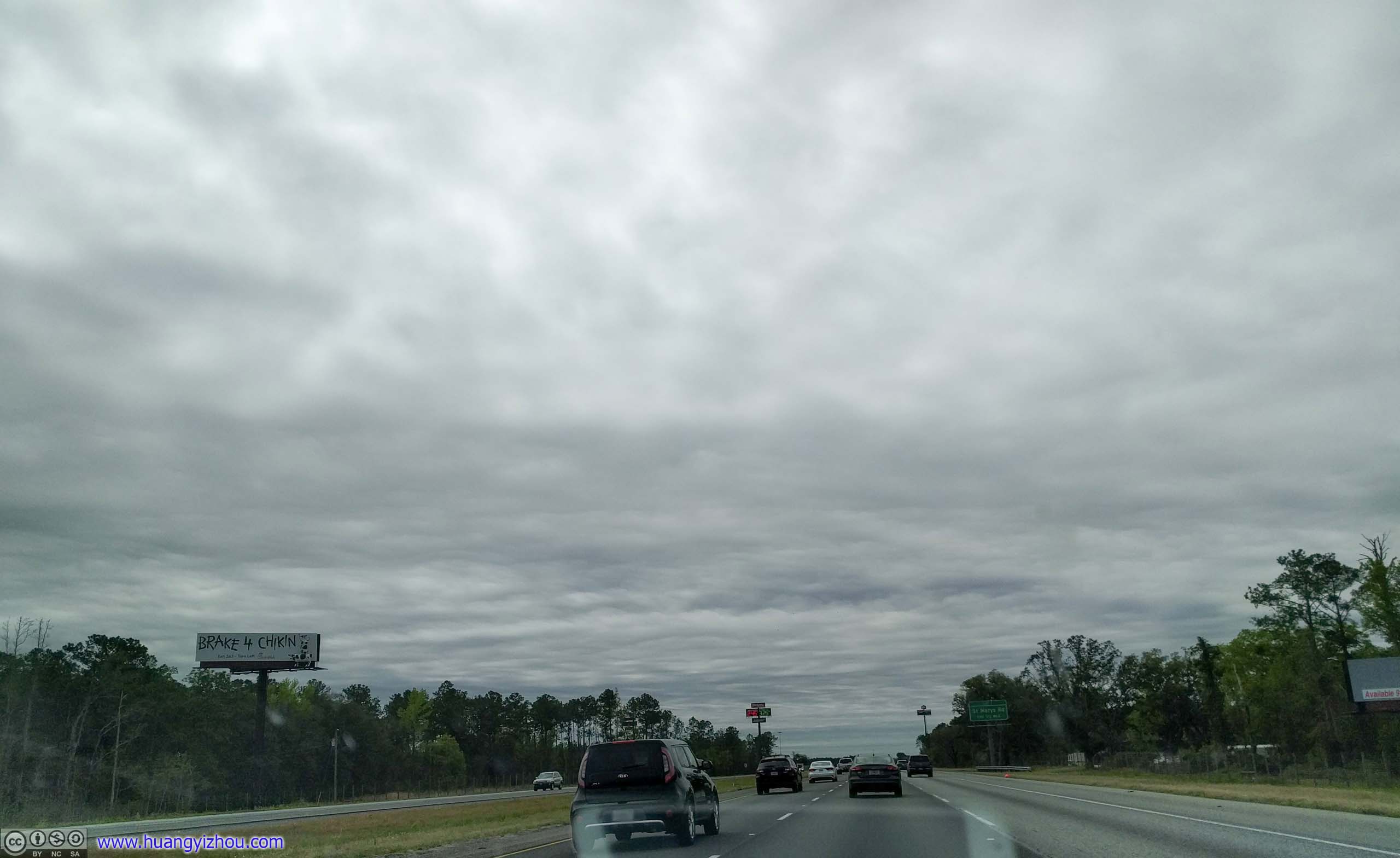
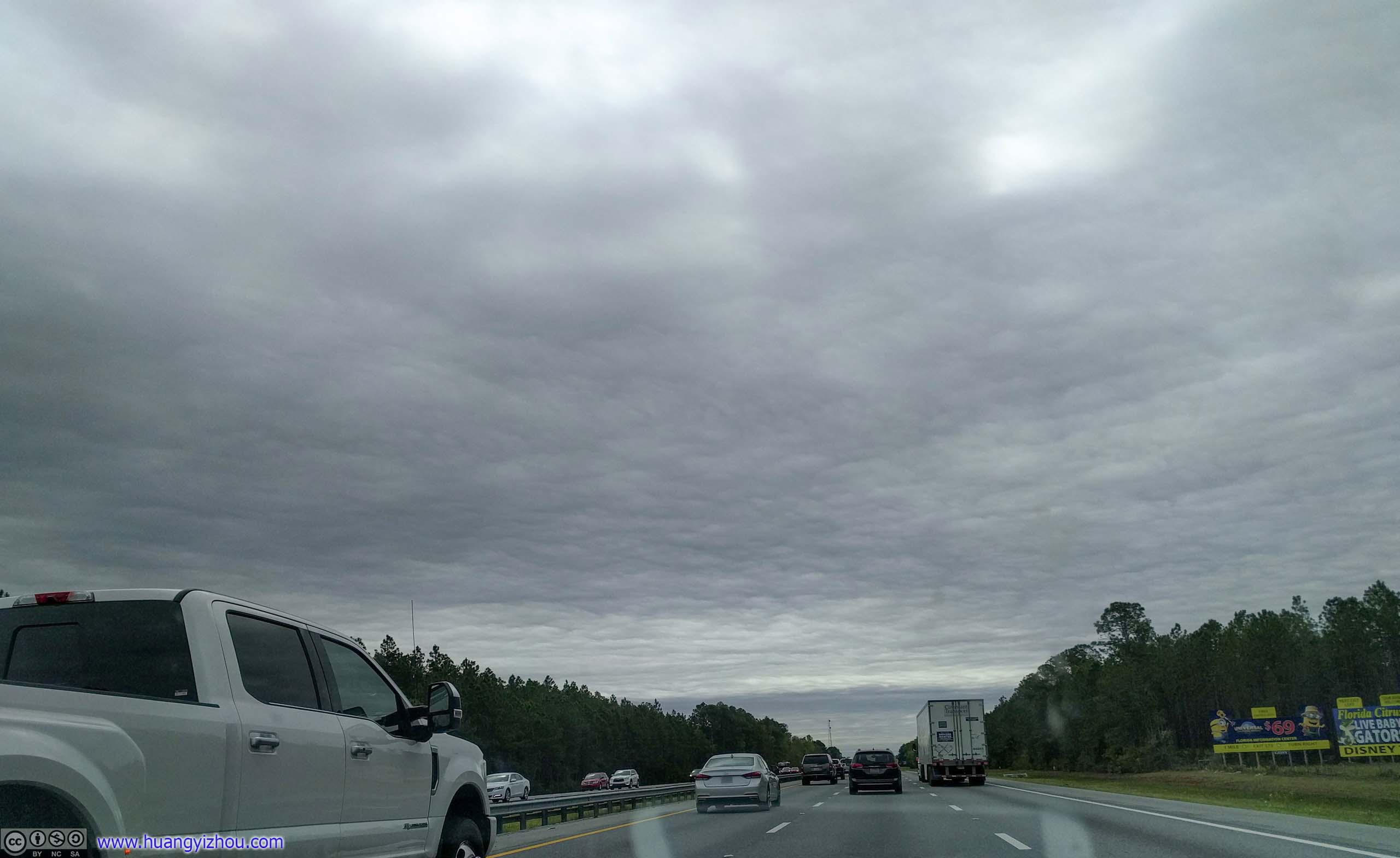
Interstate 95
Unfortunately, after passing Brunswick, I95 reduced to six lanes and there seemed to be more traffic.
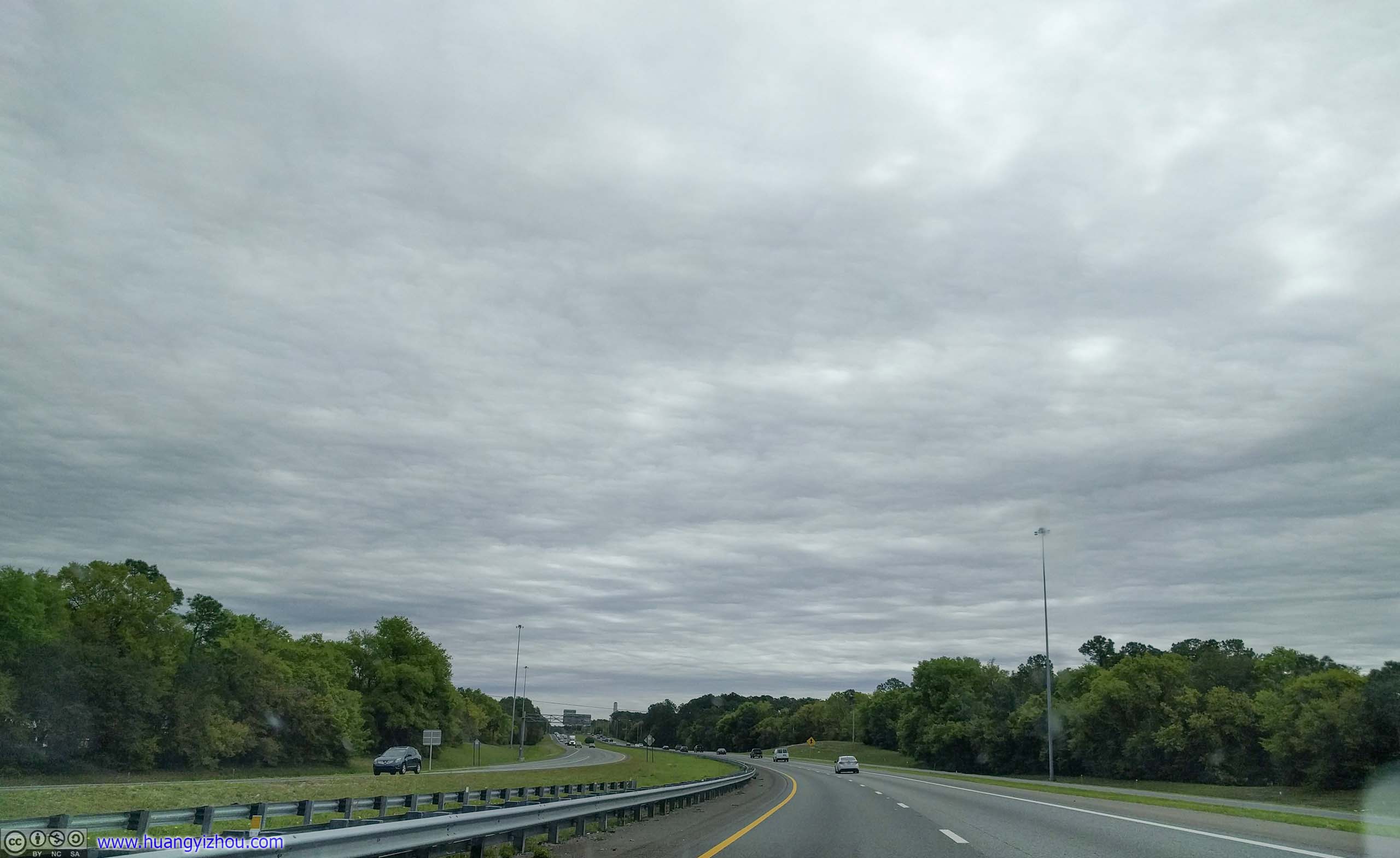
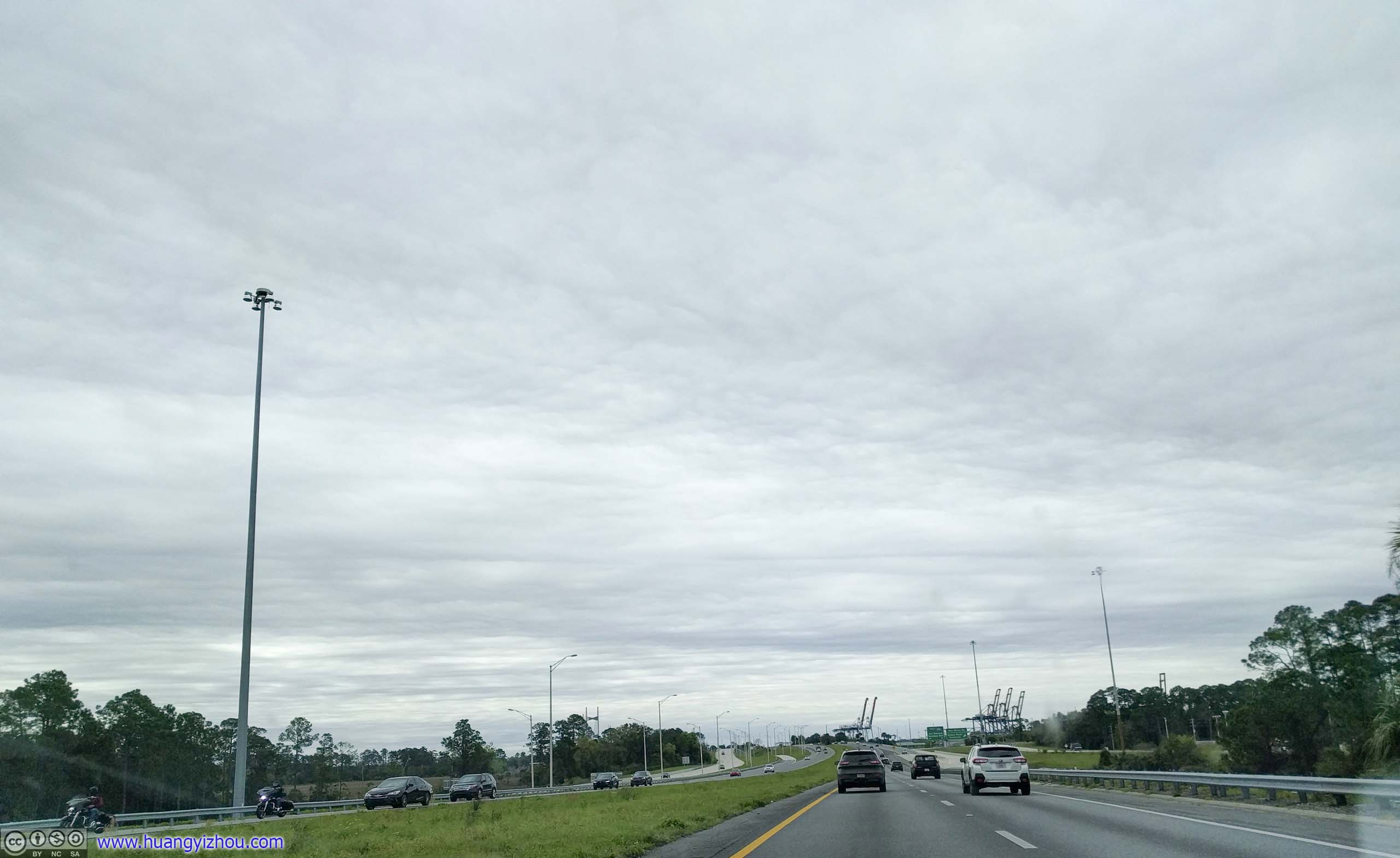
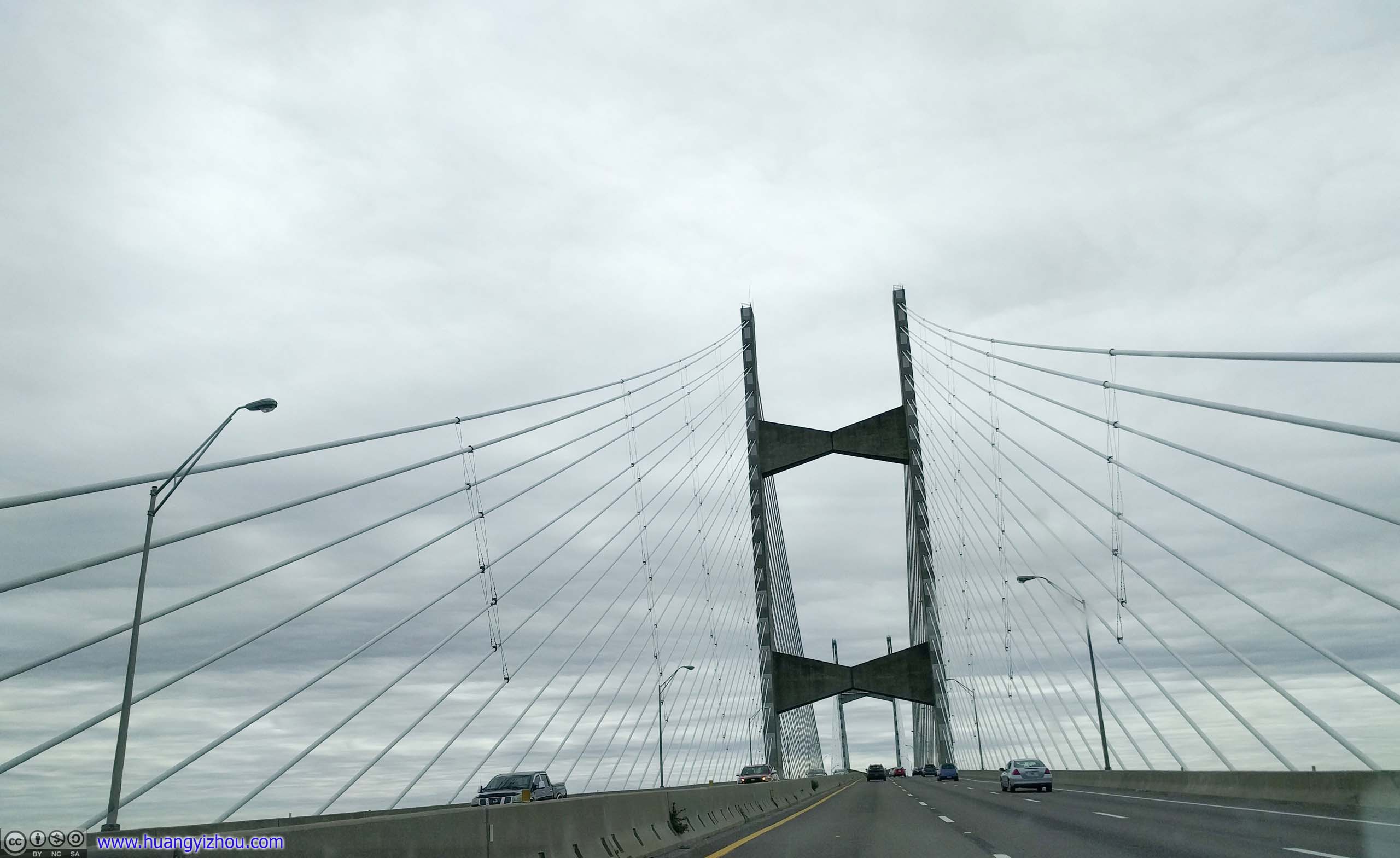
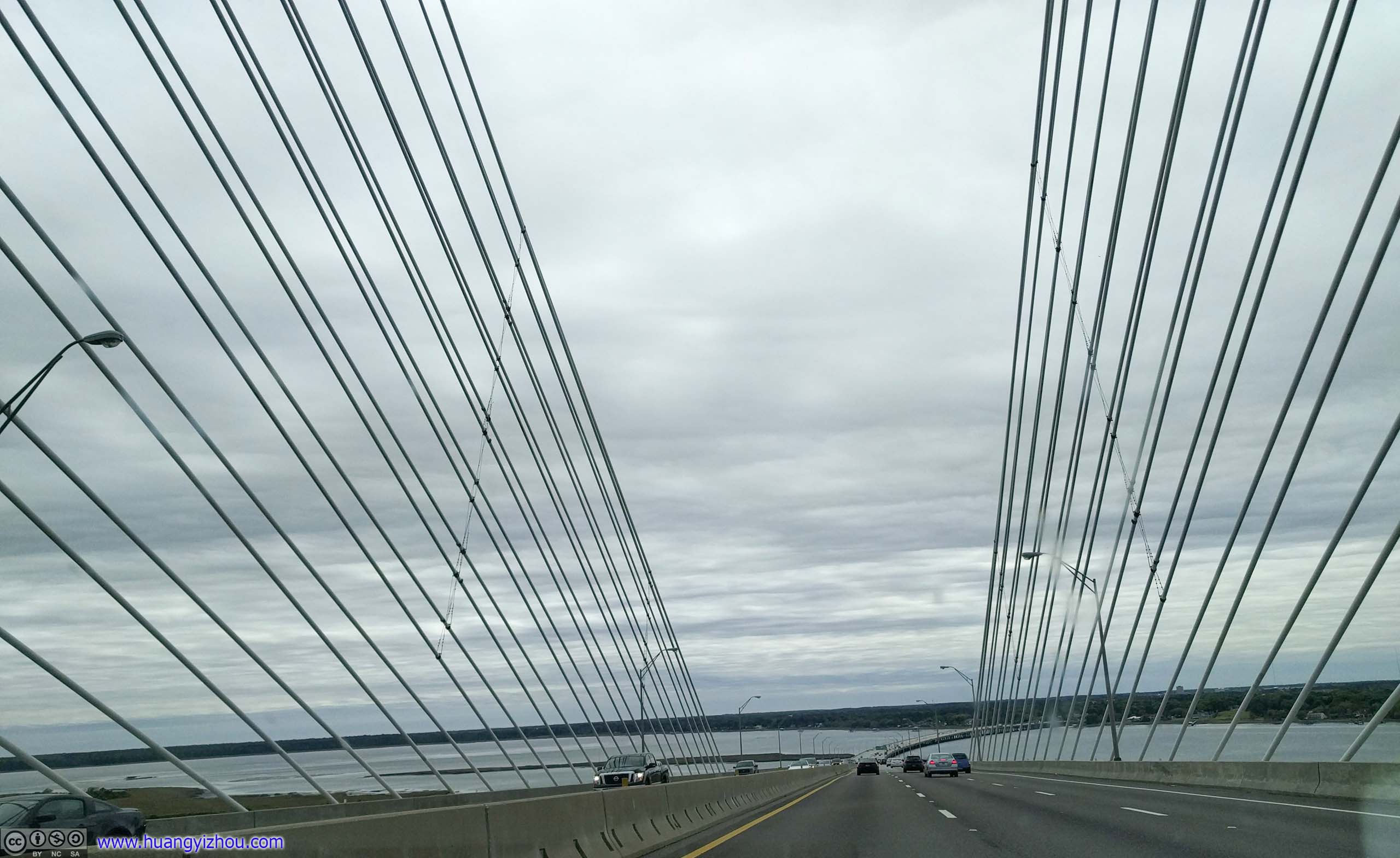
After a quick lunch on the outskirts of St. Augustine, I arrived in the city at 2pm.
Founded in 1565, St. Augustine was the oldest continuously-inhabited European-established settlement in the continental United States. I would love to call it "oldest city in United States", only that it would be inaccurate. European-established: Acoma Pueblo in New Mexico was founded in 1144. Continental US: Puerto Rico was founded in 1508. So there must be a lot of history to see in the city.
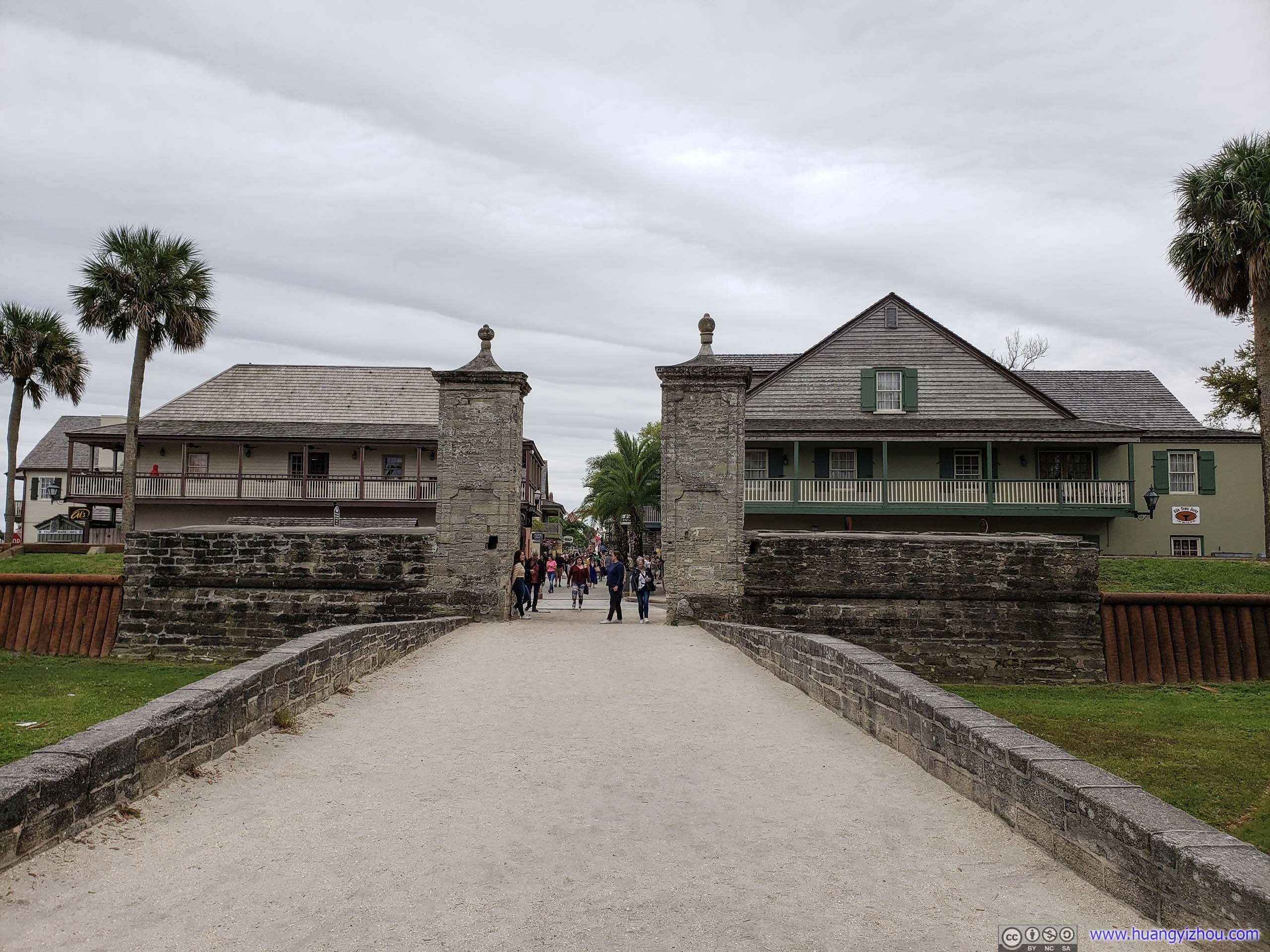
Gate opened in 1739, proving the only access through defense line on the North side of St. Augustine. The gate was open for trade during the day and closed at night. Royal engineer Manuel De Hita built the Coquina pillars in 1808. Walls on both sides of the gate were restored.
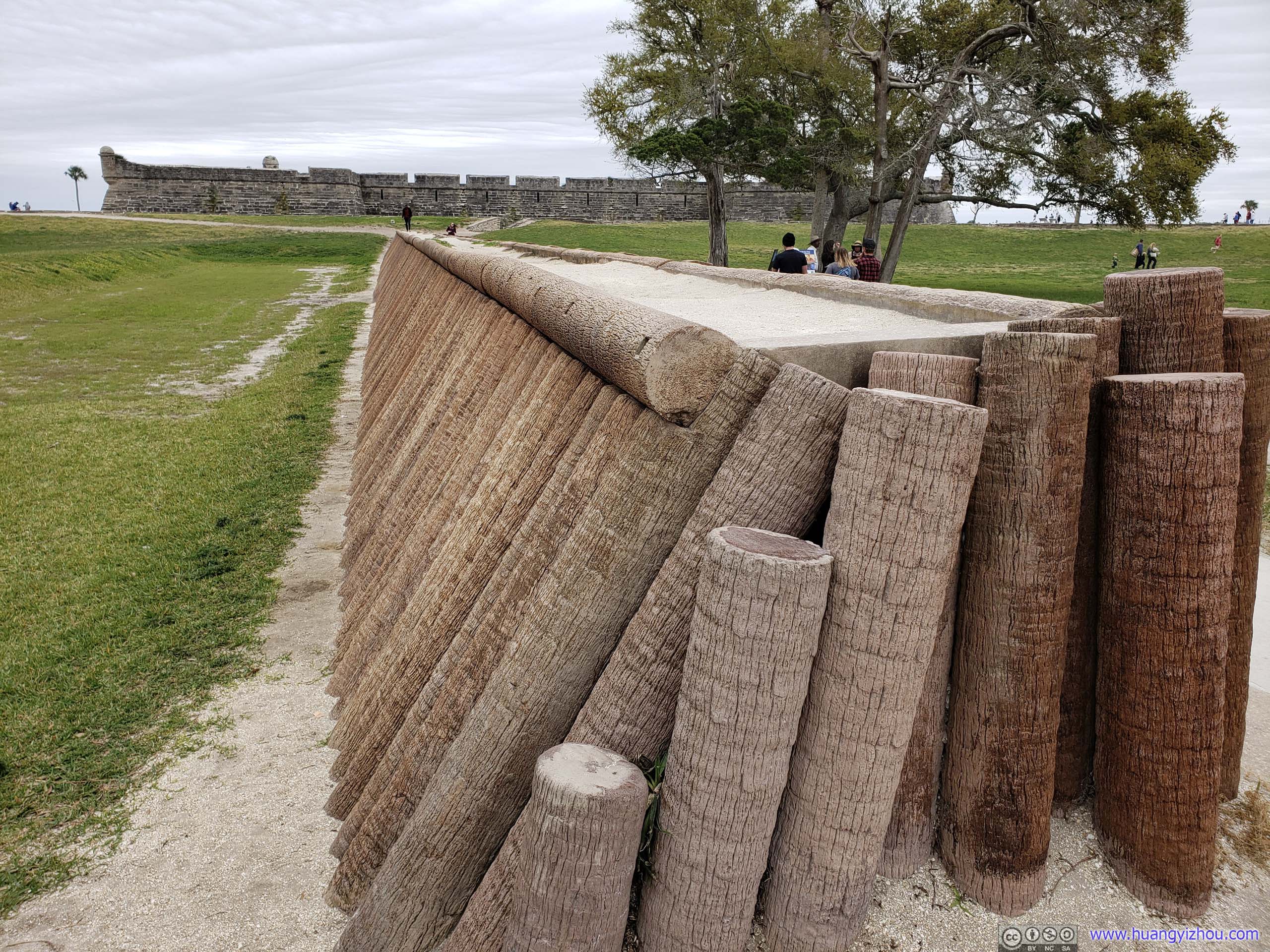
A defensive wall made of earth and log marking the northern end of the city. On the left there used to be a moat.
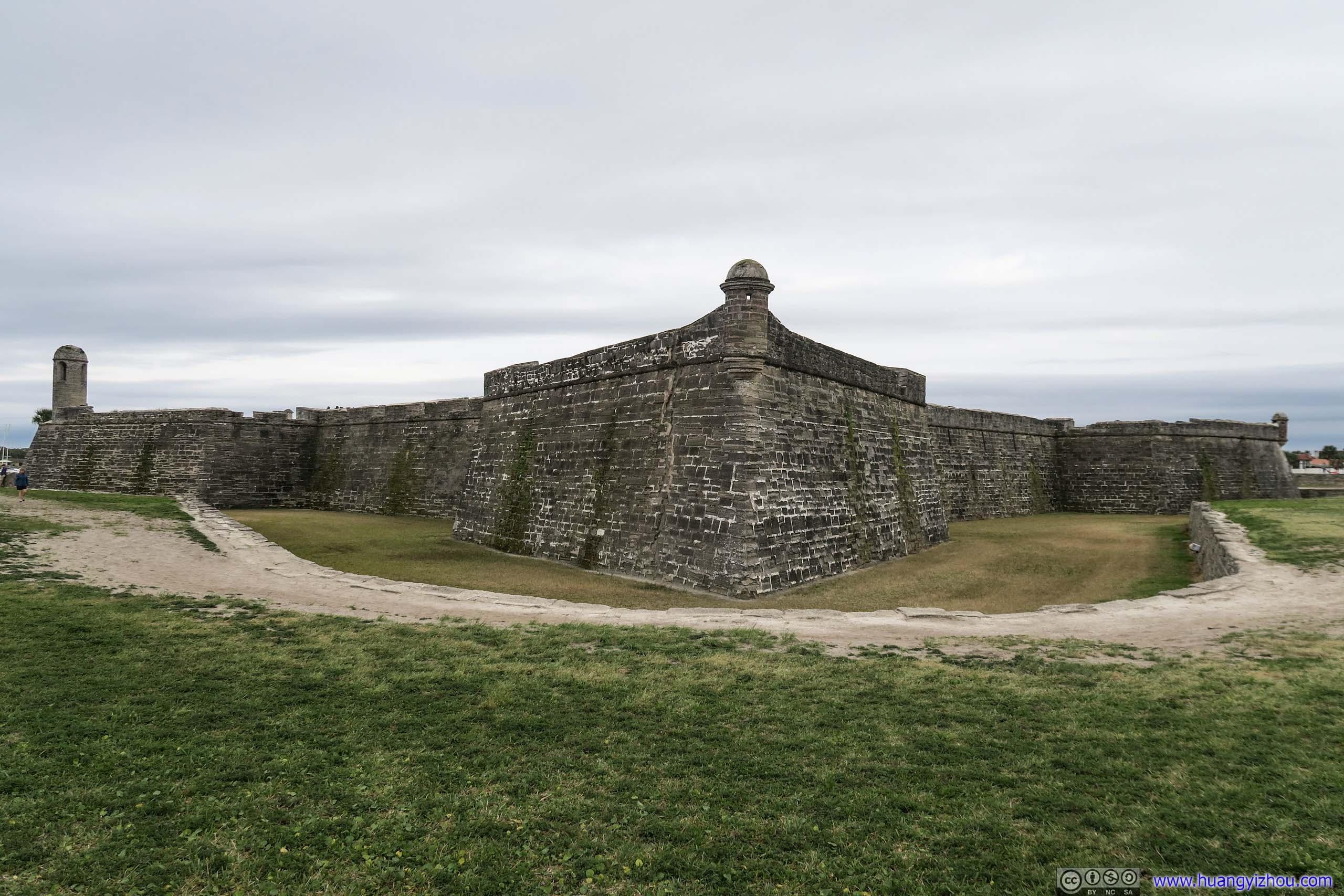
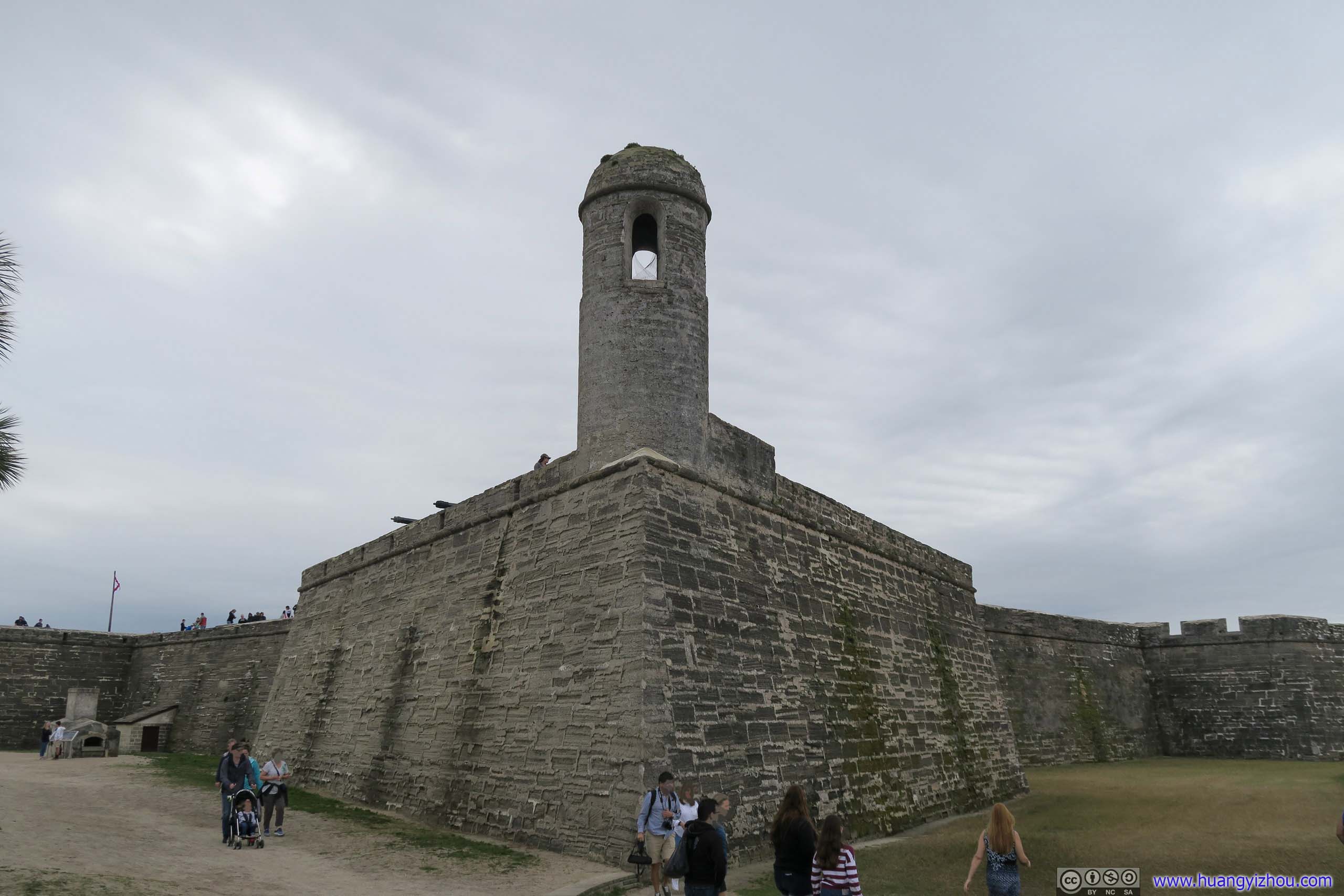
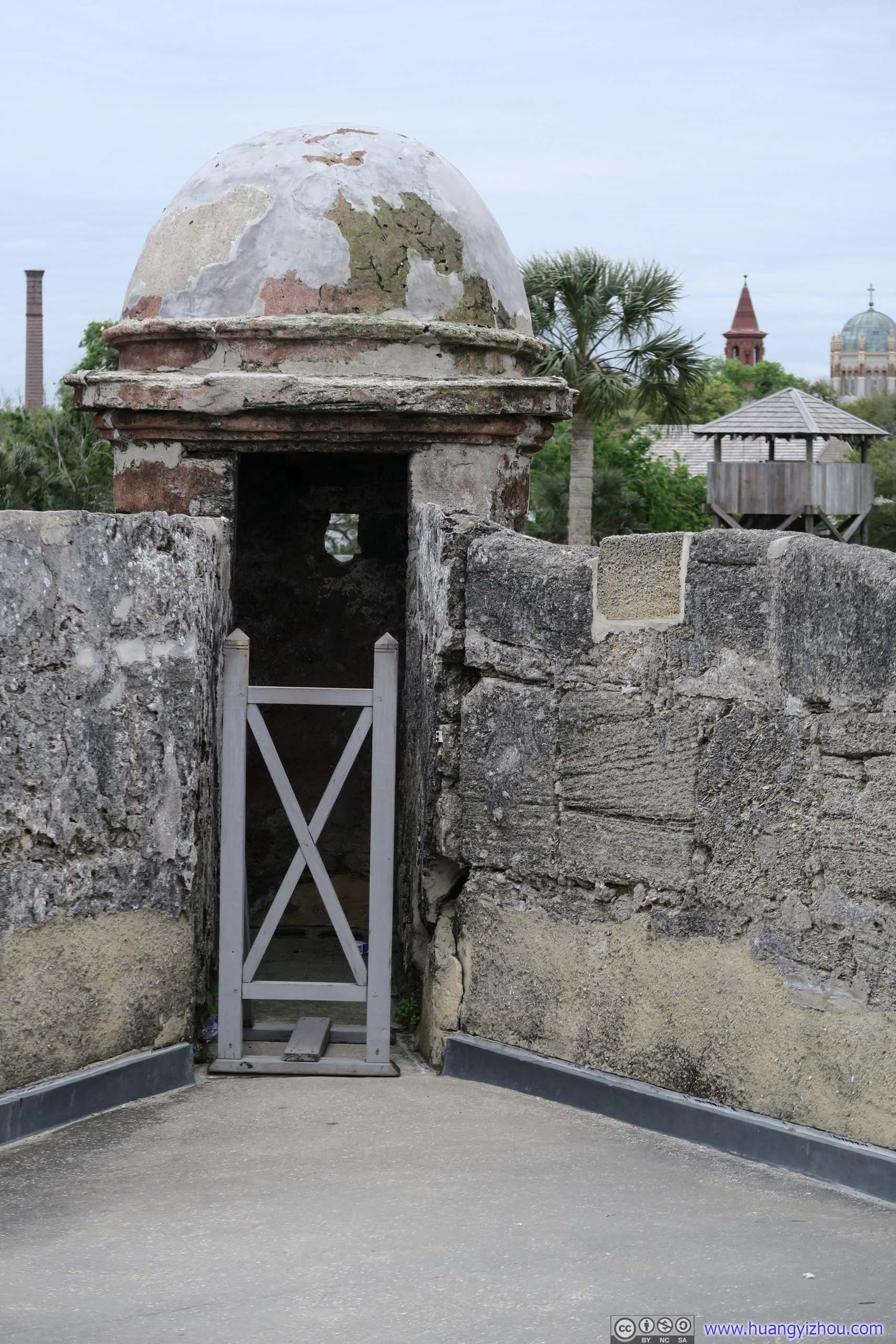
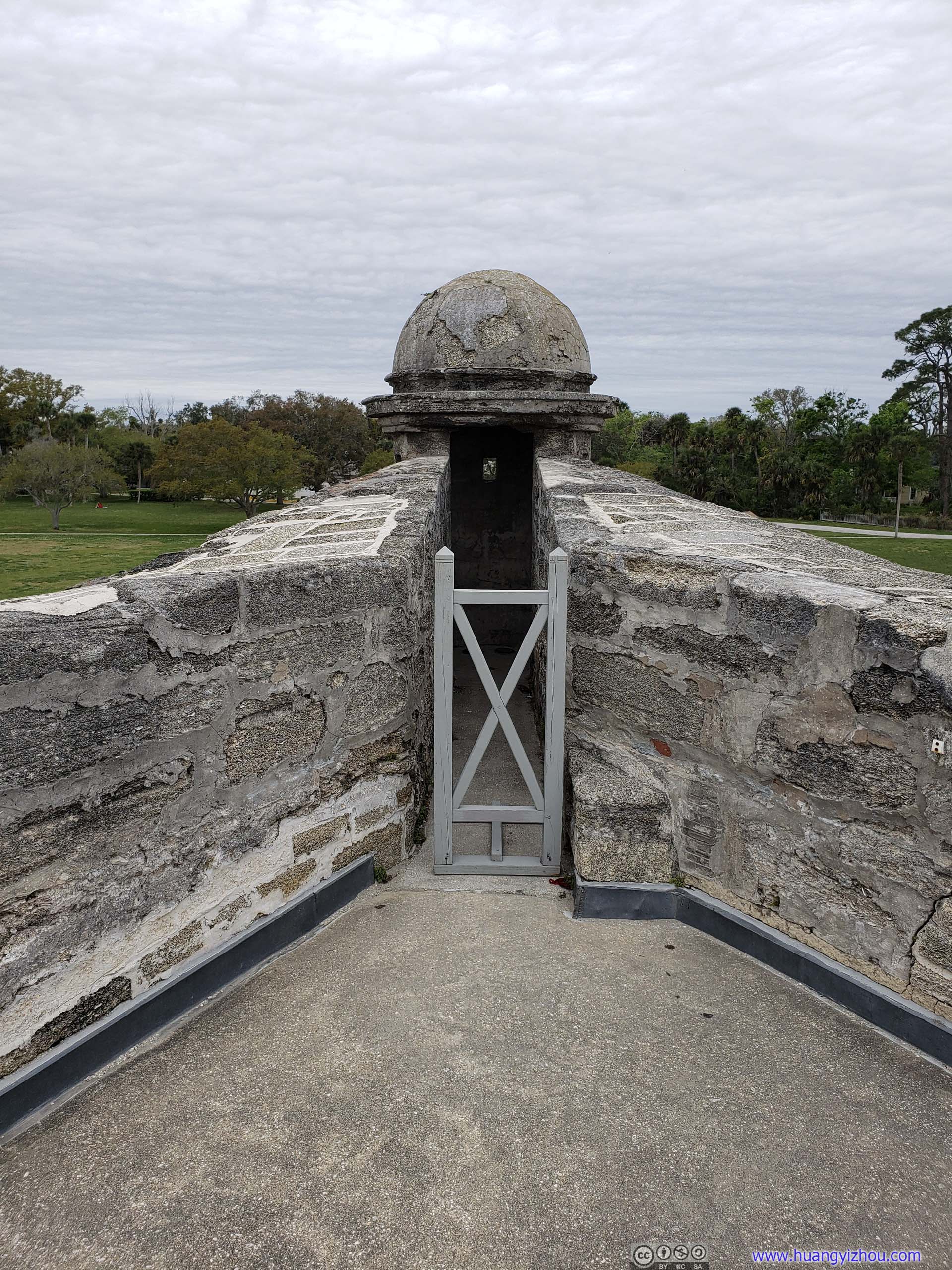
I made Castillo de San Marcos my first stop of the day. Built in 1672, it's probably the city's oldest relics, now in NPS possession.
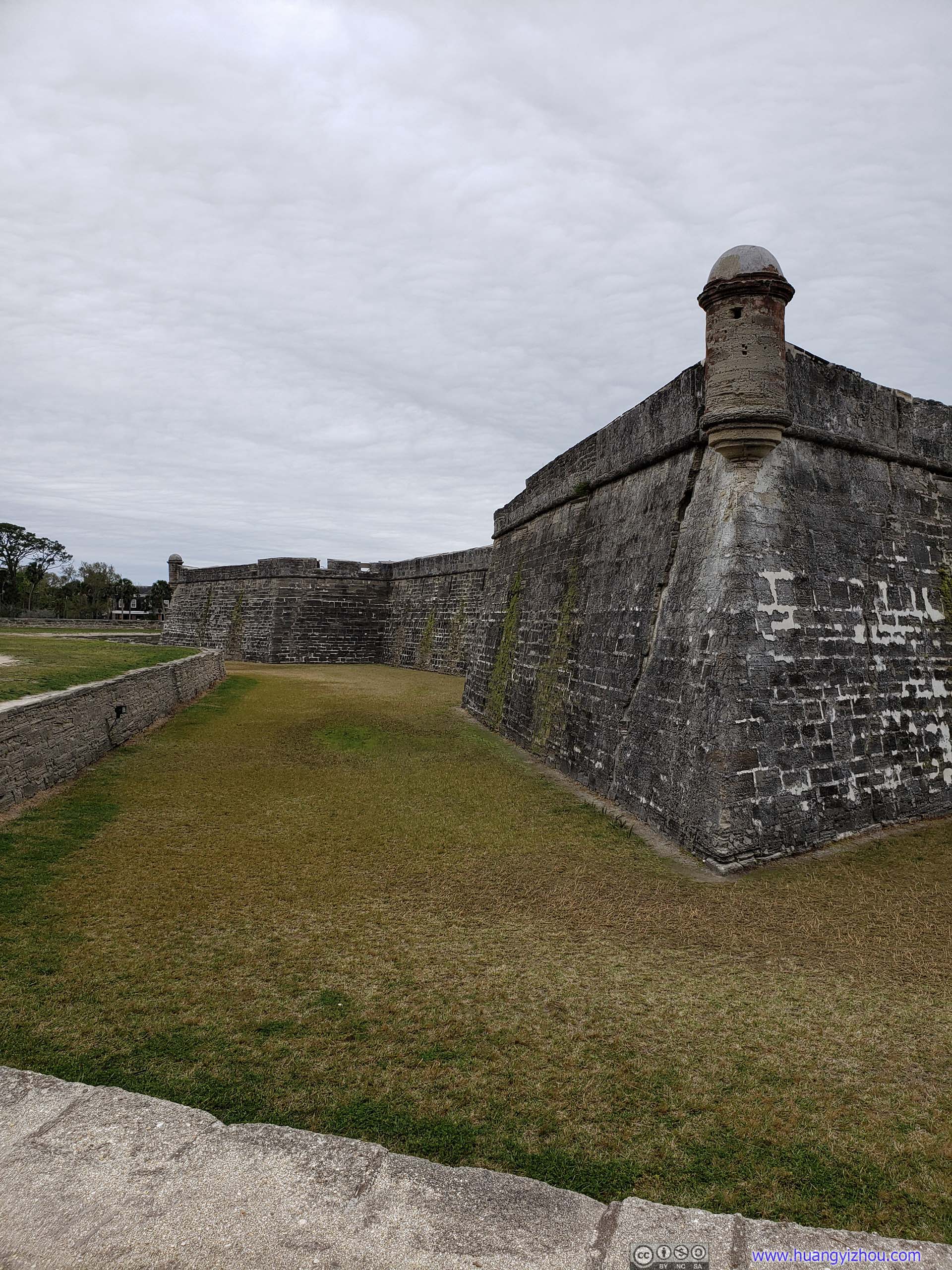
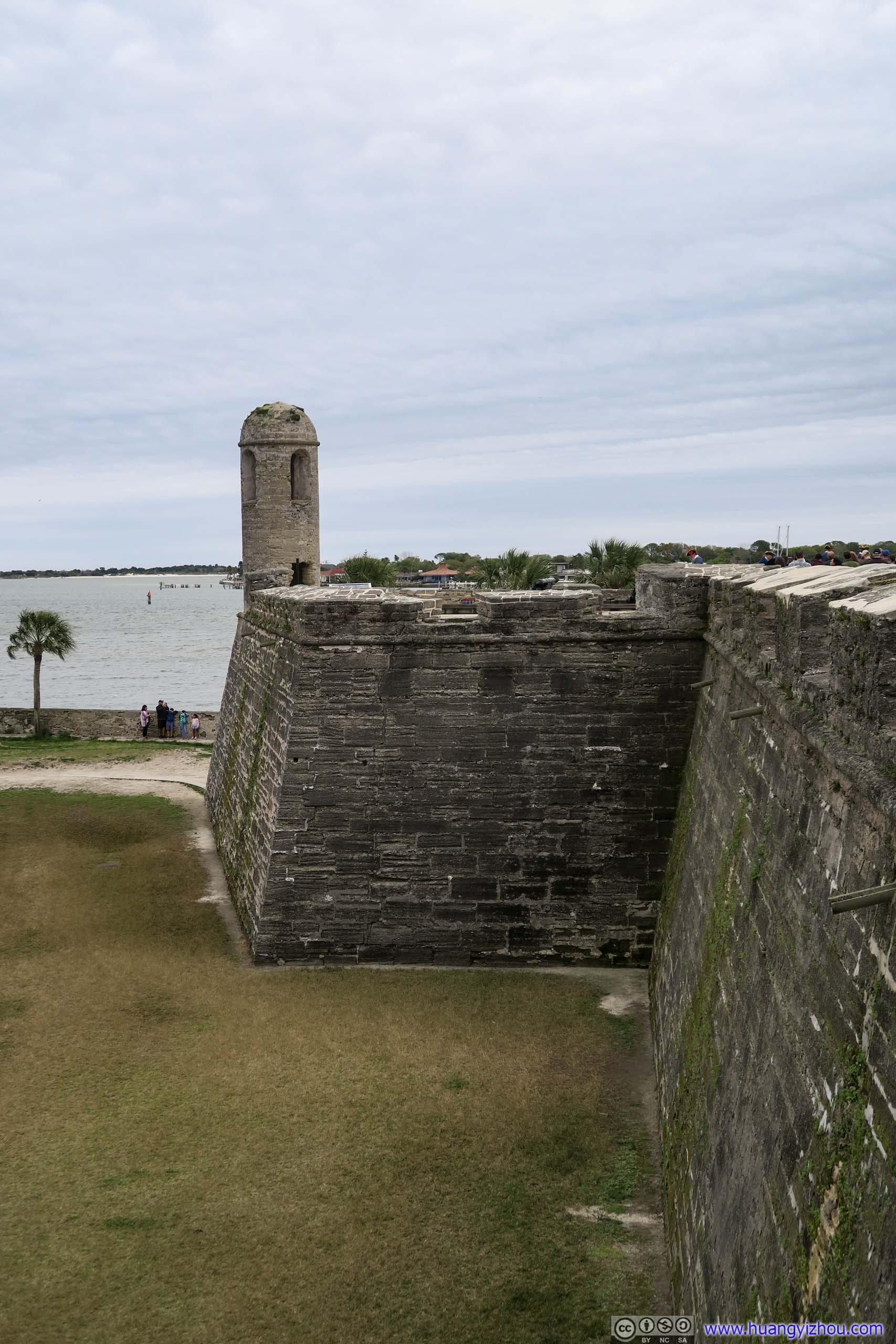
That's when I learned the possession of the fort has changed many times, amazingly, all peacefully.
- 1763 The British gained control of Spanish Florida in exchange of Havana and Manila.
- 1783 The British lost in the American Revolution War, and ceded Florida to Spain.
- 1821 Spain ceded Florida to United States.
- Officially, the fort changed hands before and after US Civil War.
Looking at this part of history, I almost felt bad for Florida. It's like they were always the bargaining chip nobody really wanted...
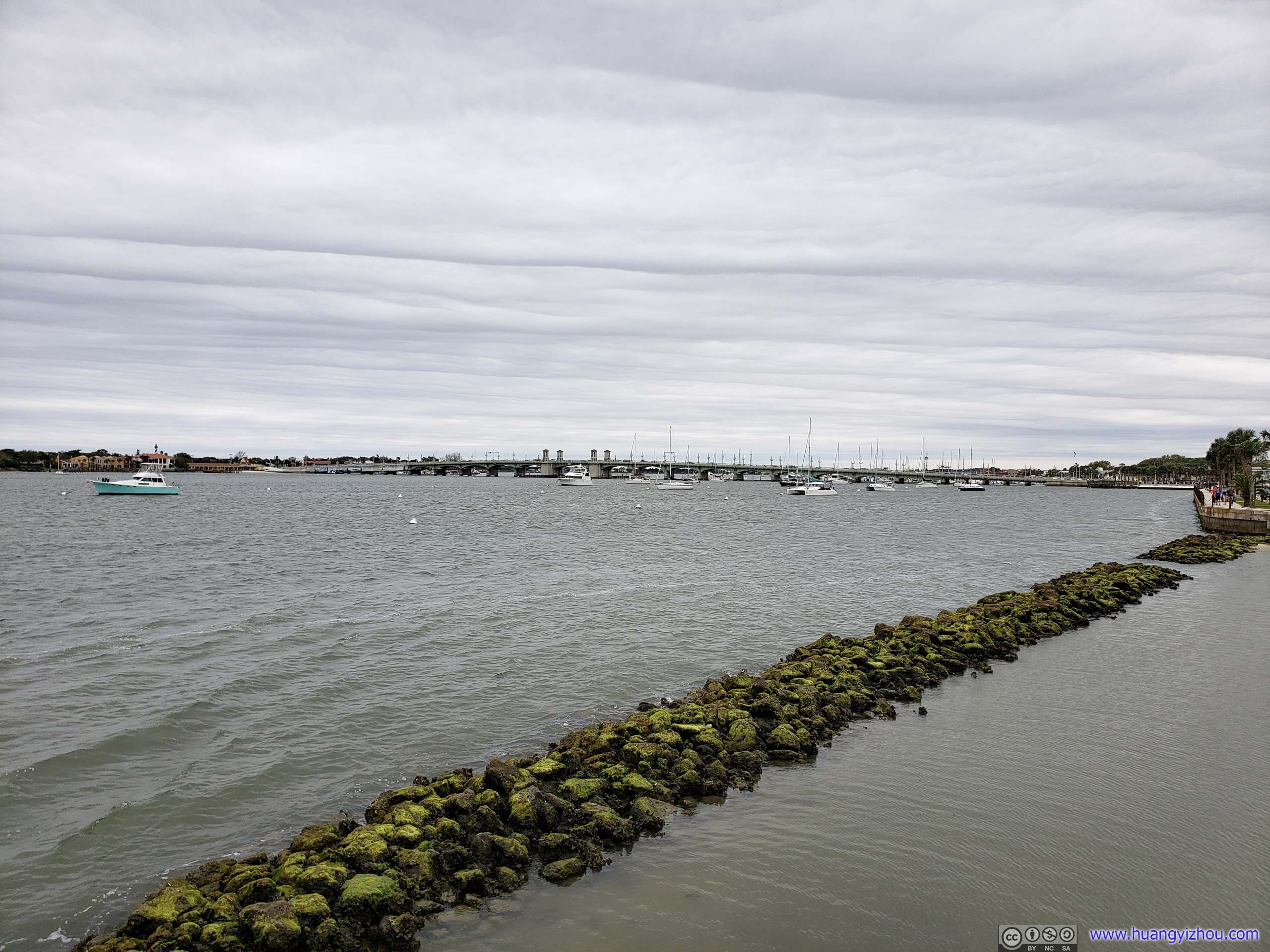
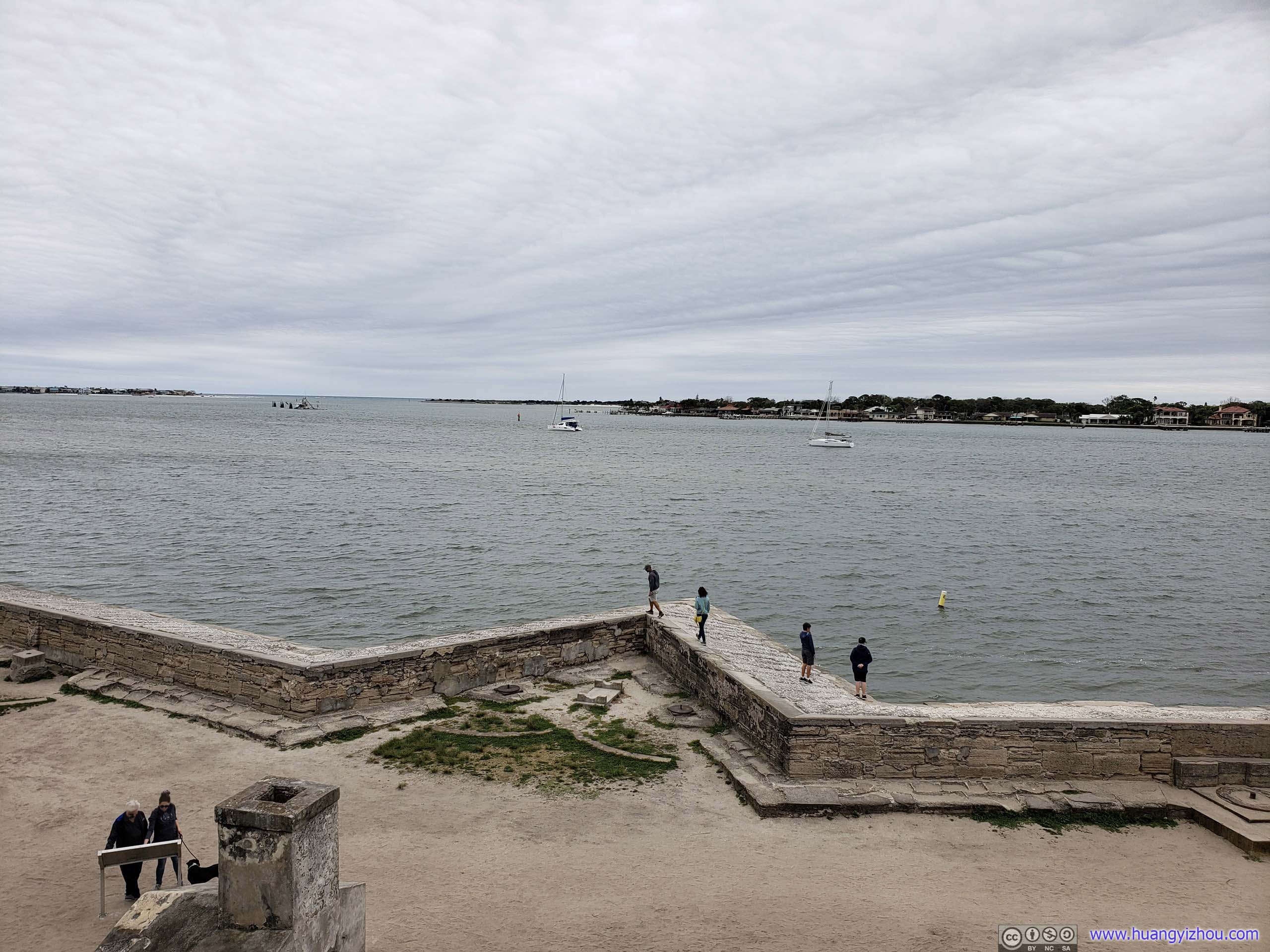
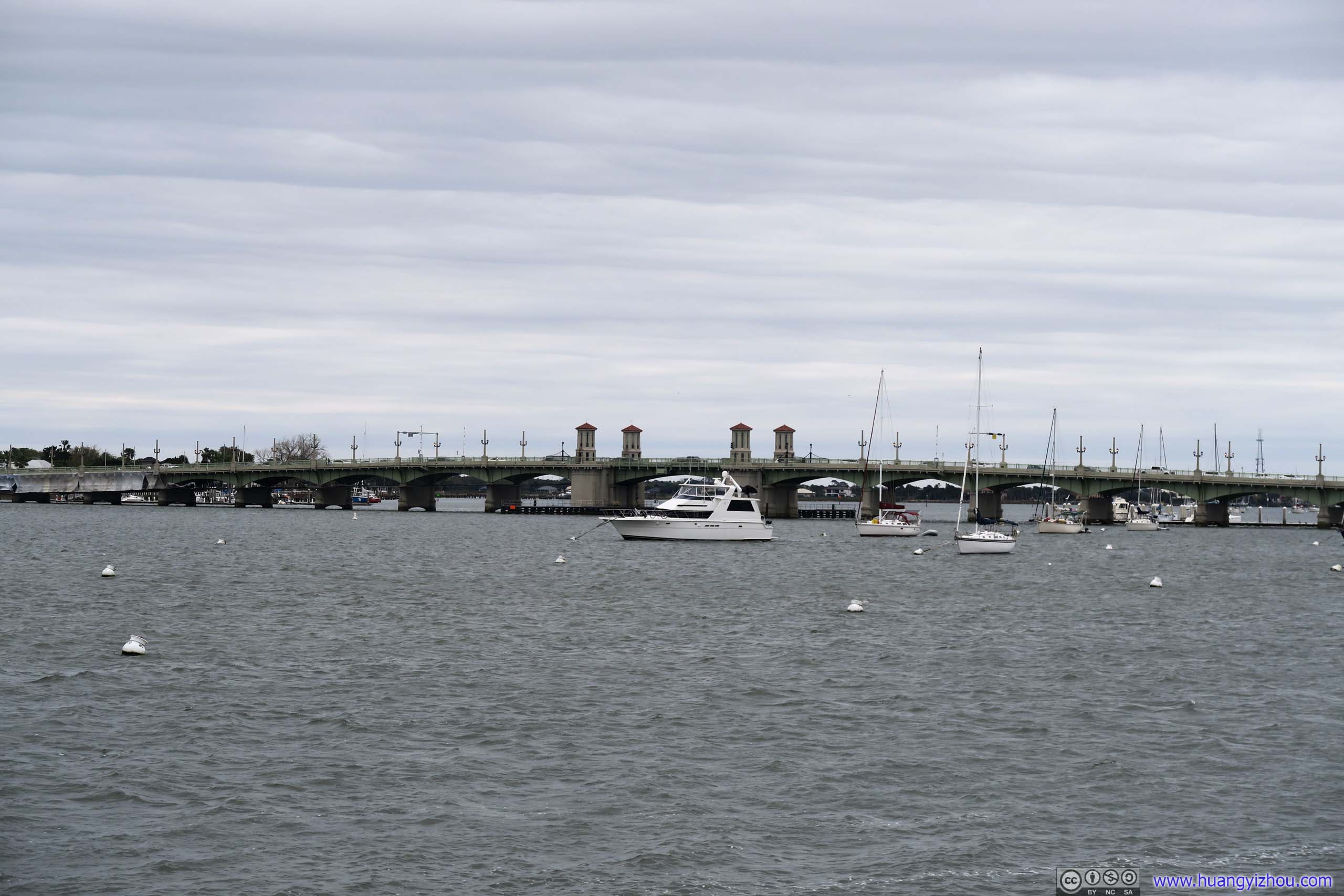
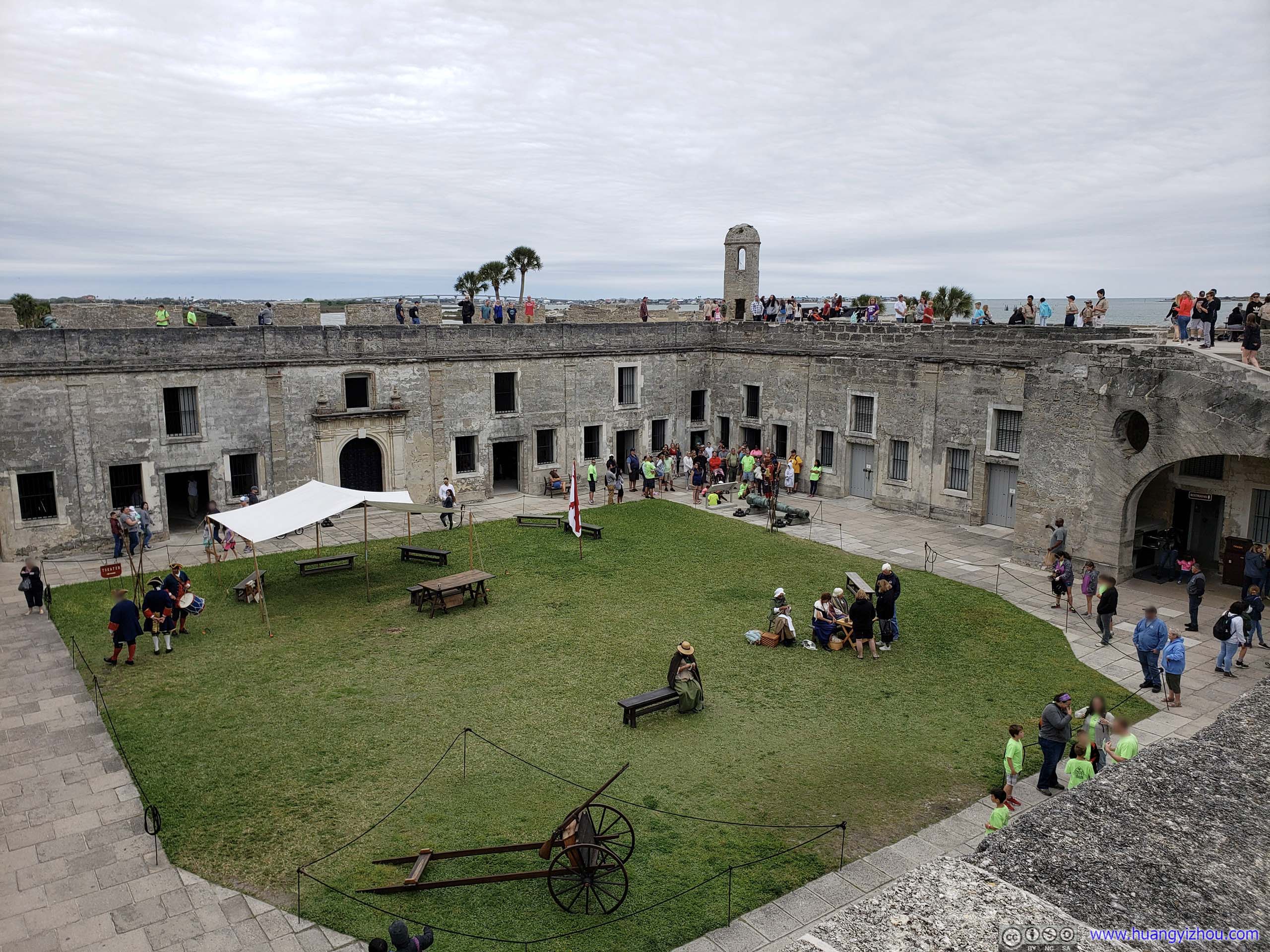
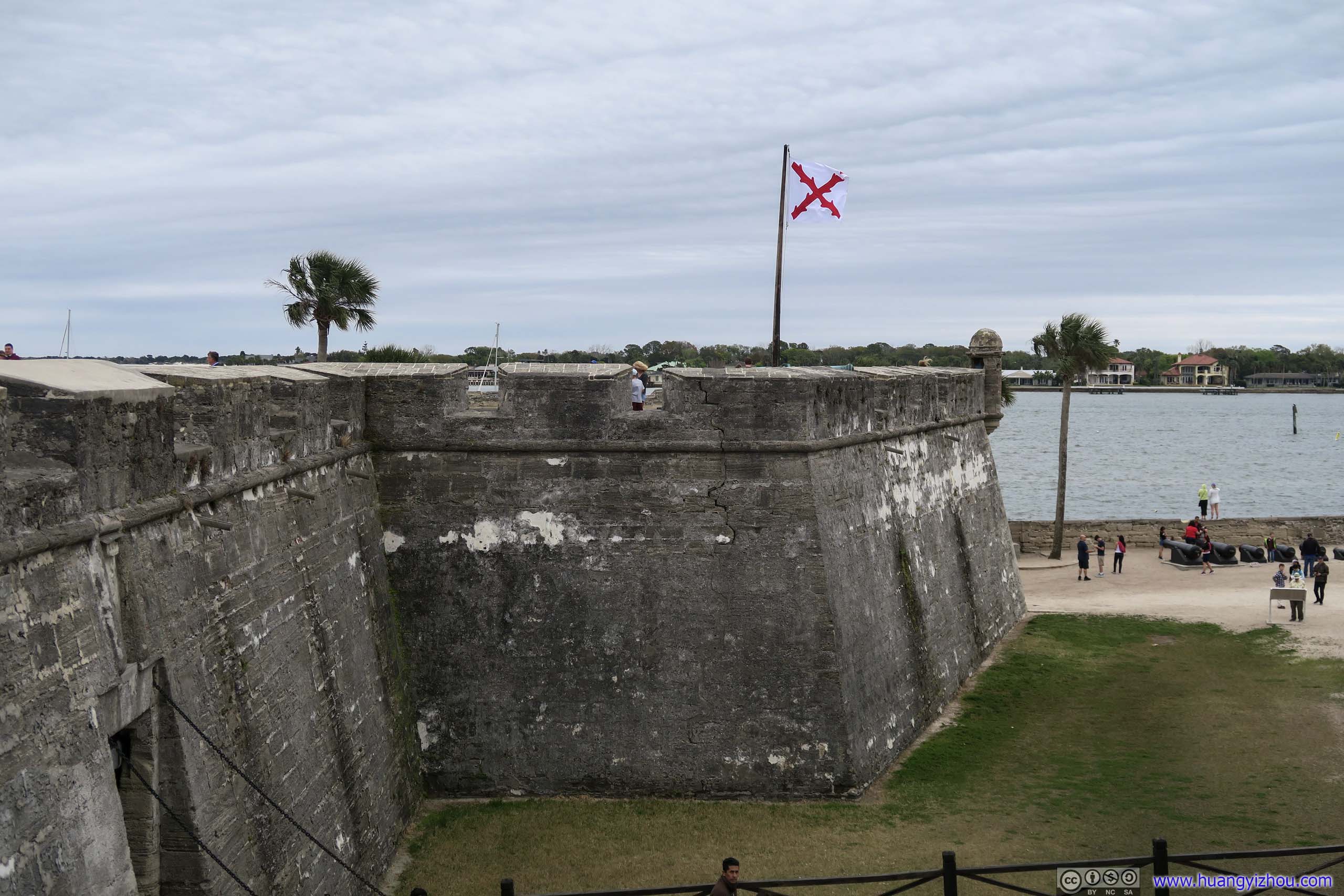
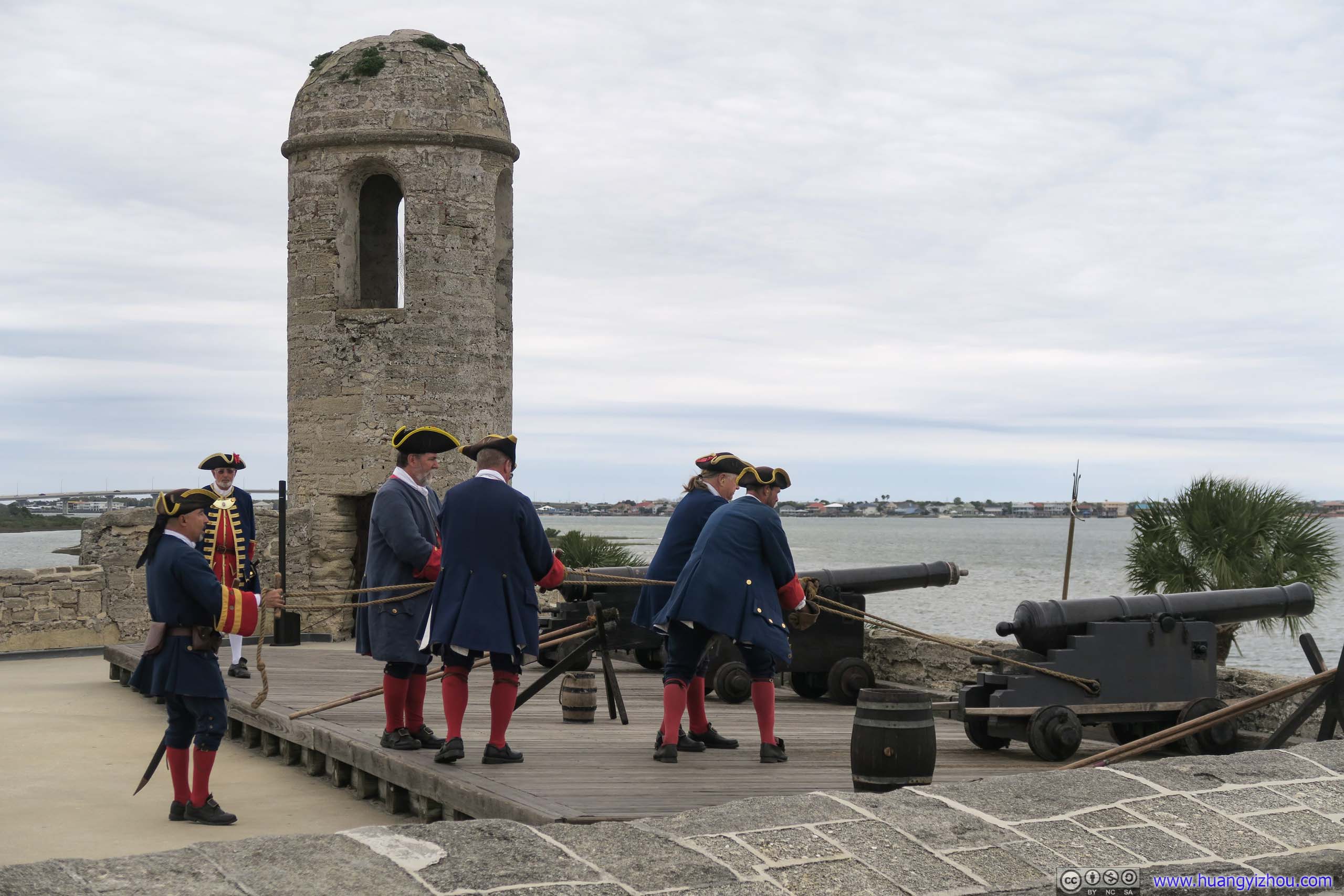
At this time, the fort's cannon firing demonstration happened to be taking place. And this quickly captured everyone's attention.
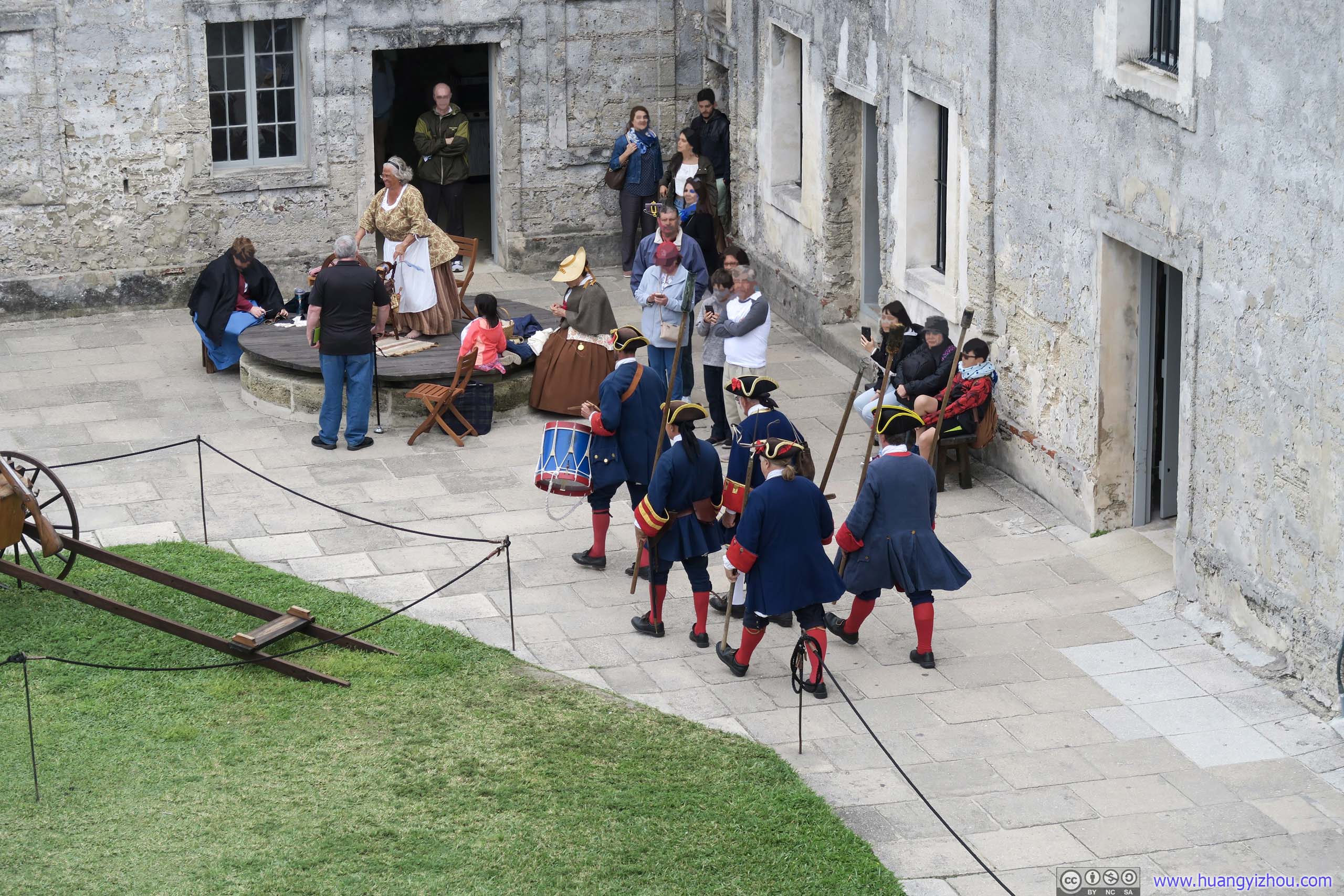
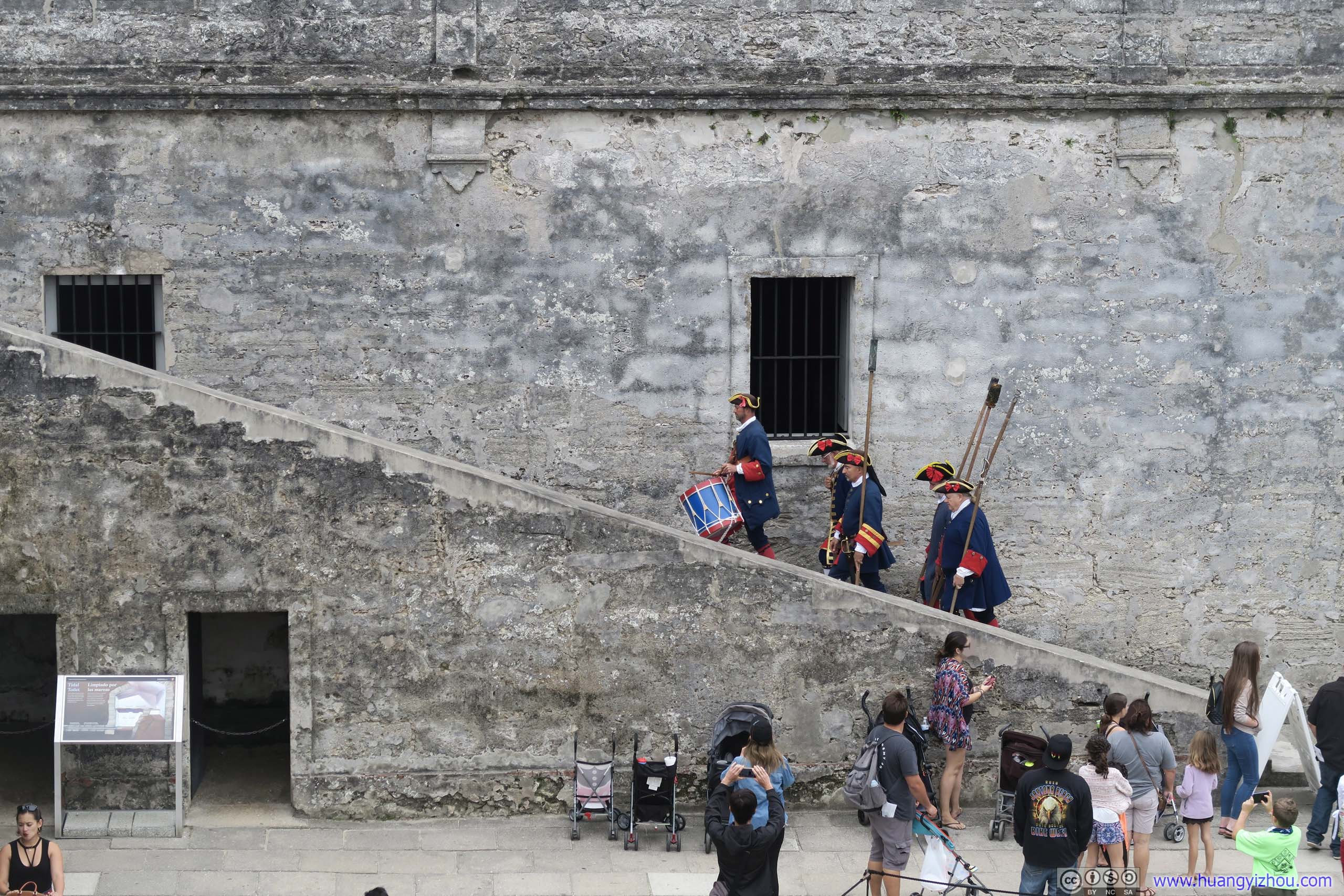
It’s hard to miss their show, given the rather spotty drumbeat.
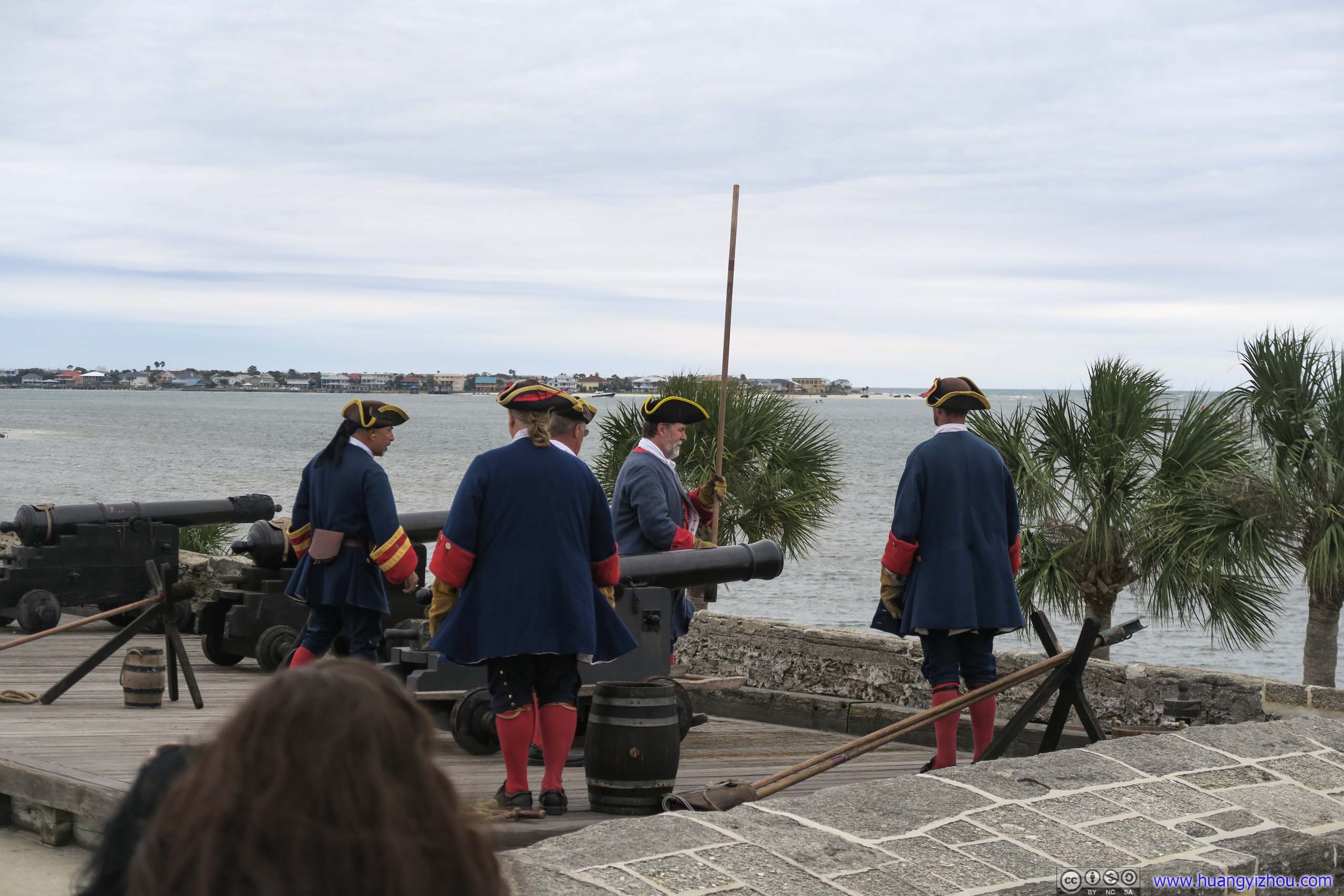
The commands of the cannon firing process were given, for authenticity, in a dialect of Spanish. A quick summary of the cannon firing process: for a second or two of glory, a cannon squad needed to recite a prayer (that's the most amusing part), push the cannon in place, clean its cylinder, load powder, and remind people for many times to cover their ears.
There were a few yachts right in front of the fort in Matanzas River, so as much as I anticipated the cannon firing, I was looking for mischief befalling those yacht people.
Disappointingly, it turned out that the cannon firing was powder-only, no projectiles.
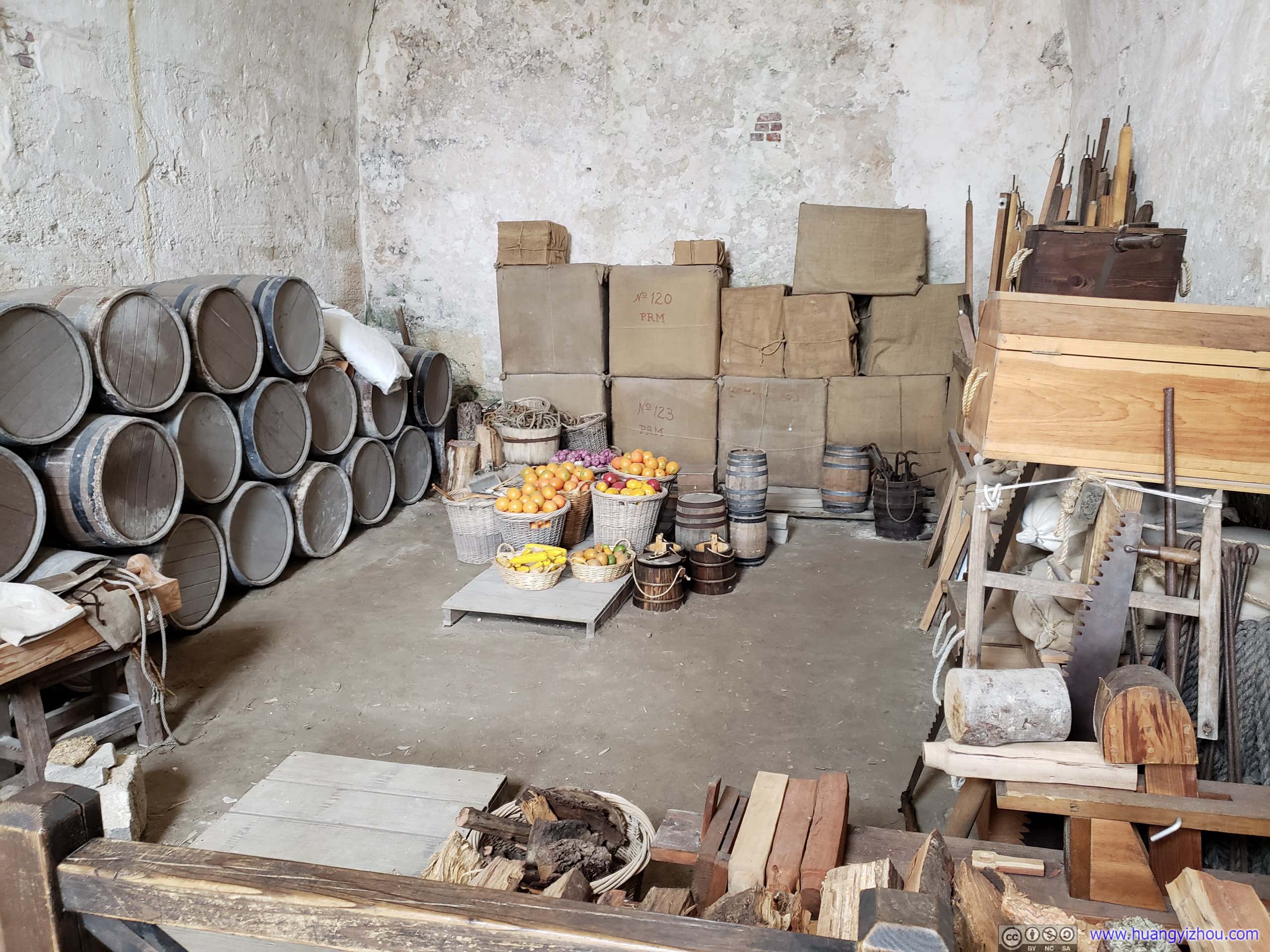
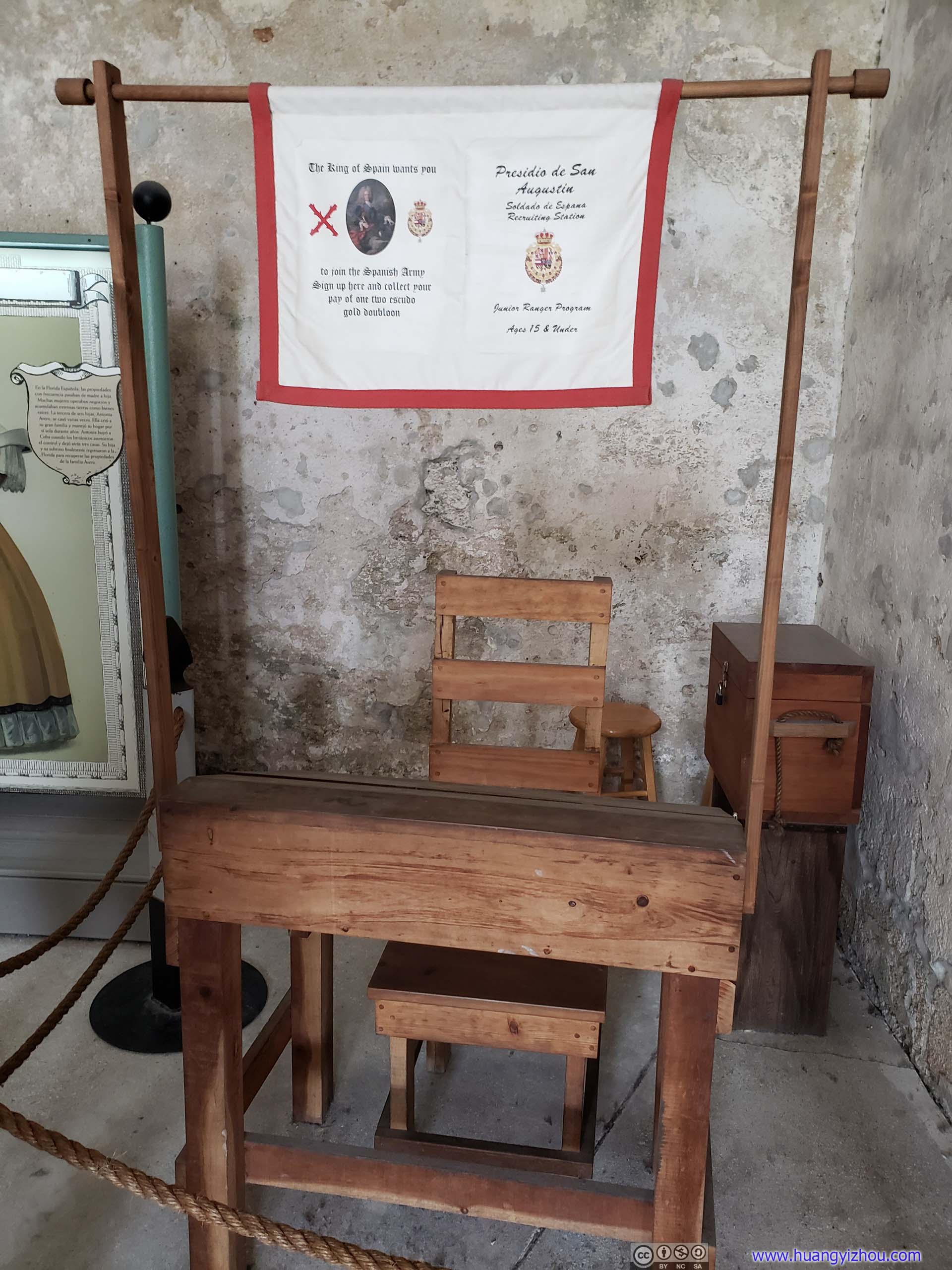
After that, I did a tour of the rest of the fort, mostly casemates filled with exhibits.
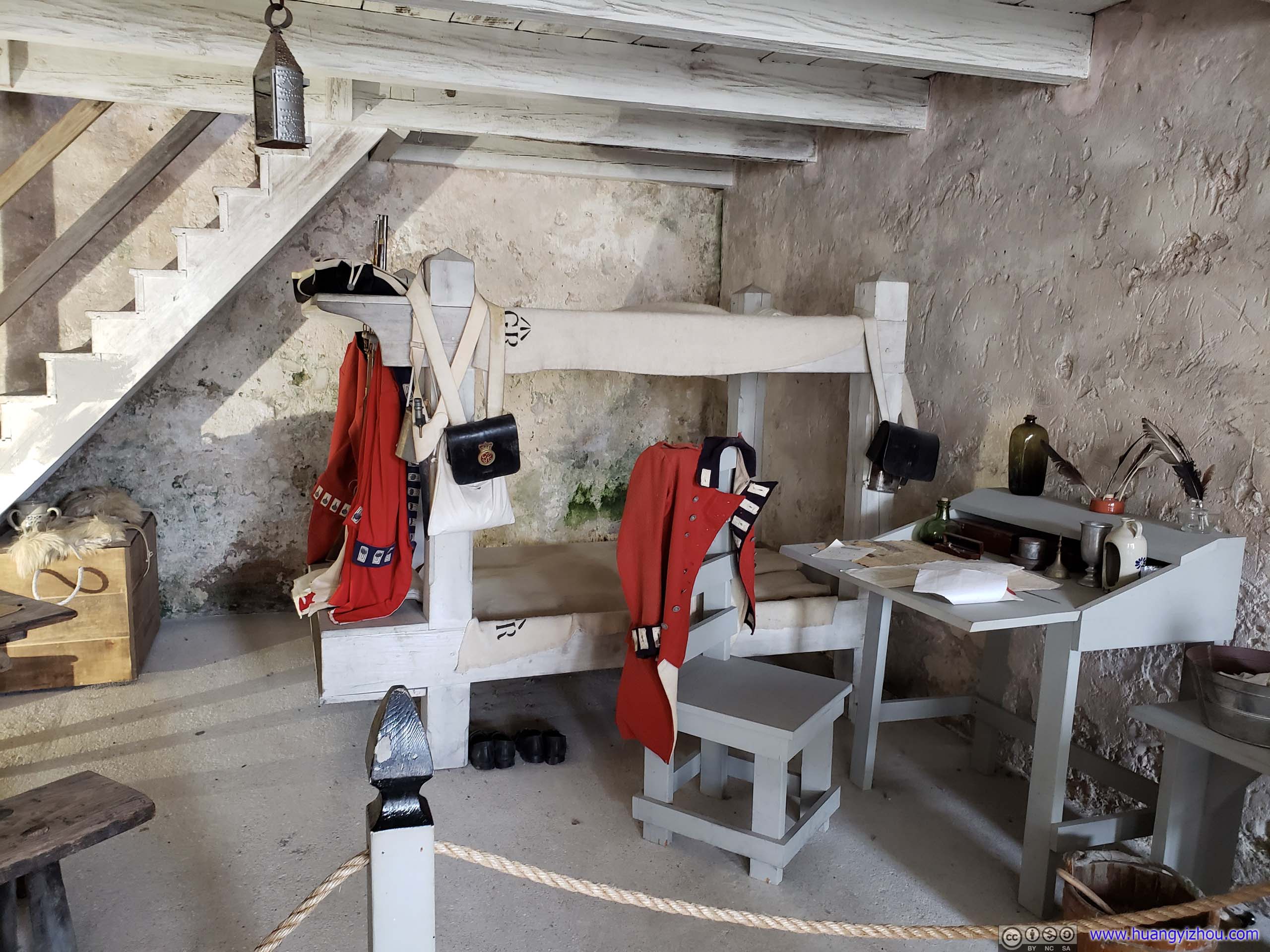
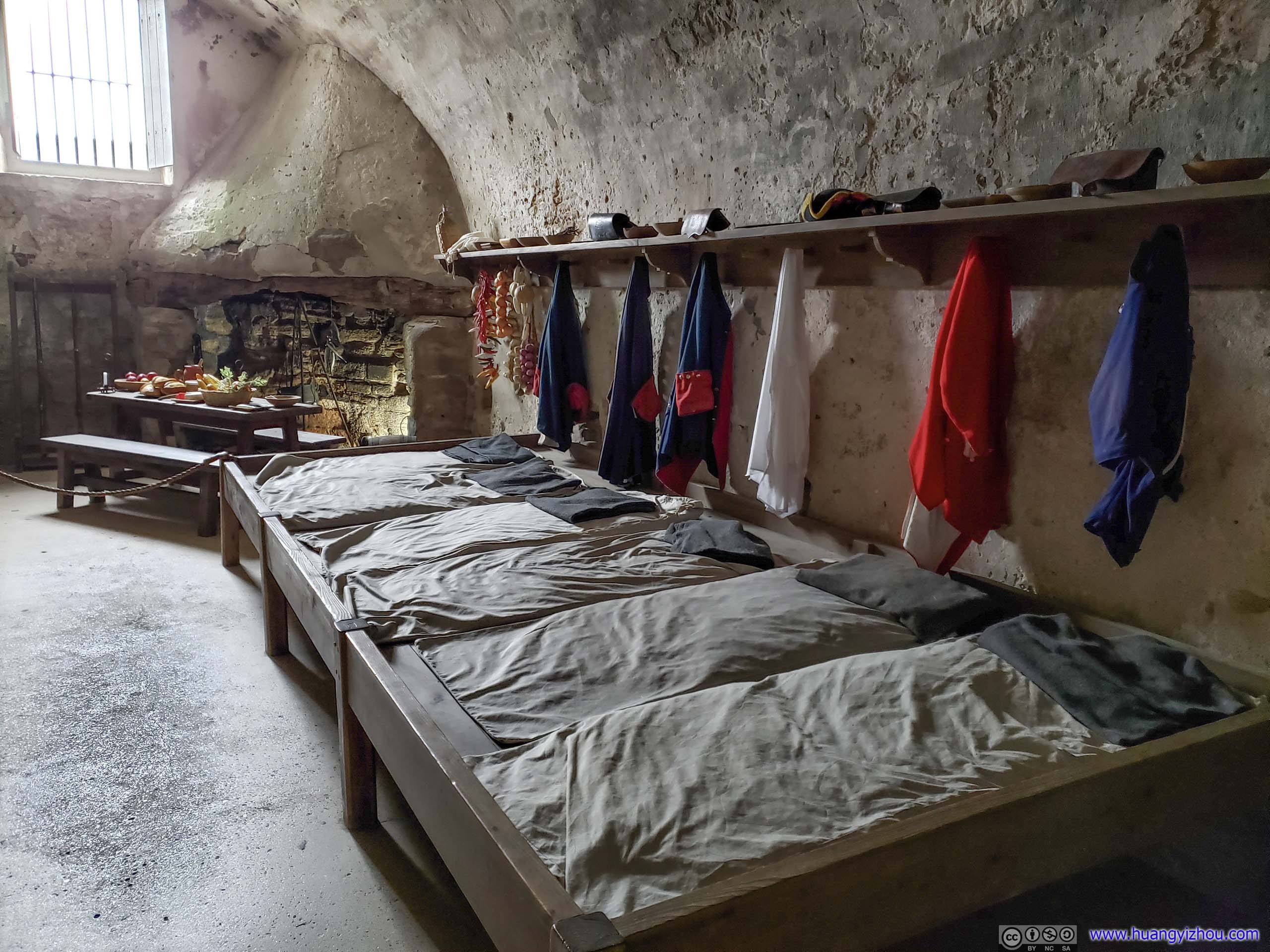
A replica of British-era (1763-1783) bunk beds. It mustn’t be a comfortable experience as four soldiers, two on top and two on bottom had to sleep here, with all their gears fitted somewhere near the bed.
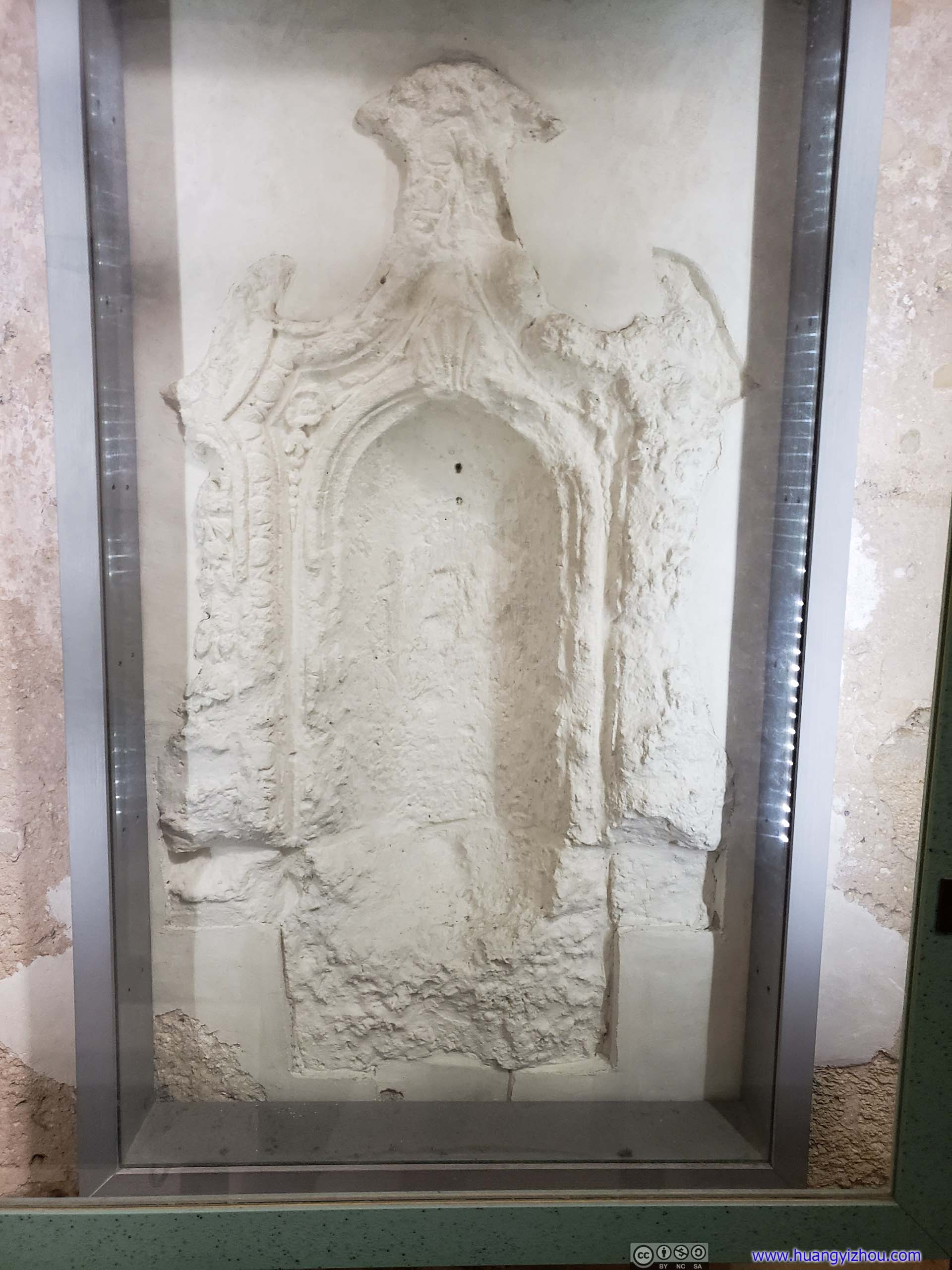
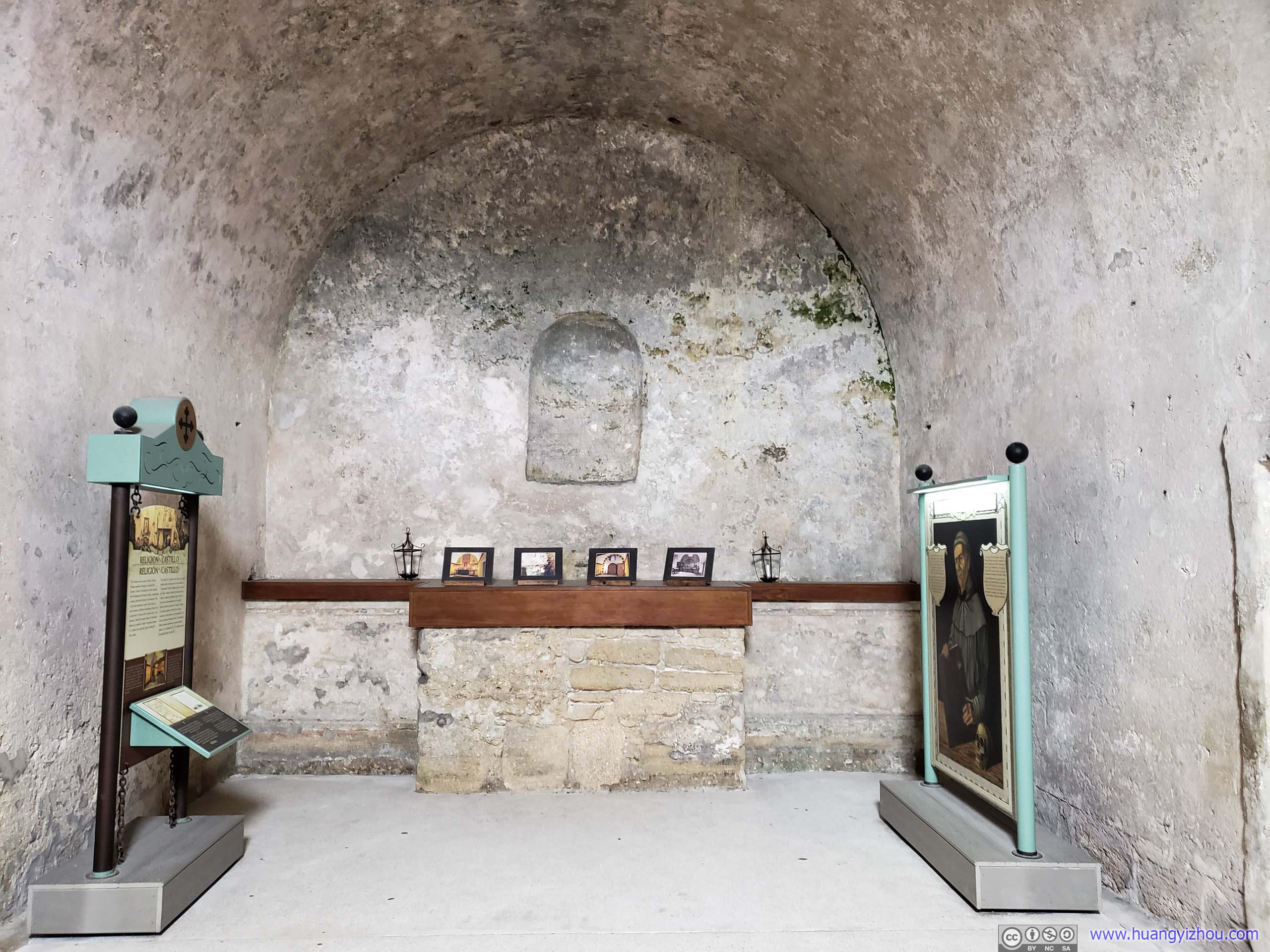
Catholics dip their fingers in holy water and make the sign of cross. Years of finger dipping eroded this fountain.
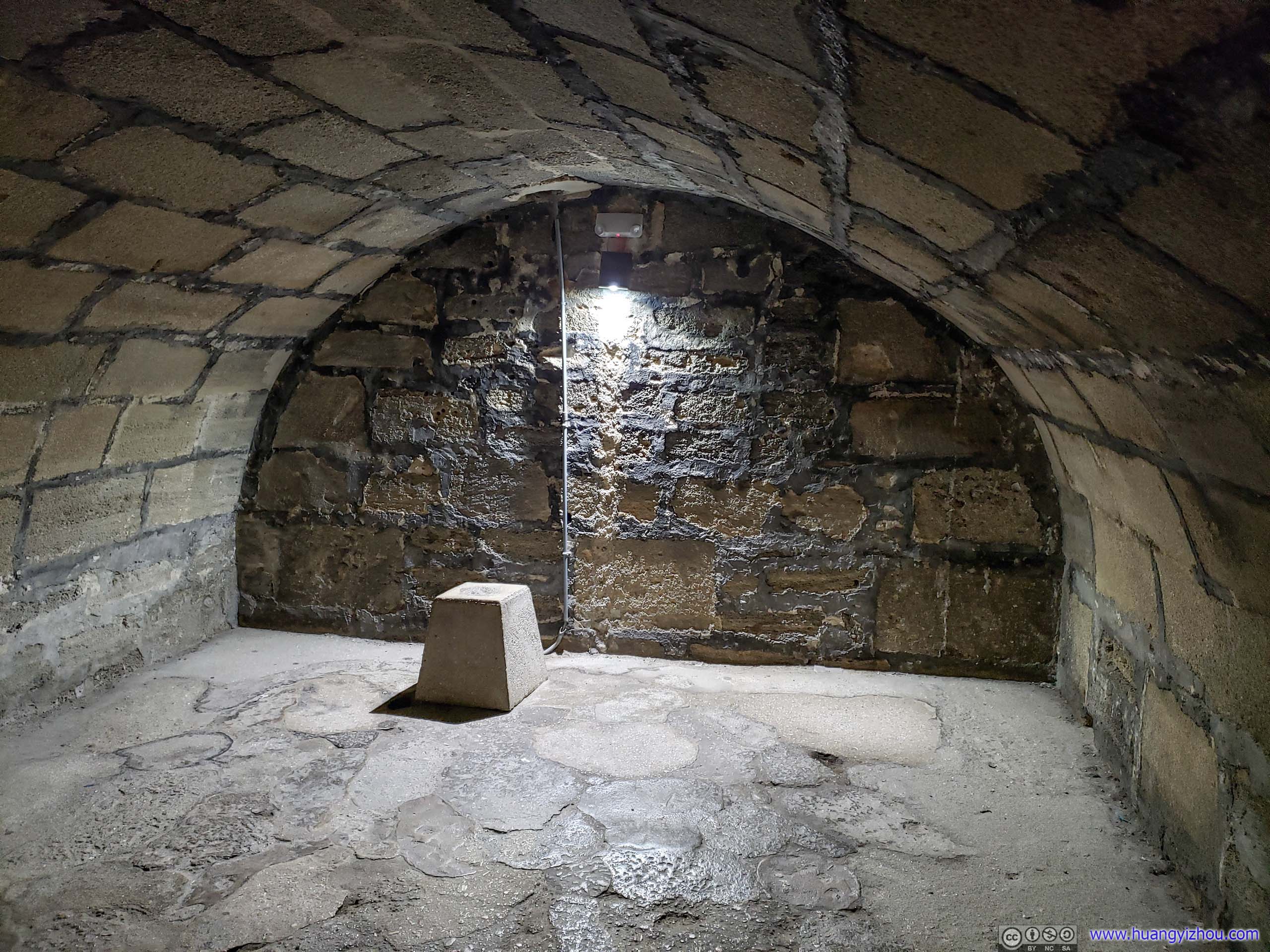
Used as a trash pit during the 1702 siege and was sealed up for over 100 years.
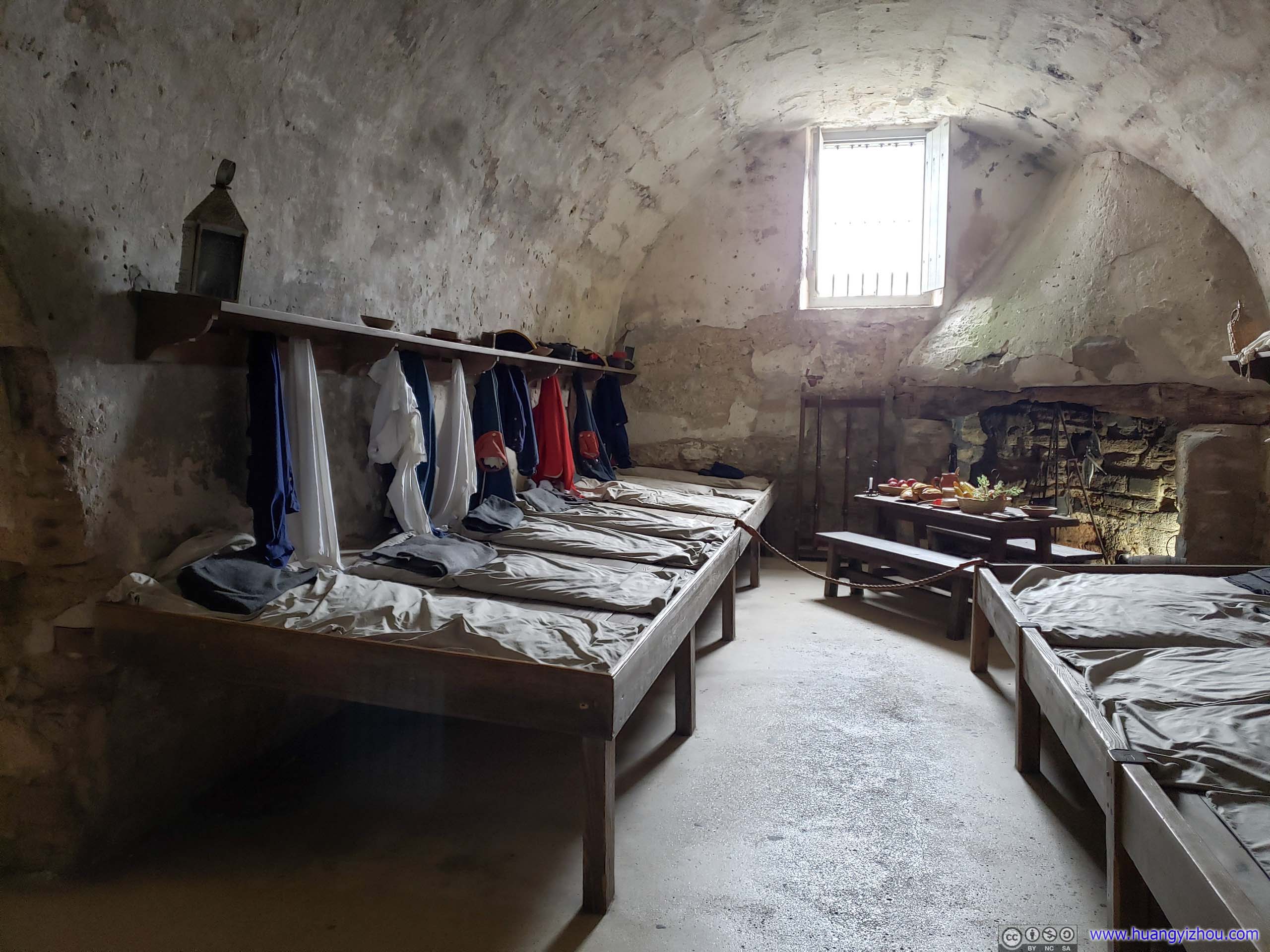
By a nearby information board, the job of a being a solider was boring and not well-paid. The former was addressed with smoking and games (aside from training), and the latter with second jobs like carpenters or blacksmiths. Many soldiers have homes in the city of St Augustine, and they only stayed in the fort during their shift.
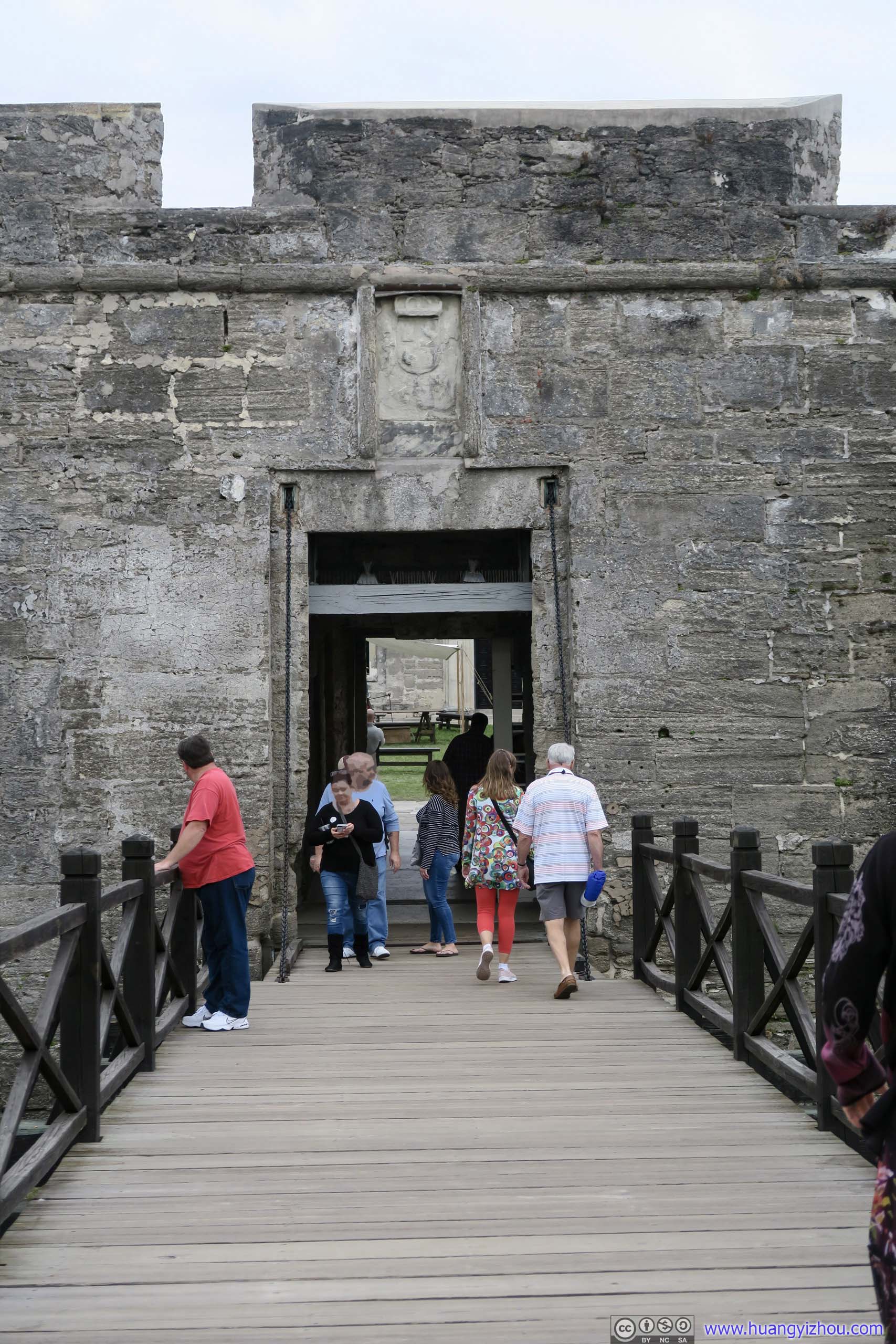
The site of the larger of two drawbridges. Coat of arms above bridge mostly worn away.
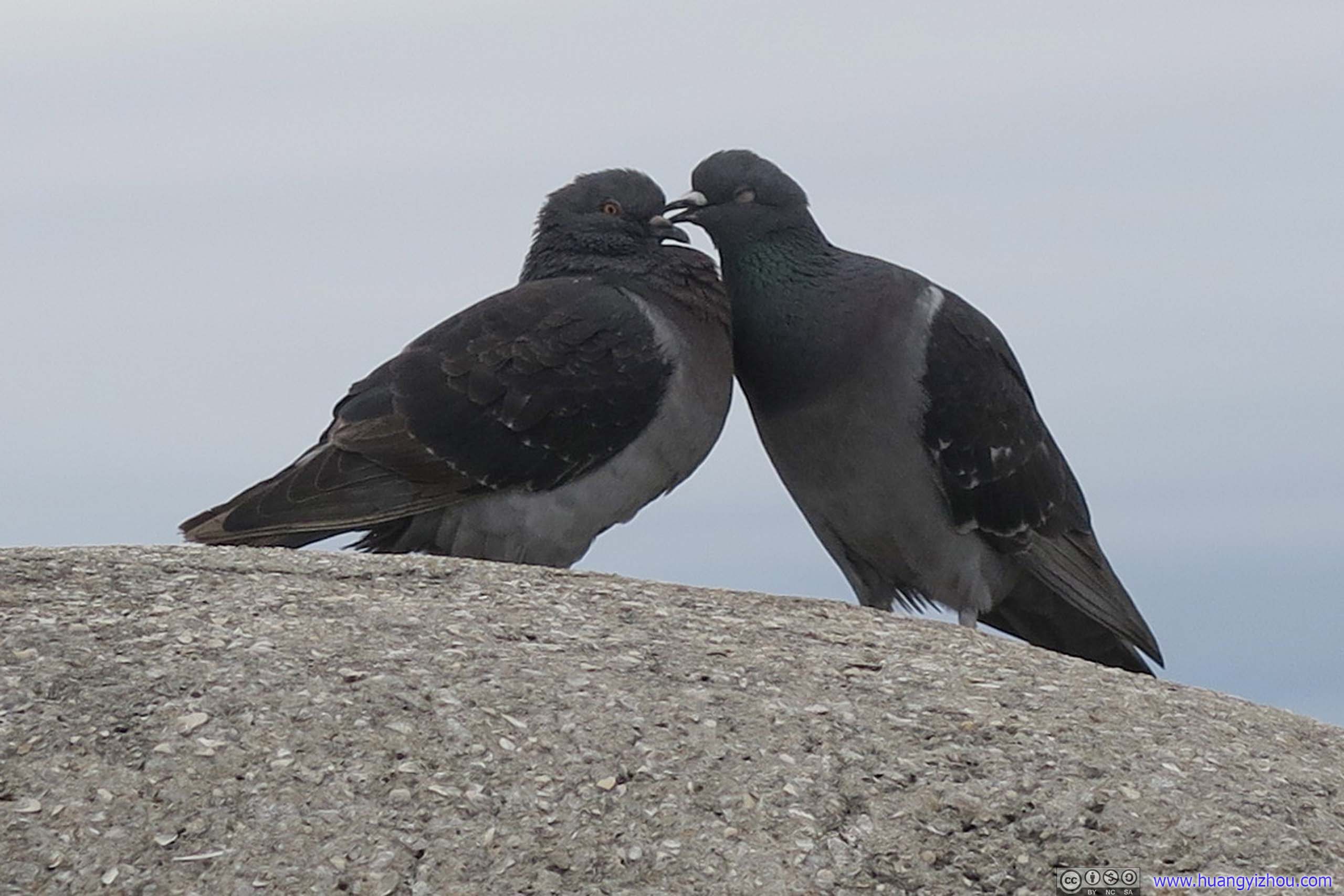
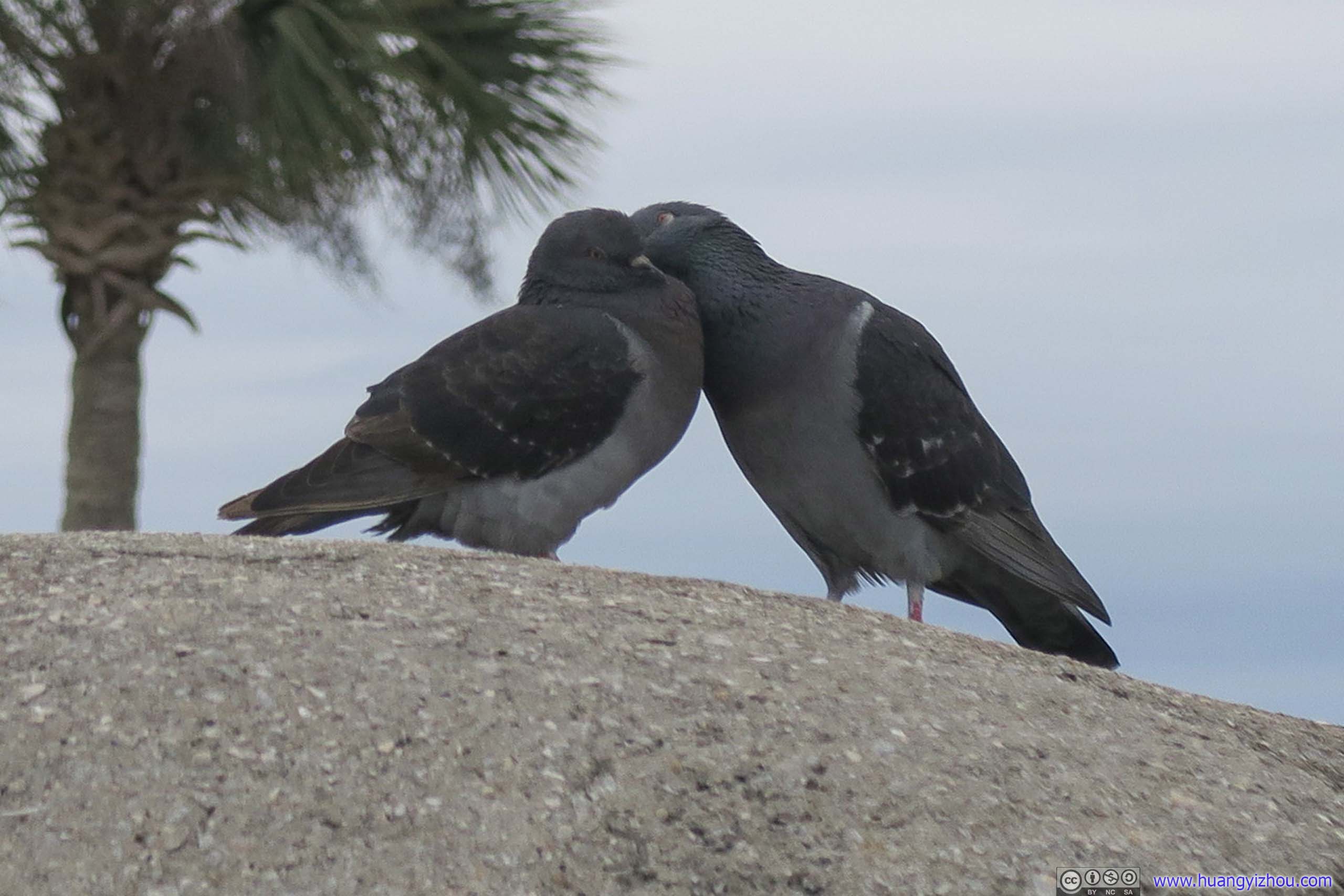
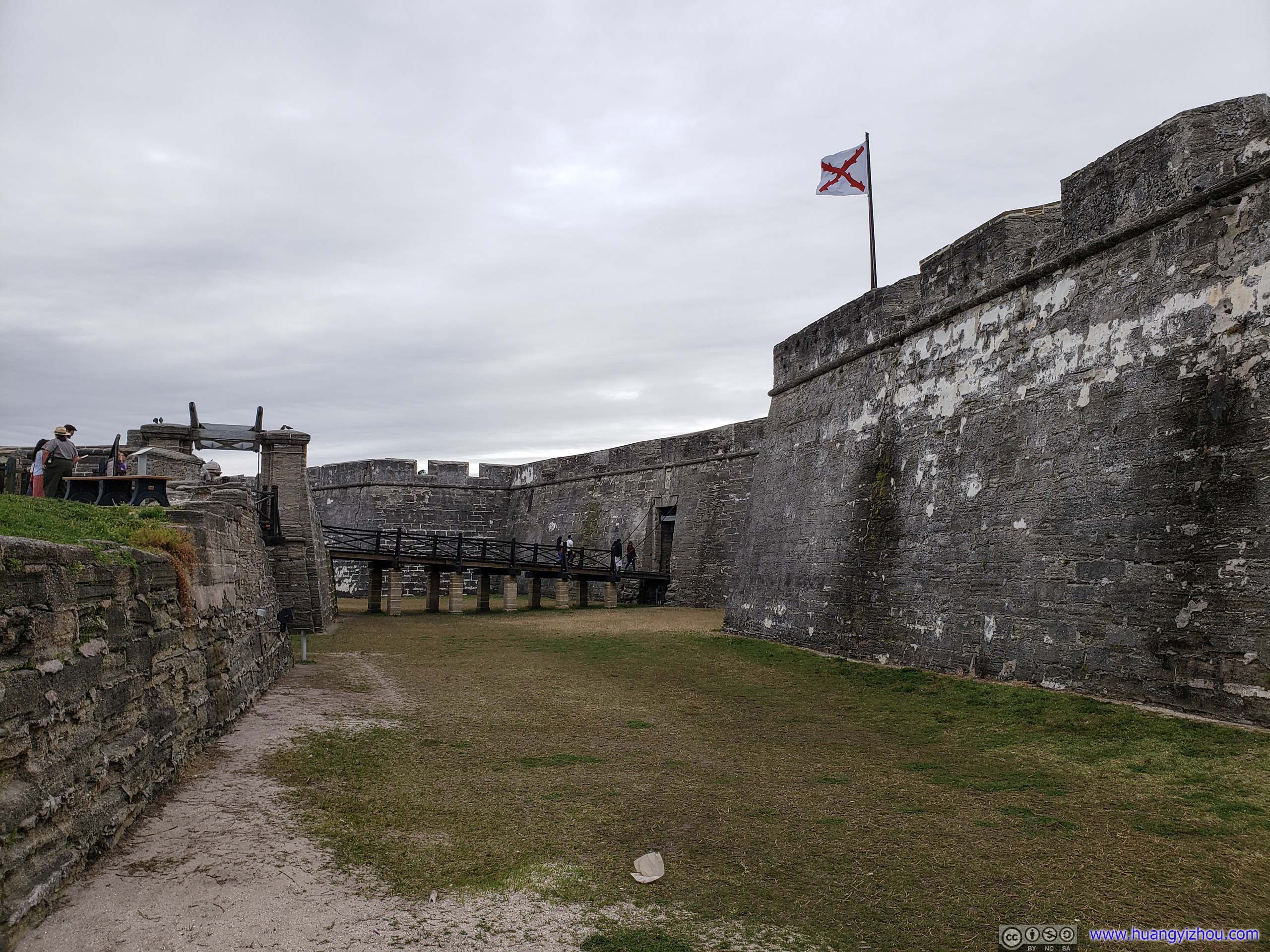
During the 1702 British Siege, townspeople moved into the fort for protection, and their livestock was raised in this moat.
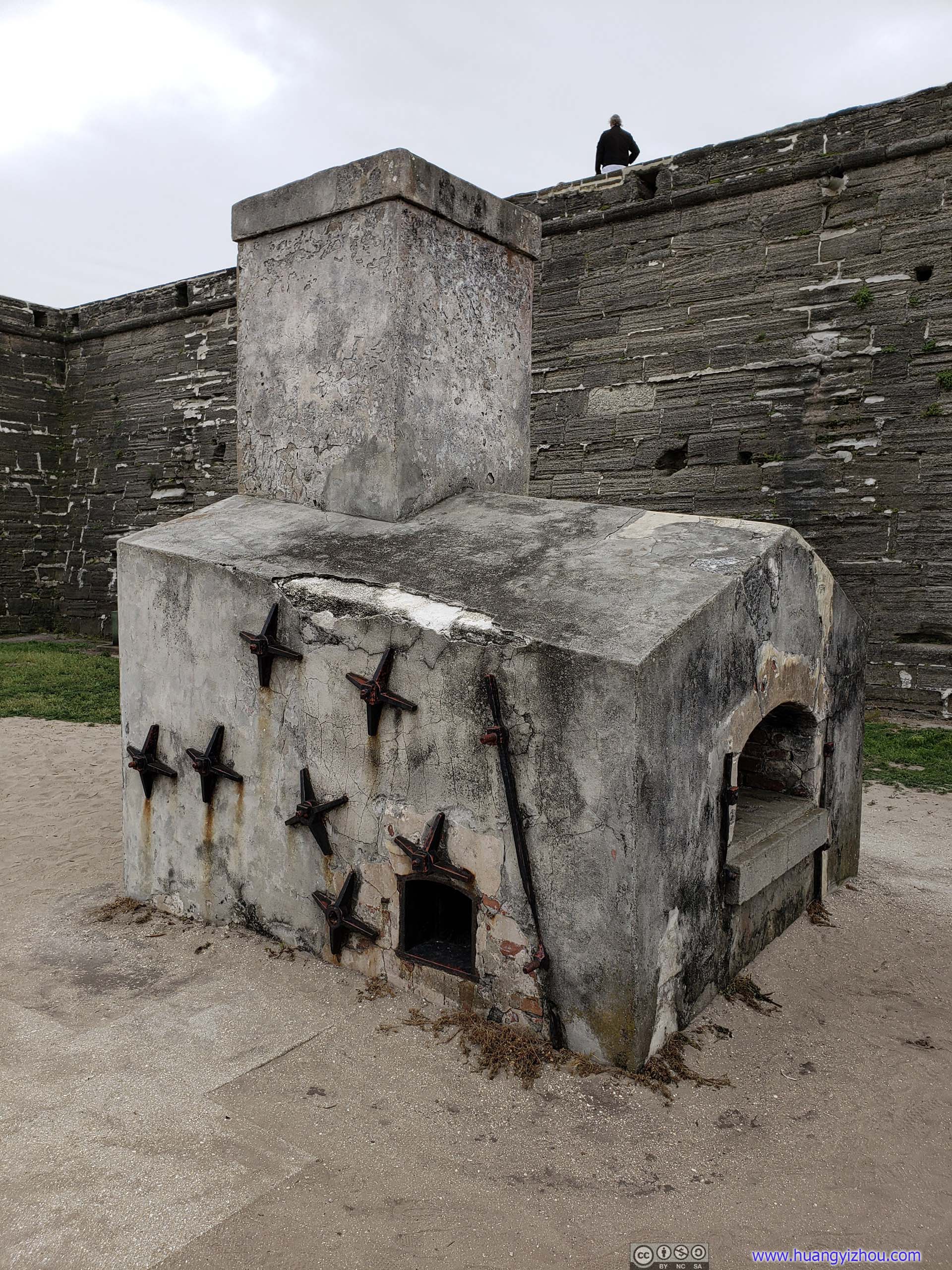
Used to heat cannonballs, so that the fired balls would set wooden ships on fire.
While I would love to explore more of St Augustine, apart from Castillo de San Marcos, the weather's really not cooperating. It was windy, but minus sunshine from yesterday at Fort Pulaski, nothing of what one would expect from the sunshine state of Florida. So, I headed back to my car and went on the way.
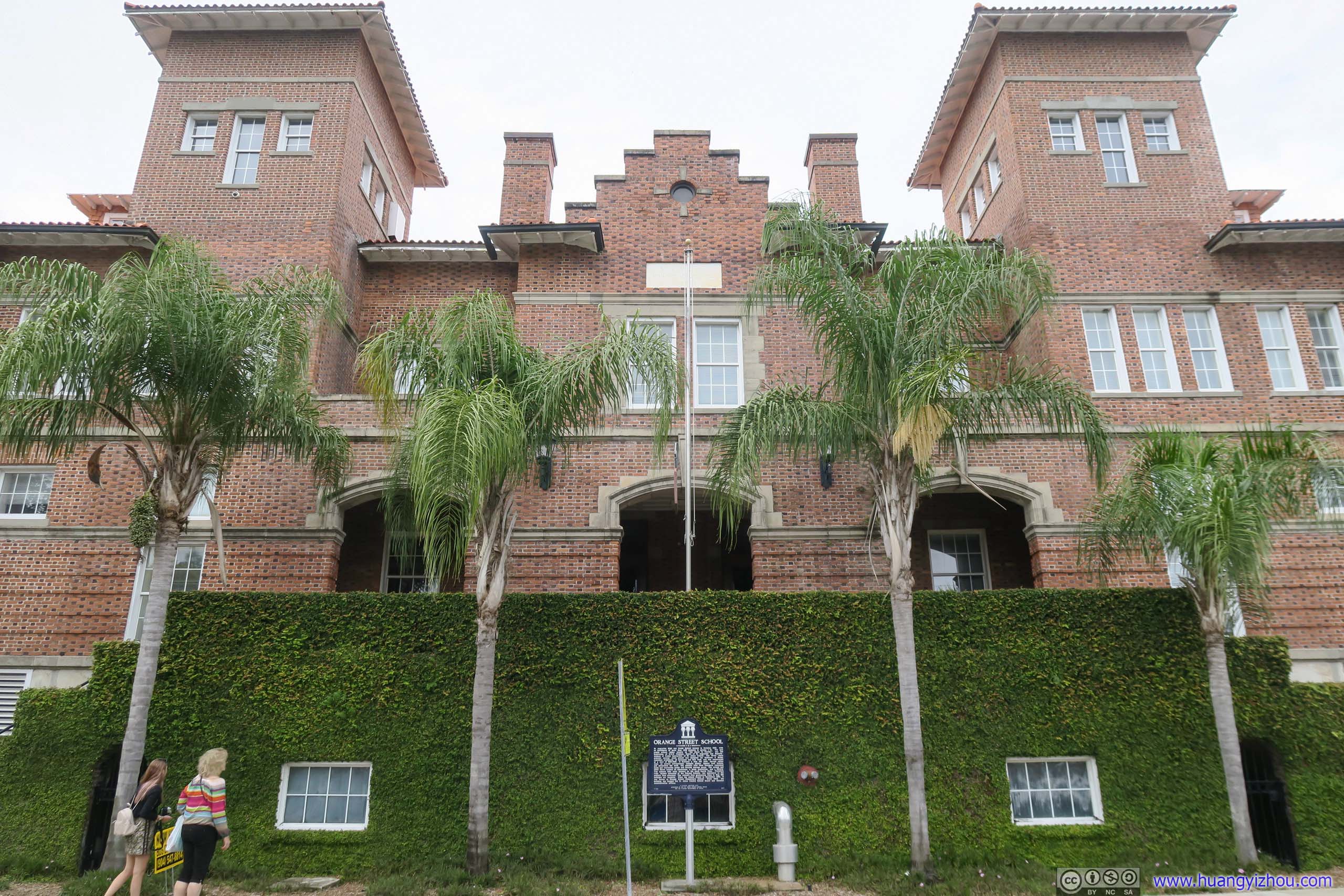
Click for details
St. Augustine High and Grade School opened in October 1910, with an enrollment of more than 400 students in grades 1-12. The new public school, billed locally as ‘the finest in Florida,’ was the inspiration of W.S.M. Pinkham, mayor of St. Augustine and Superintendent of Public Instruction of St. Johns County. The three-story eclectic revival style school was designed by Robinson & Reidy, Associate Architects, of Savannah and New York, and was constructed at a cost of $60,000. It features a clay tile roof, carved rafter ends, an arched entranceway, stepped gables, hipped roof towers, and decorative tile work. The school’s first floor basement contained lunch and recreation rooms and bicycle storage areas. The second and third floors housed 25 classrooms, a large auditorium and a library. Two science labs were located on the small fourth floor. Theodore Culp, former principal of the DeLand Schools, was appointed as the school’s first principal. The school’s first graduating class in May 1911 included six students. When the school closed in December 1981, it was known as Orange Street Elementary School. Since 1983, the building has housed the St. Johns County School Board and District Administration offices.From official information board.
And once on the road, I followed Route 1 out of St. Augustine.
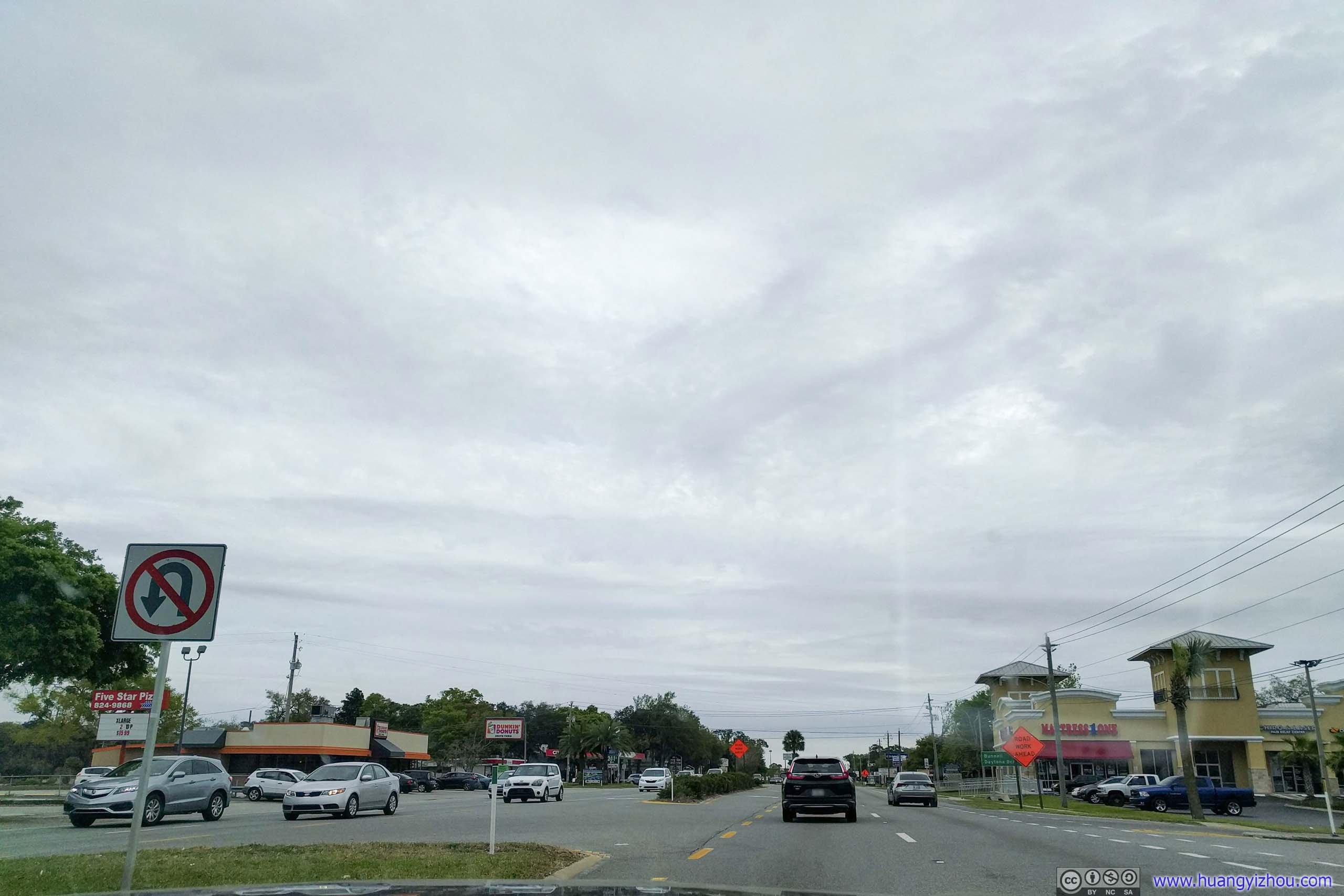
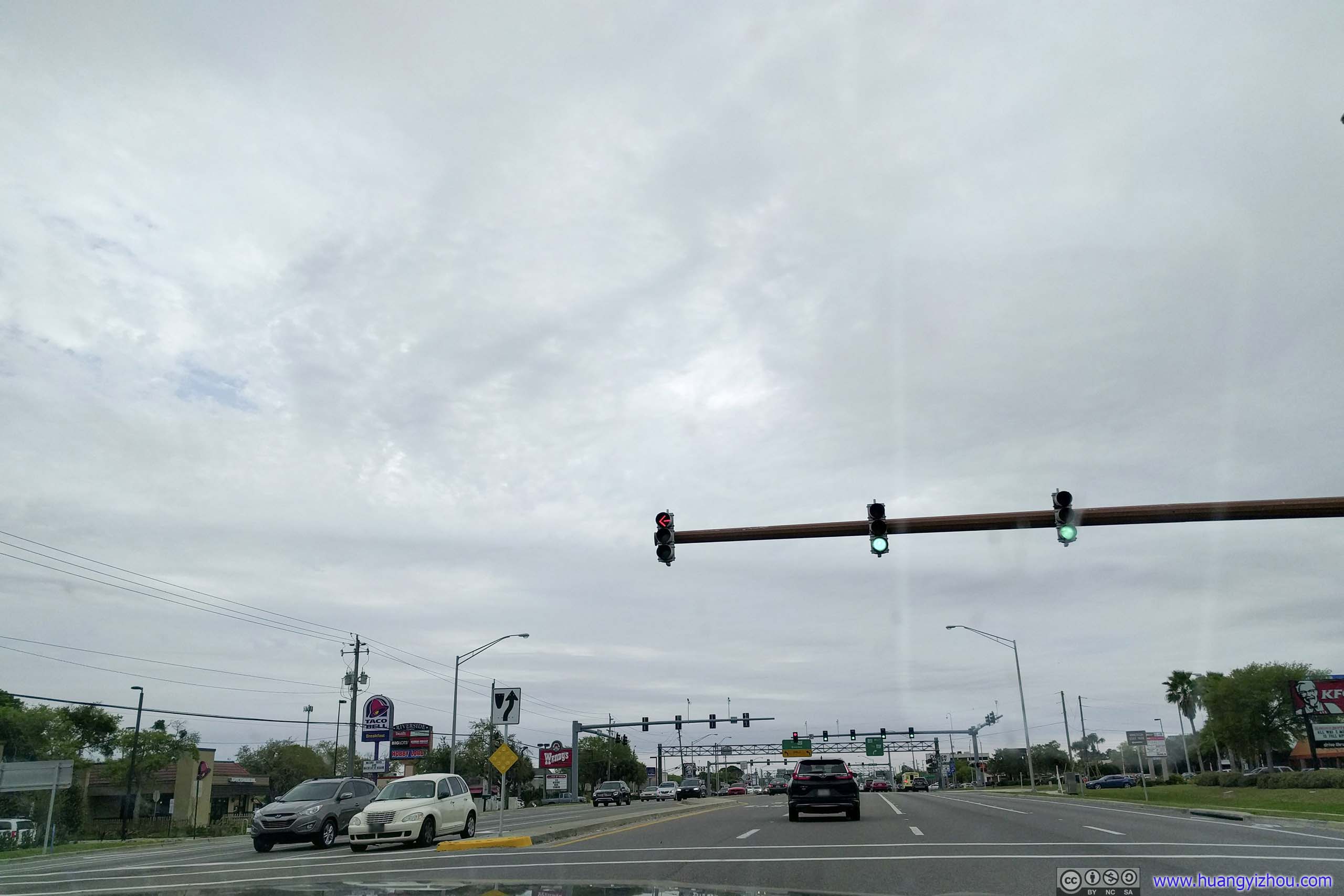
First it was some developed suburb, crawling with shopping malls.
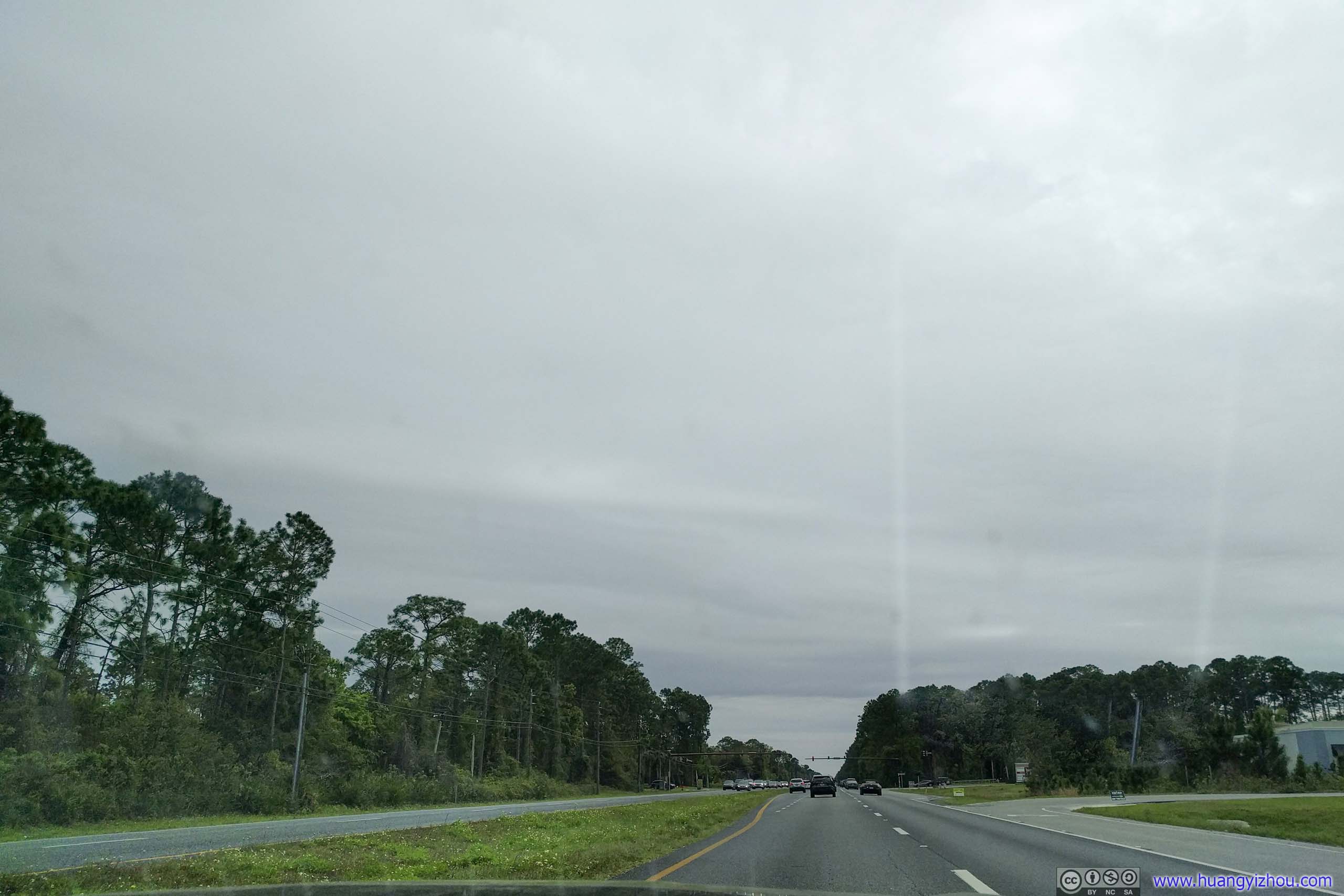
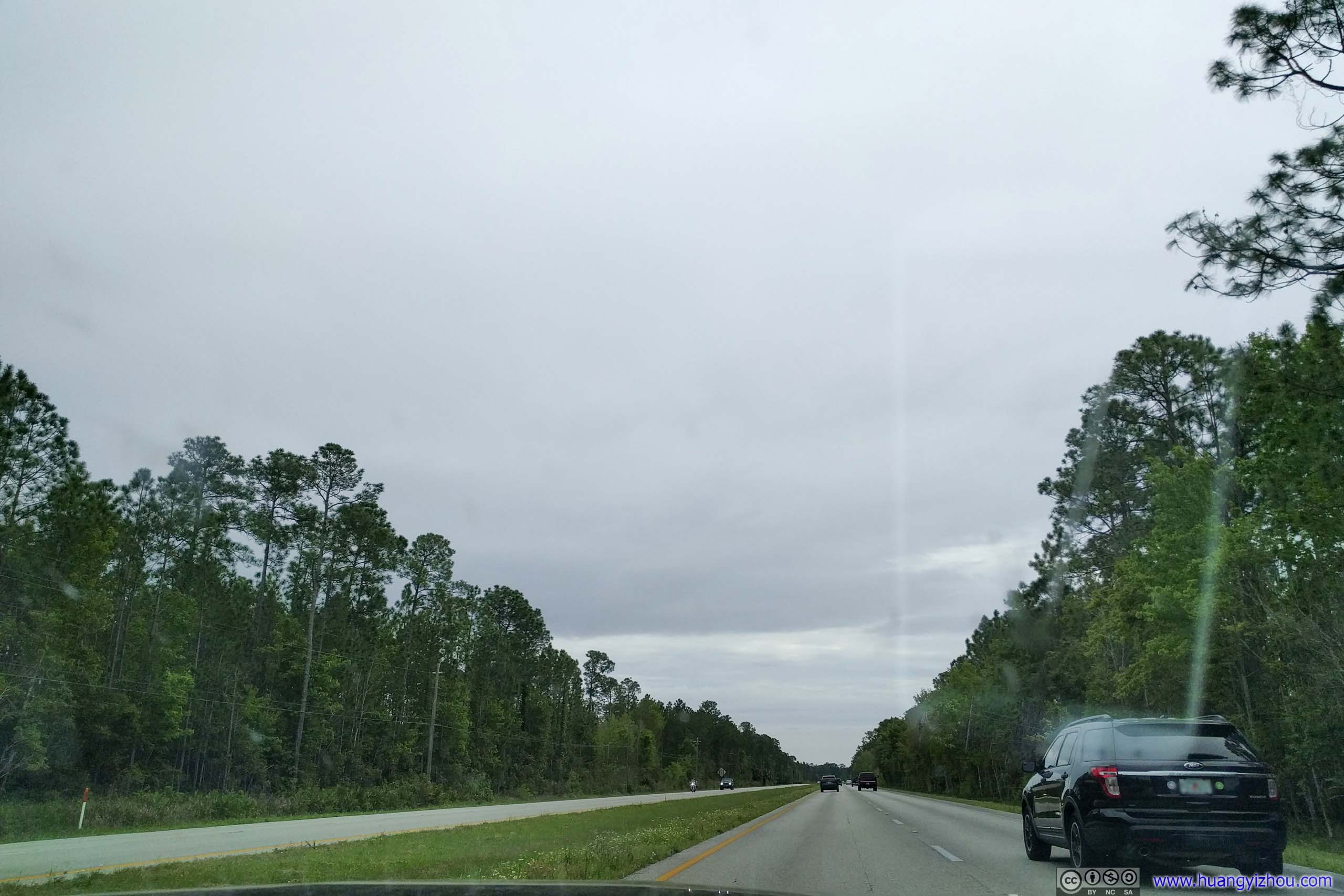
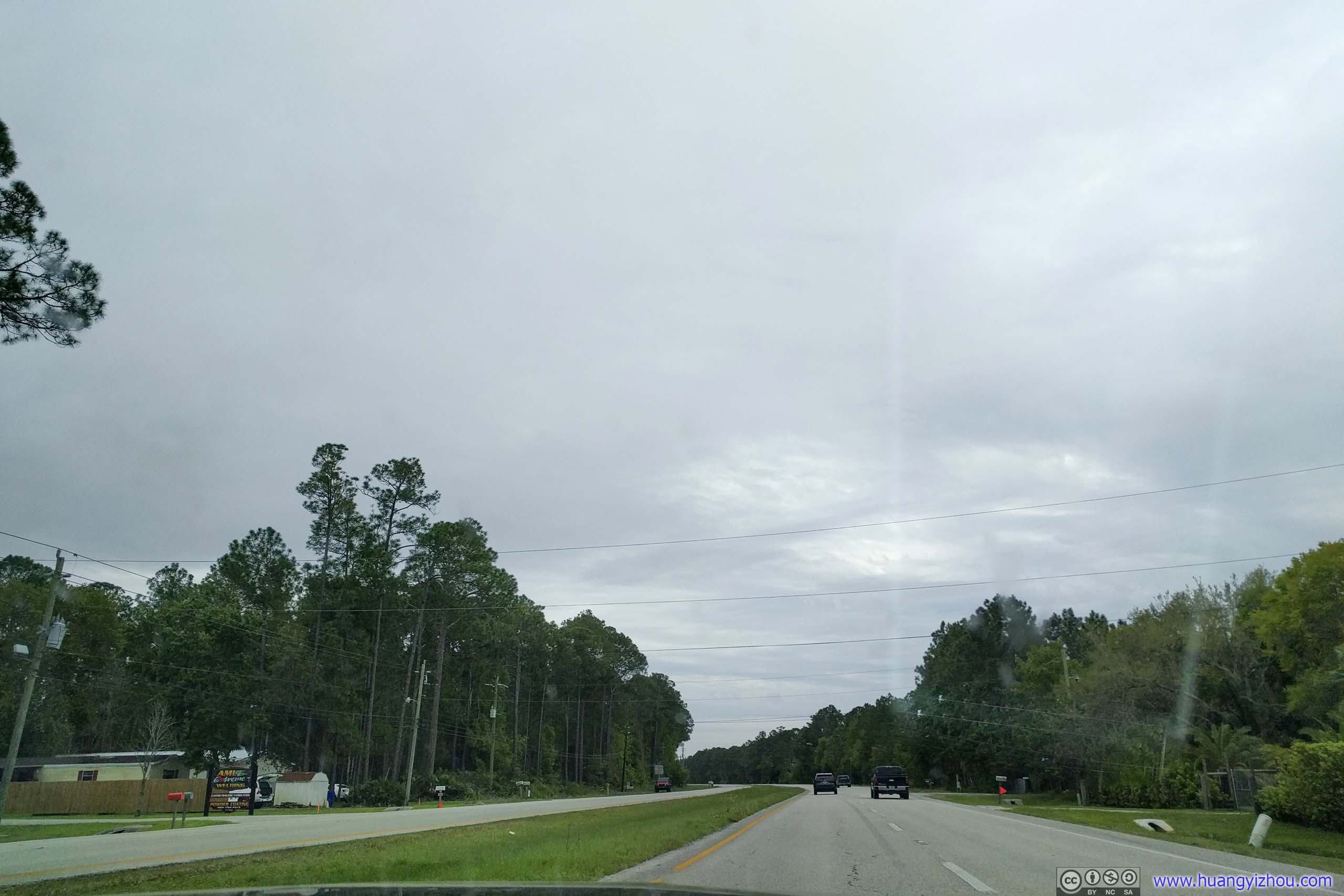
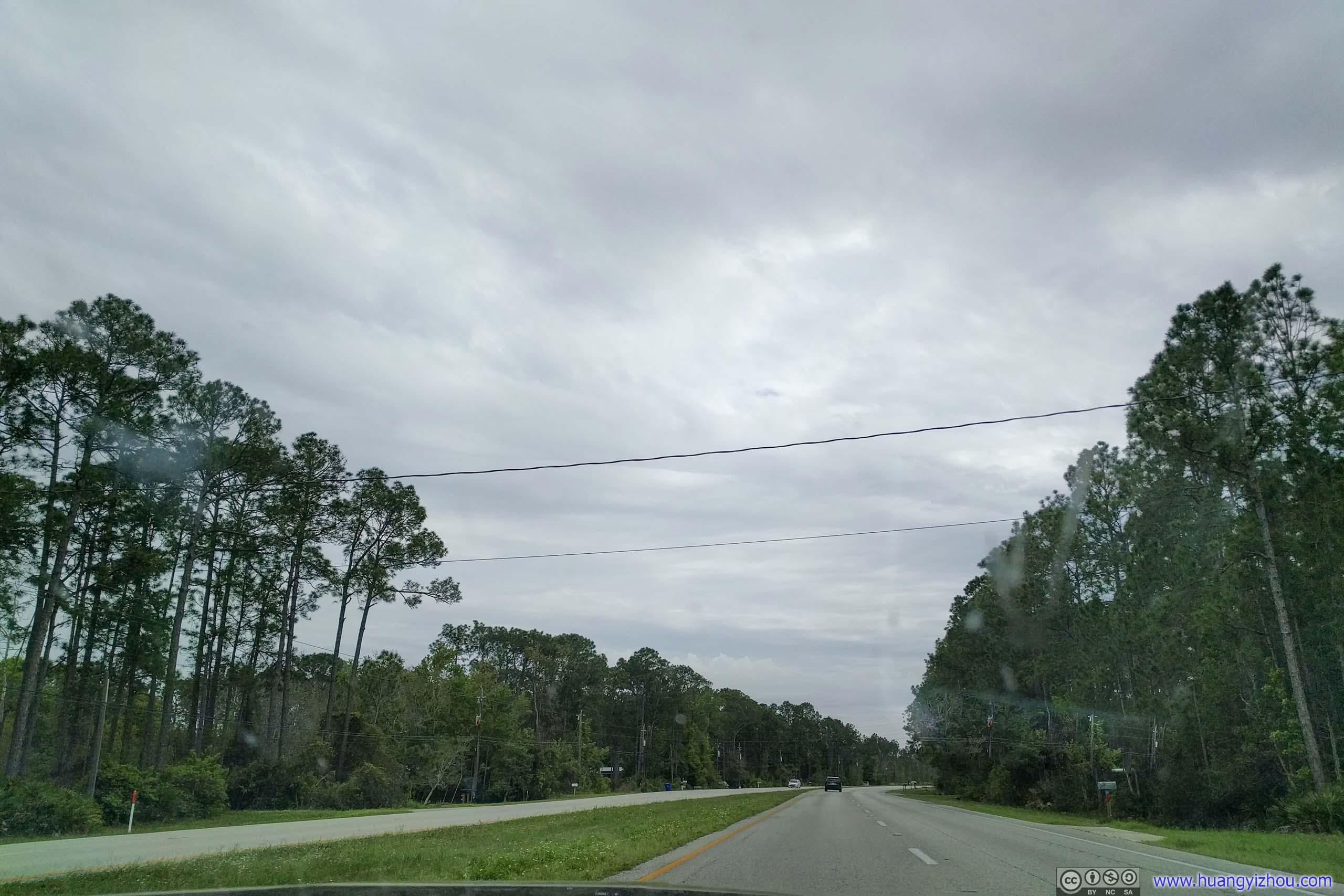
US Route 1
But not long after that, it was a pleasant drive through wilderness.
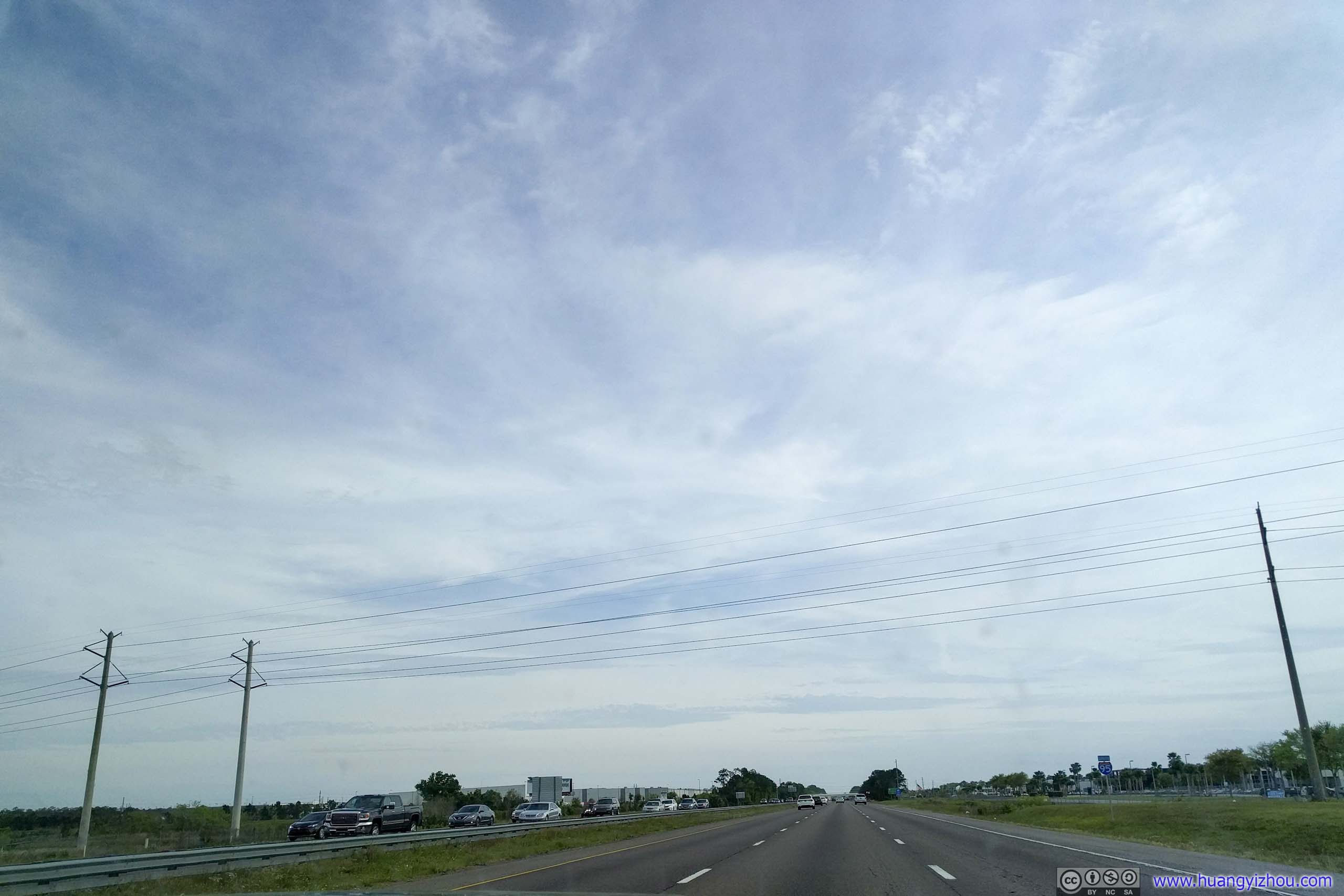
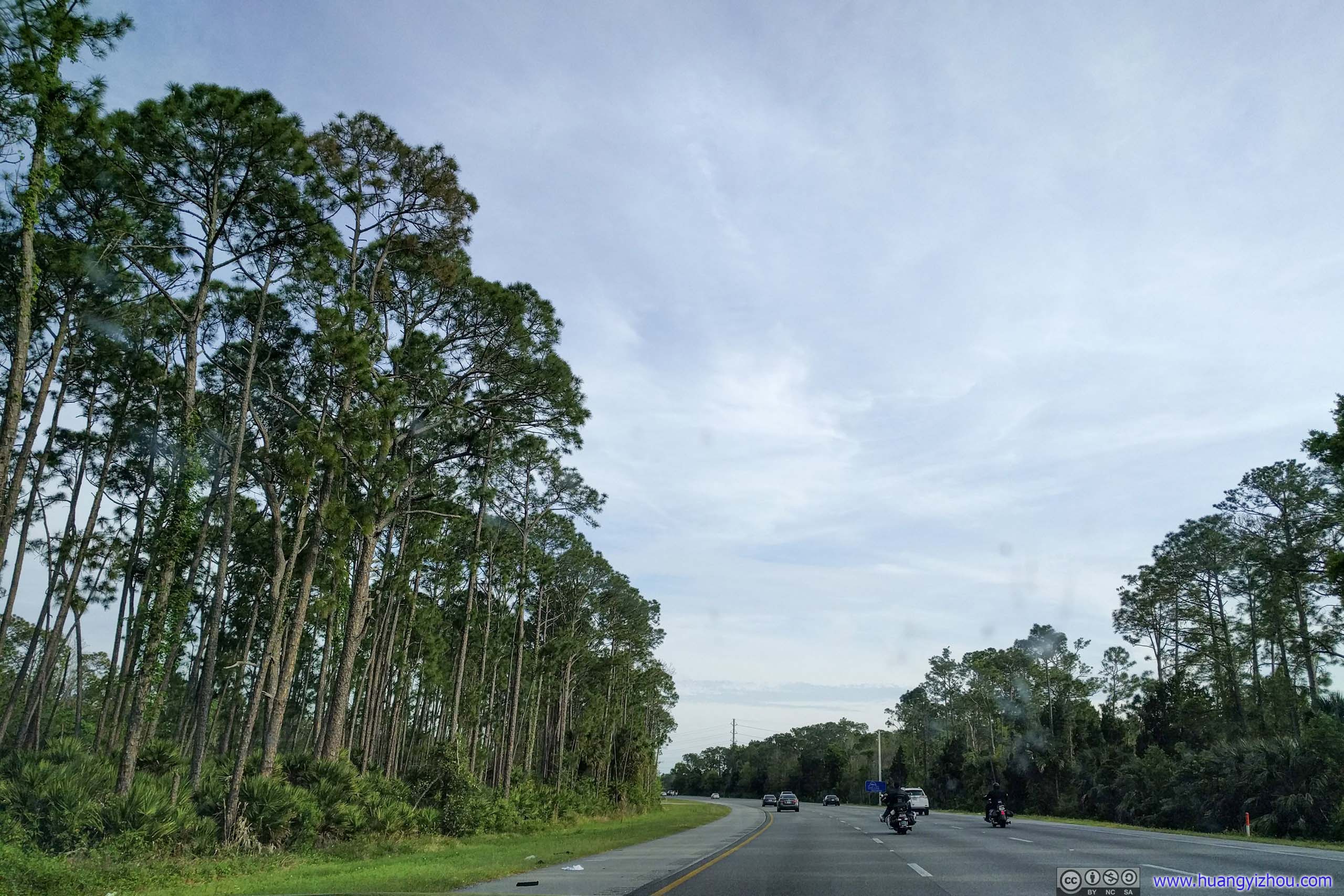
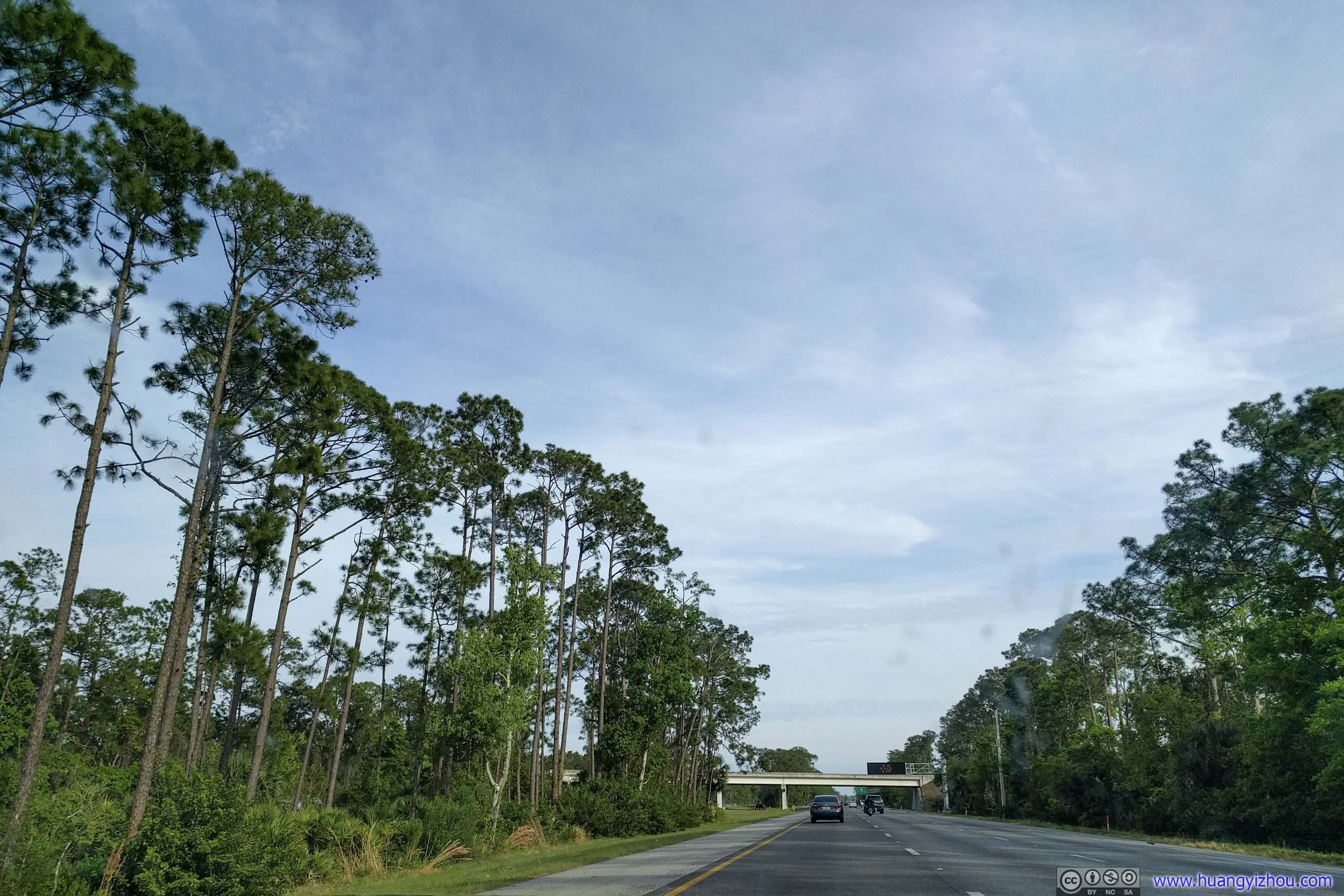
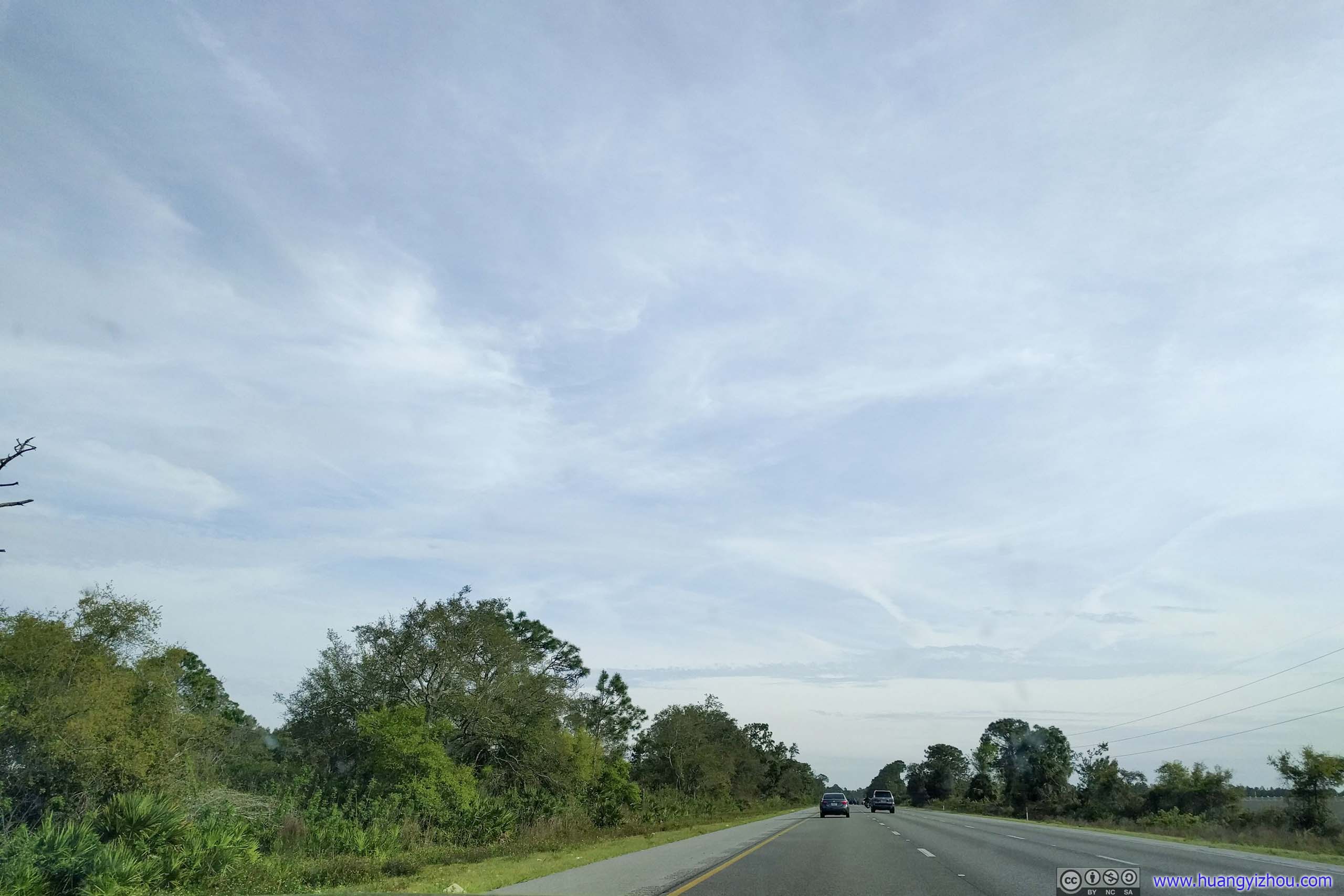
Then it's the thoroughfare of Interstate 95.
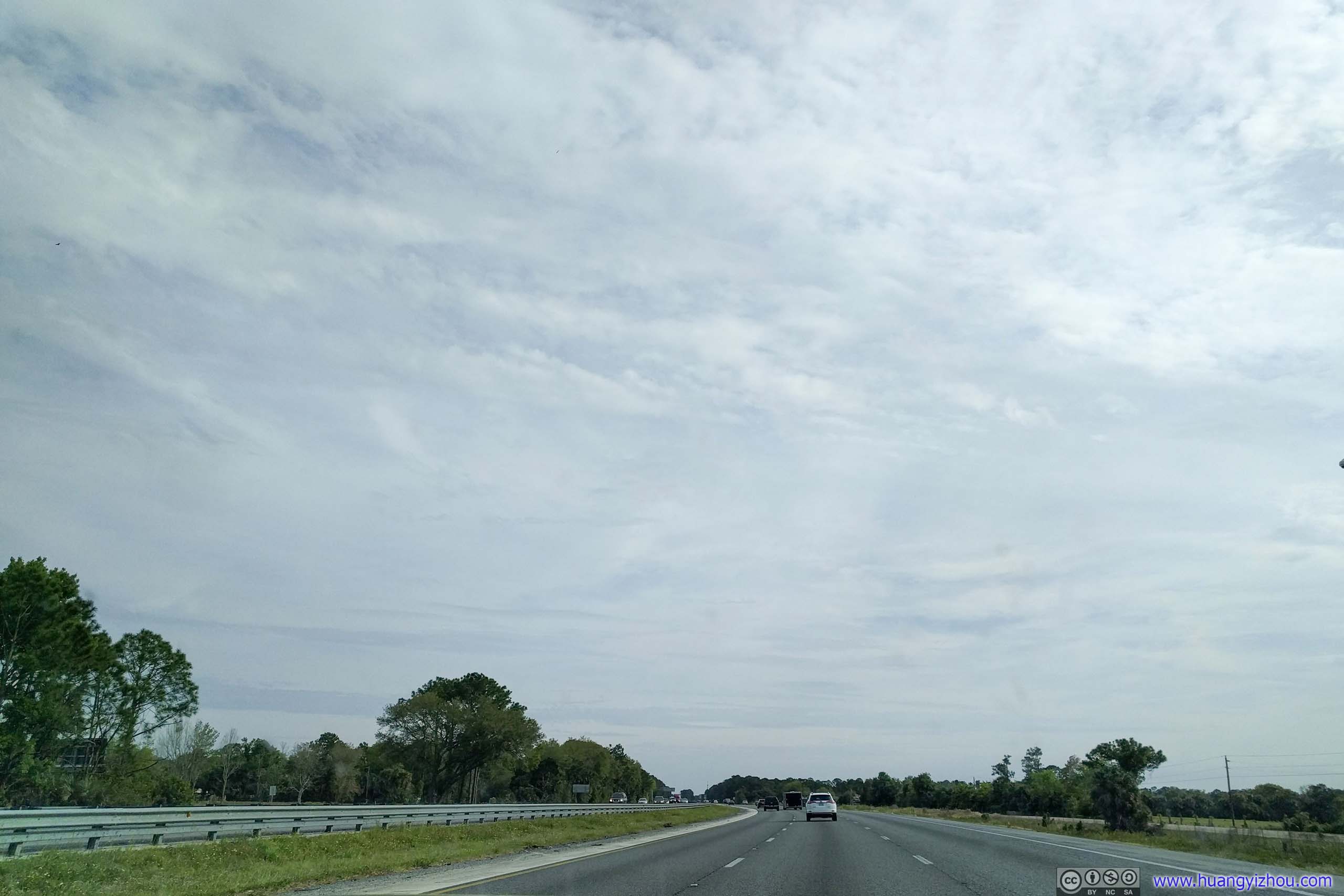
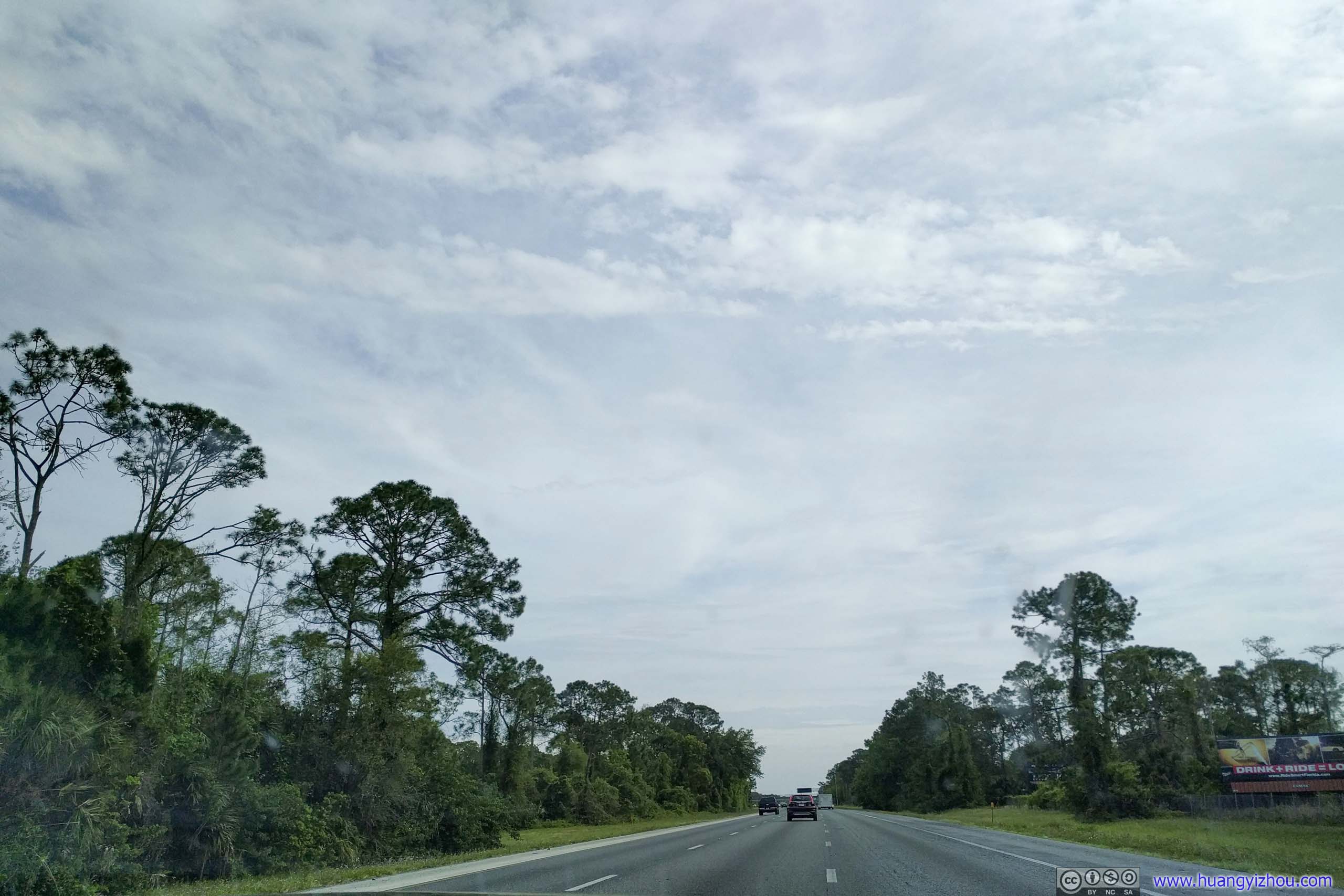
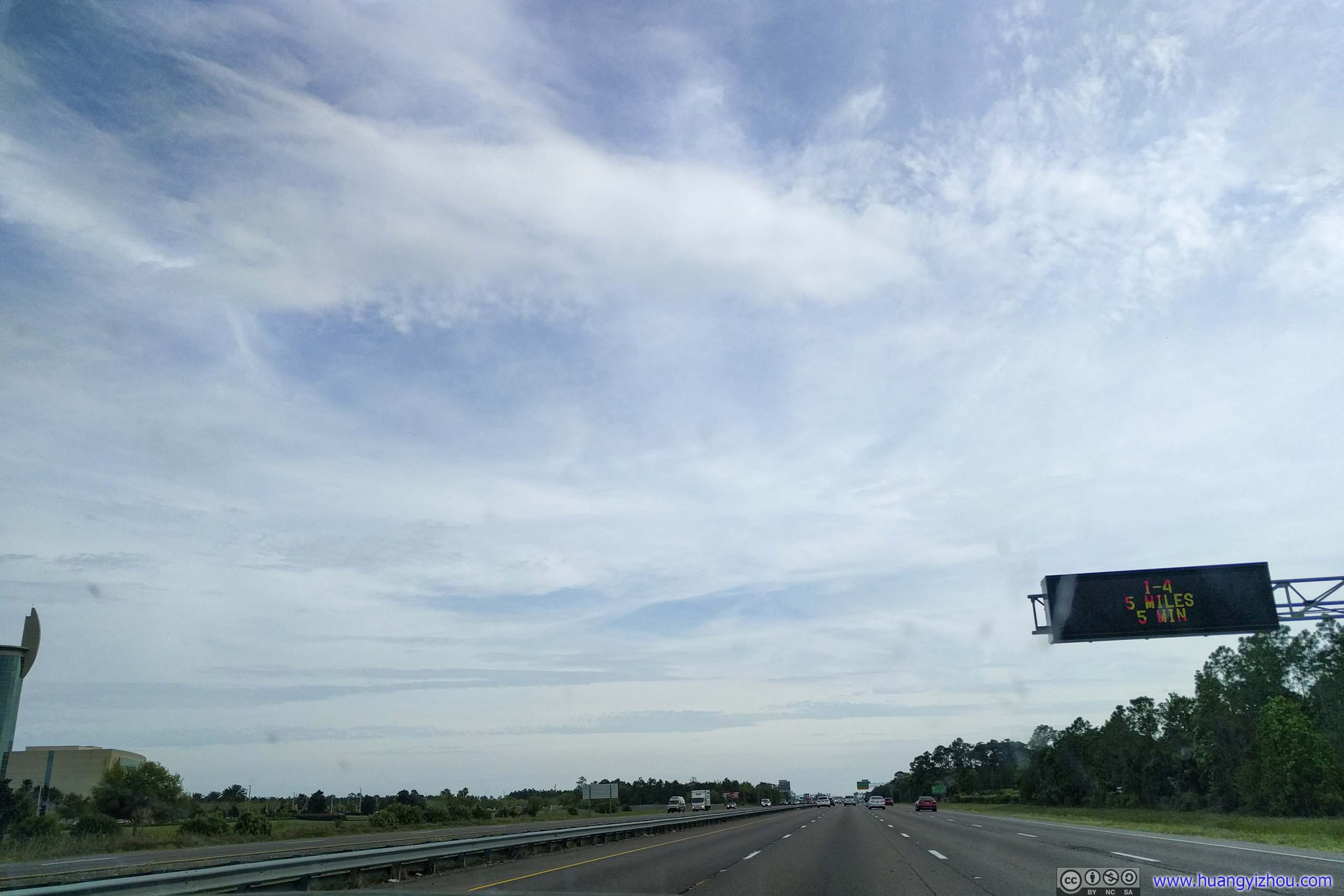
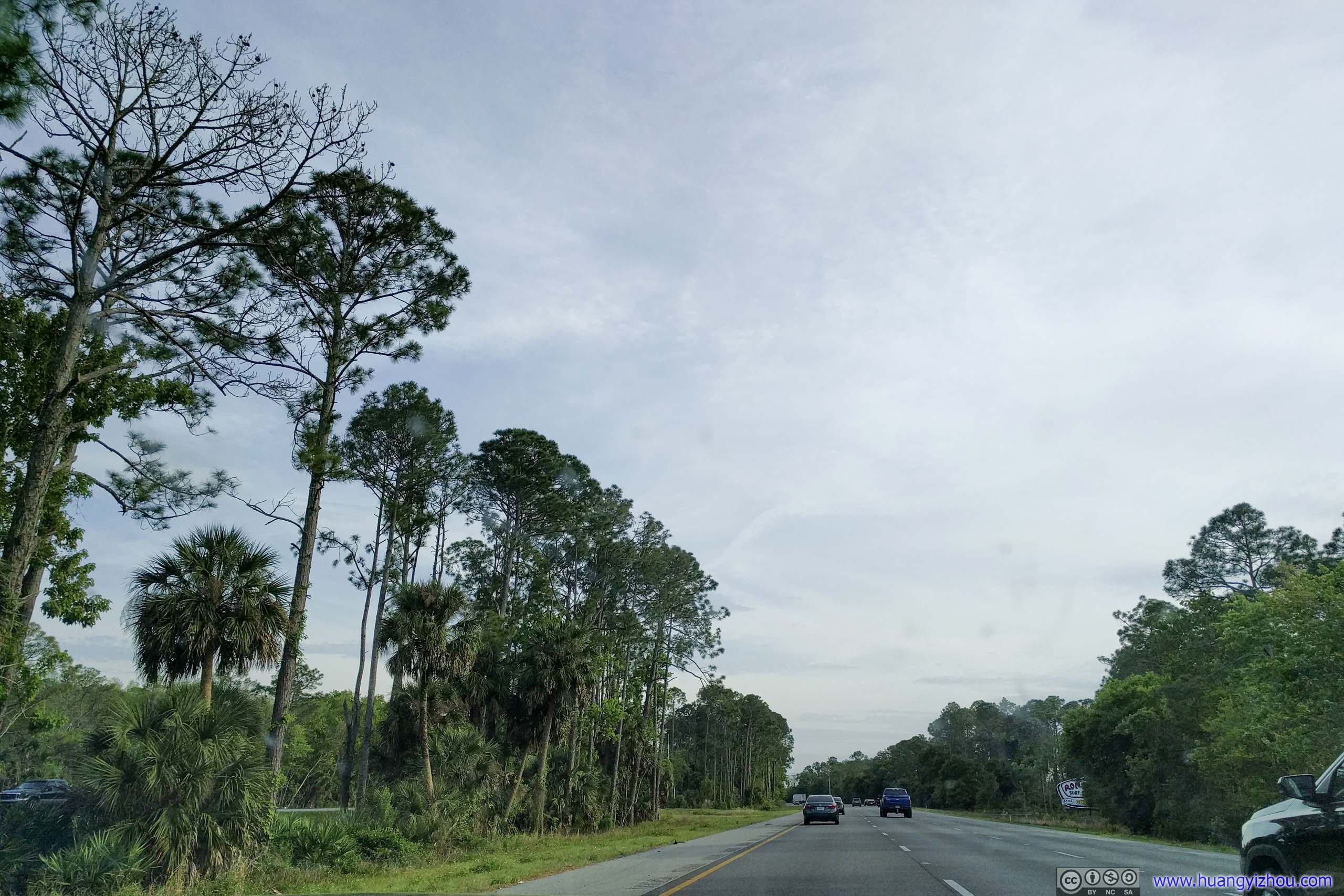
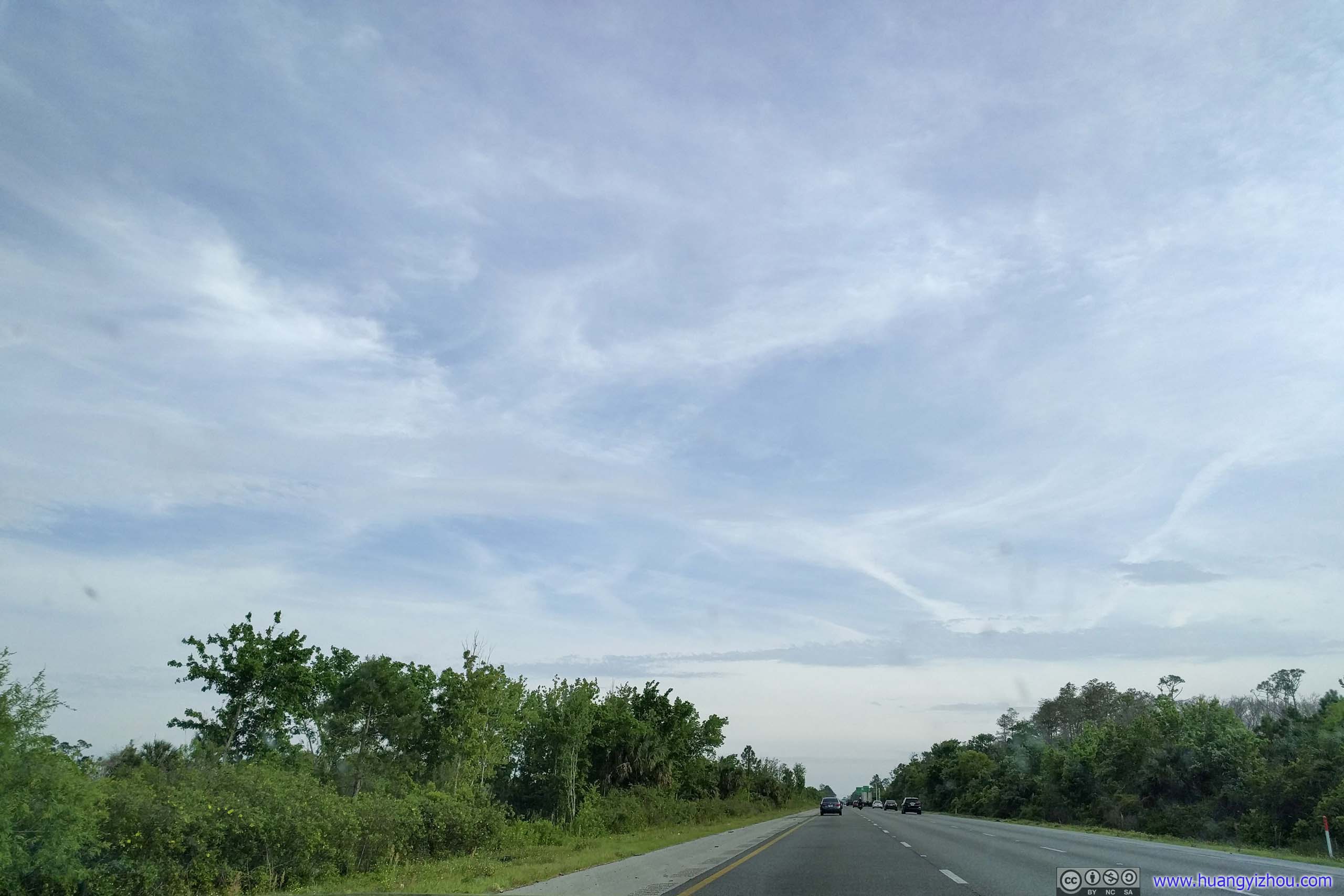
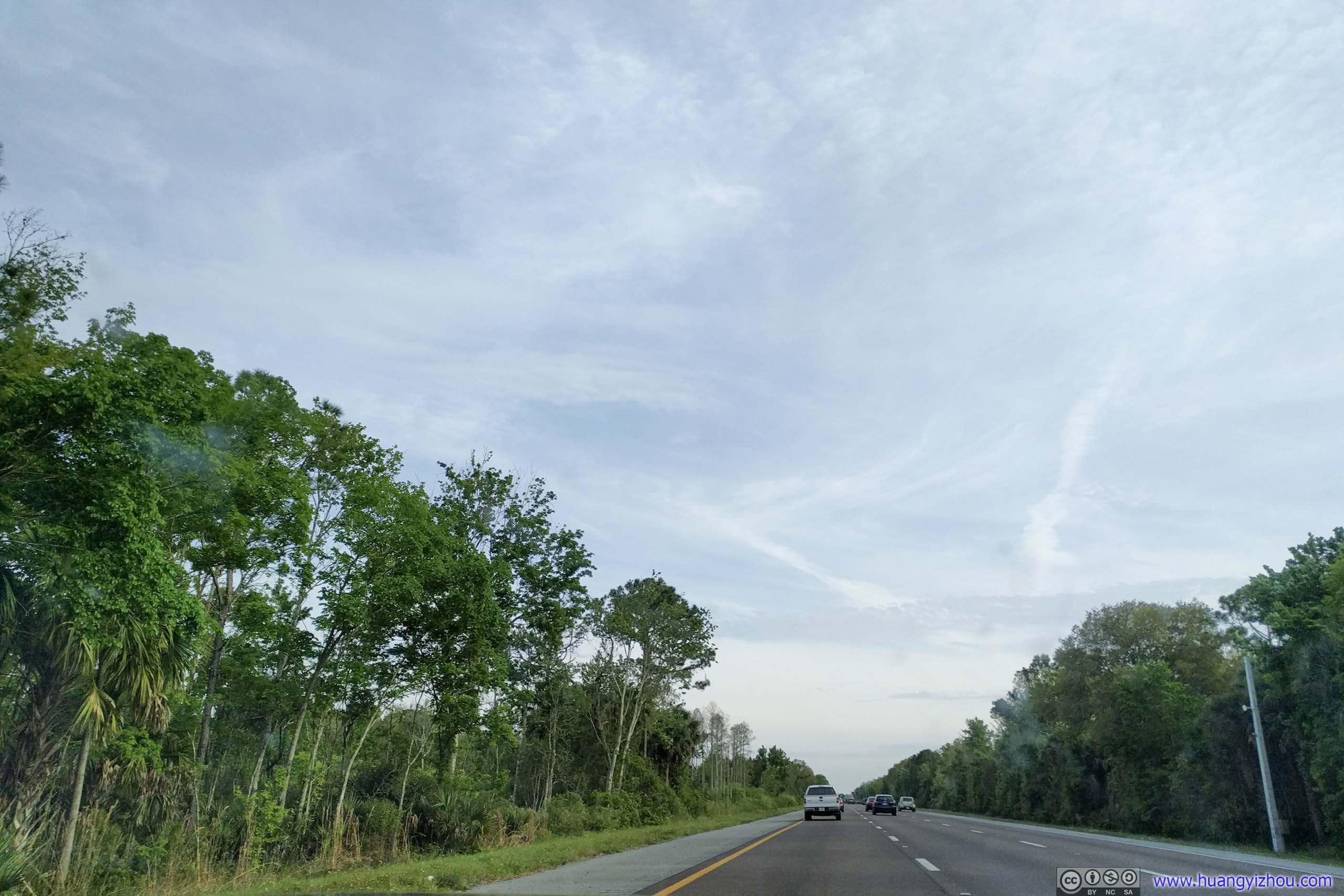
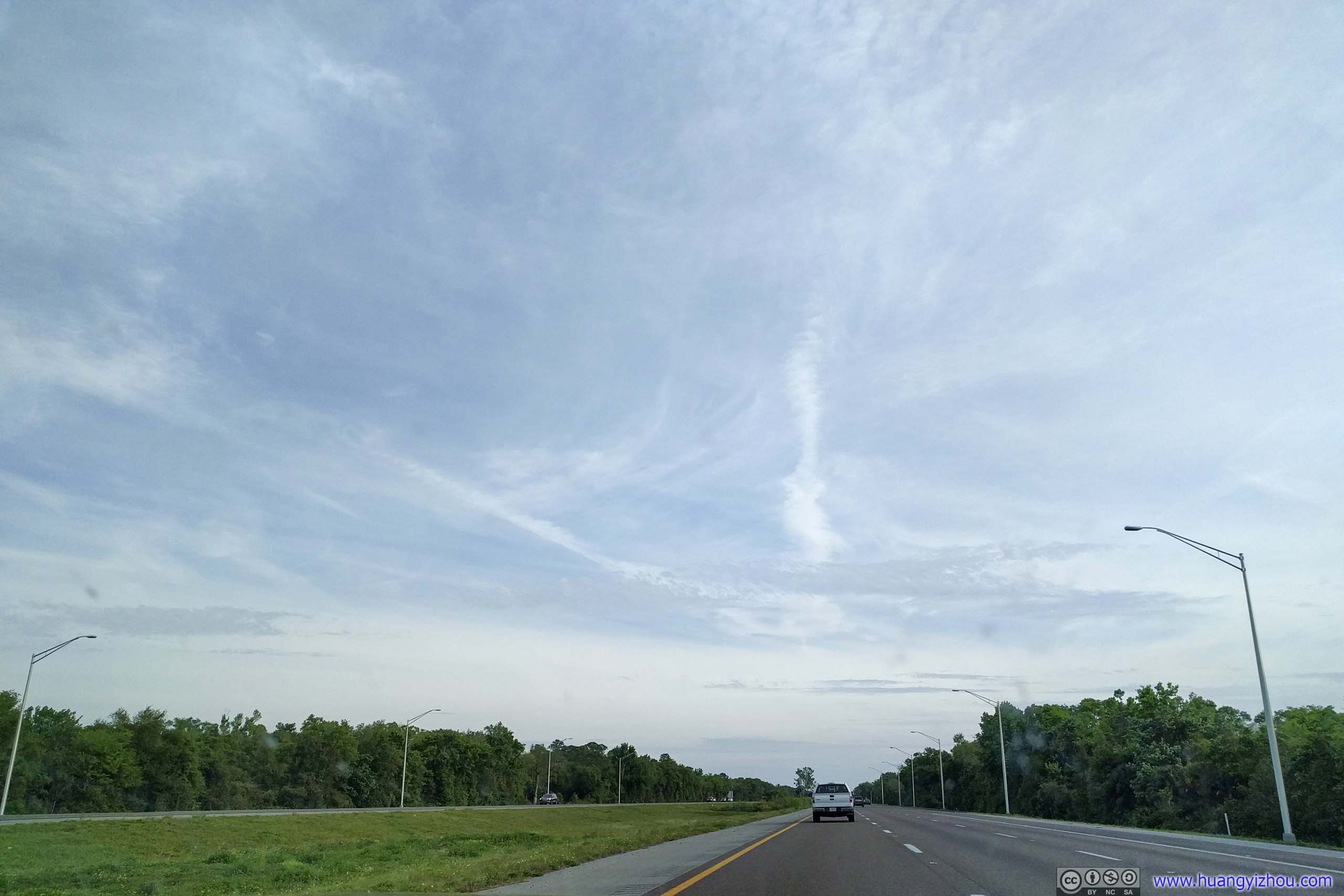
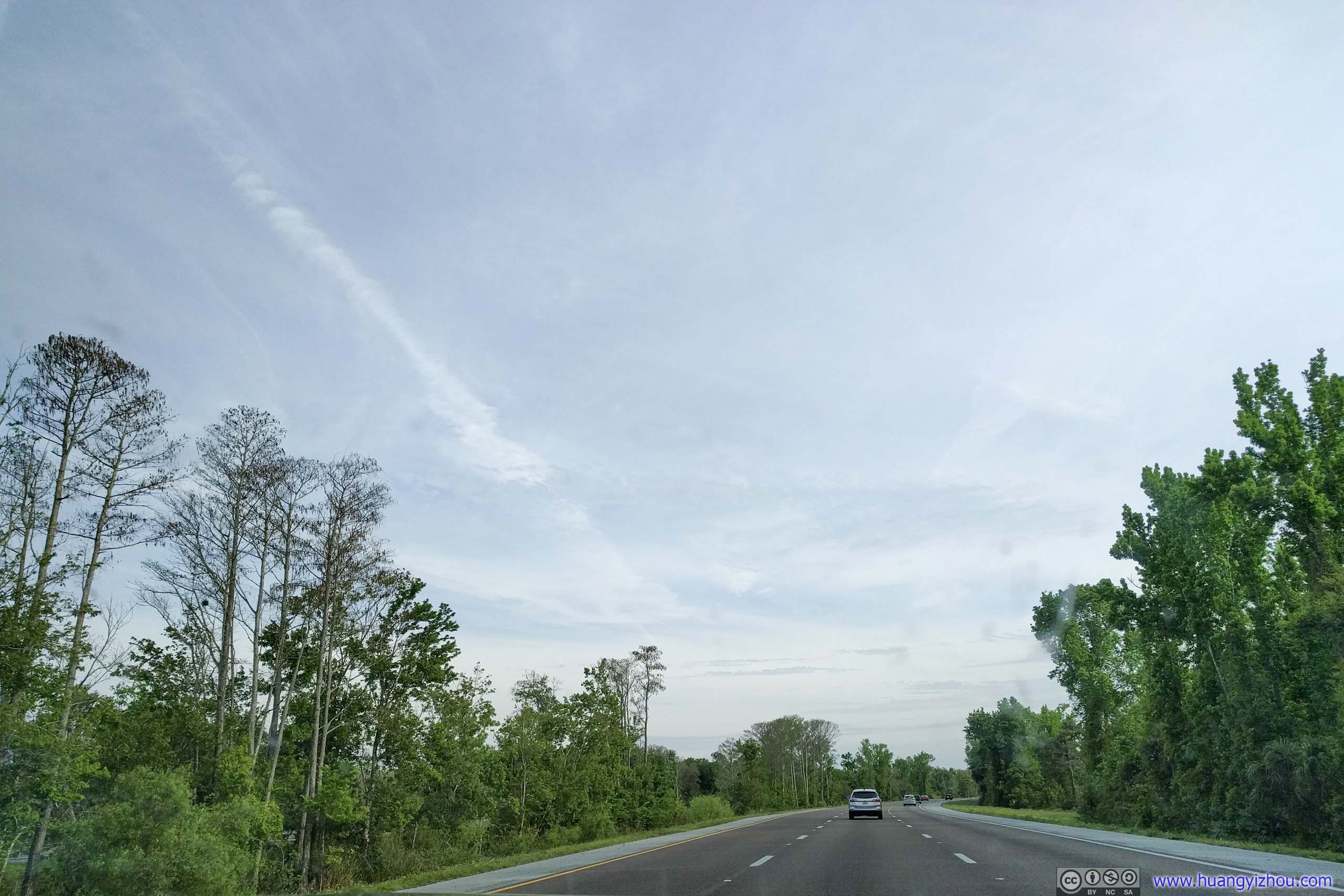
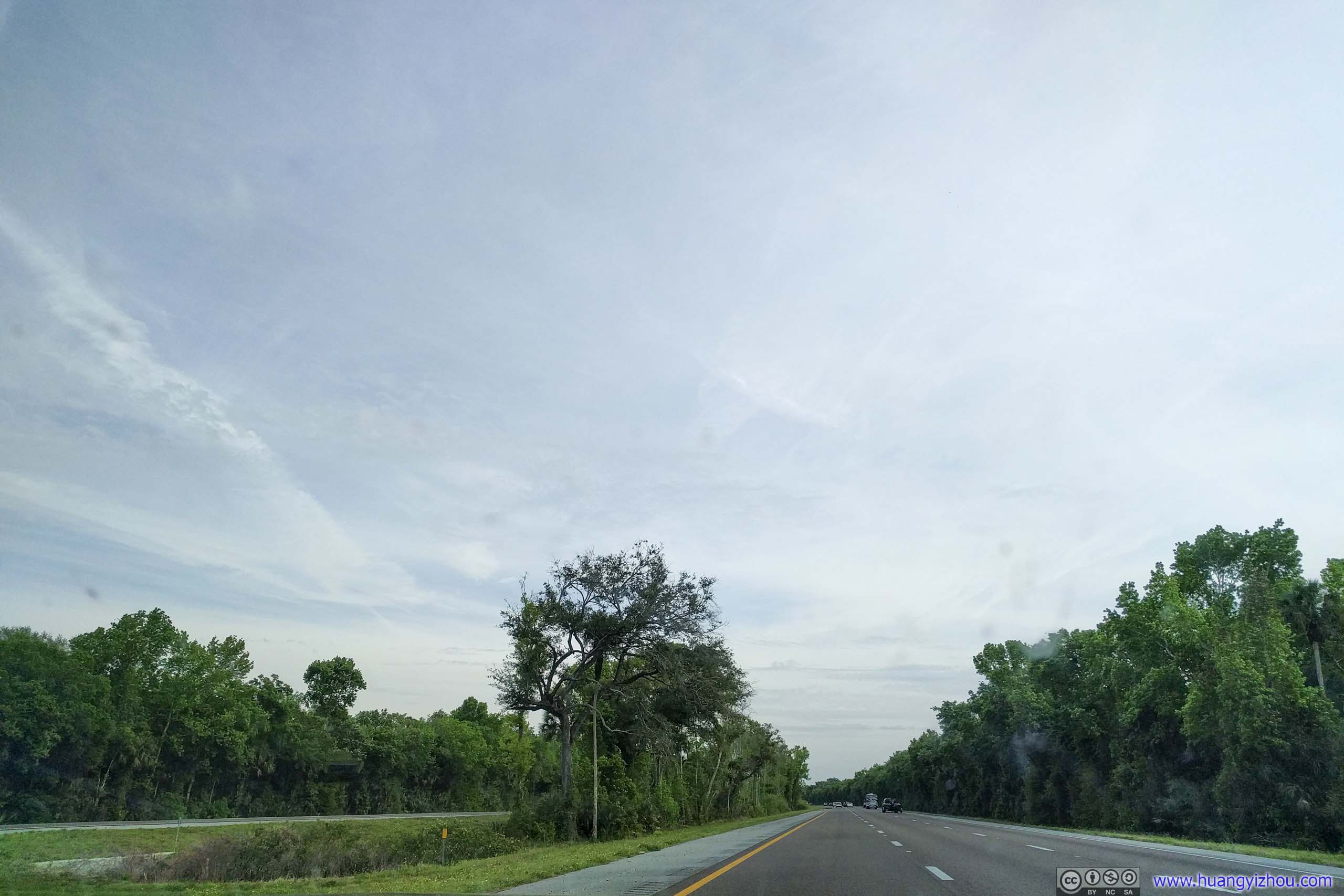
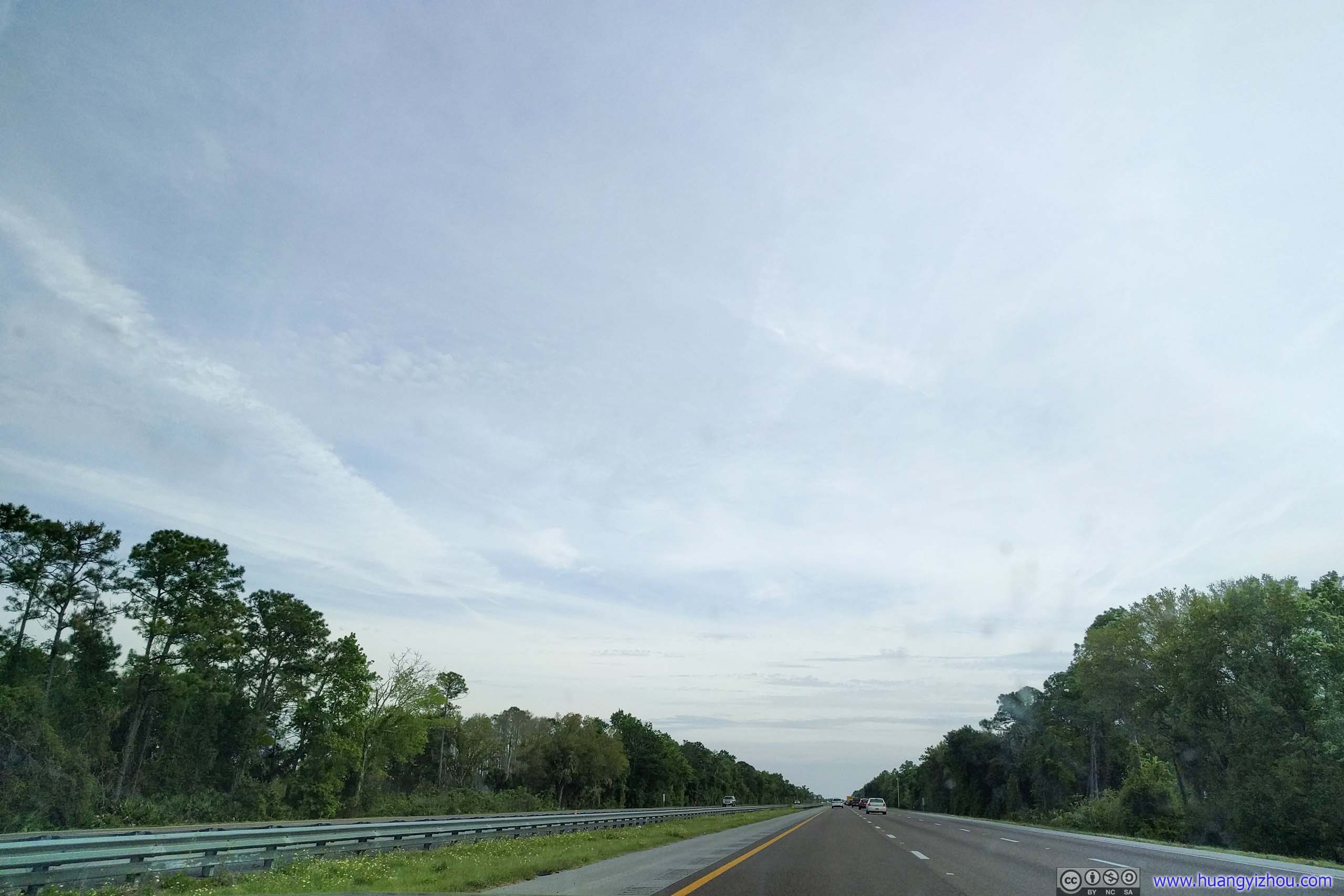
Interstate 95
My overnight lodge would be in the town of Cocoa, outside Orlando. That's where my friends would be joining me.
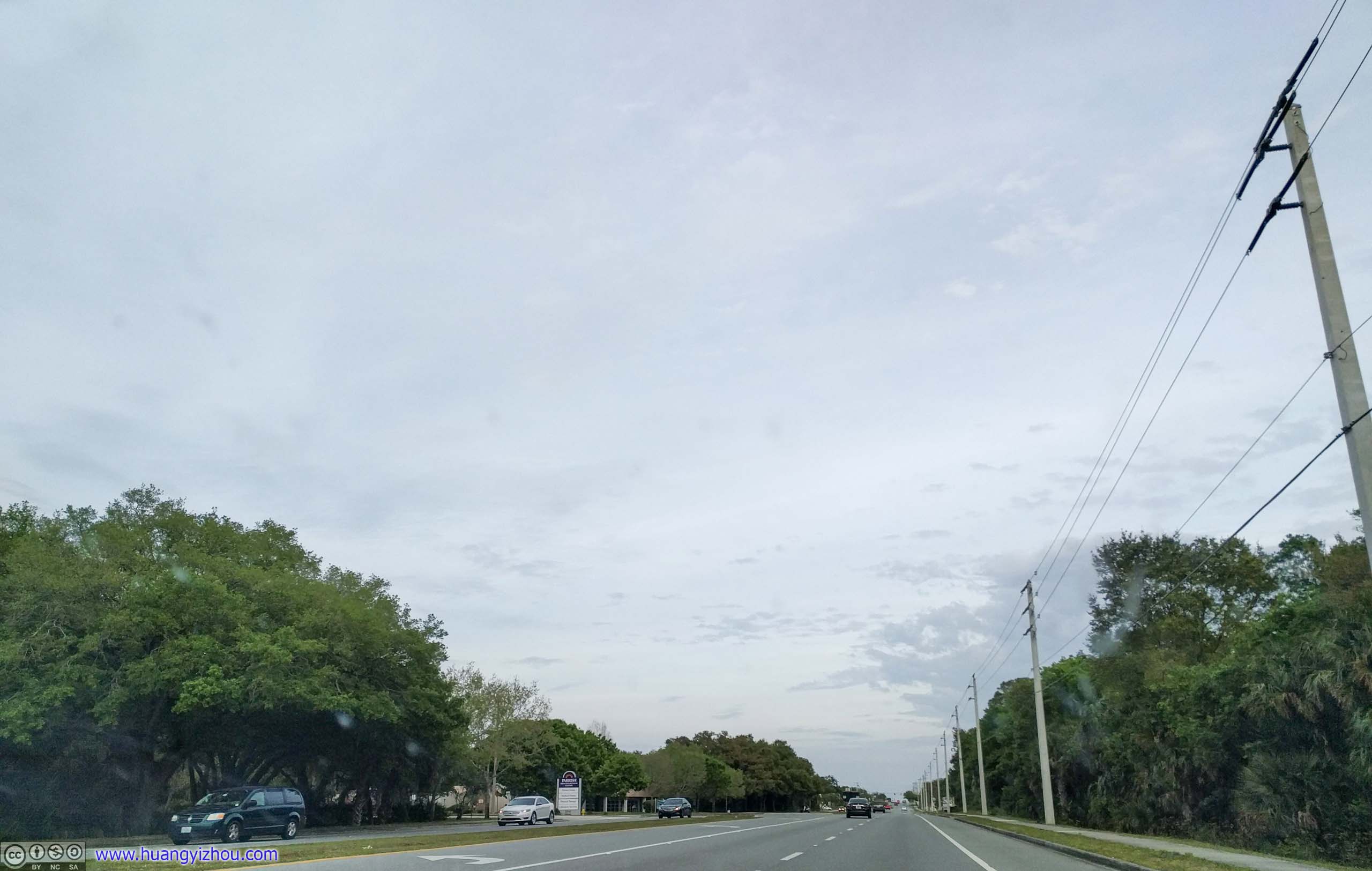
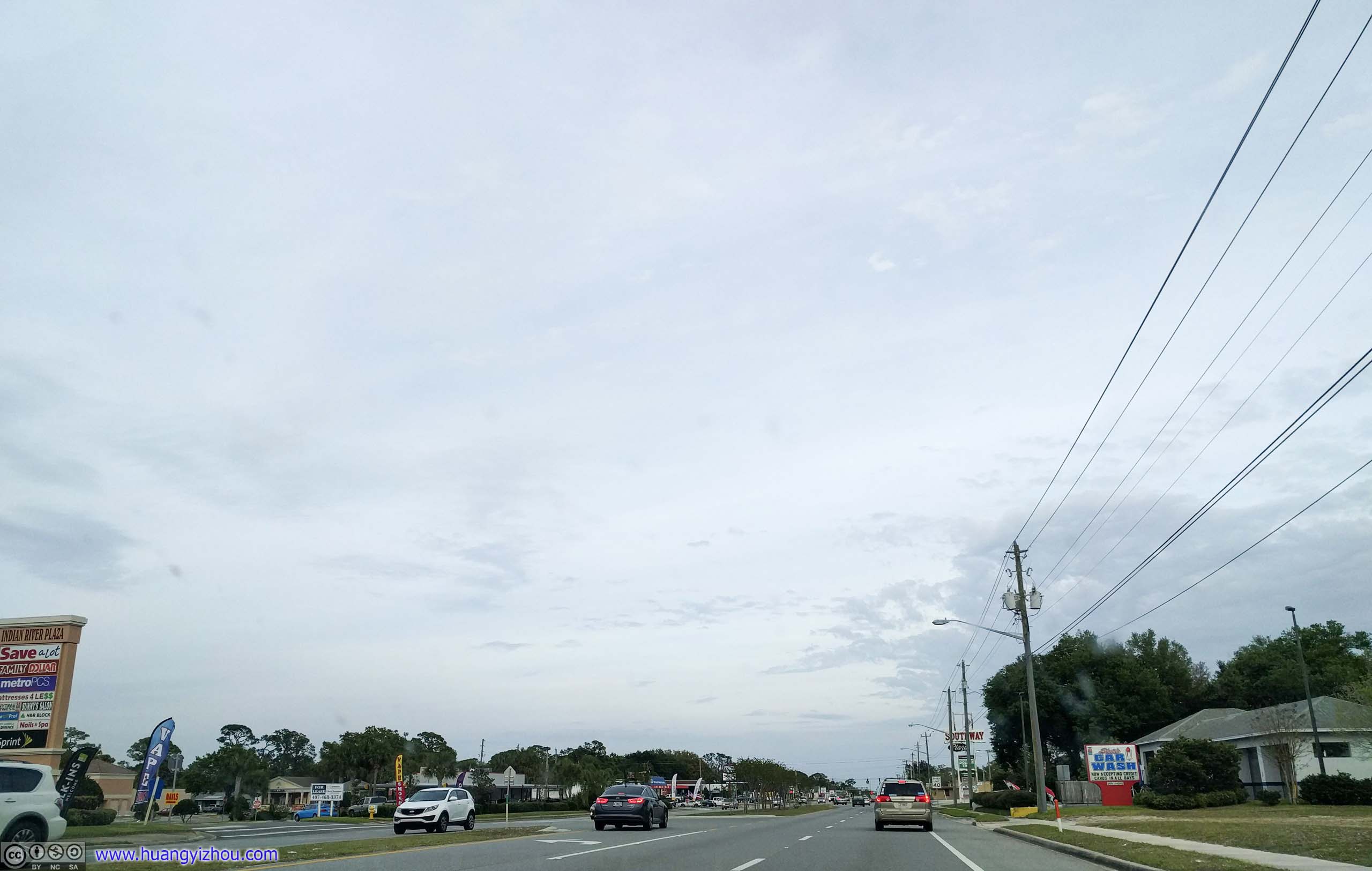
That's where I stocked up on supplies from Walmart, and got my car washed.
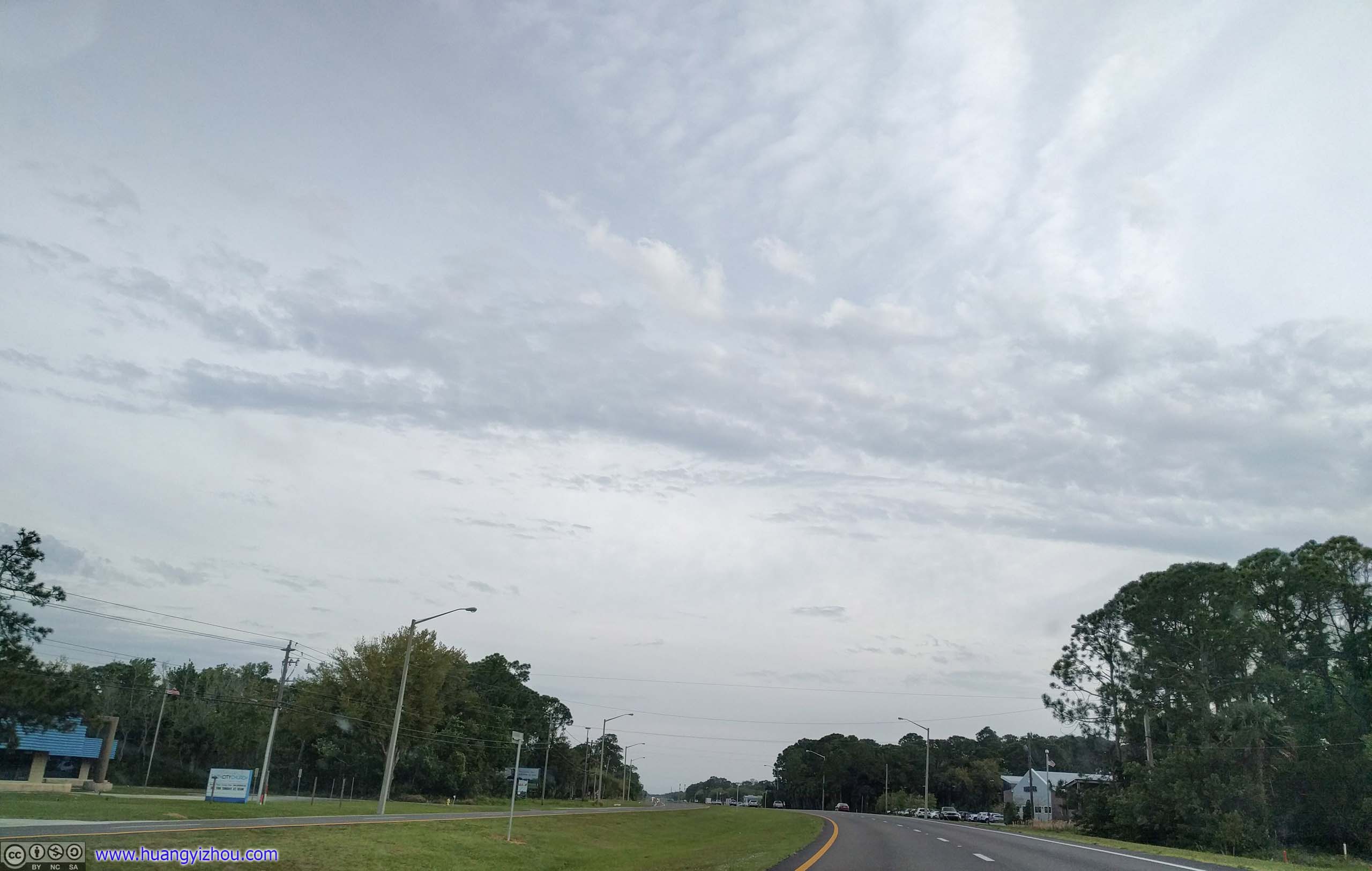
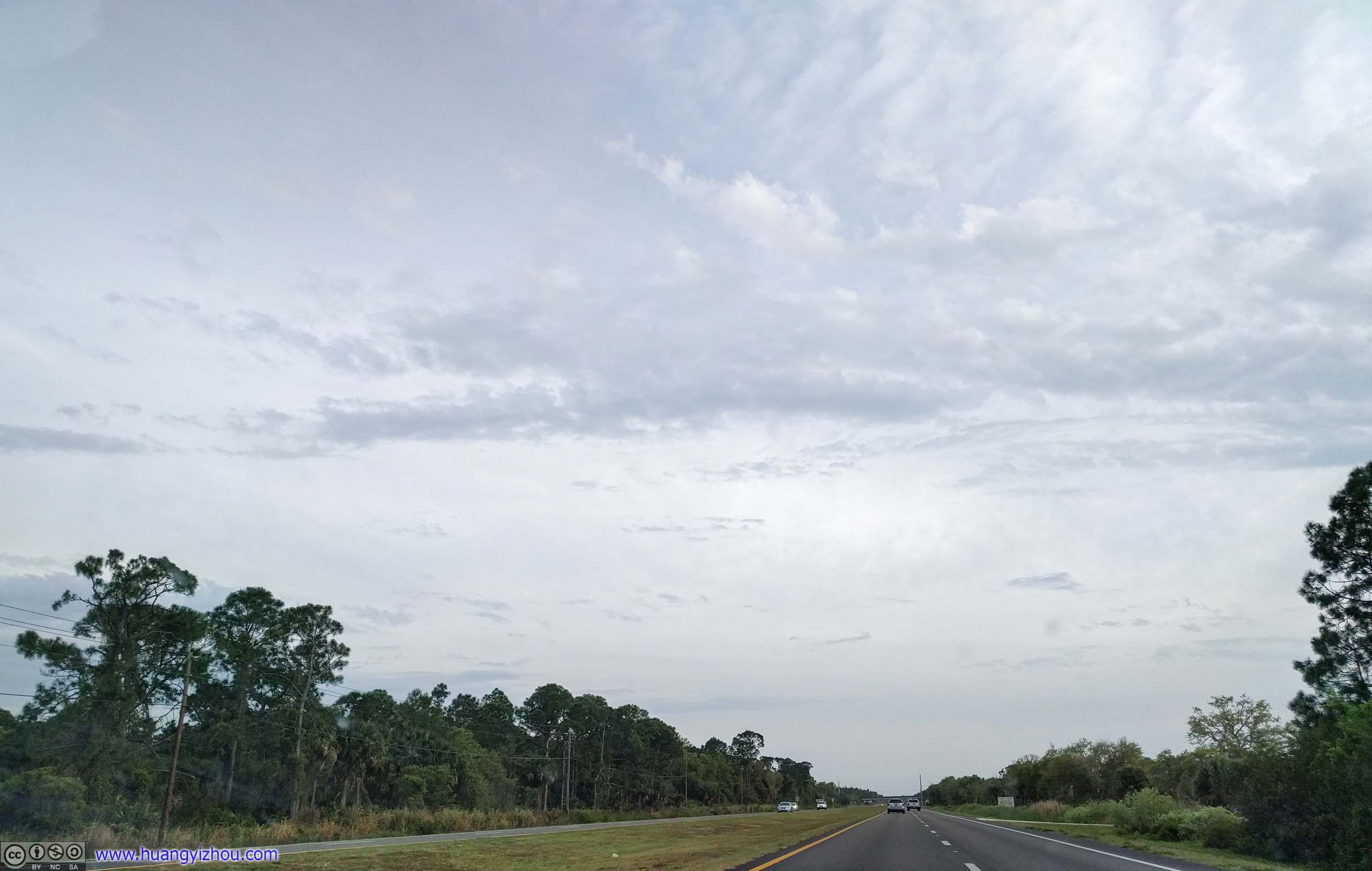
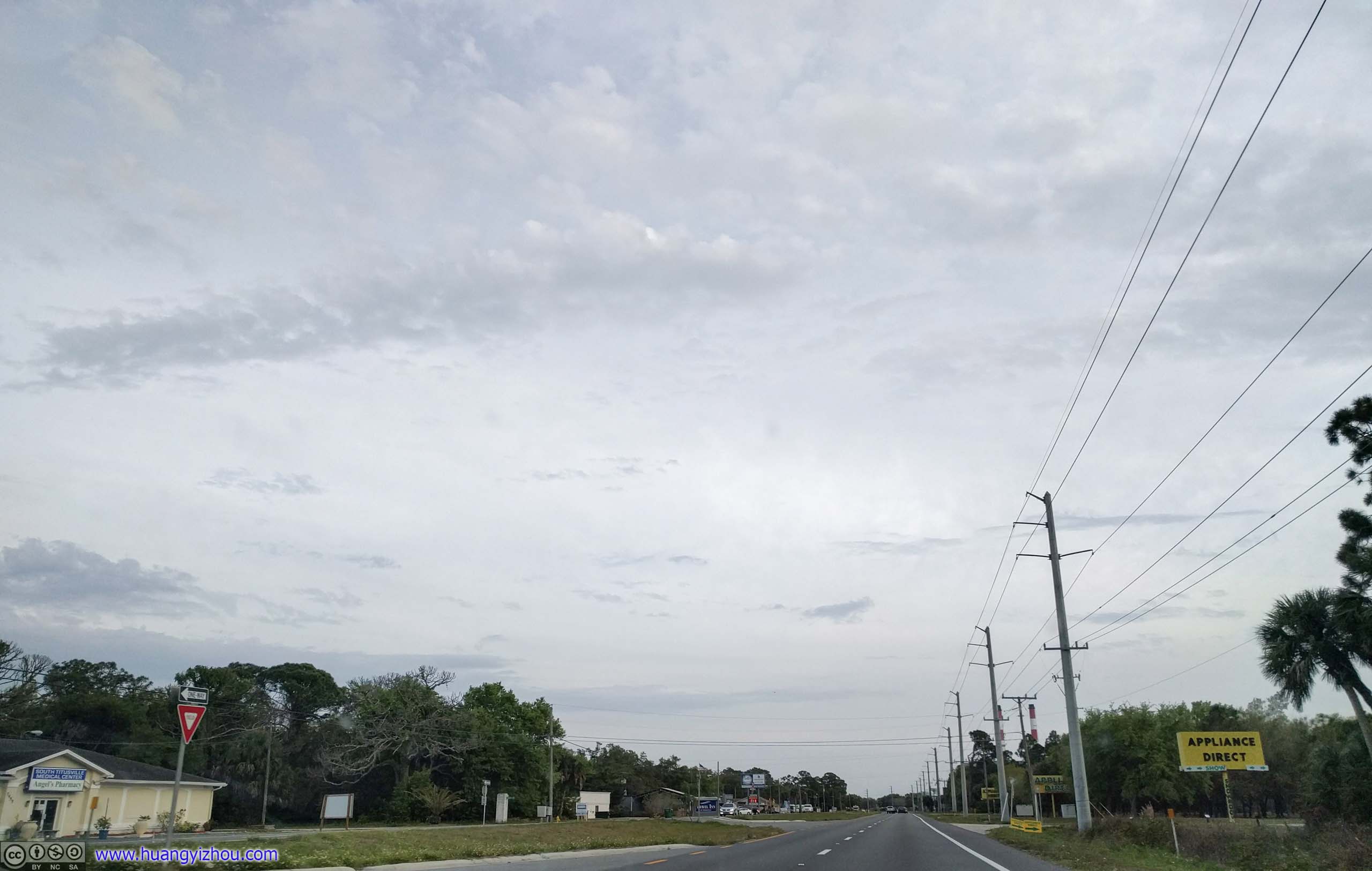
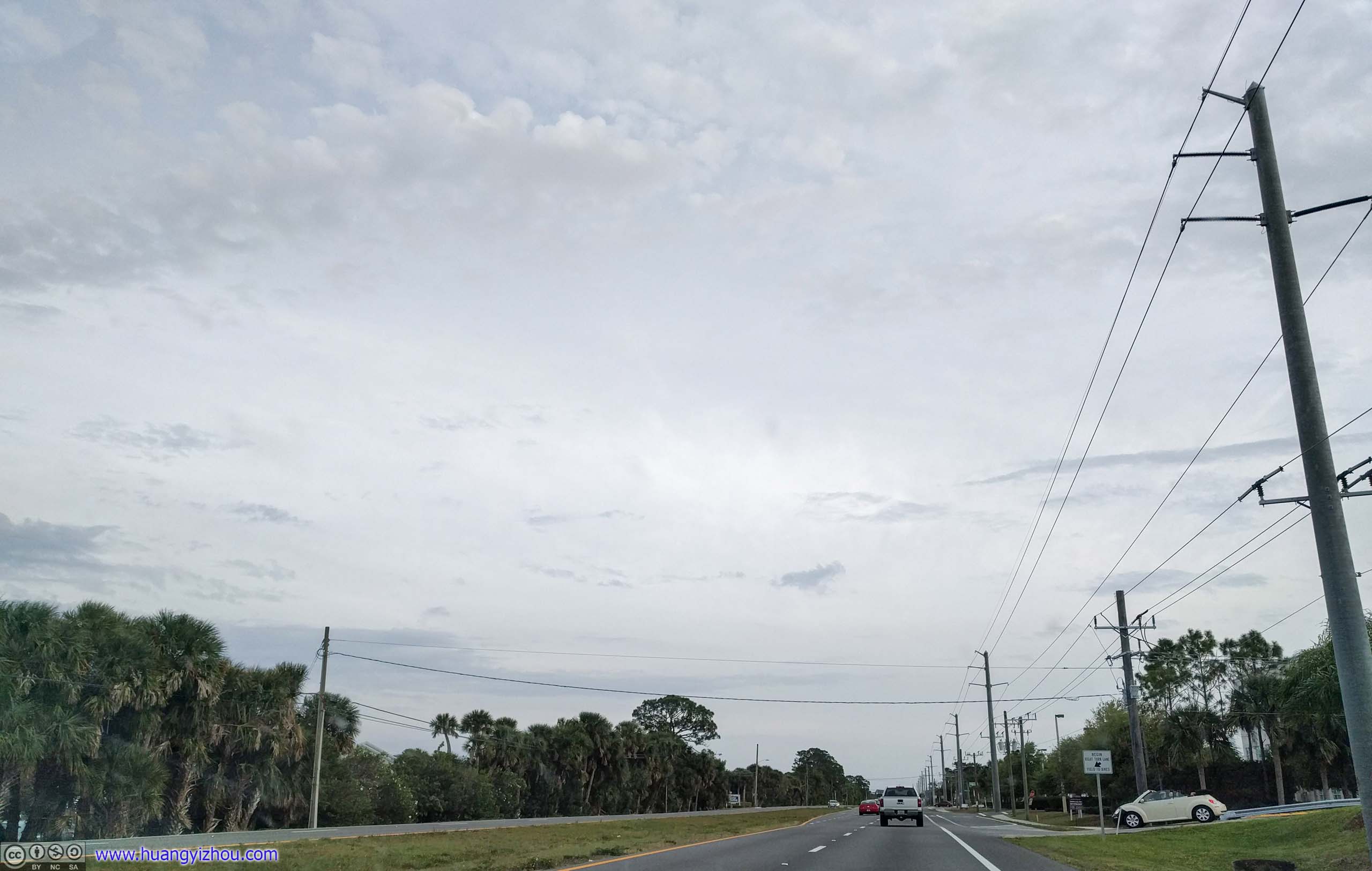
US Route 1
Outside the city of Cocoa.
END