Day 8 of 2021 Alaska Trip, Juneau, State Museum and Suburbs
Eighth and final day of my 2021 Alaska trip. Weather wasn’t great today, so I visited Alaska State Museum in downtown Juneau, before checking out some sceneries on the city’s suburbs.
Alaska State Museum
This stopover in Juneau was largely driven by Mendenhall Glacier and Ice Cave. Given Juneau’s wet climate, I decided to spend 2 days and 3 nights in Juneau, and visit Mendenhall on the day with better weather, which was yesterday.
If the weather was great today, I would probably take on some hiking trails near the city, for which Mount Juneau and Gastineau Peak were great candidates. Unfortunately, it was a constant drizzle throughout the entire day, with peaks of those mountains concealed in clouds. So instead, I decided to take it easy, and visited Alaska State Museum downtown.
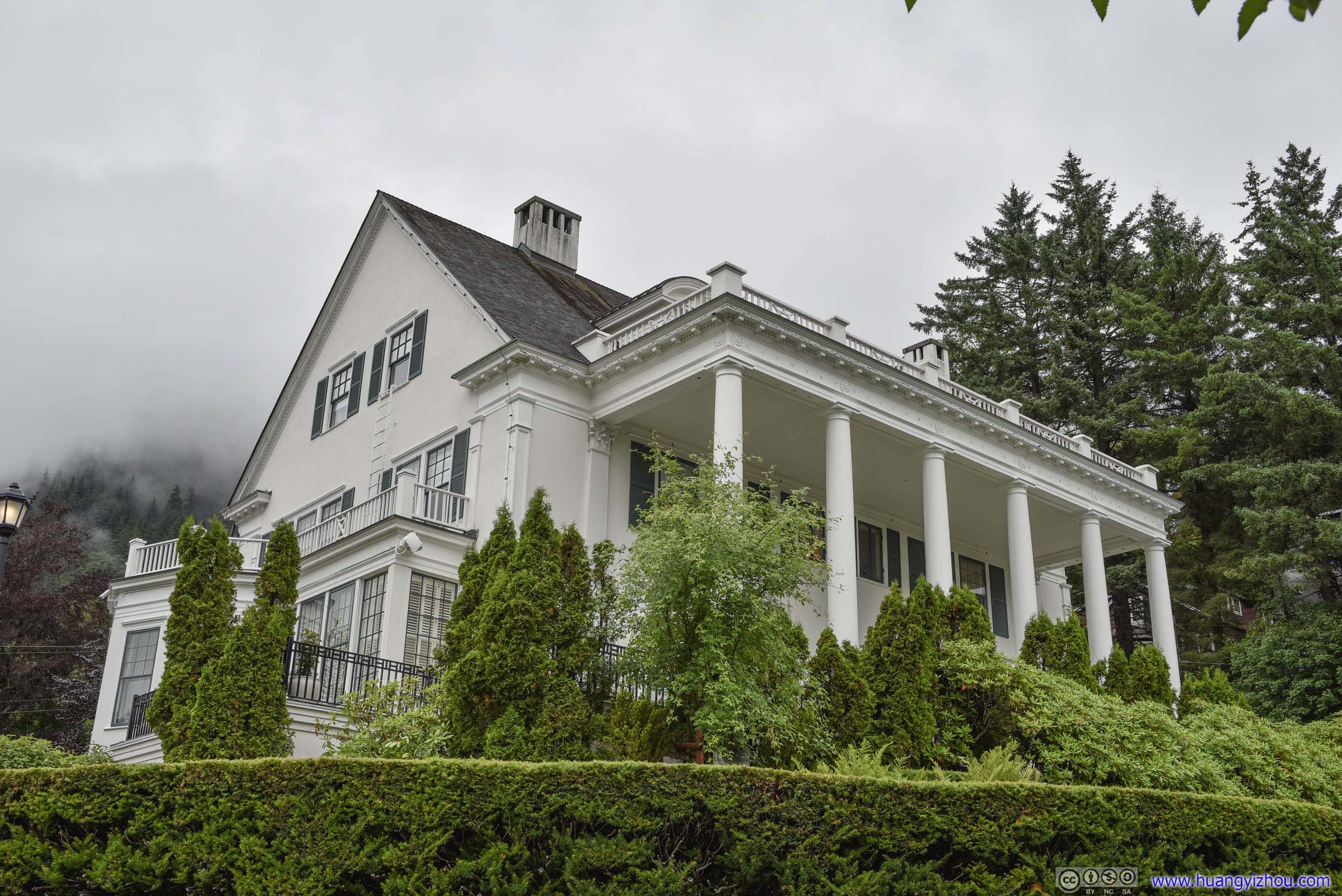
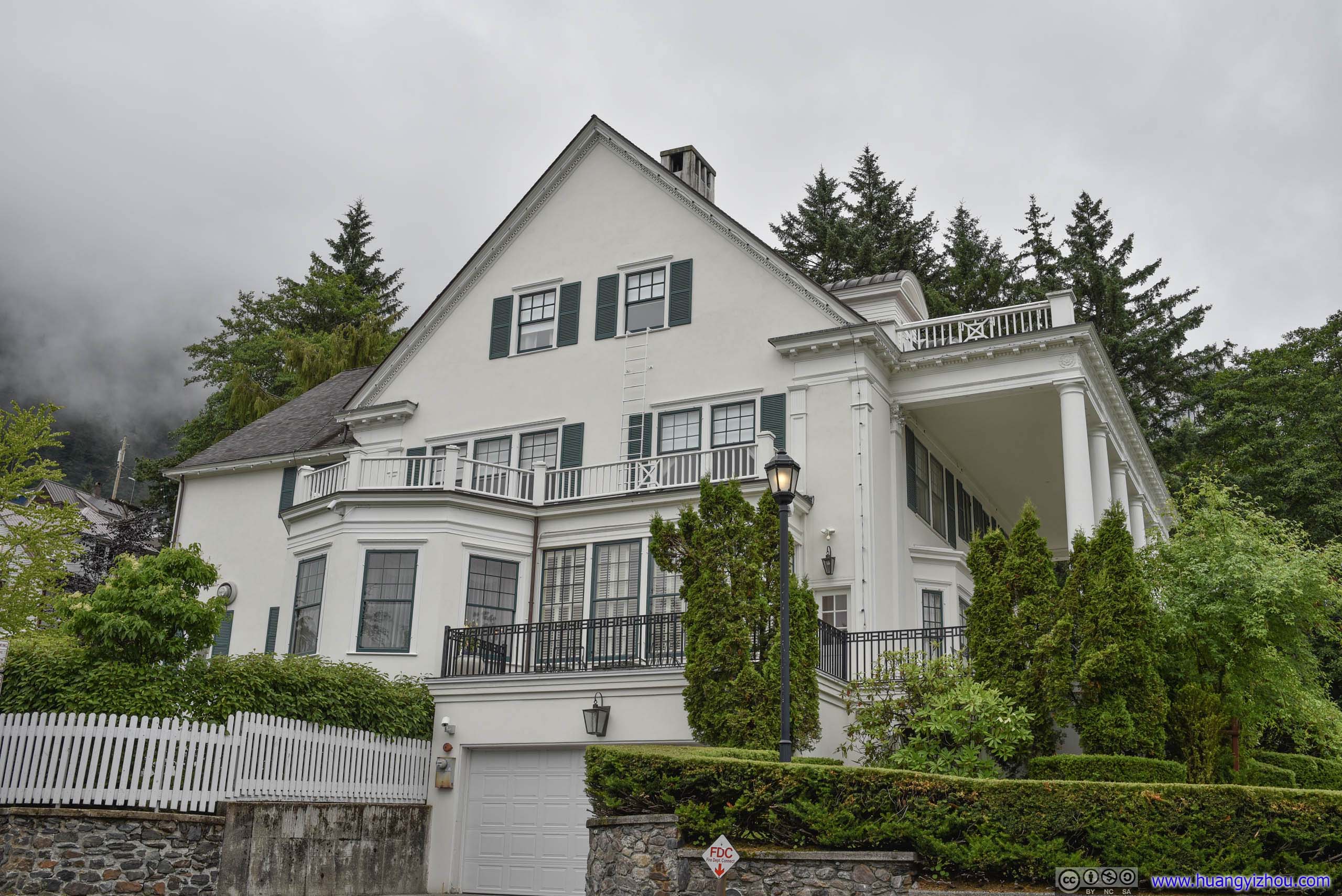
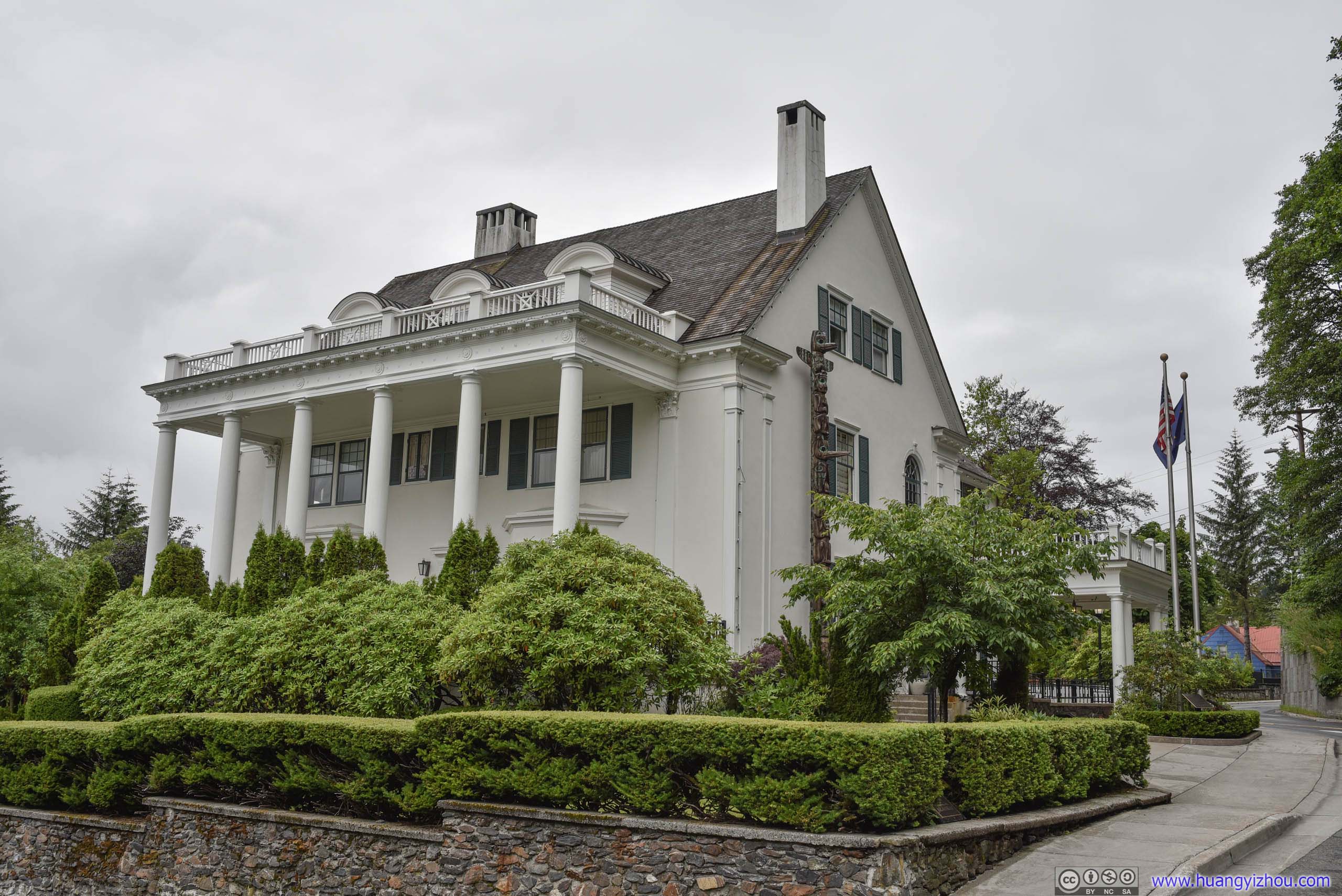
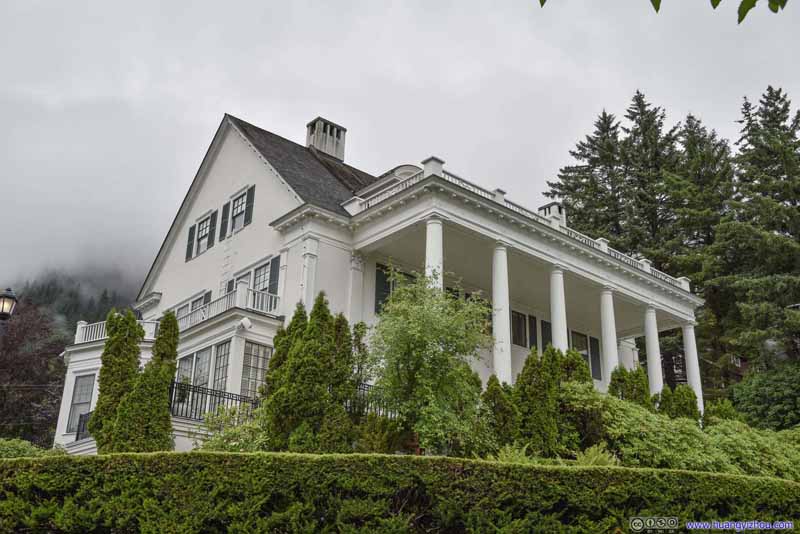
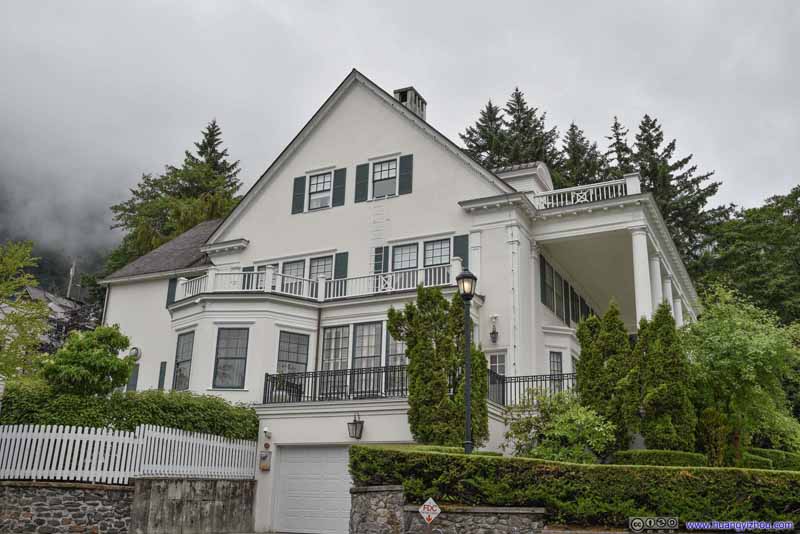
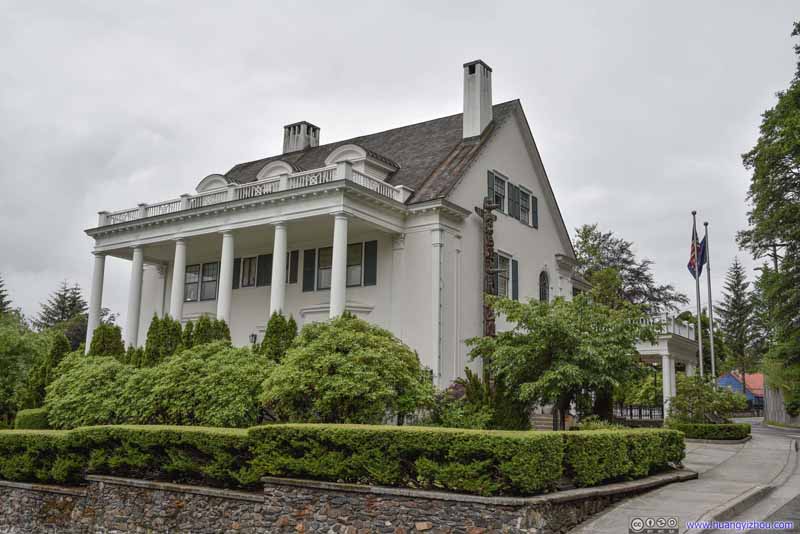
Before I left, I found my Airbnb was right next to Alaska’s governor mansion, which actually blended pretty well into a residential neighborhood.
Alaska Governor Mansion
Alaska Governor Mansion
Alaska Governor Mansion
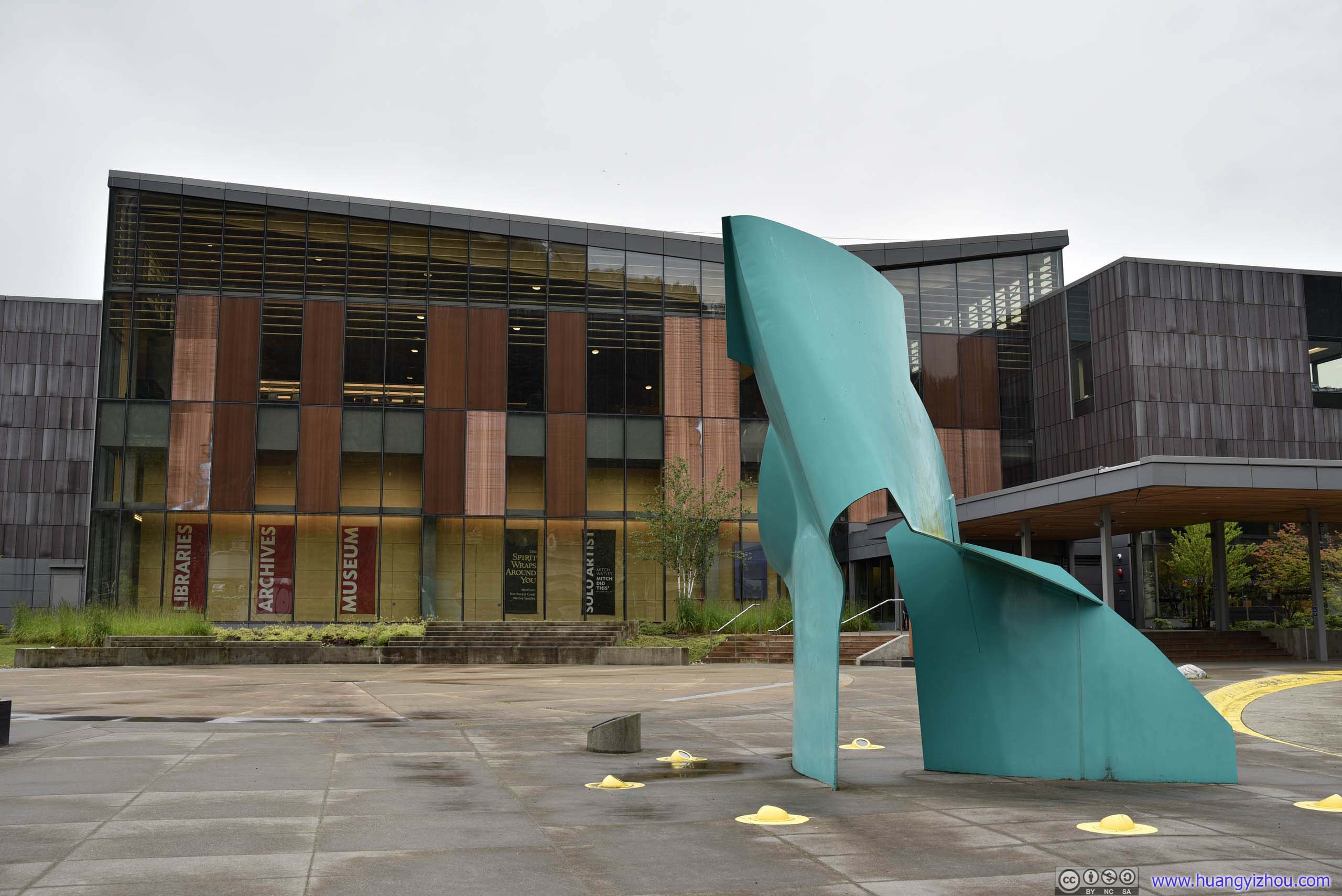
Then I drove down the hill and began a tour of Alaska State Museum.
Alaska State Museum
The museum’s exhibits were arranged in time, from native Alaska to Russian Alaska to American Alaska. The native Alaska part had a recreation of tribal house, giving an immersive experience that I quite liked.
Costumes
Costumes
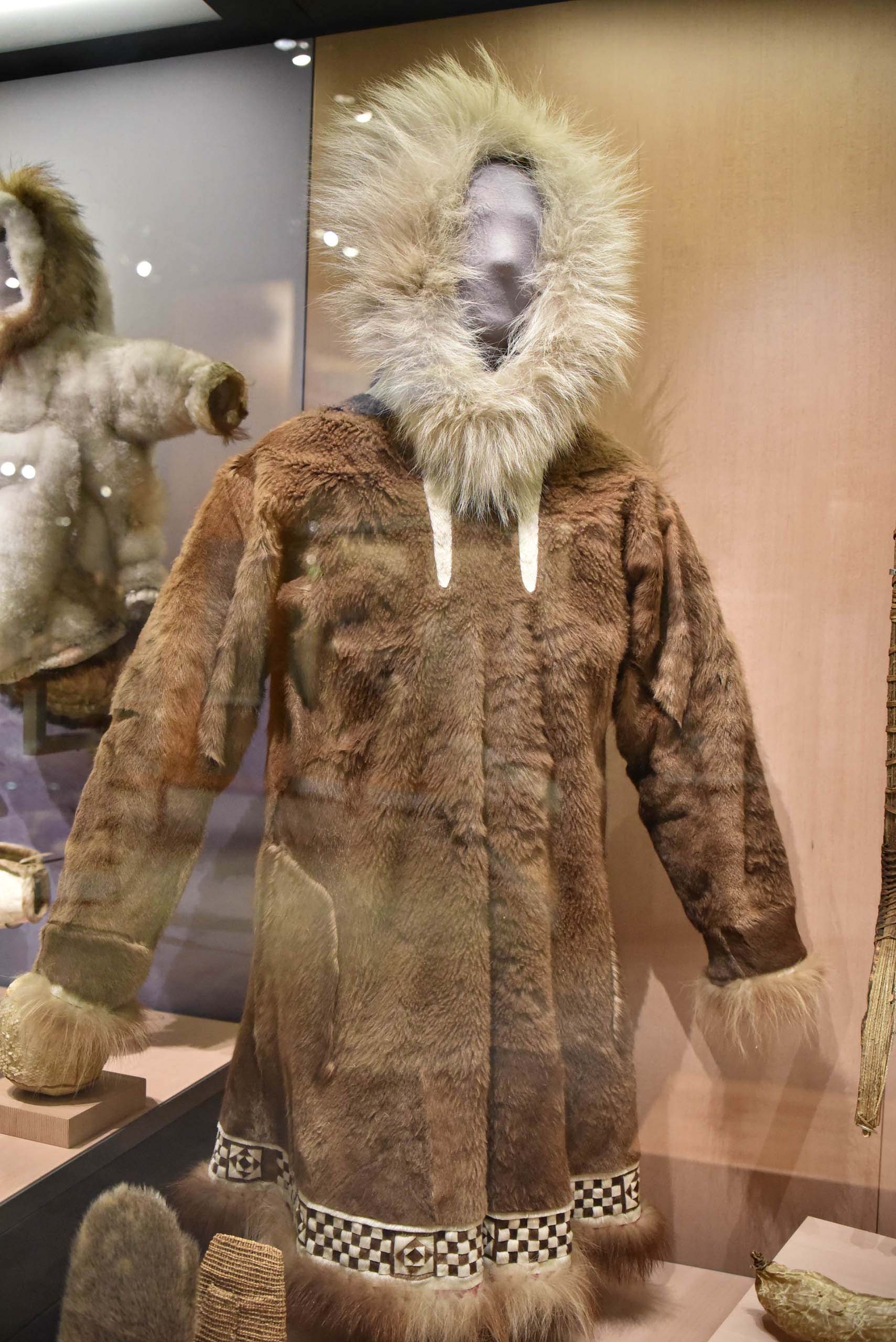
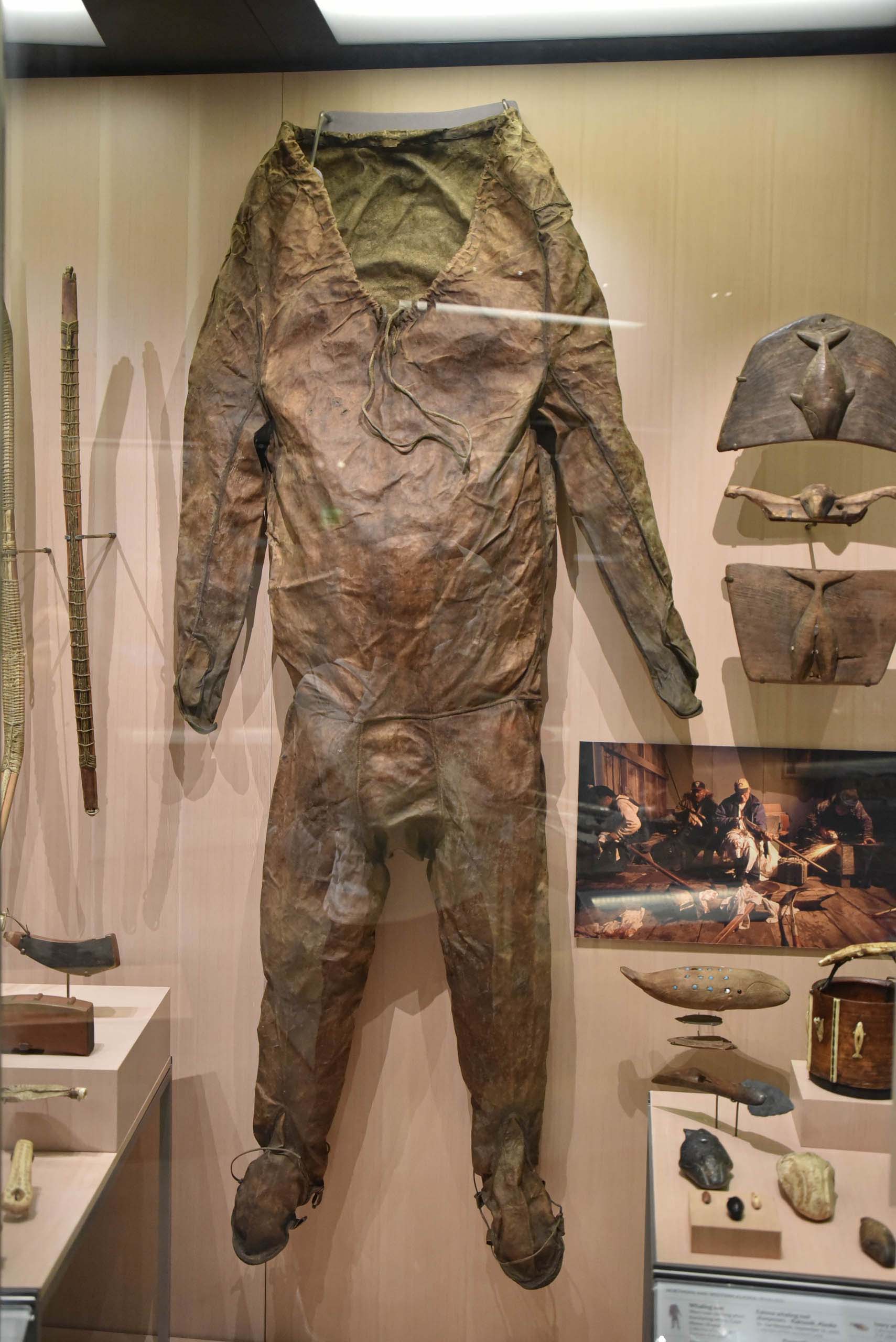
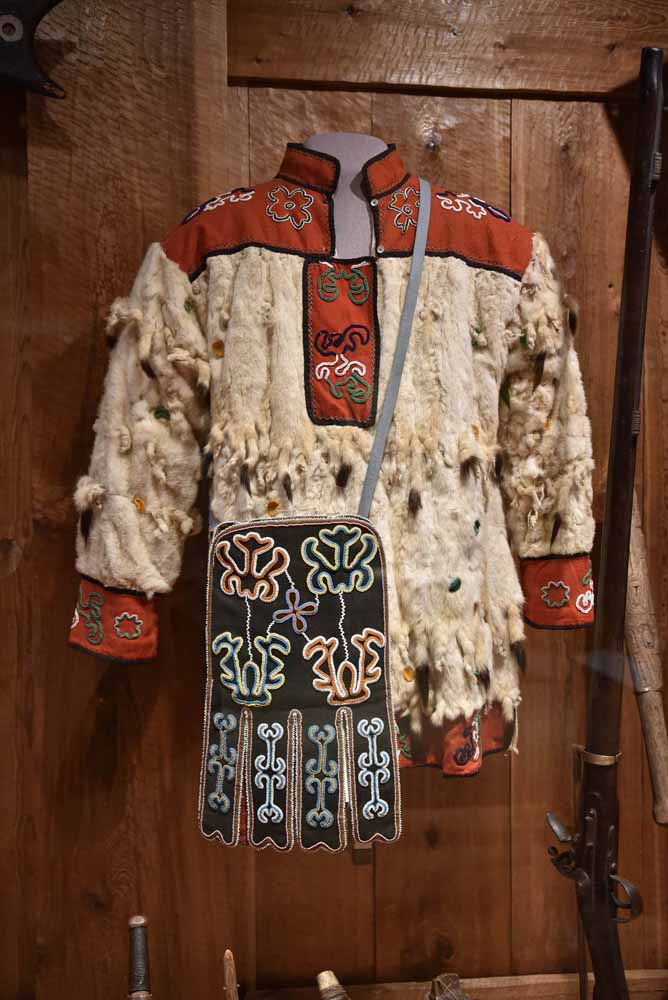
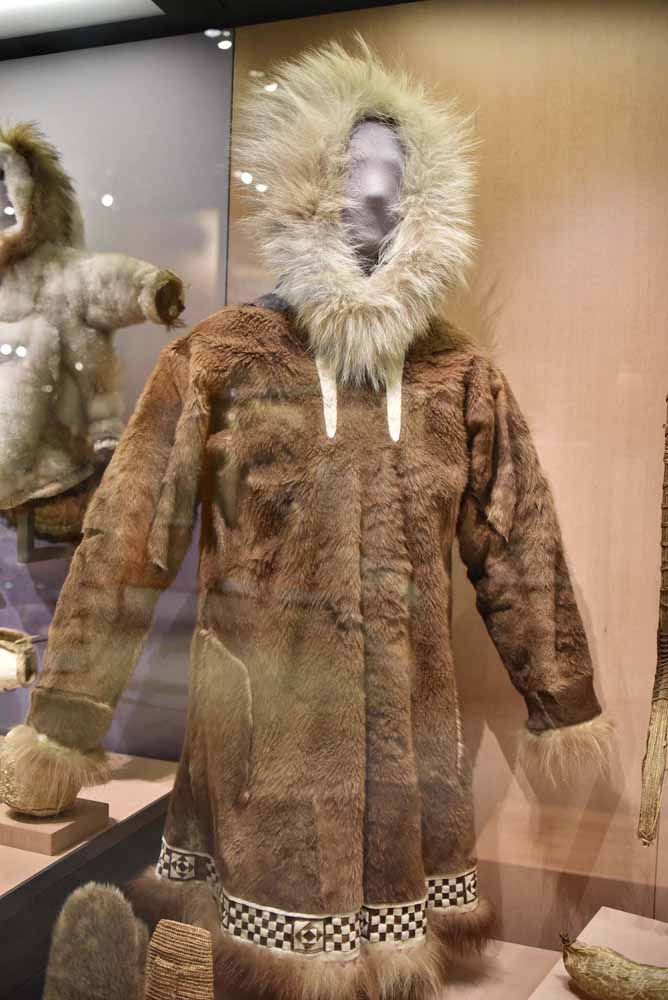
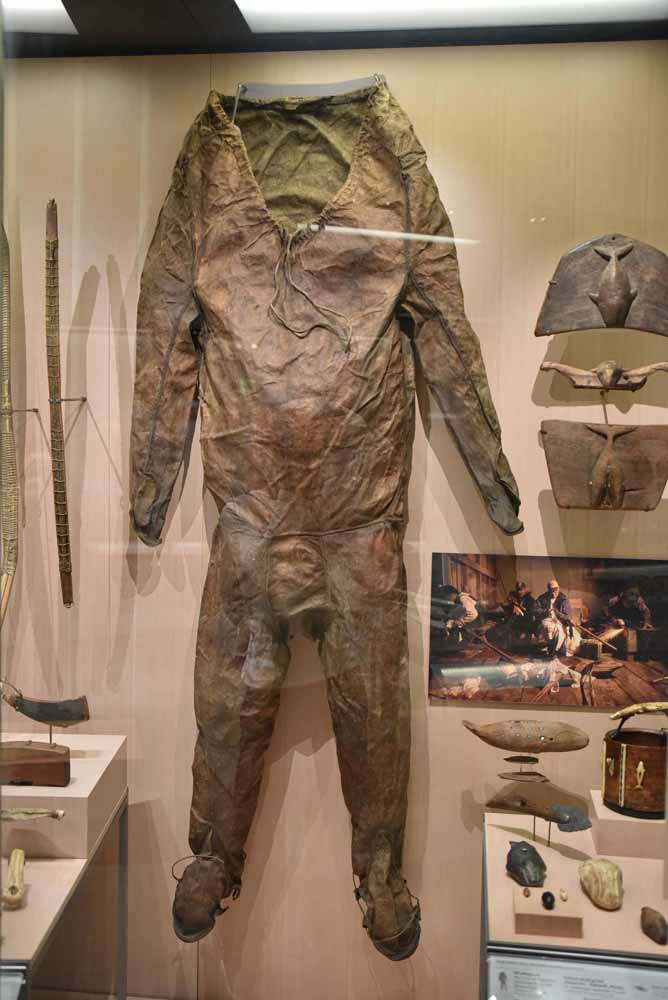
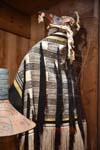
Clothing
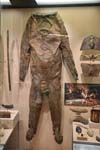
Whaling Suit Worn over clothing when butchering whale, Cape Nome, Inupiaq.
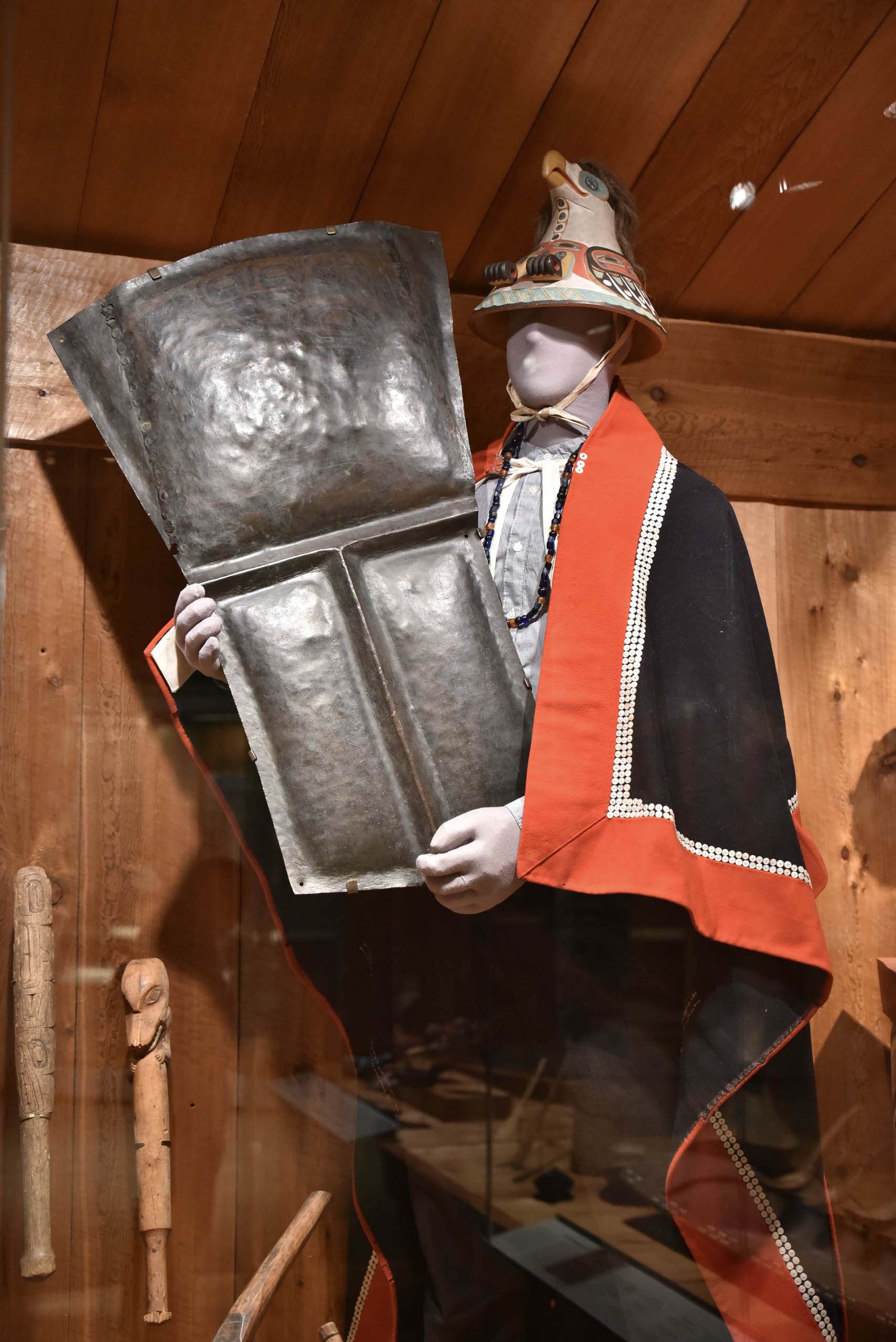
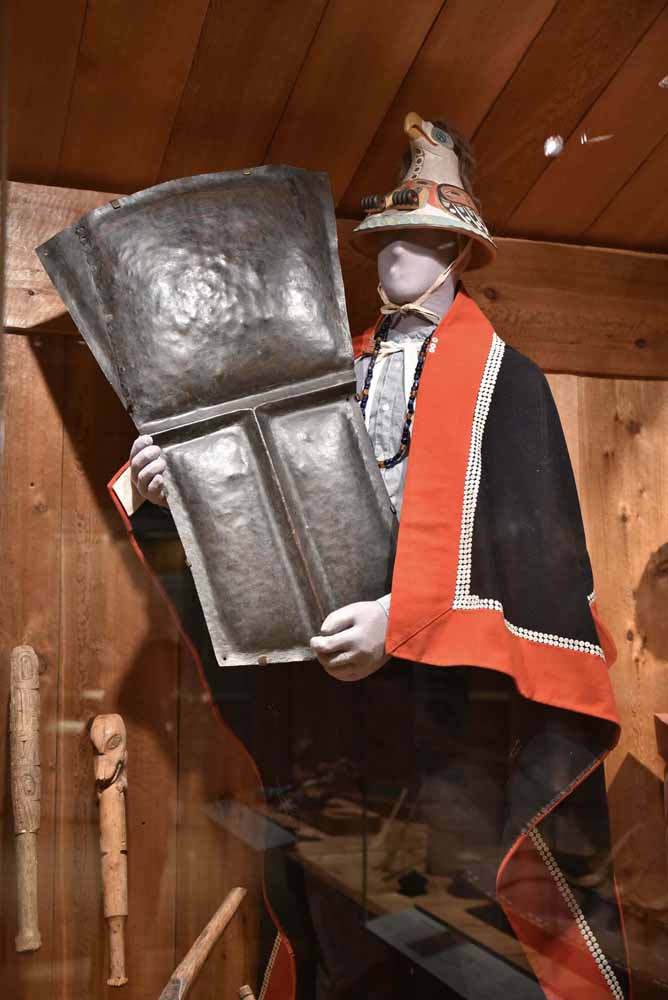
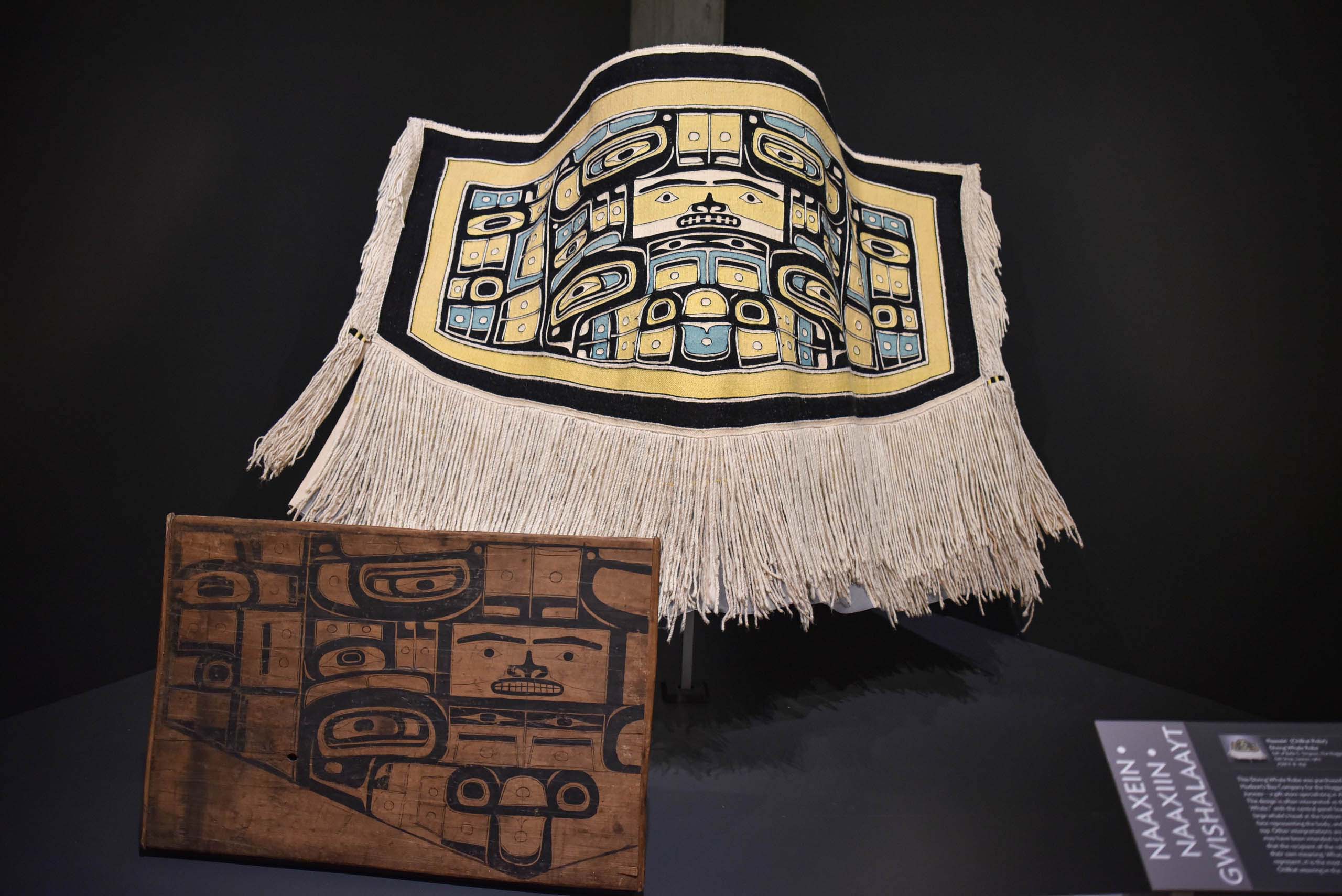
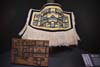
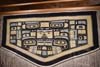
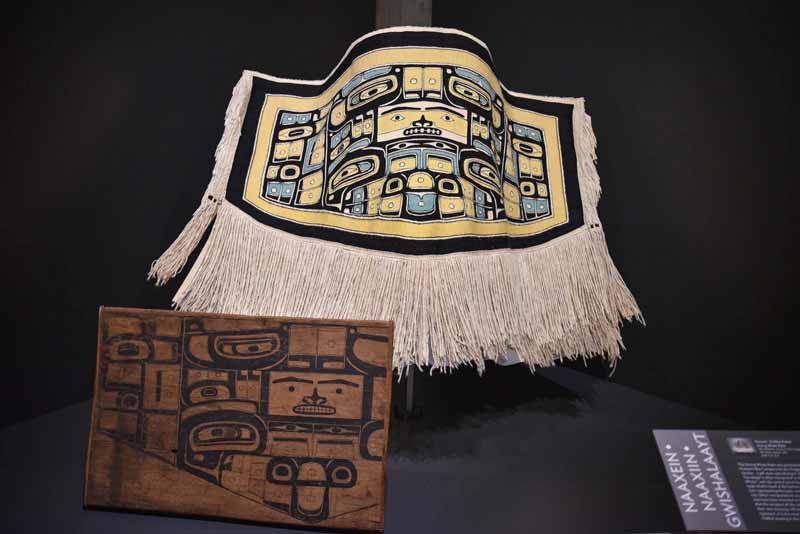
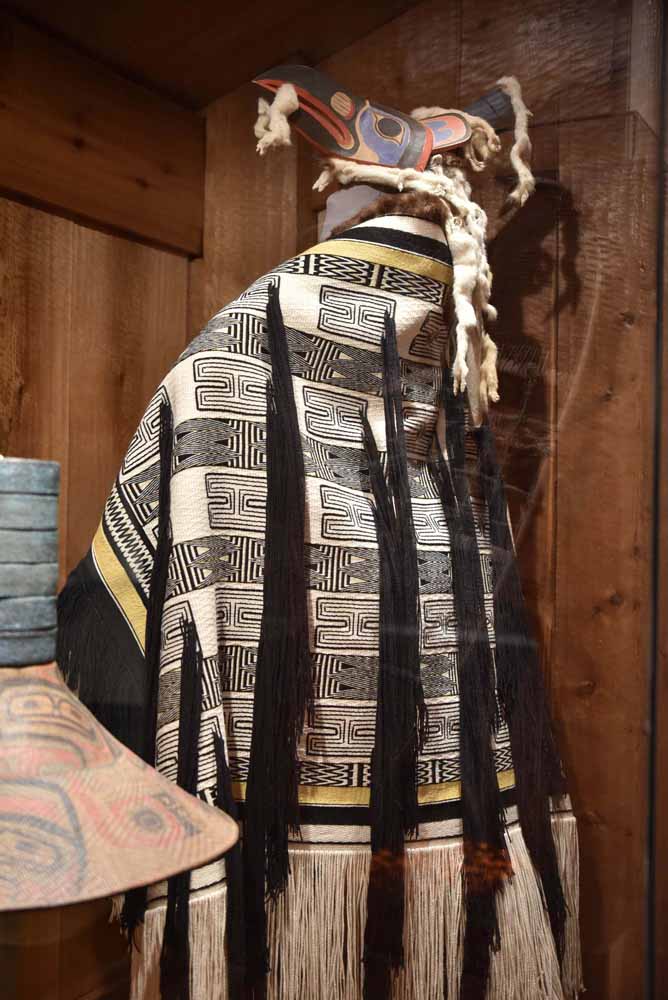
Chilkat Robe
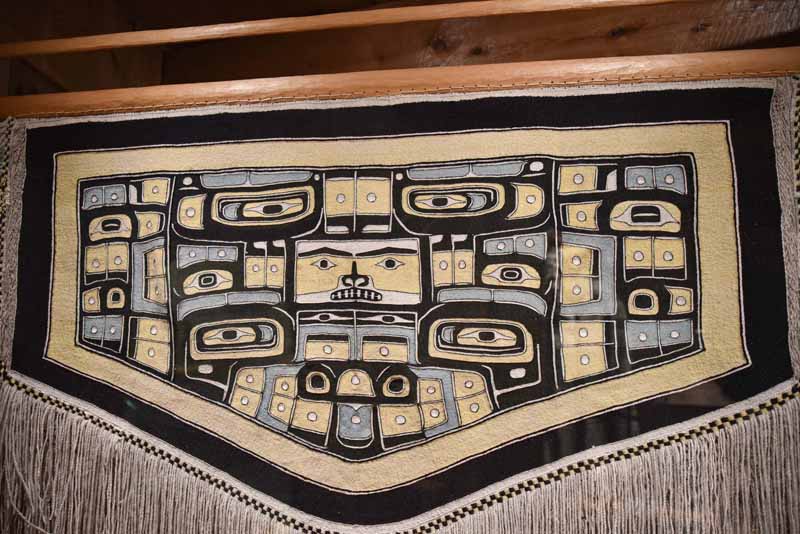
The design of a Chilkat Robe was historically a collaboration between female and male artists. A male artist would paint a pattern board (foreground), which was used by a female weaver to translate the painted design into weaving.
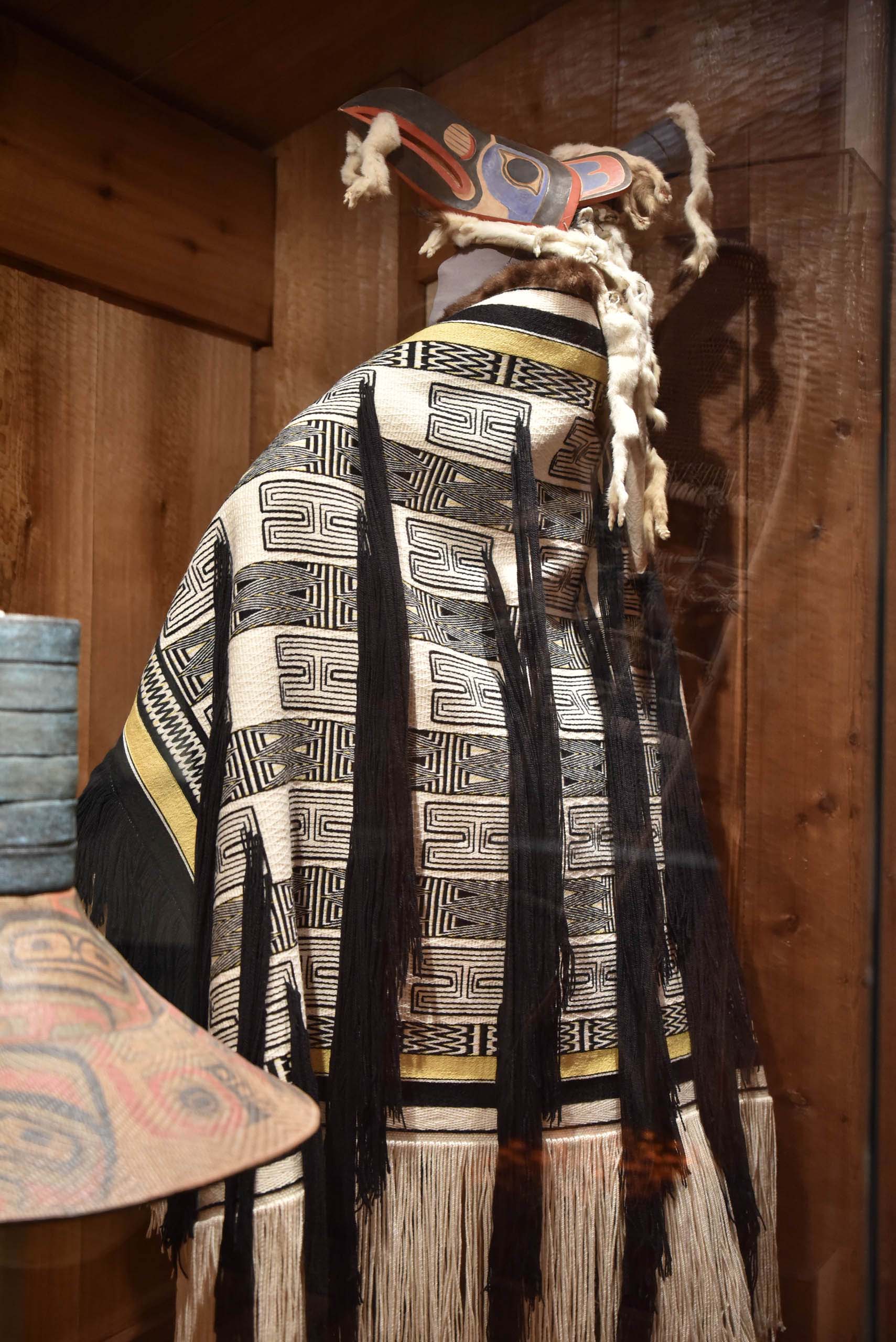
Chilkat Robe
Chilkat Robe
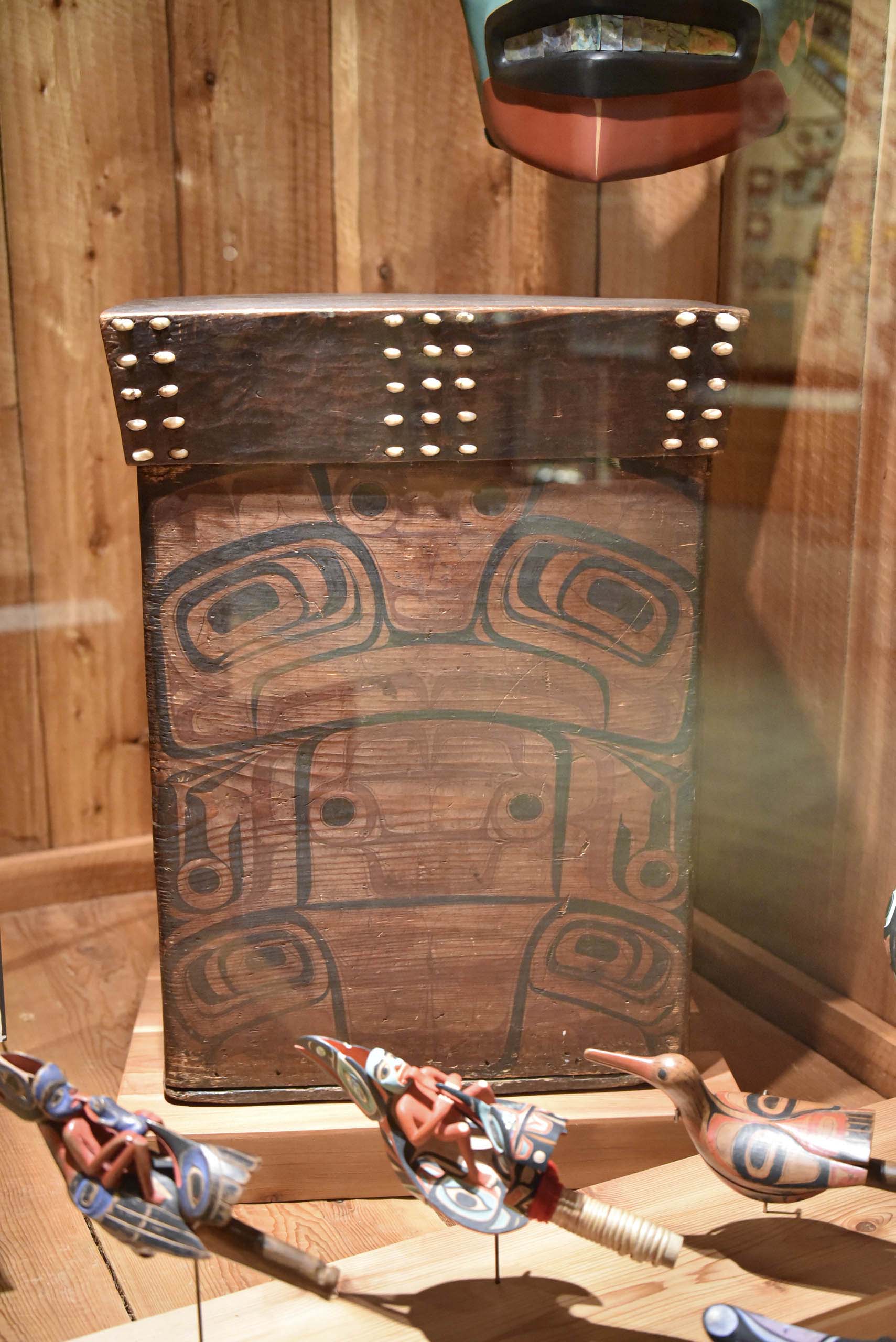
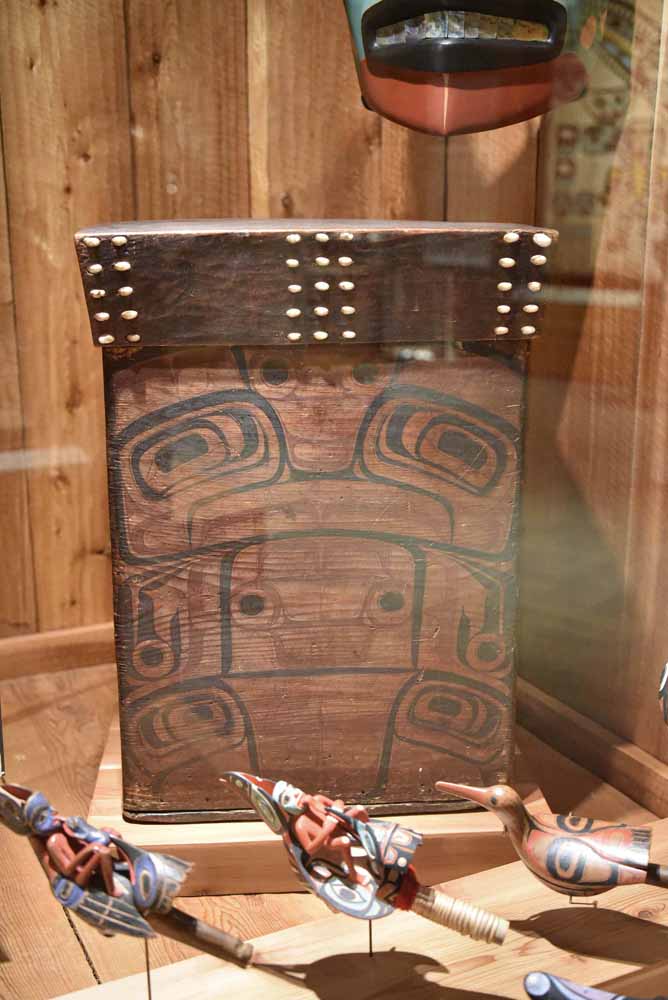
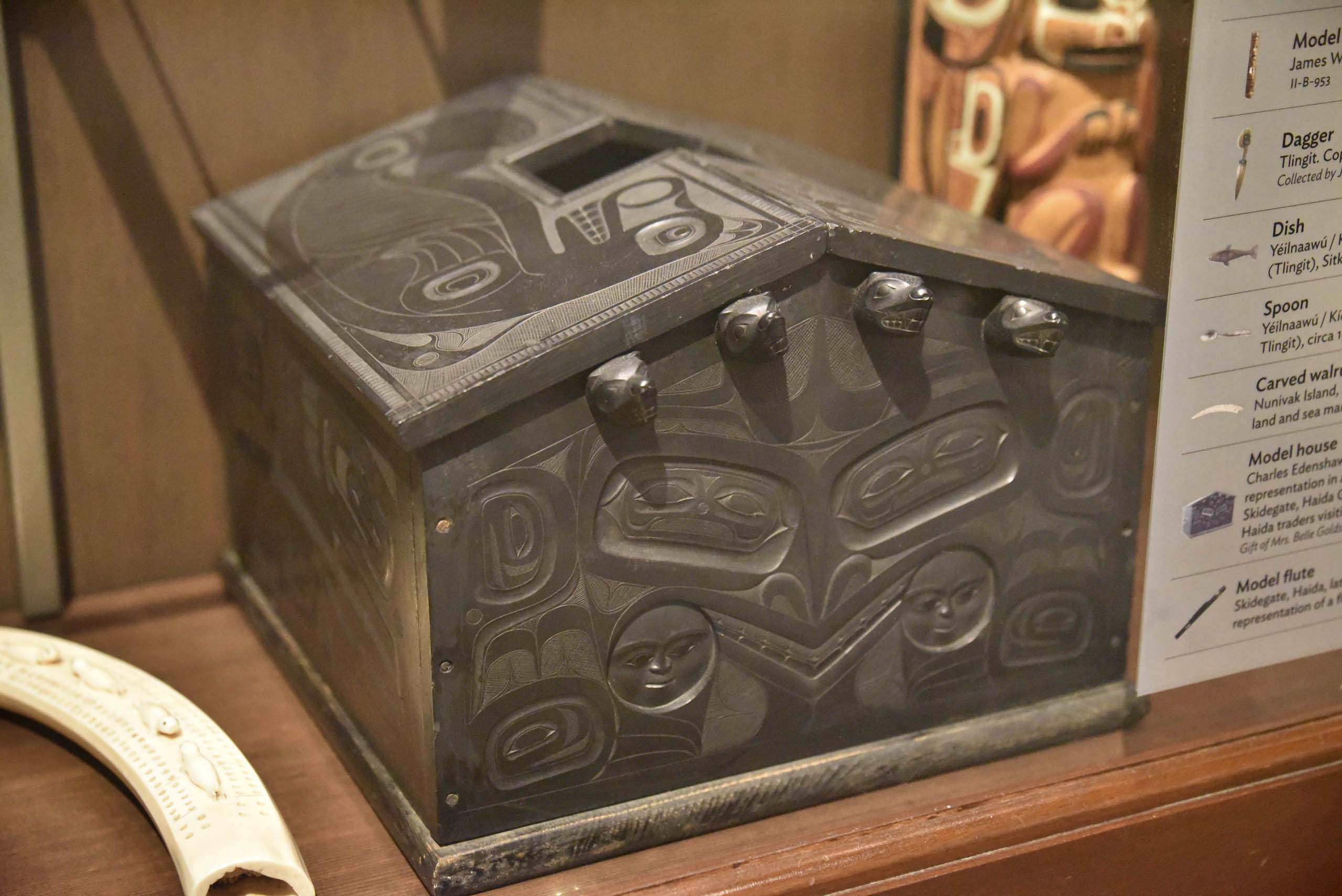
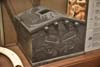
Bentwood Box
Bentwood boxes served as food storage containers, water buckets, tool and tackle boxes, cradles, and coffins. The boxes’ ingenious bentwood corners and joints were waterproof and they could be used to boil water and cook. Large bentwood chests with painted and carved crest designs protected clan regalia. .All four sides of a bentwood box are made from a single board. Its maker carves a specially shaped kerf or groove almost all the way through the board at three places. The board is then steamed, making the wood flexible along the kerf, and the maker bends it to form three corners. The fourth corner, where the ends of the board meet, is fastened with wooden pegs or sewn with stripped tree branches, as is the bottom. Often the box is fitted with a carved or woven lid.
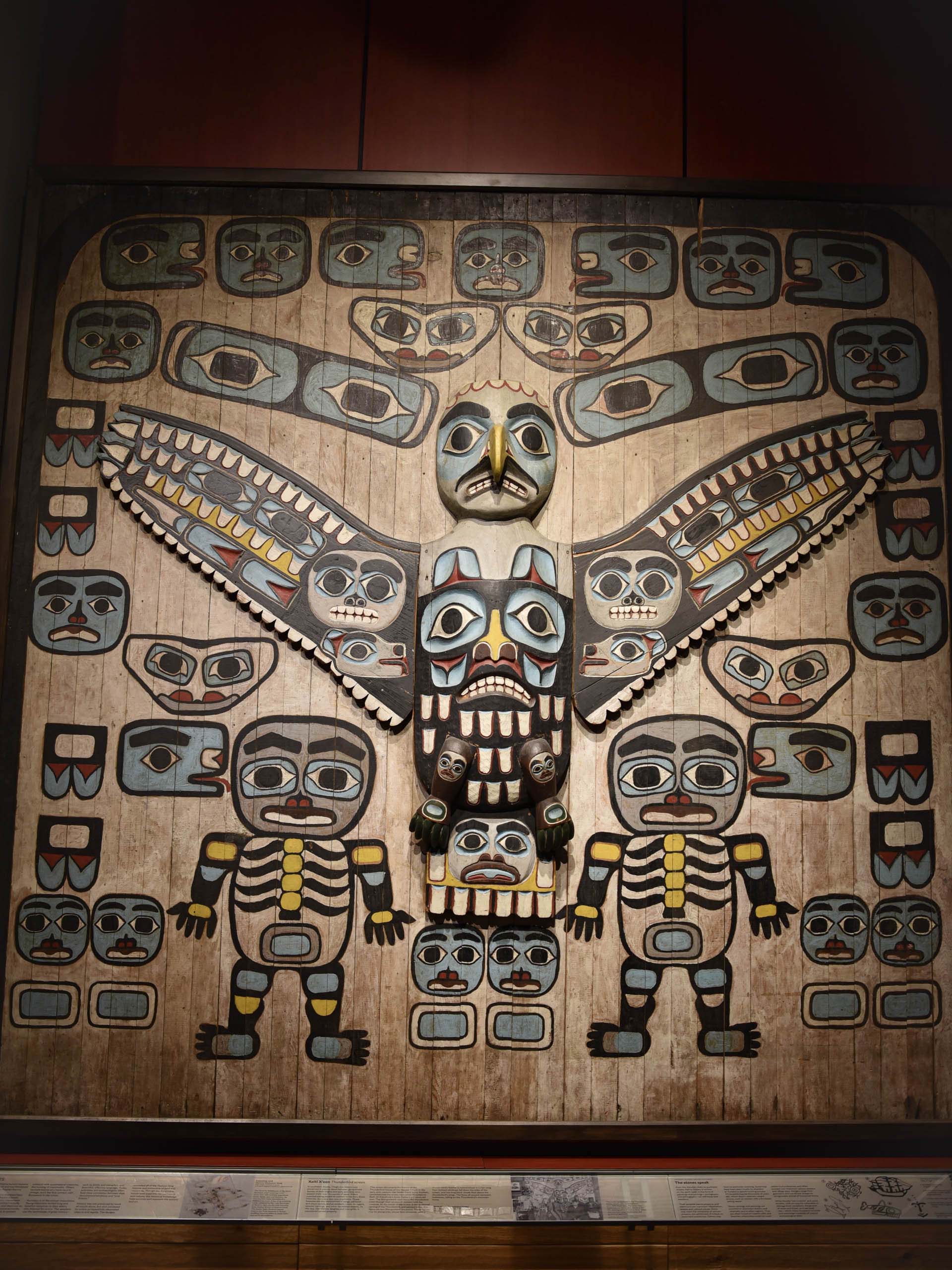
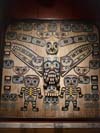
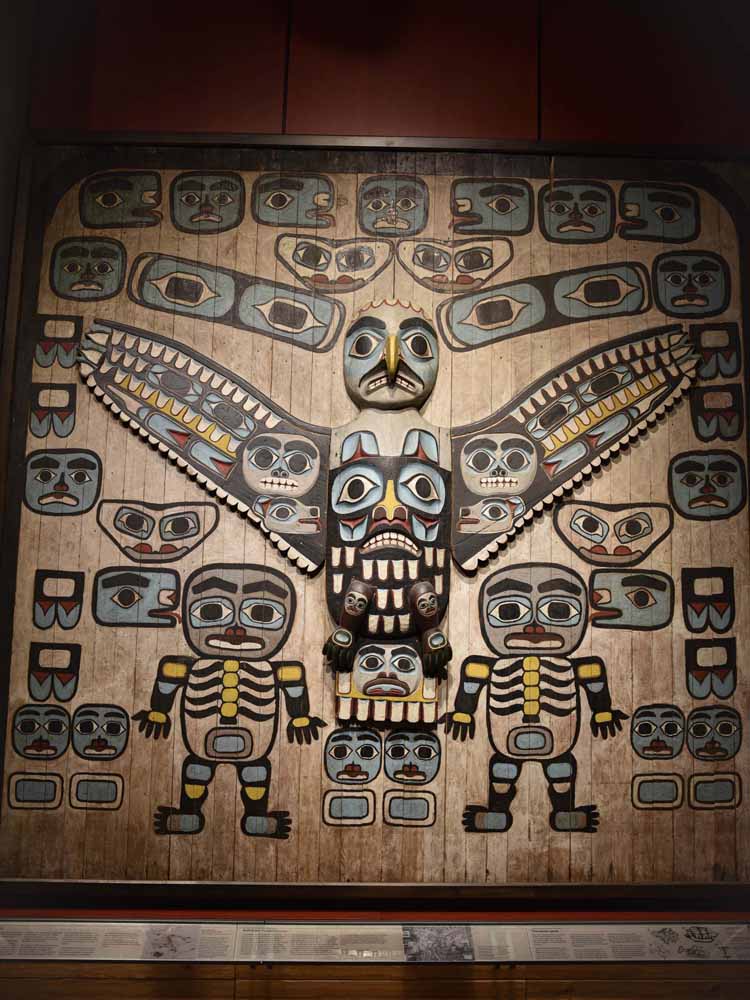
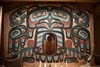
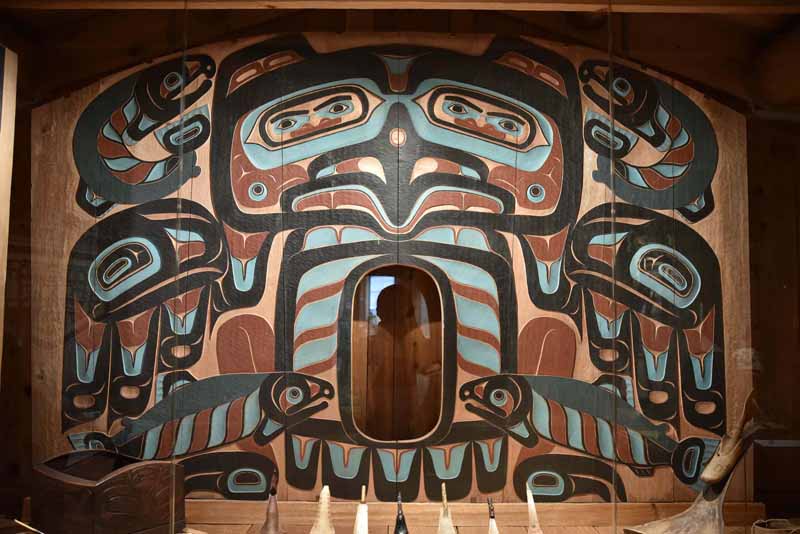
Xeitl X’een Thunderbird Screen
In southeast Alaska, Tlingit clan history was preserved in precise detail between generations. Stories of their origins and early activities were passed orally over thousands of years. Elders coached young people to commit to memory these histories. Accuracy was very important. These histories are also represented in songs, personal and place names, and as symbolic crests on regalia, totemic carvings, and other decorated objects. To this day, clan history, tangible and intangible, is considered sacred property. .This screen documents the history of the Thunderbird House of the Yakutat Tlingit. In the early 20th century, clan leader Frank Italio, Kuchein, commissioned the screen artist Woochjix’oo Eesh (In Everybody’s Arms-father), a L’uknax.adi man. The Shangookeidi clan claims the thunderbird crest through their ancestors’ contact with the creature. At the center of the screen is the sculptural carving of the Thunderbird, and painted below this figure are two Shangookeidi ancestors. These figures may be young men, whose fatal encounter with a thunderbird’s feather is memorialized in a clan song. Four stylized raindrops fall down the sides of the screen, and two long black clouds float above the thunderbird’s wings. The faces all around represent hailstones, falling on the Thunderbird’s mountain home.
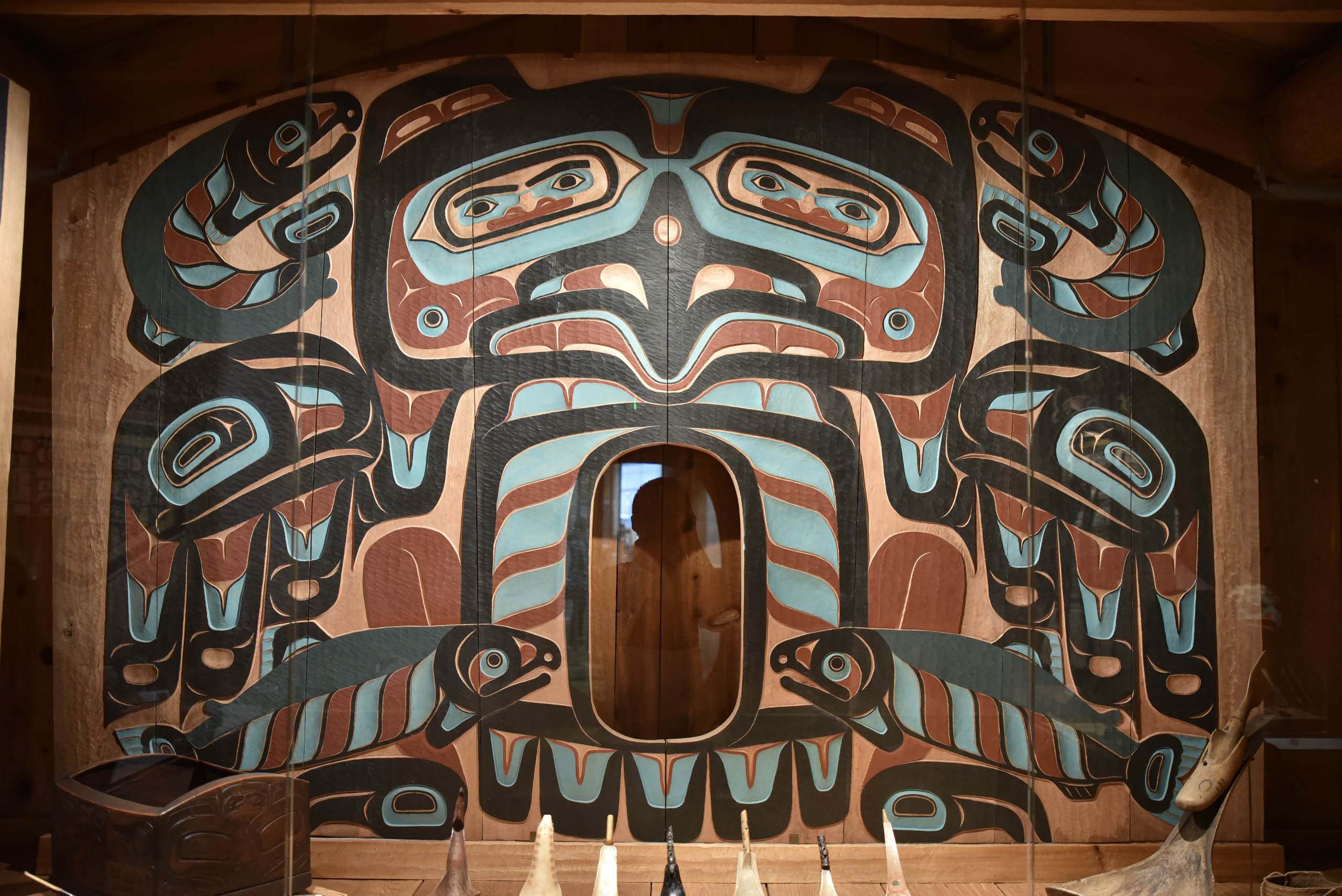
Formline Art
Formline is the fluid, curved and interconnected design style familiar from the art of Southeast Alaska. Tlingit, Haida, Tsimshian, and to some extent the Eyak art uses painted or carved formline on objects ranging in size from jewelry to totem poles. The system evolved over hundreds or thousands of years, changing to incorporate new ideas, motifs, and materials. Formline has rules, but artists can include their own innovations within the boundaries of tradition. Traditionally, formline art passed from master to student, but apprentices mostly died out with the arrival of the American school system, wage work, and pressure from missionaries to abandon tradition. The art survives today thanks to artists who kept going in spite of difficulties.
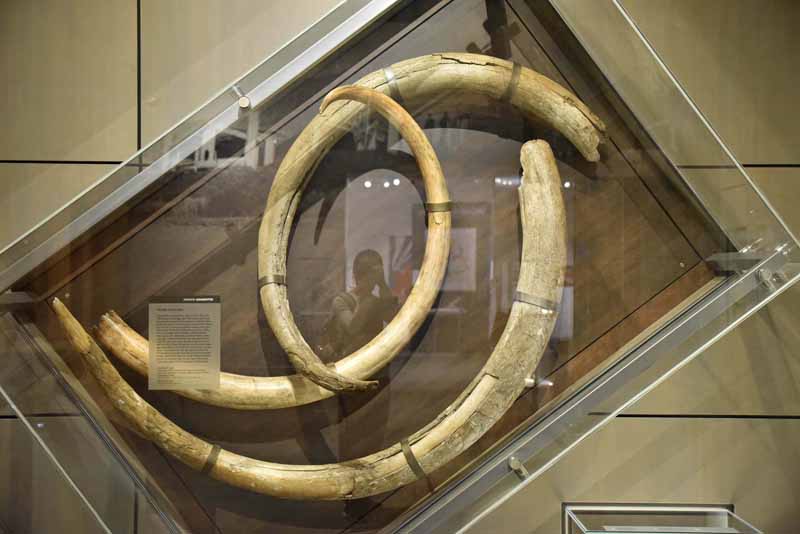
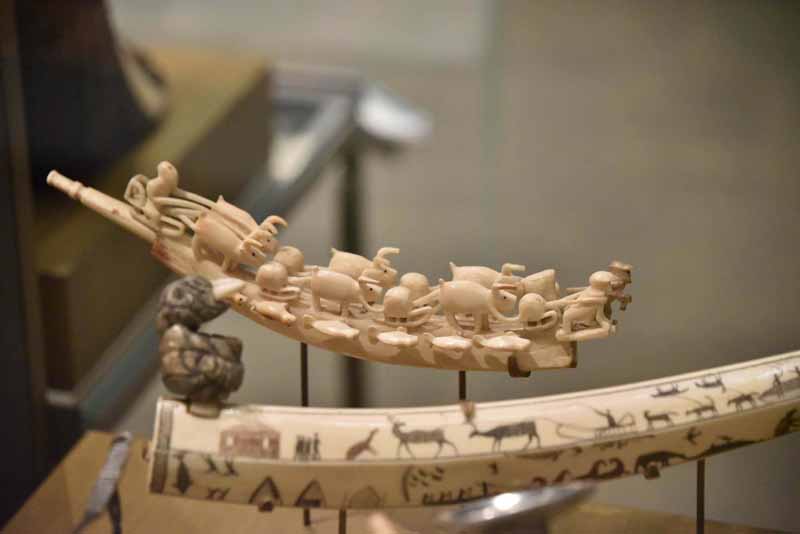
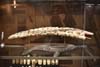
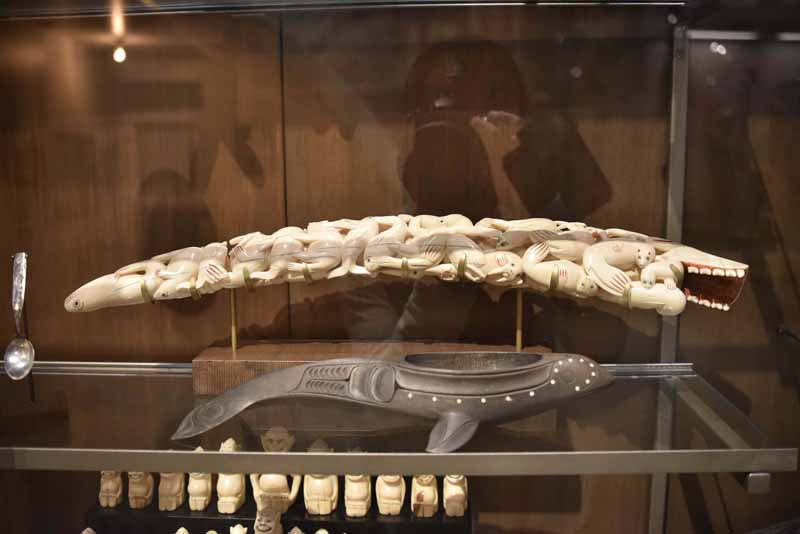
Mammoth Tusks
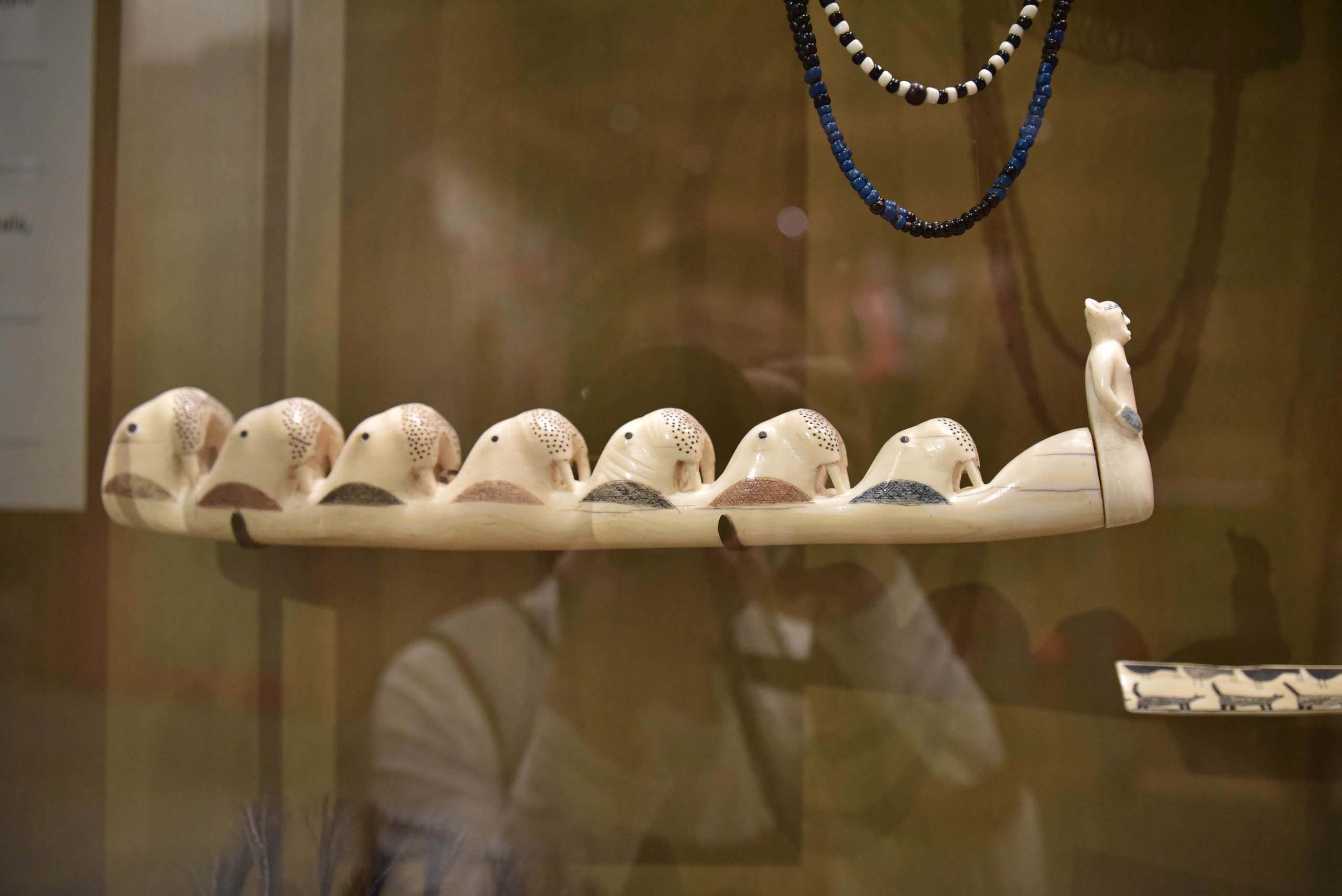
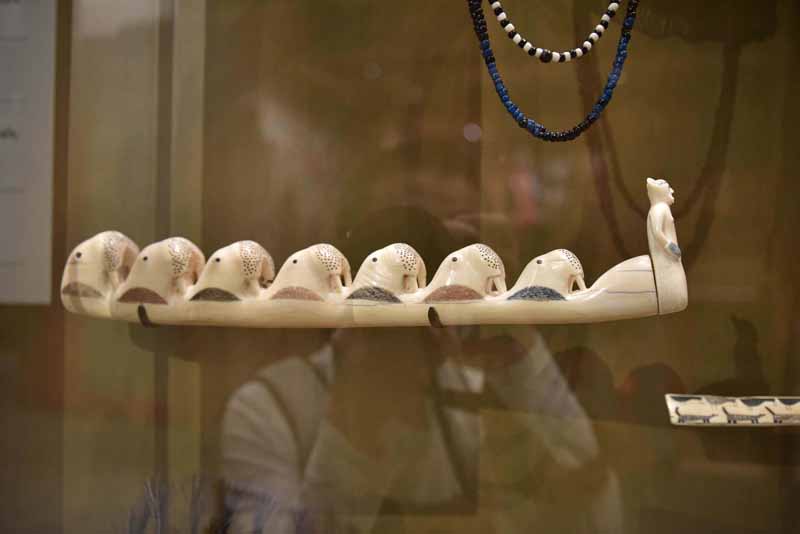
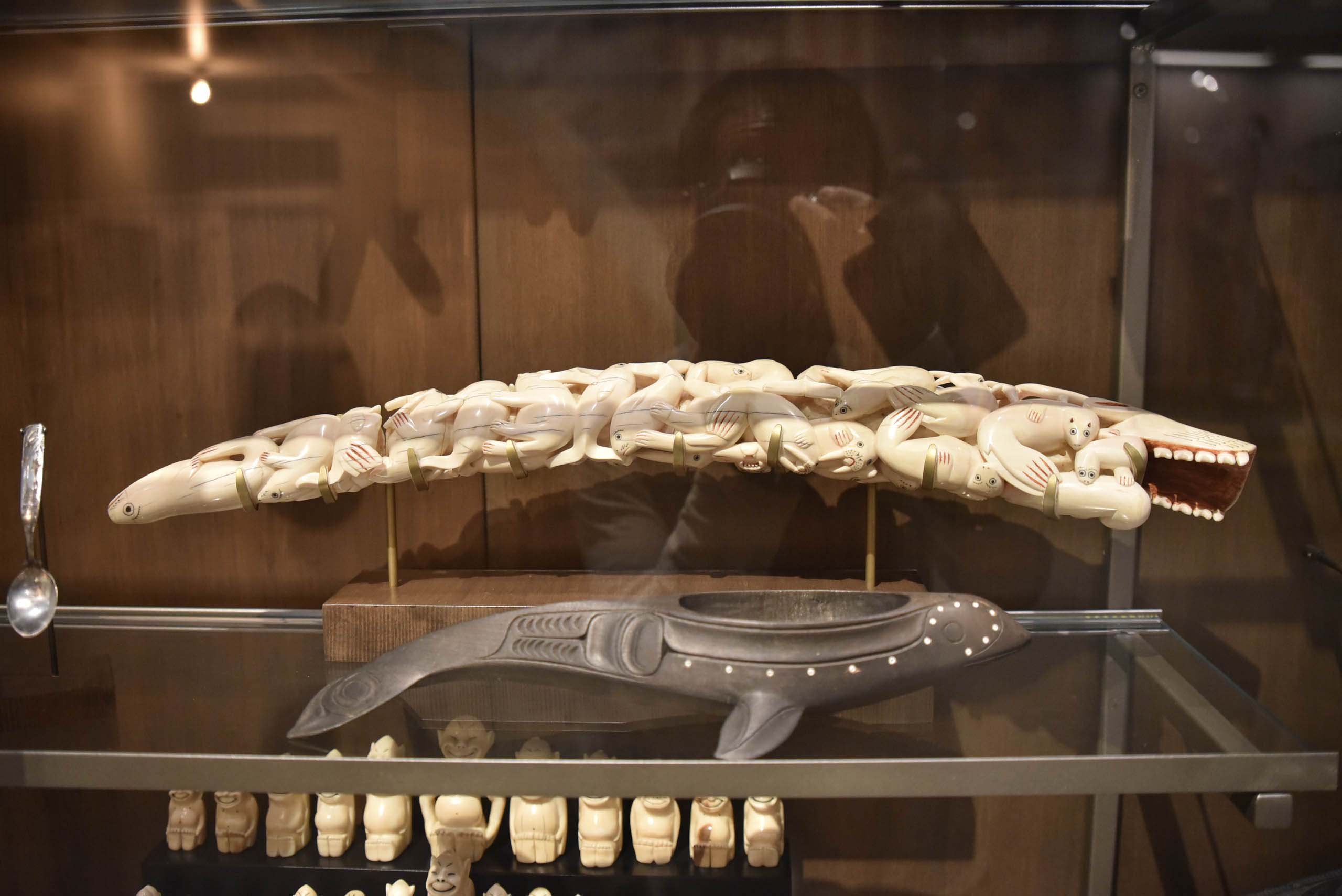
"Walrus Spirit" Carving The walrus spirit, in human form with tusks, protects the herd.
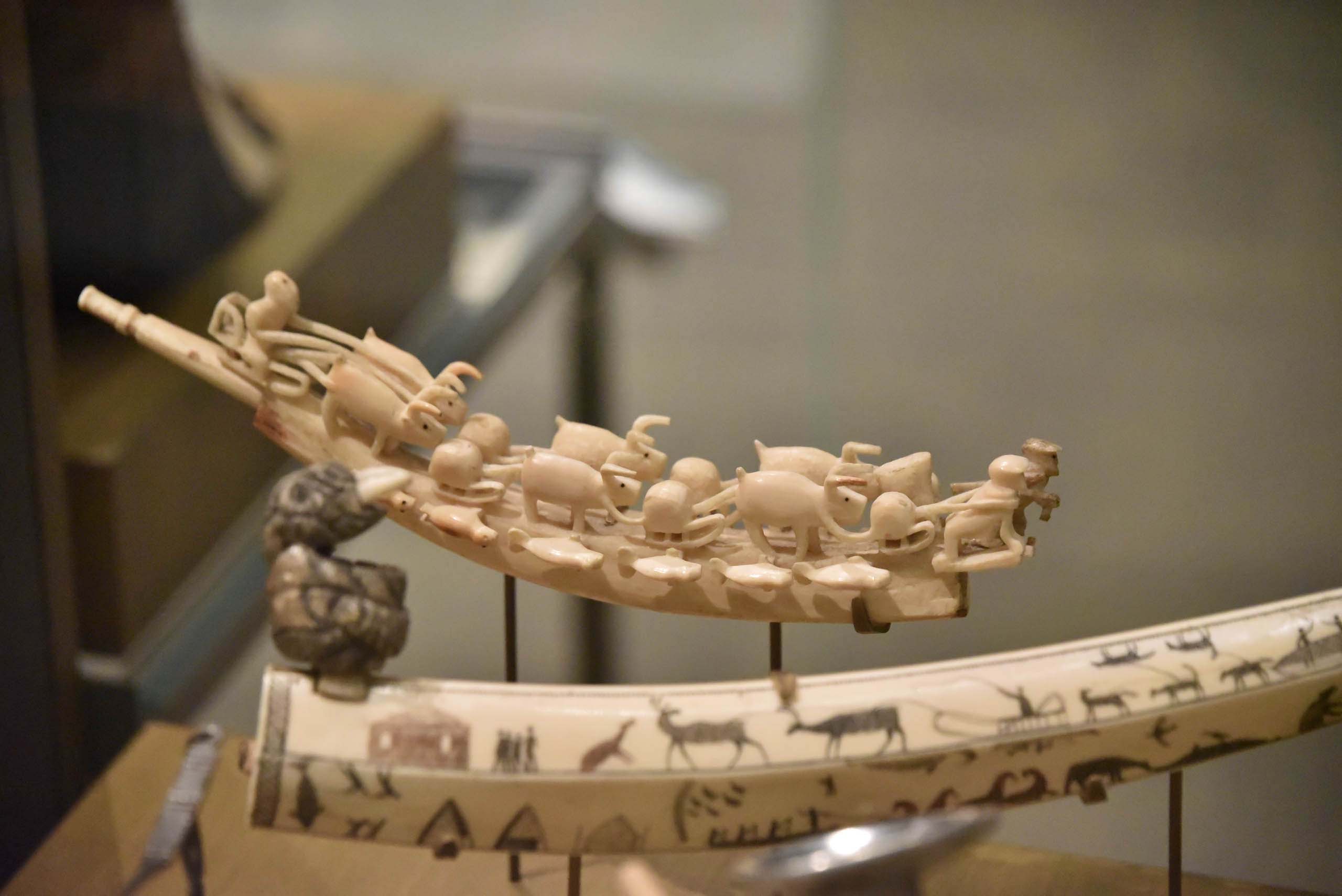
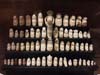
Pipe with Decorations
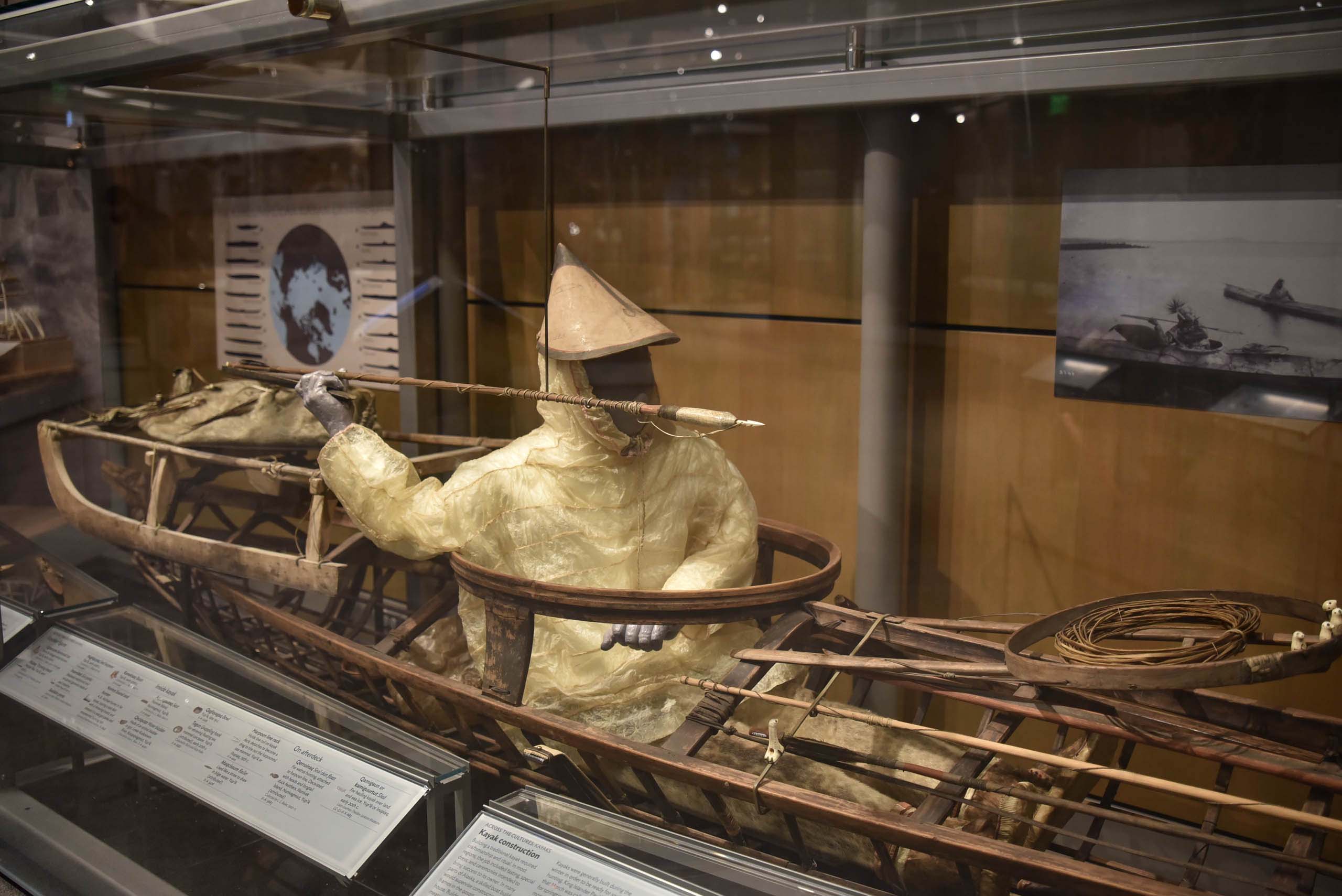
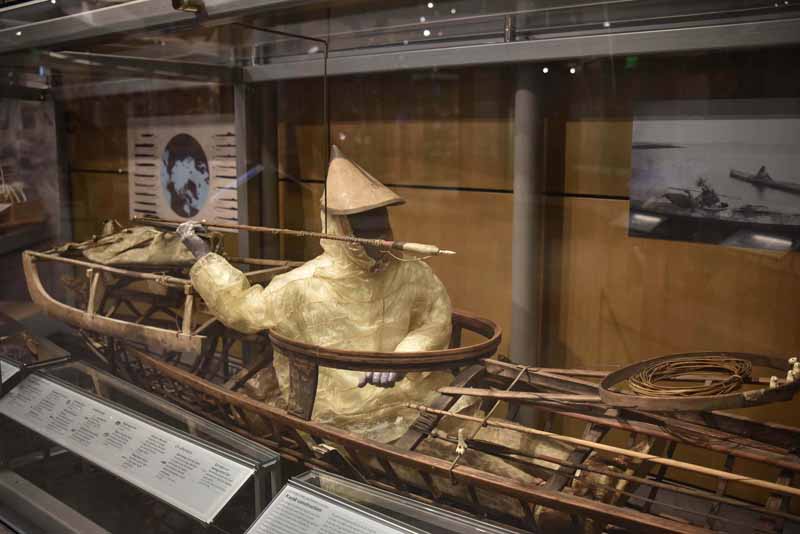
Kayak for Whale Hunting Photo on the upper-right shows it in motion.
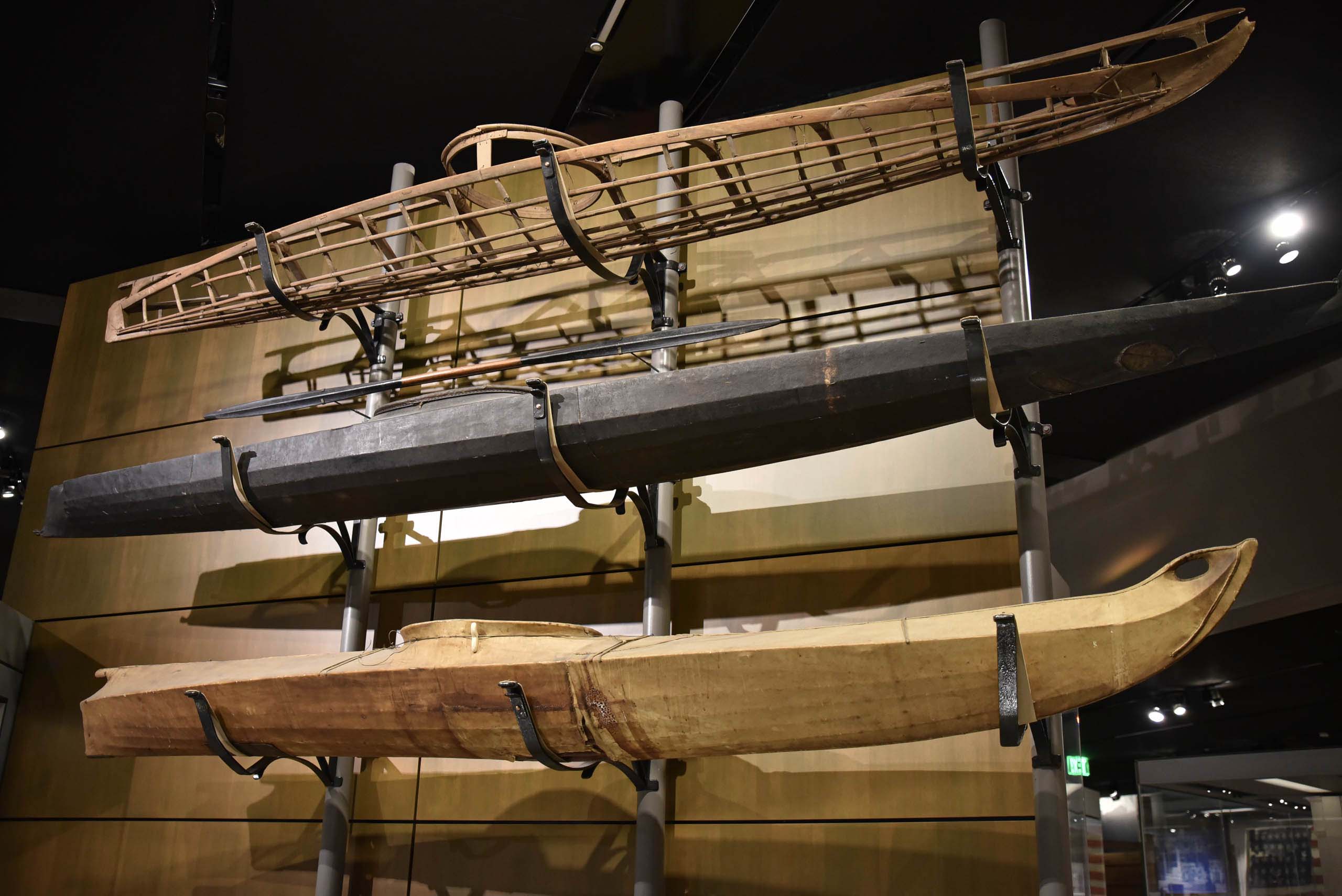
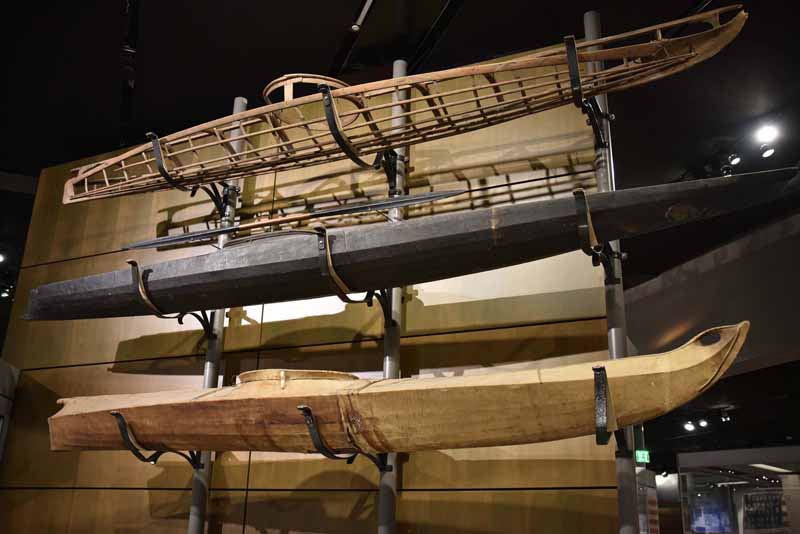
Kayaks
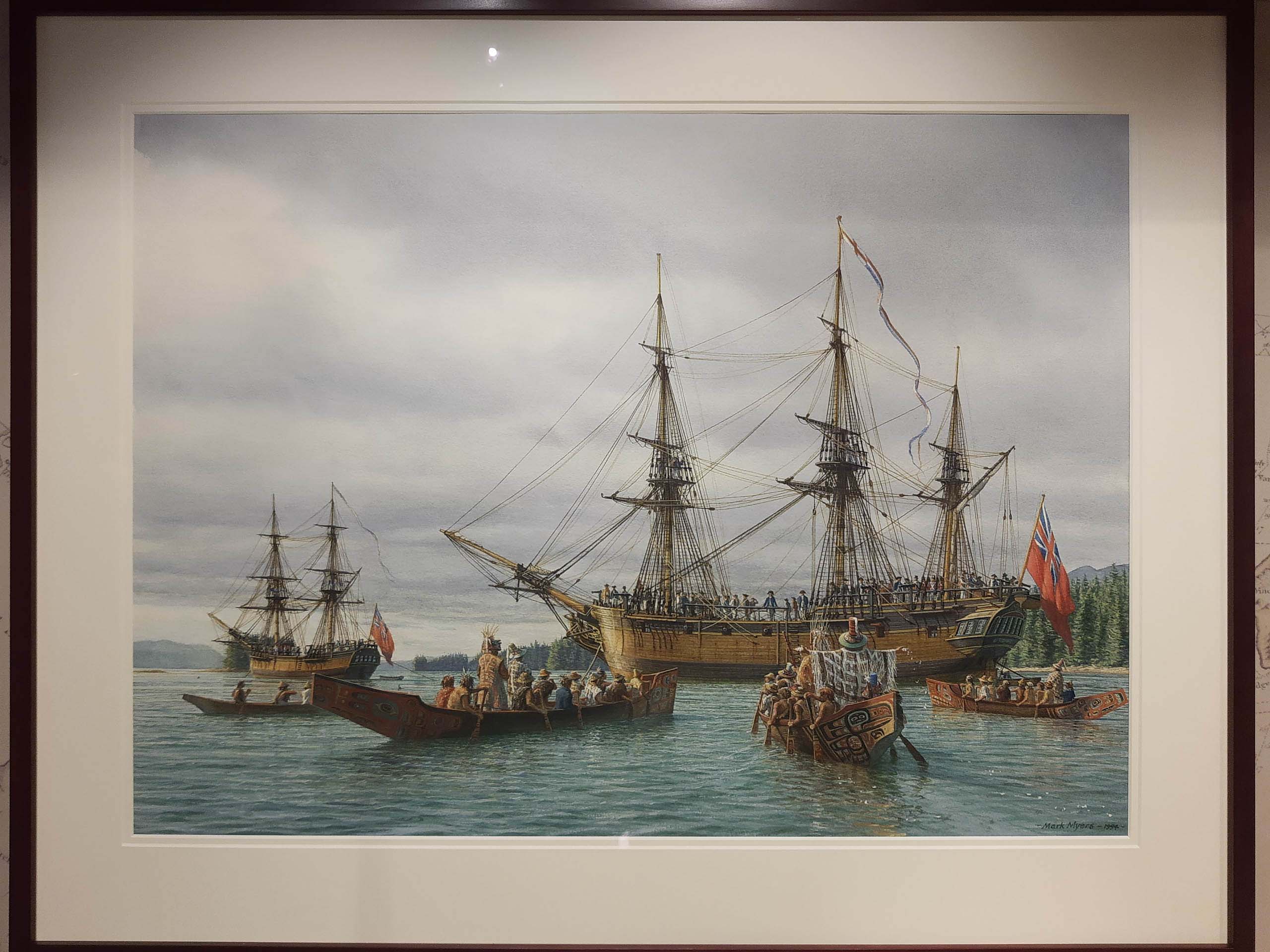
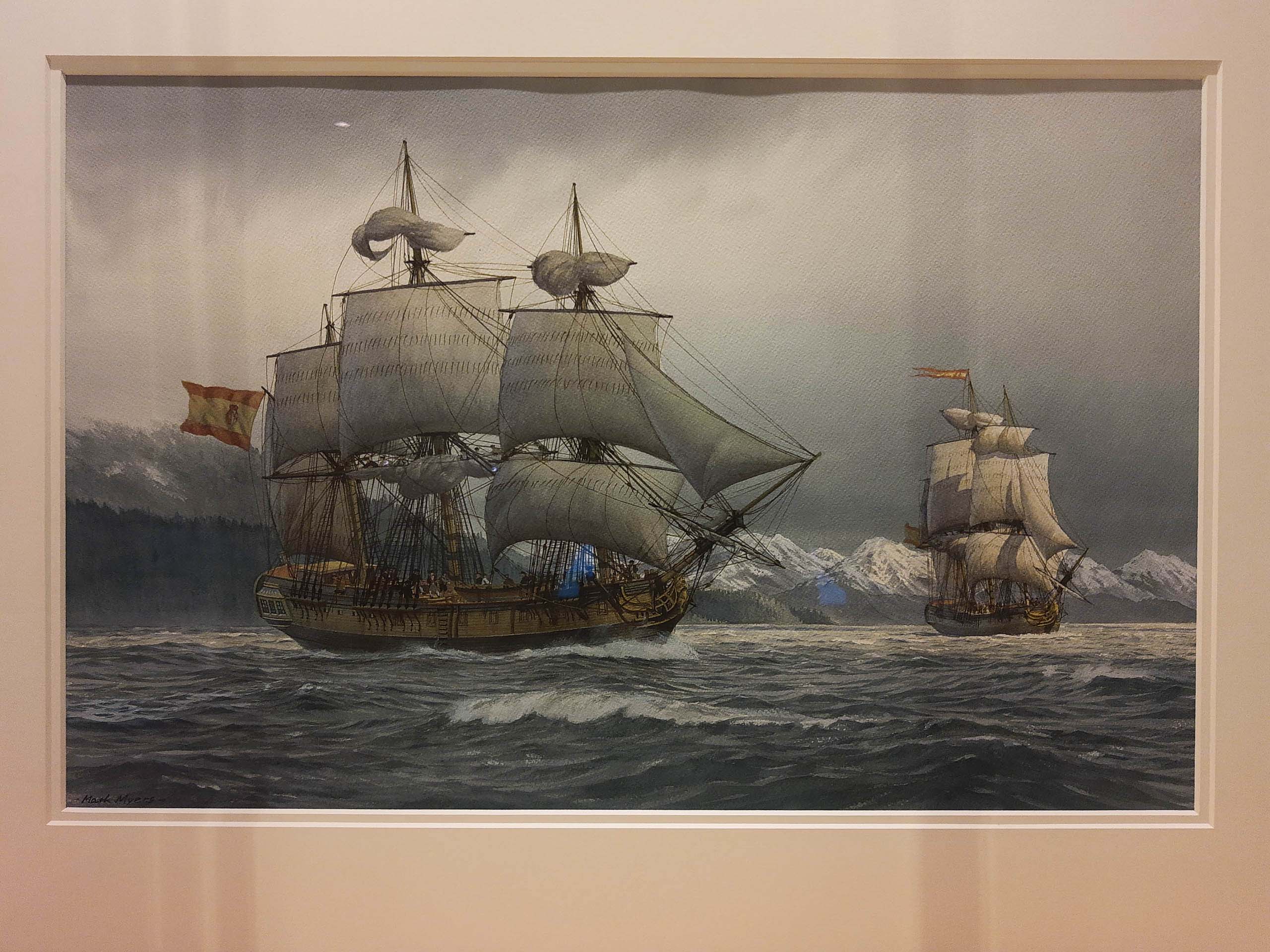
Then there’s Russian Alaska, I was a bit surprised to learn that in the early 19 century, Russian settlers had their footprints as far out as Hawaii and California. The main trade in Alaska of that time was animal fur, which was usually sold to China.
PaintingsRussian Crest
The double-headed eagle was the crest of Imperial Russia. Beginning in the late 1700s, Russian traders presented bronze crests as gifts to Alaska Natives. The presence of the crests also signaled to rival colonial nations that the land was claimed by the Tsar. According to clan history, this crest was presented to a leader of the Kiks.adi clan of Sitka as a peace offering following the Battle of Sitka in 1804.
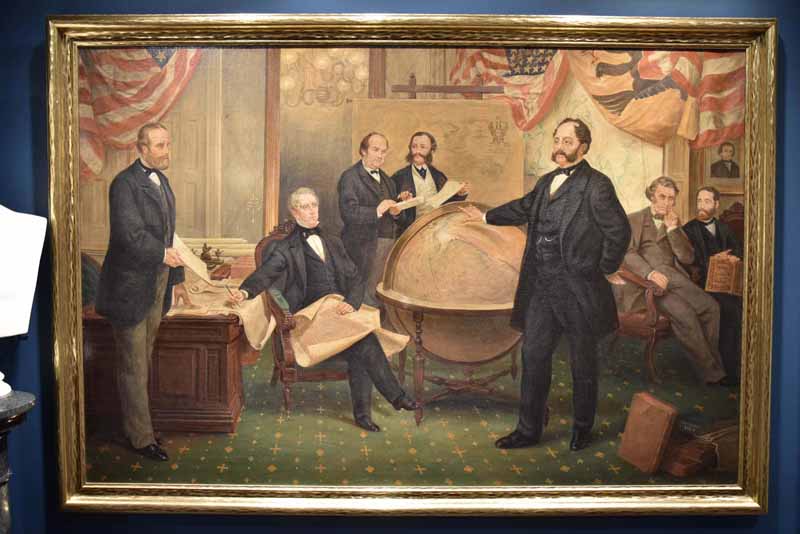
Then in 1867, Russia officially sold Alaska to United States. The museum mentioned that at that time, the colony of Alaska was losing money for Russia, largely due to endless conflicts with native Alaskans. Wikipedia added that Alaska would be hard to defend against Russia’s archrival of the time, United Kingdom. In the end, it’s a sale that kept both parties happy.
One thing I liked about Juneau’s Alaska State Museum (and consequently, disliked about Anchorage Museum) was its presentation of potentially controversial topics in a way that’s, in my opinion, neutral. Throughout much of the 19 and 20 centuries, native Alaskan people came into many conflicts with Russian or American settlers over resources, and with better equipment and technology from the latter the native Alaskan population were faring terribly throughout that time. But the museum tried to convey a message, not blaming the settlers by today's standards, but that, “despite these difficulties and oppressions, native Alaskan people endured and thrived”.
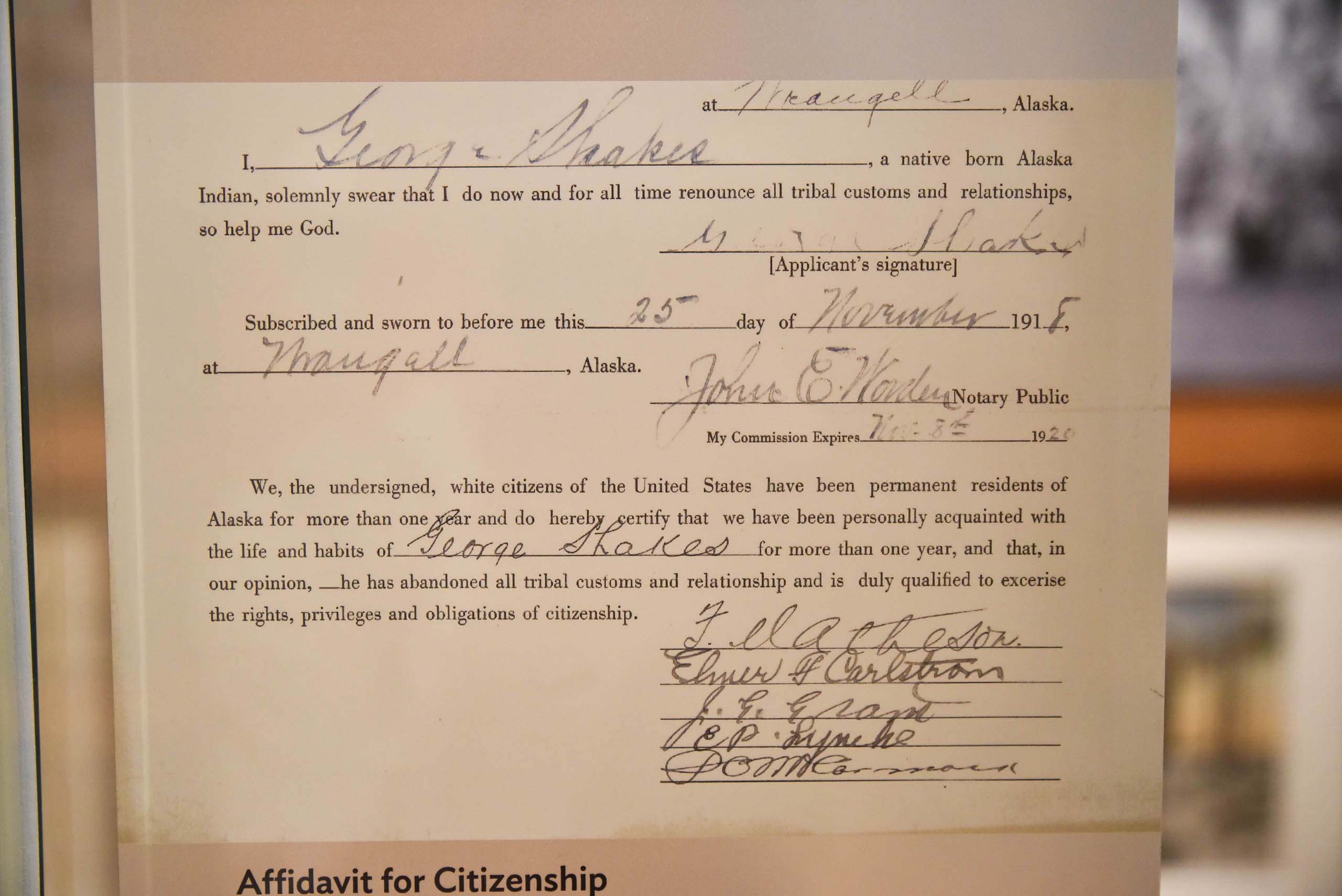
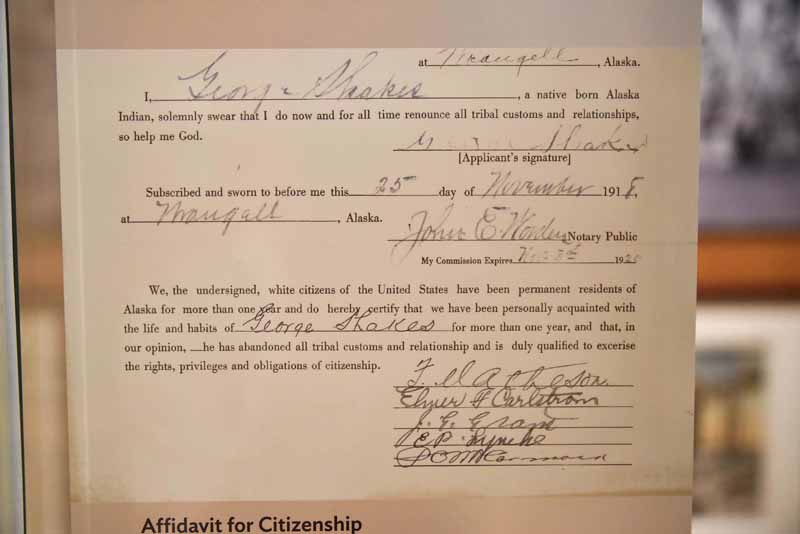
Affidavit for Citizenship
For Tlingit leader George Shakes of Wrangell, this 1918 affidavit was signed by five non-Natives certifying that the applicant has “abandoned all tribal customs and relationship.” The practice of requiring five witnesses for native Alaskan people to gain US citizenship continued till 1924.
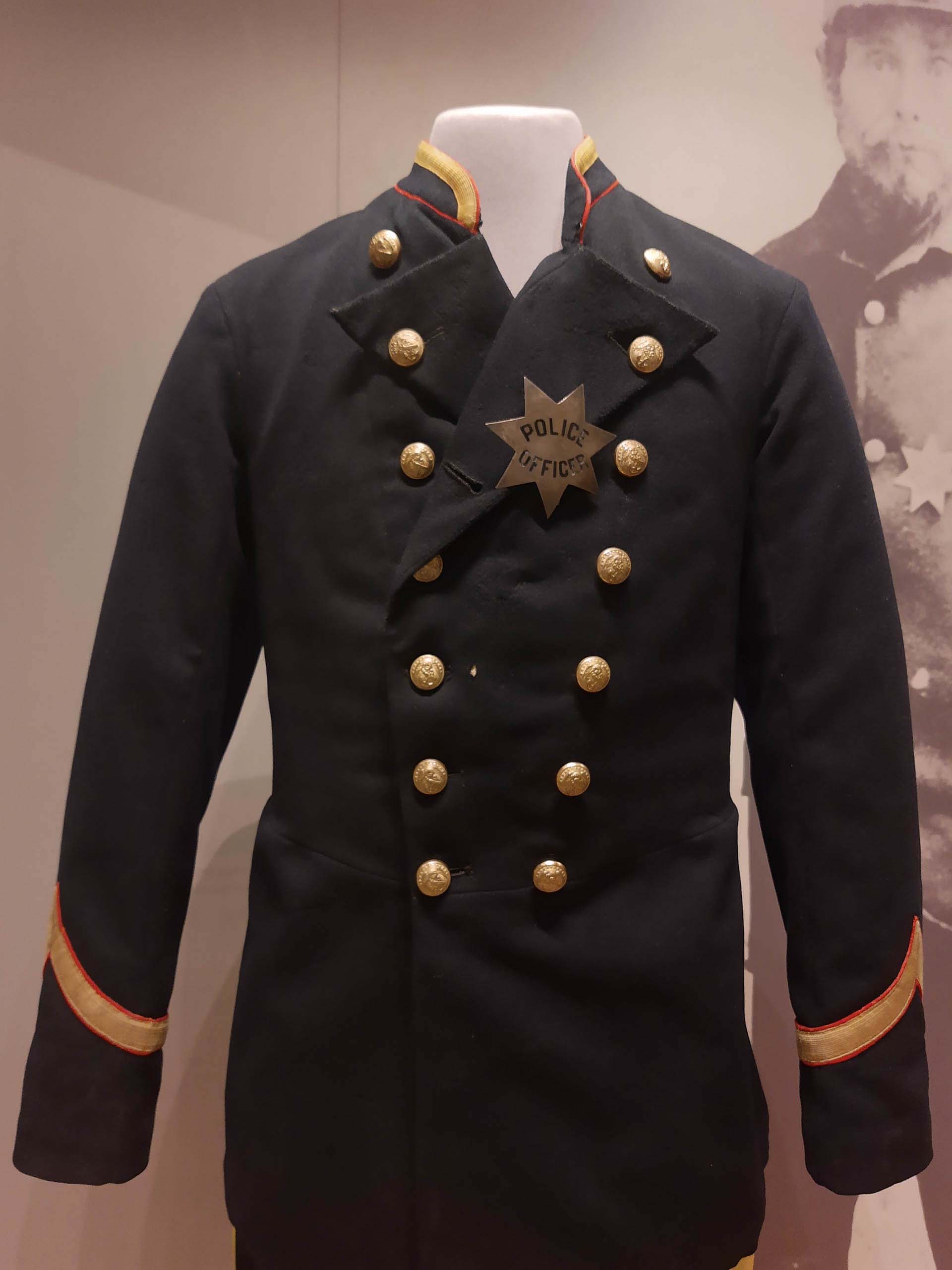
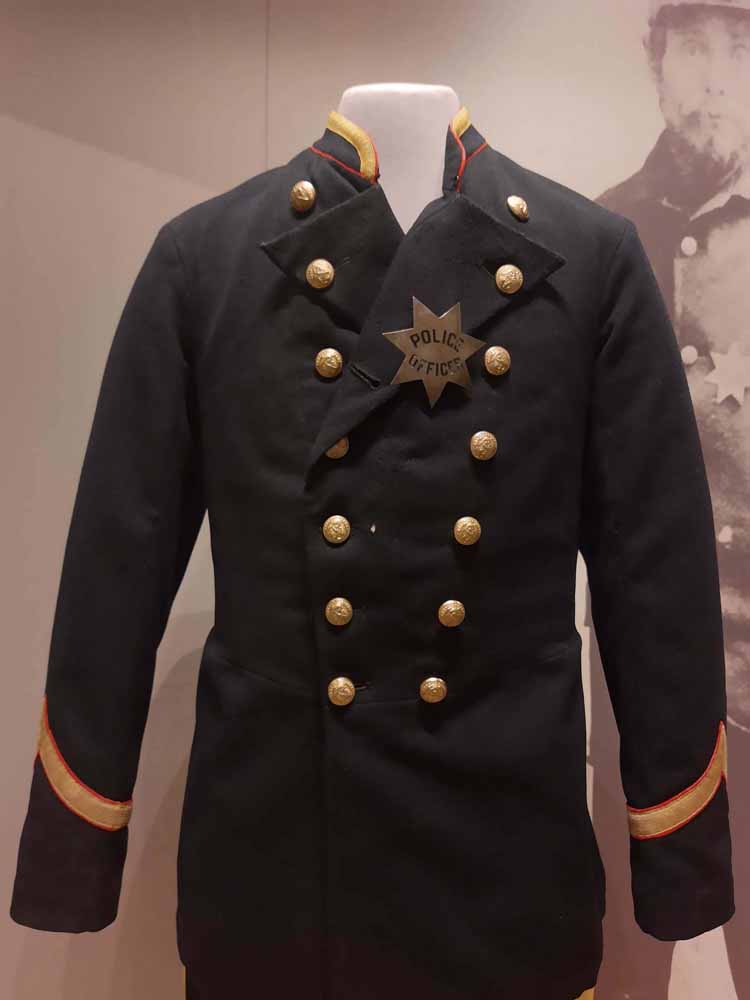
Indian Police Uniform
Taking the lead from the Russians and U.S. Navy, early Alaskan governors appointed well respected Native Alaskan leaders to the force. As the face of government in Native communities, Native police officers helped enforce American laws, settle disputes among their people, and mediate with non-Native residents and officials.
Then there’s American Alaska, when the state’s economy took on a few rounds of refreshment. At the turn of 19/20 century there were gold rushes towards various parts of Alaska. After gold rushes faded away, tourism started to emerge as people from lower 48 states were looking for exotic getaways. Finally, the discovery of oil in North Slope Borough and the subsequent construction of Trans-Alaska Pipeline made energy its main export. At the same time, fishing was still an important part of the state’s economy.
Painting of Russia Selling Alaska to United States
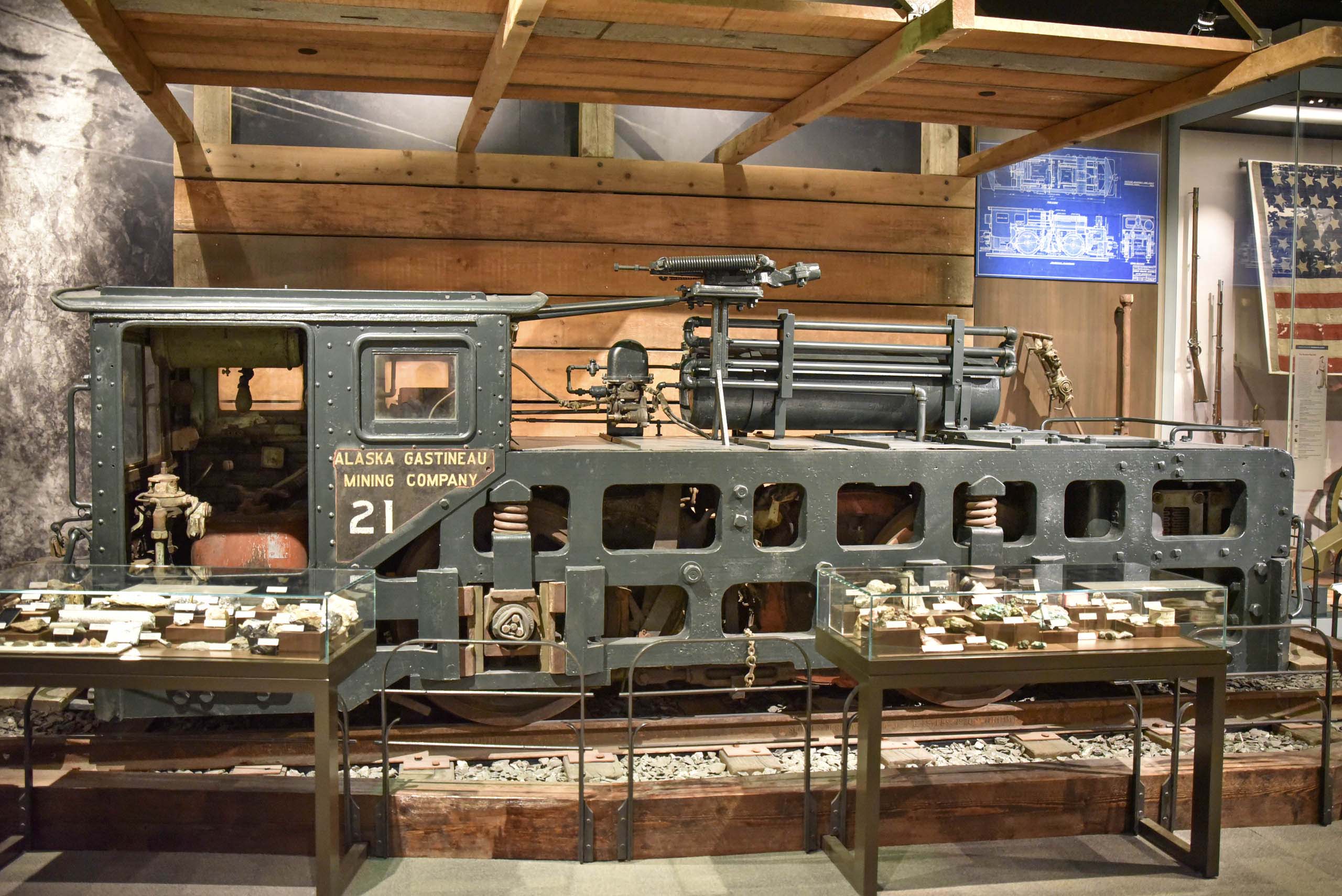
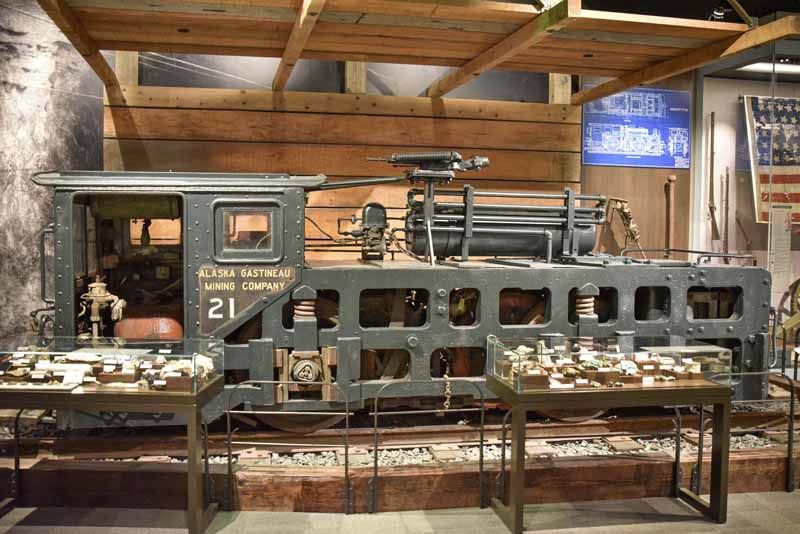
Locomotive for Mining
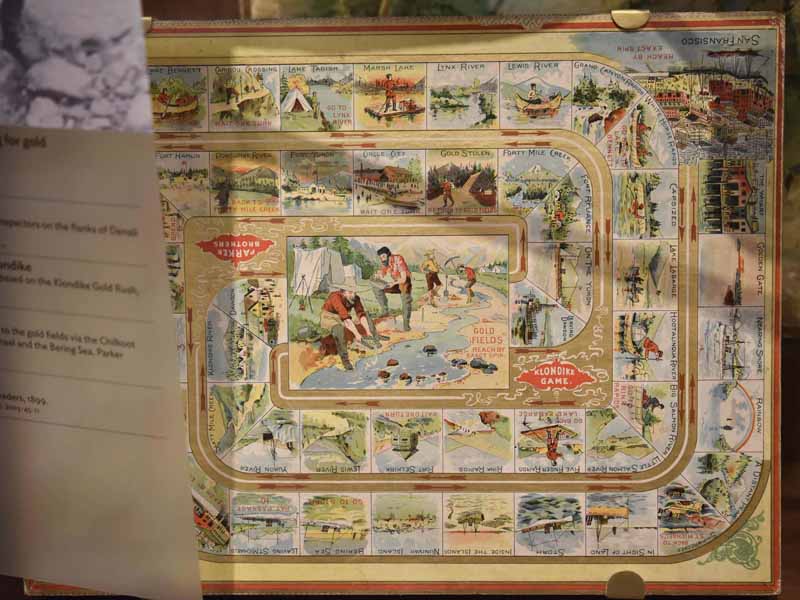
Klondike Game Depicted a gold miner’s journey from San Francisco to Gold fields.
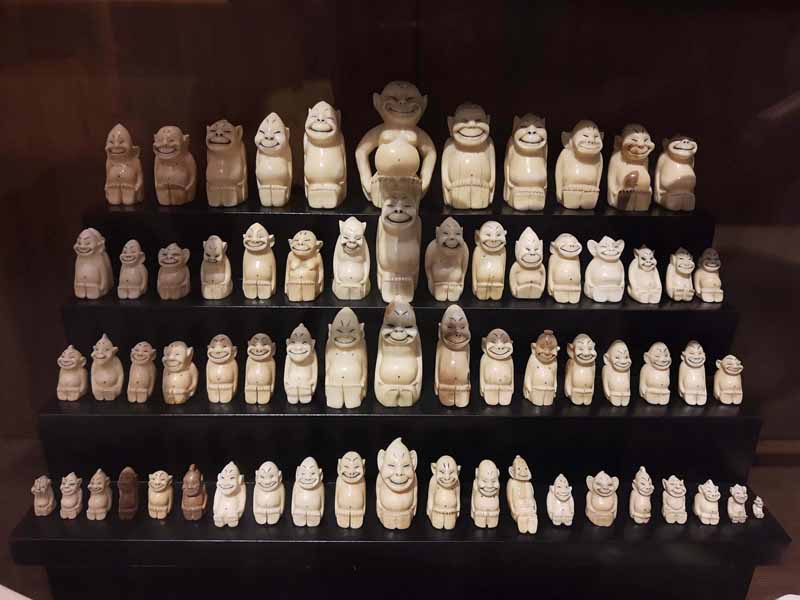
Walrus Art as Souvenirs
Walrus Art
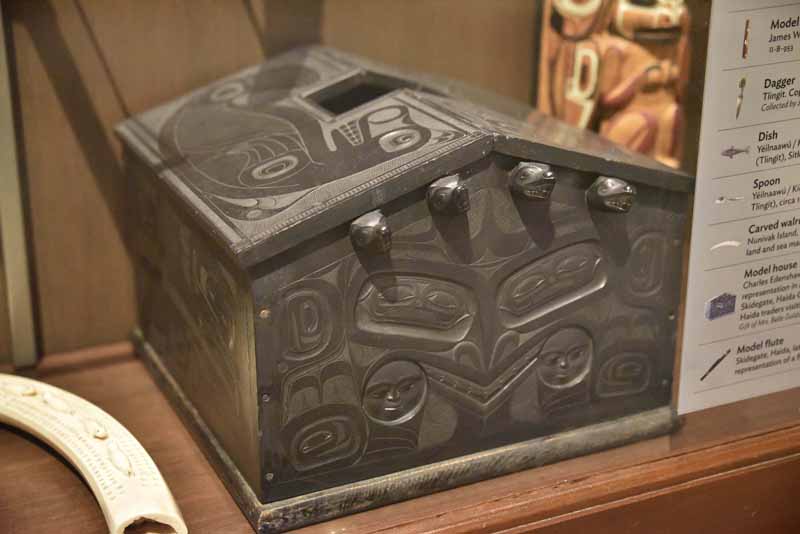
Model House
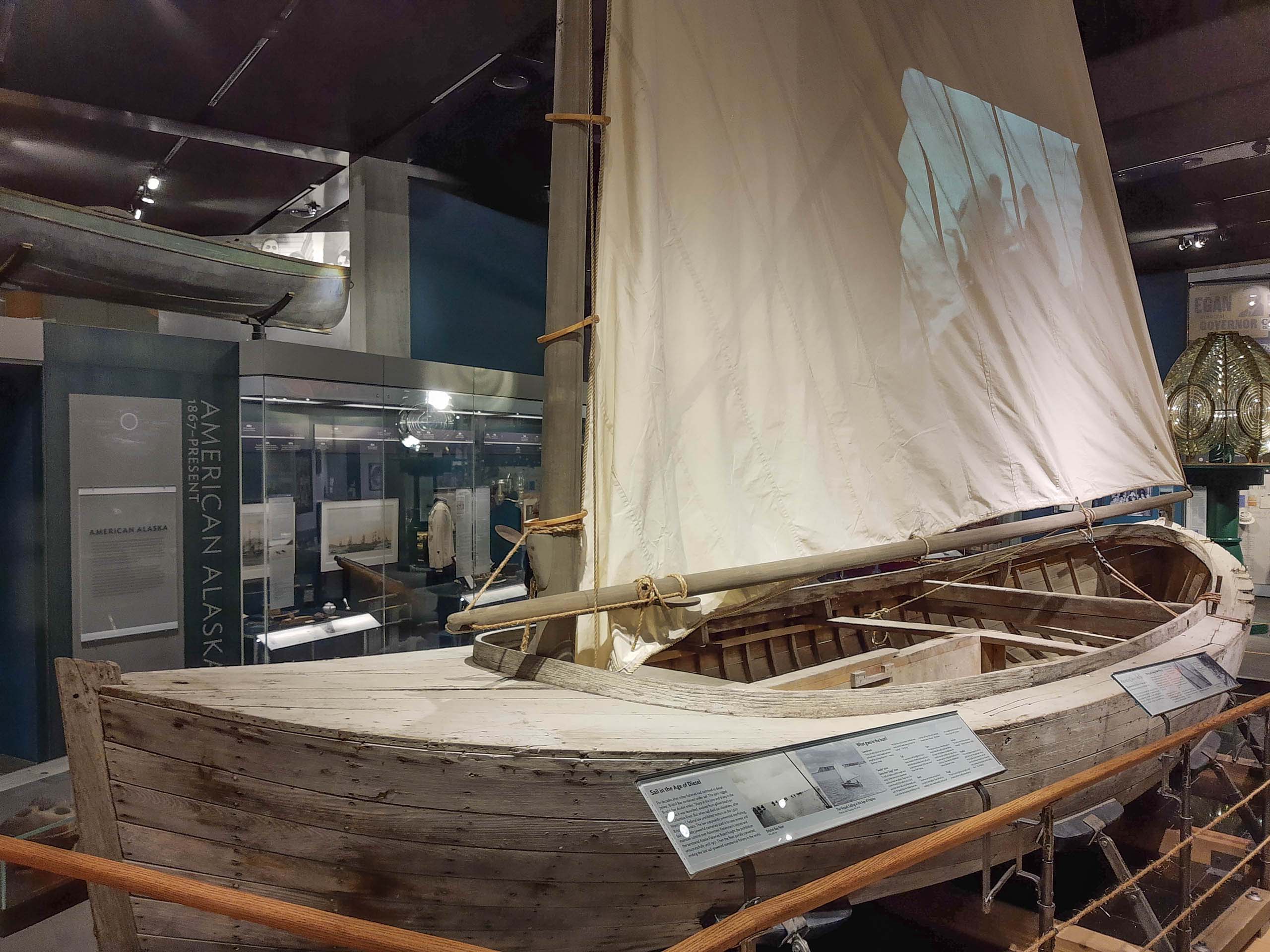
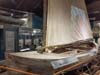
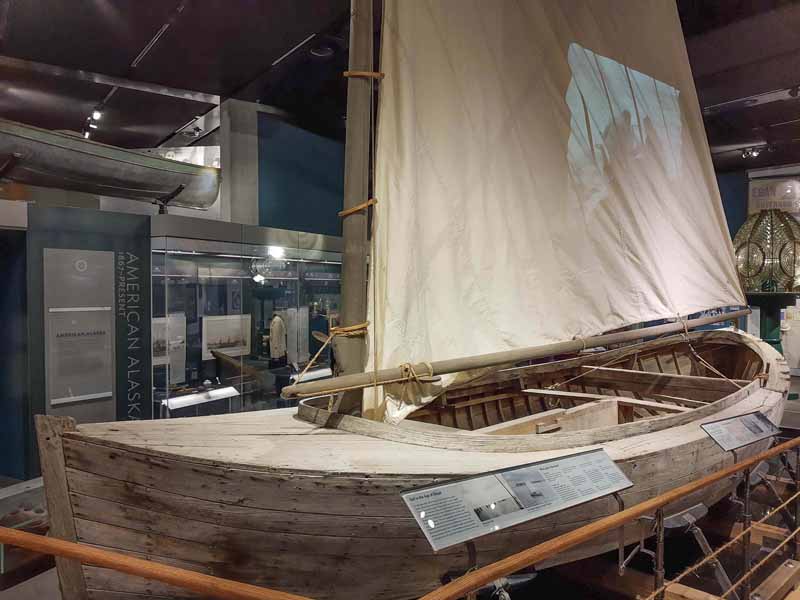
Salmon Fishing Boat
Two Bristol Bay fishermen lived and worked in this Bristol Bay double-ender, 24 hours a day, six days a week, during the summer salmon season. They sailed, navigated and launched a net over and over again for a single purpose: catching salmon. As many as 2,000 salmon fit inside this boat at one time. The skipper (captain) and puller (crewman) who fished this double-ender worked for Libby, McNeil & Libby’s Koggiung salmon cannery in Bristol Bay, one of many canneries in the region. Each company had its own fleet of gillnet boats, versions of the double-ender, and towed them out to the fishing grounds. Canneries painted their boats distinctive colors to make ownership clear even from a distance. Libby boats, including this one, were butterscotch orange. .Teddy Roth and Egil M. Johansen fished No. 38 in 1937, contributing to a catch that totaled more than 1.4 million cases of salmon that summer in Bristol Bay.
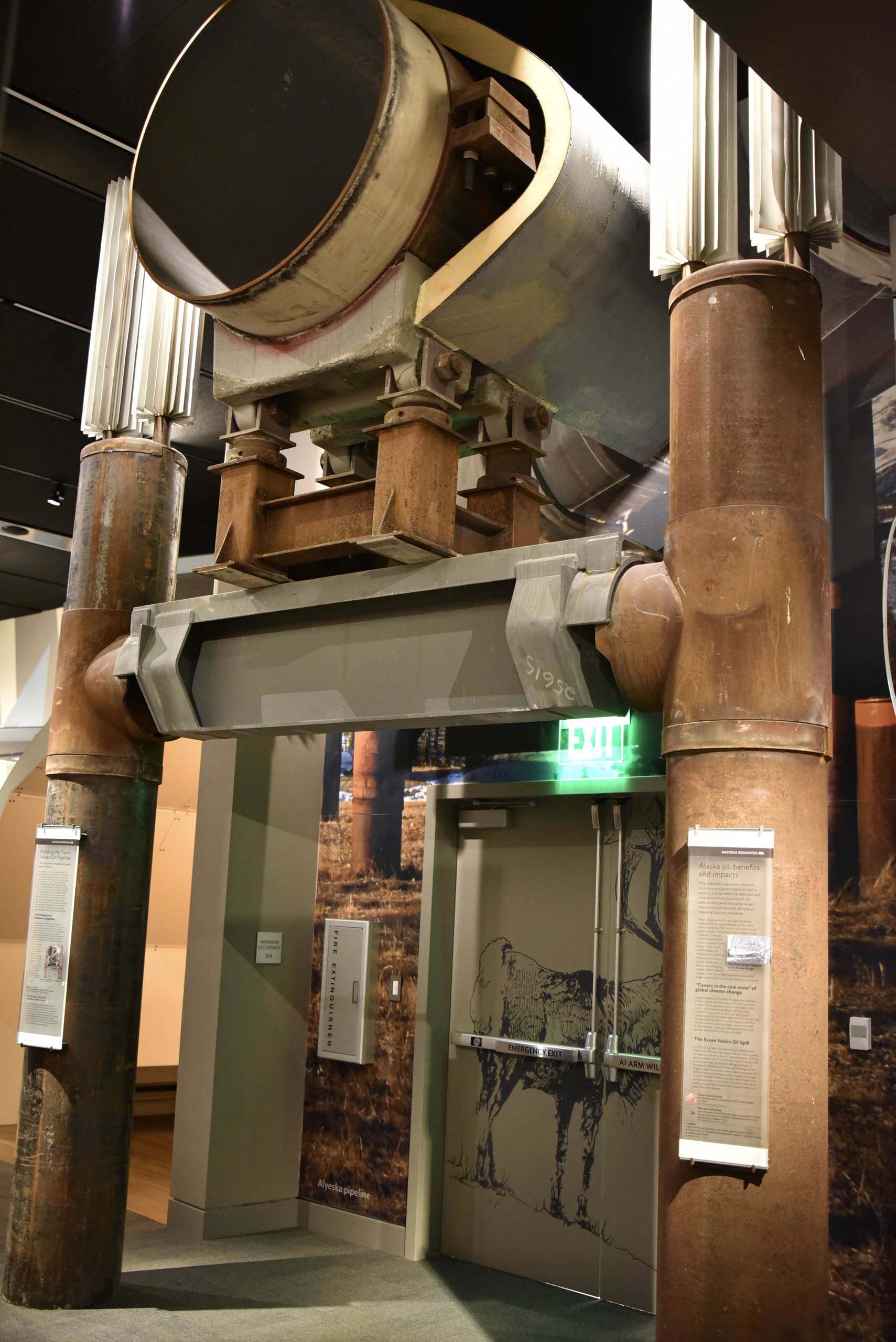
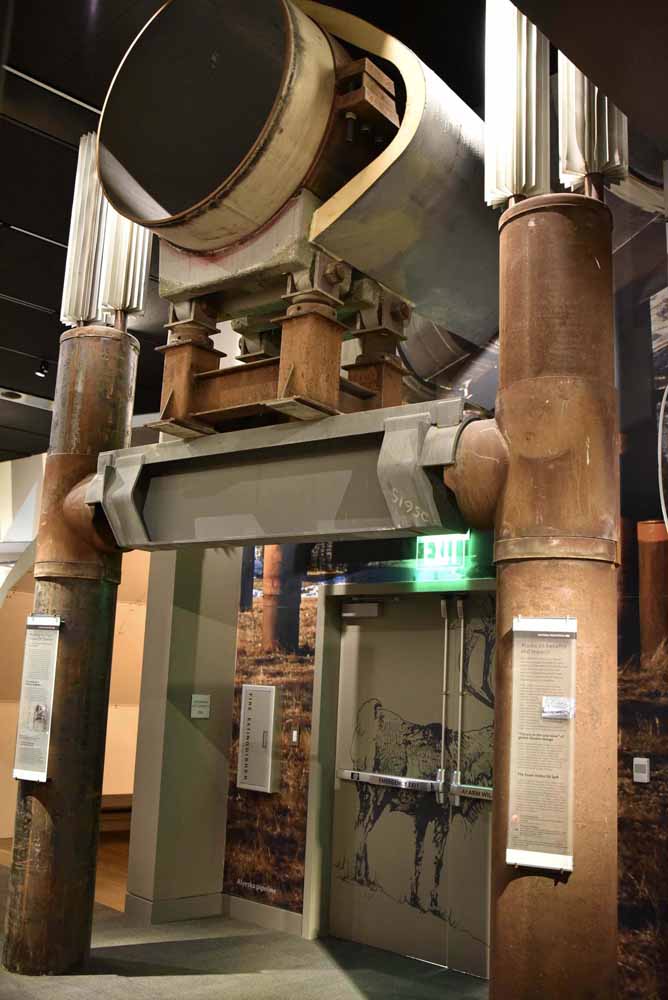
Sample of Oil Pipeline
Built to withstand earthquakes, and with radiators on top to dissipate heat and prevent permafrost from melting from heat of the pipeline.
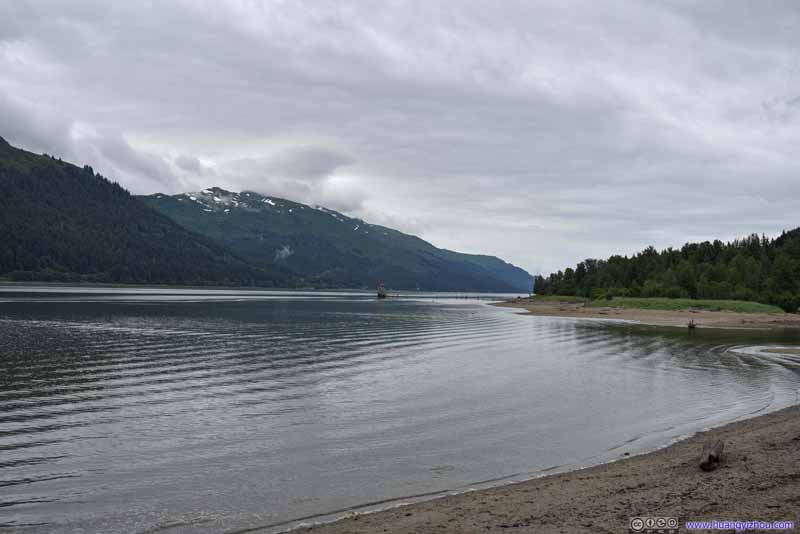
After finishing my tour of Alaska State Museum, it’s around 1pm in the afternoon. After my lunch and with much of the day left, I decided to head out of town for some sceneries that were accessible by car. My first step was Savikko Park on Douglas Island, a great place to view Gastineau Channel.
Savikko Park
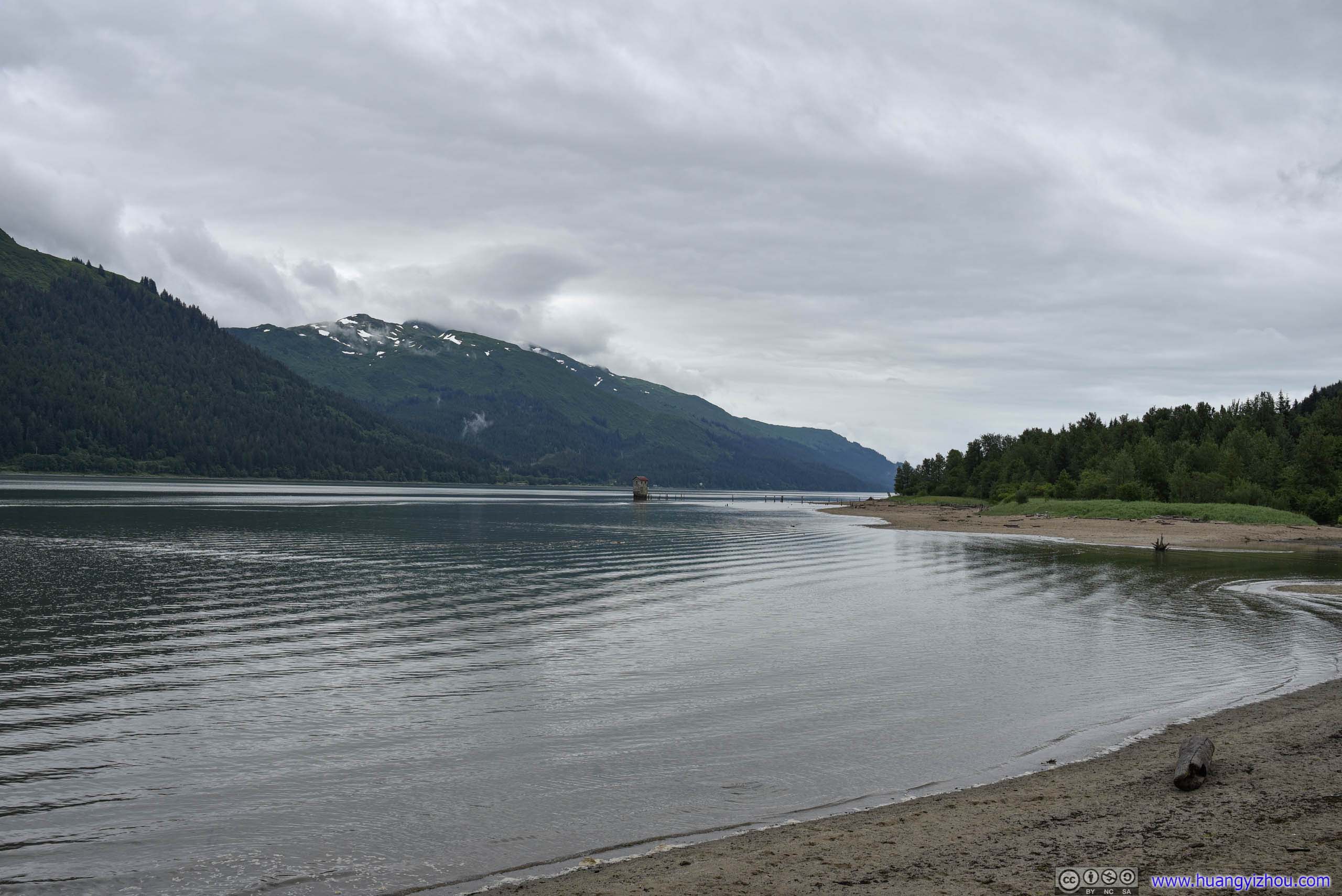
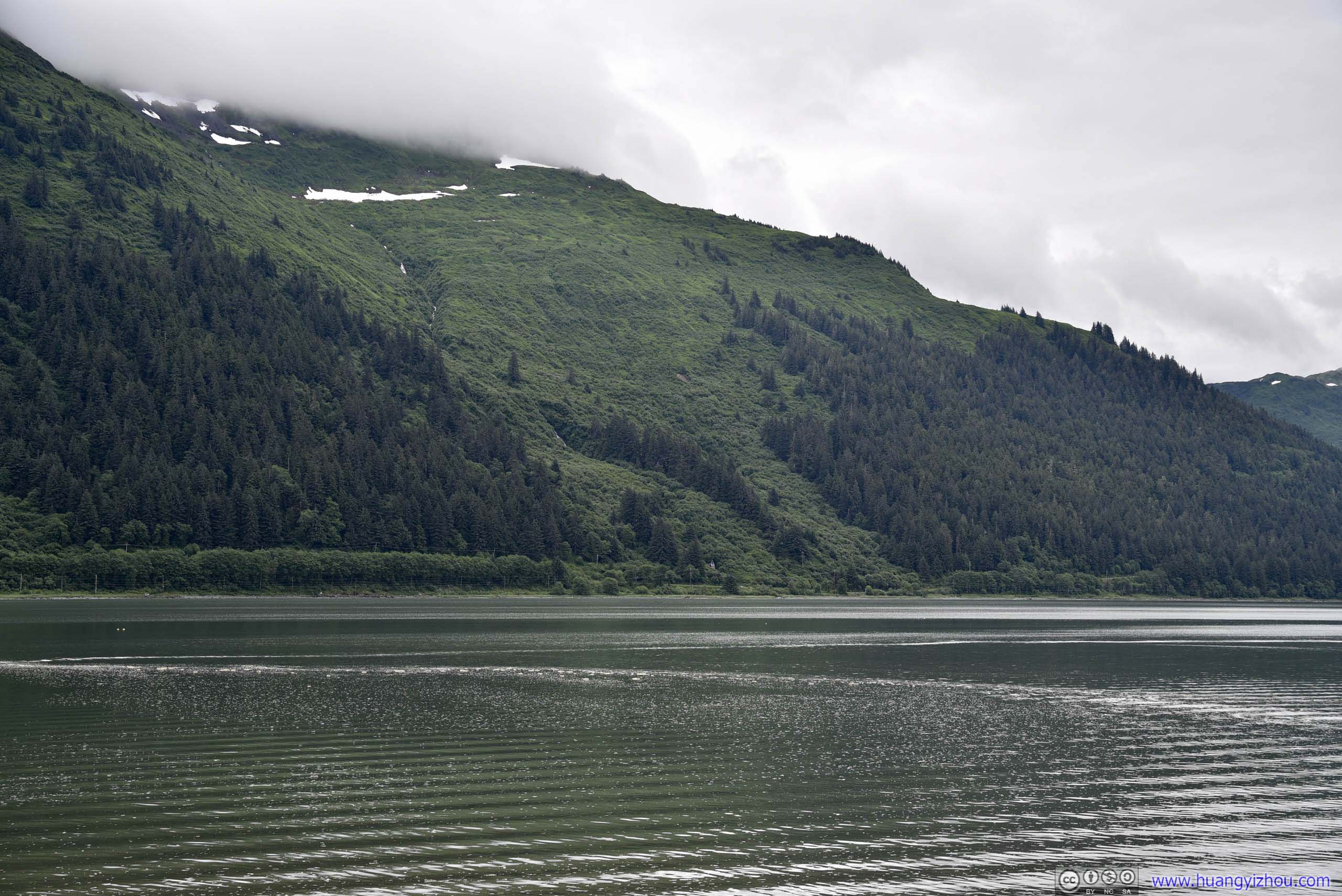
Gastineau Channel
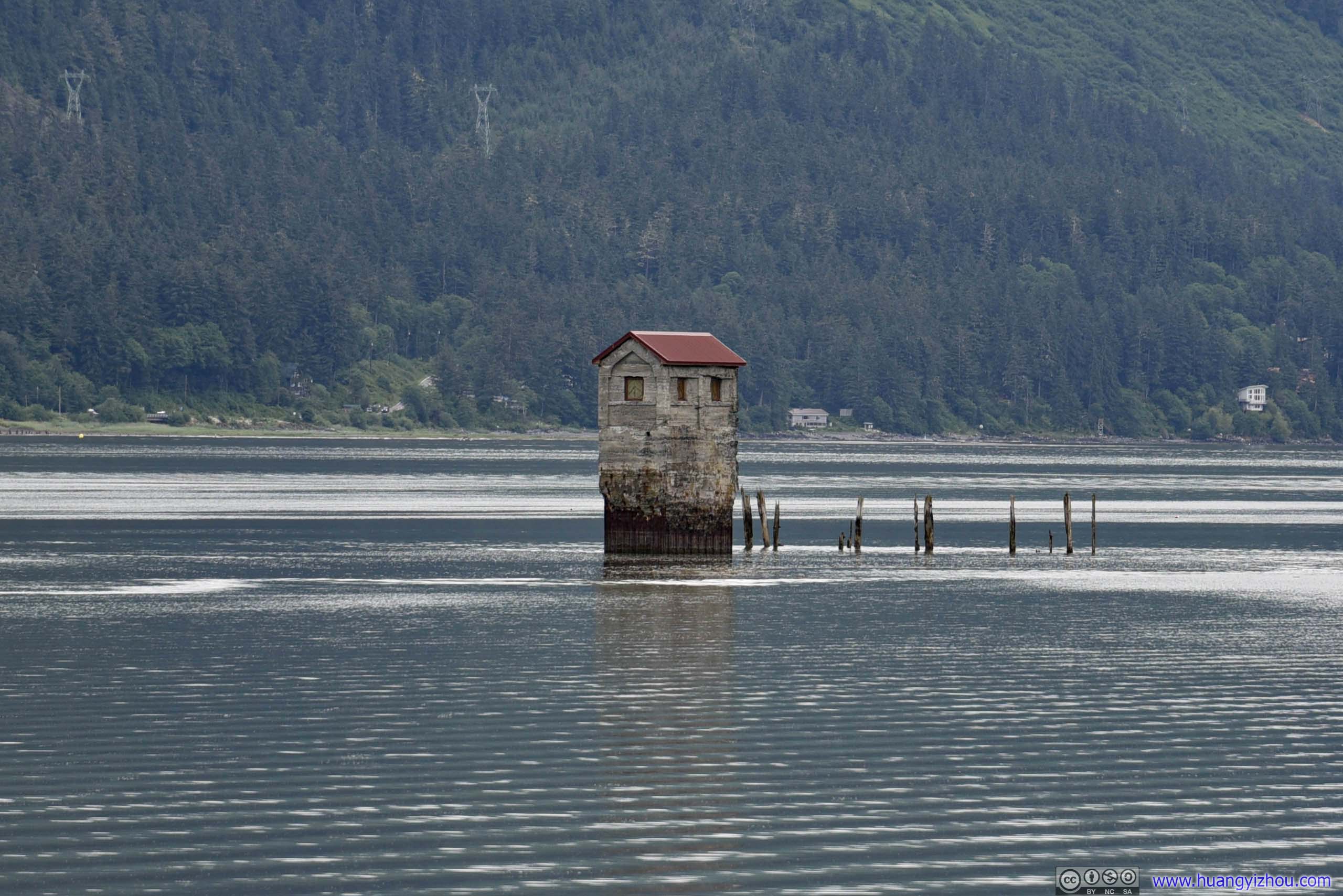
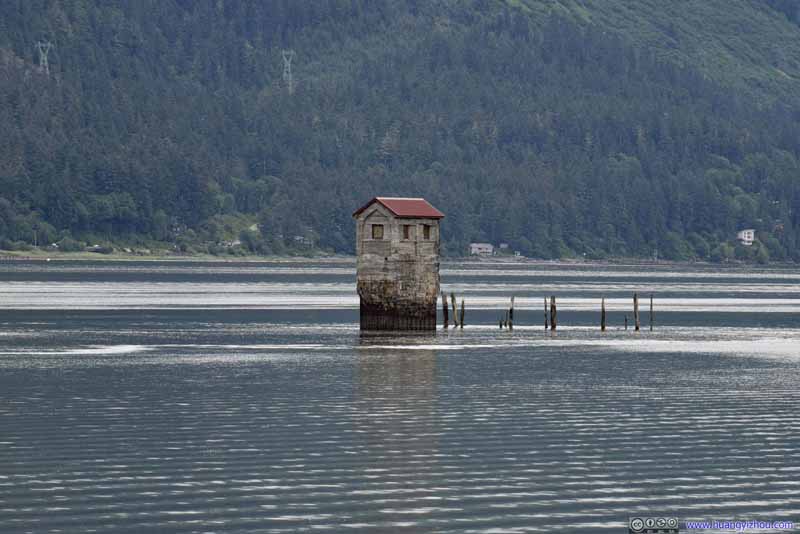
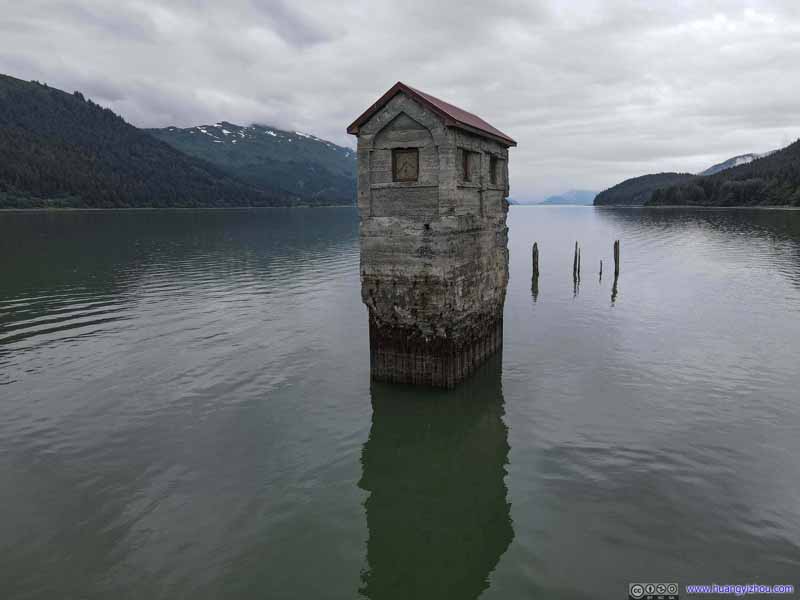
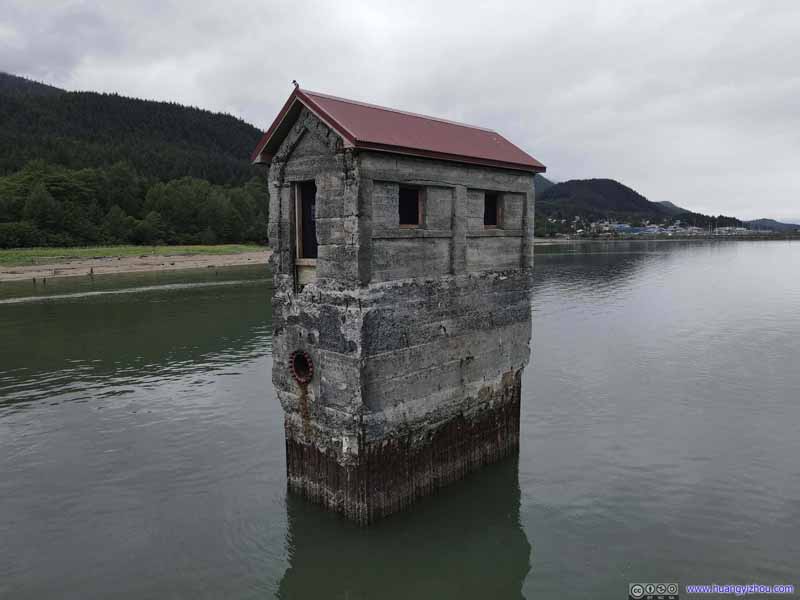
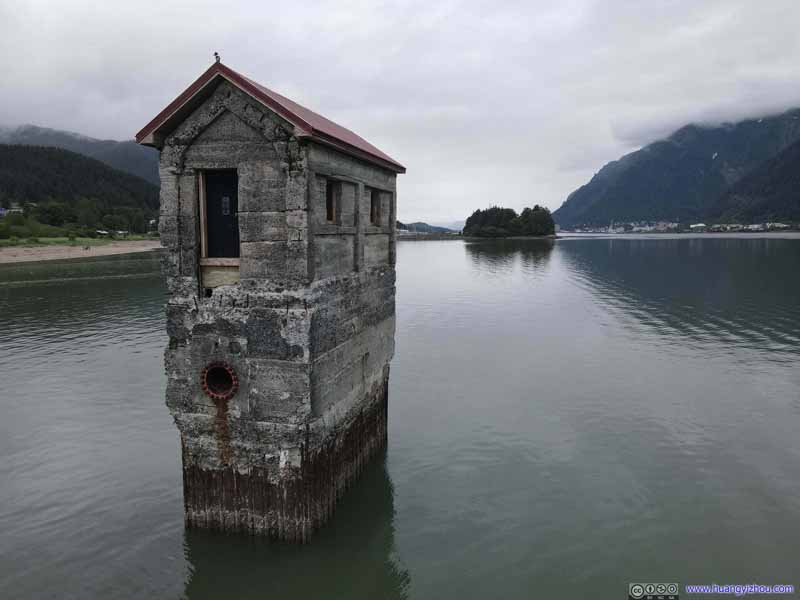
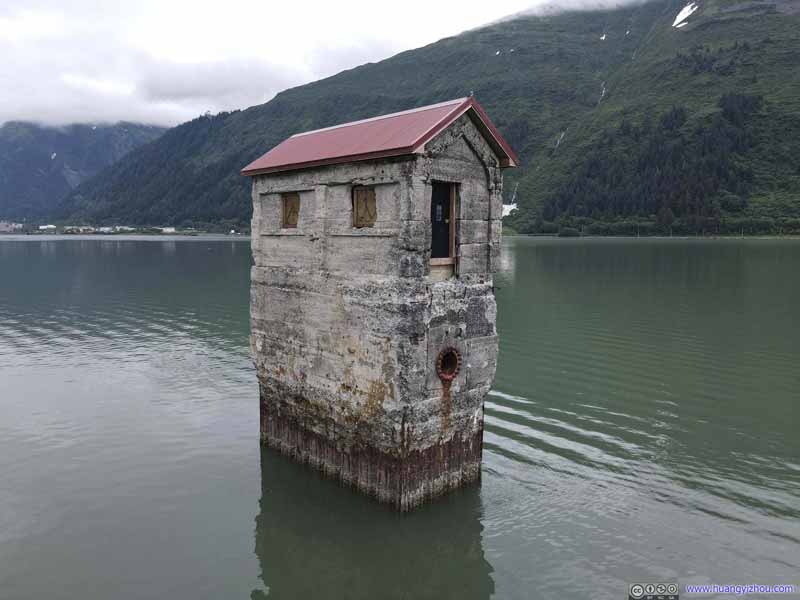
Old Pump House For nearby Treadwell gold mine, once the largest hard rock gold mine in the world.
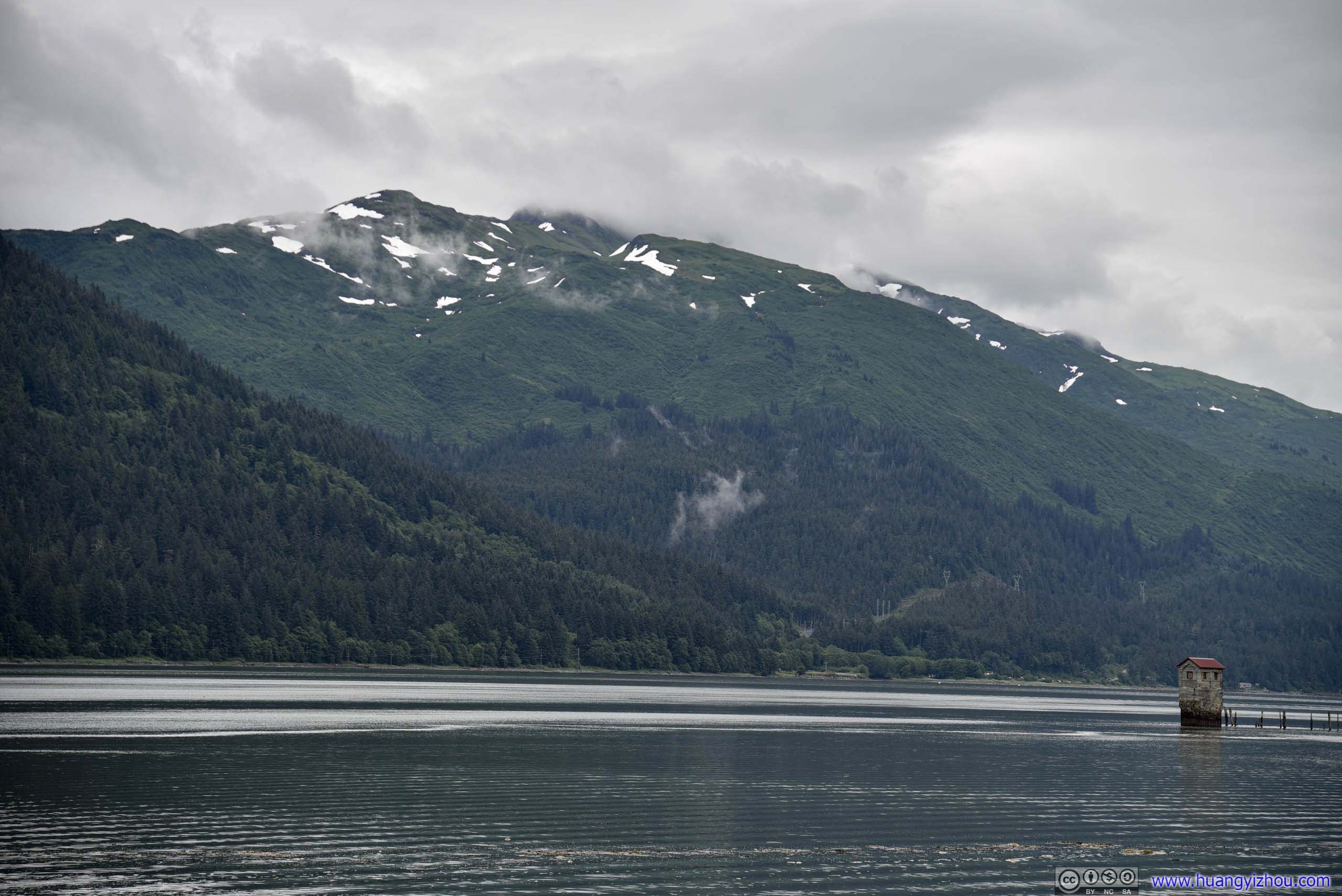
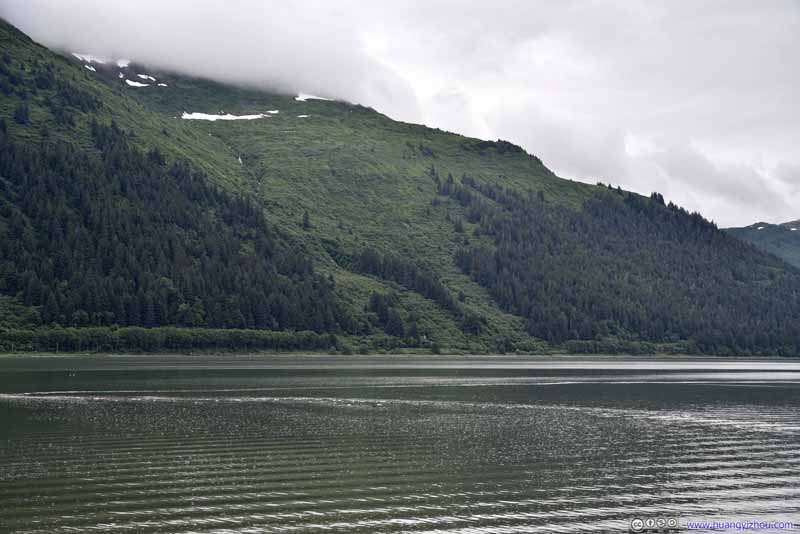
Hawthrone Peak
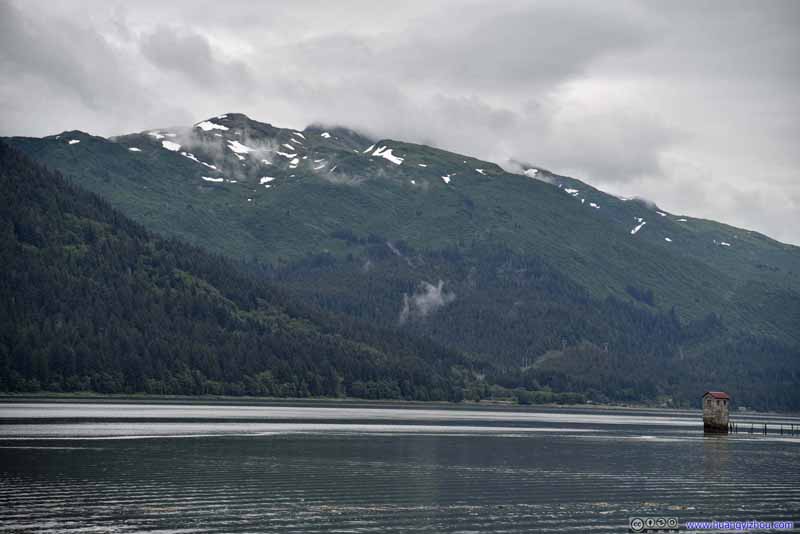
Roberts Peak in Clouds
Gastineau Peak in Clouds
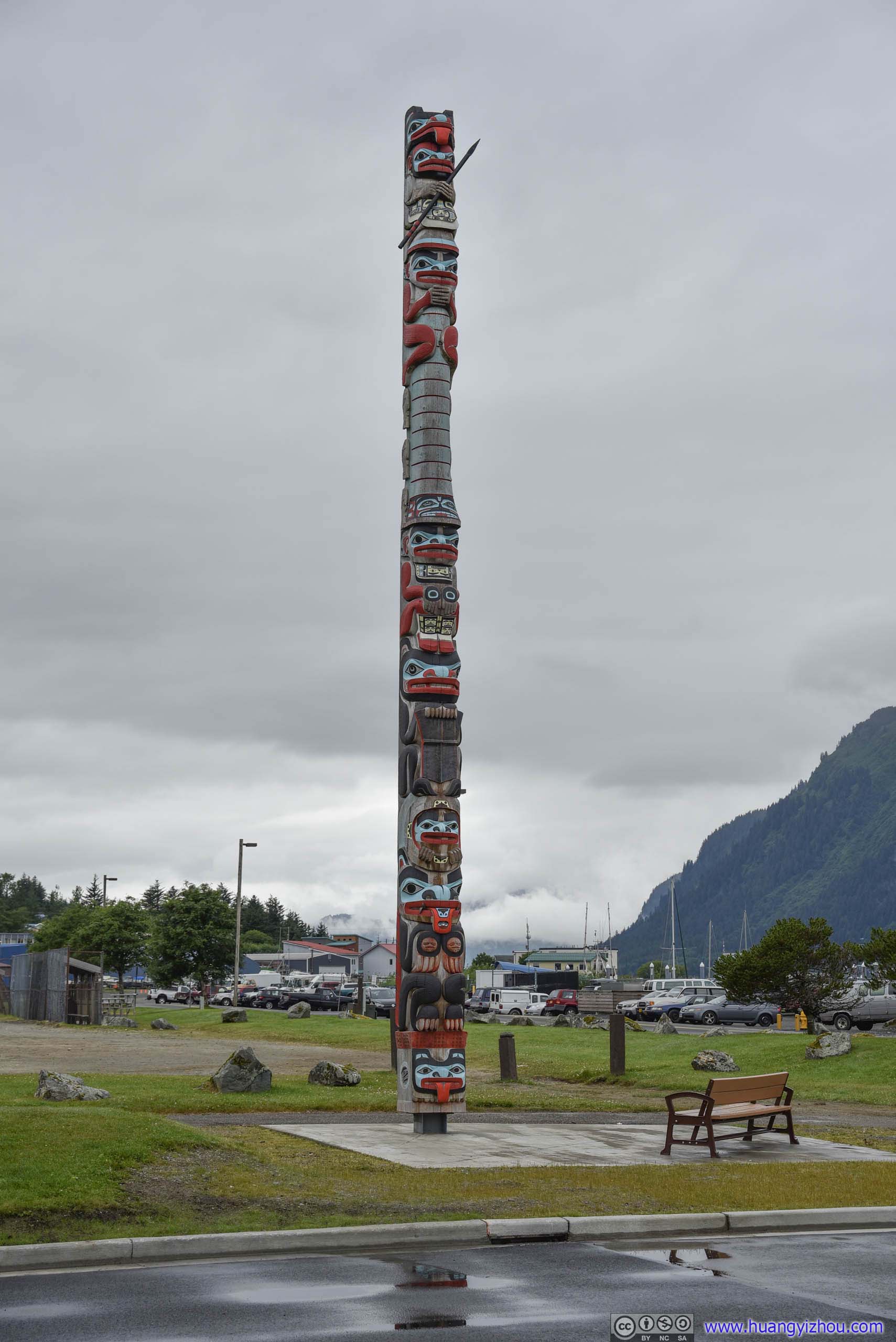
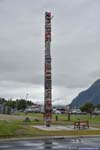
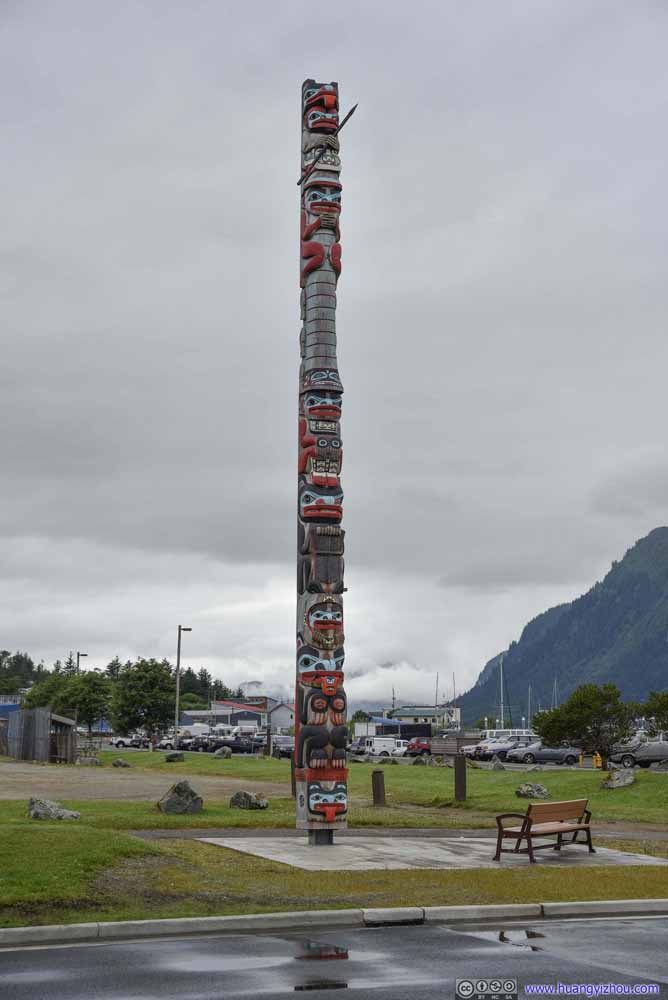
Wolf Totem Pole
In memory for the native village that was destroyed half a century ago to make room for the nearby harbor.
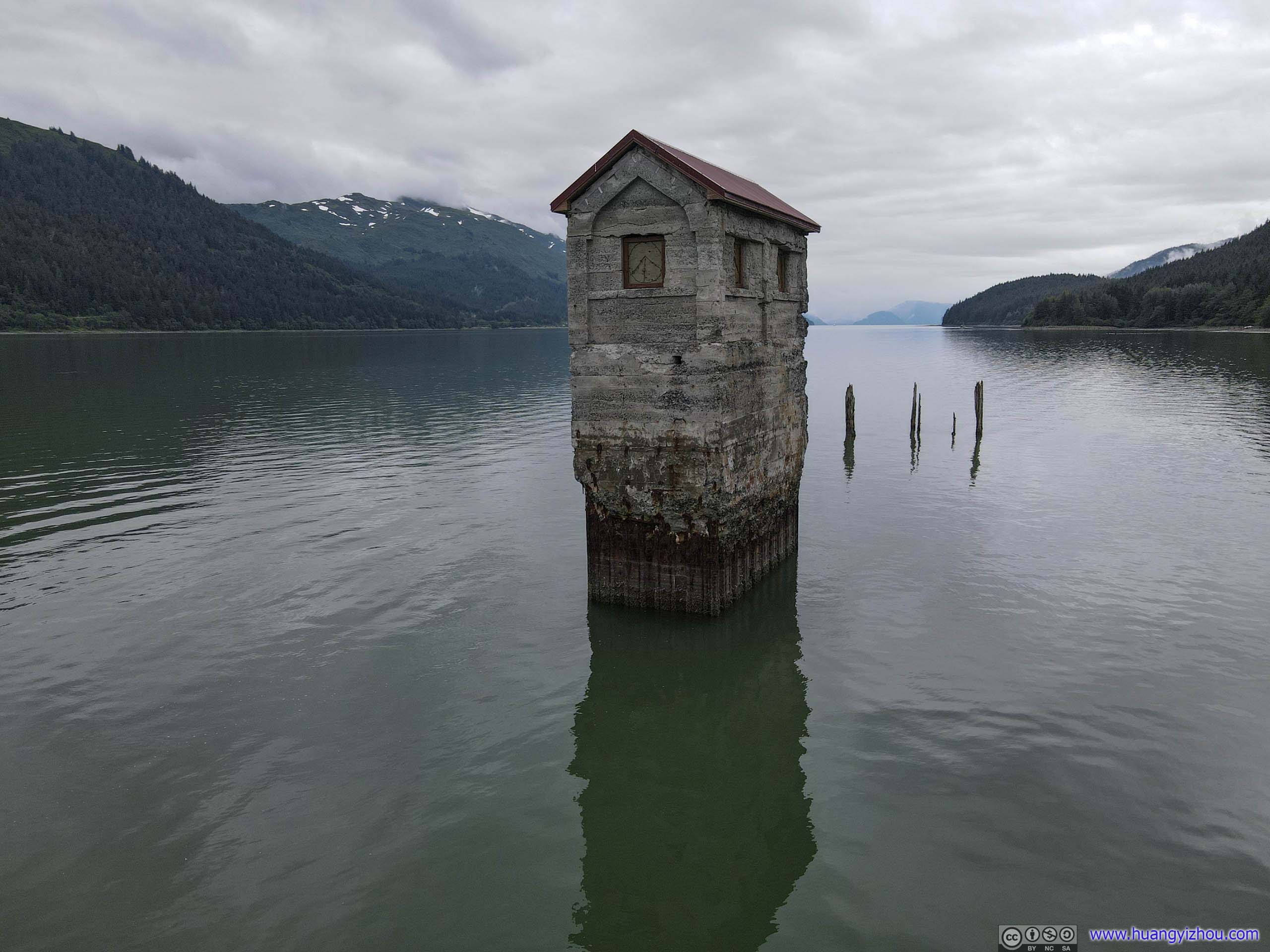
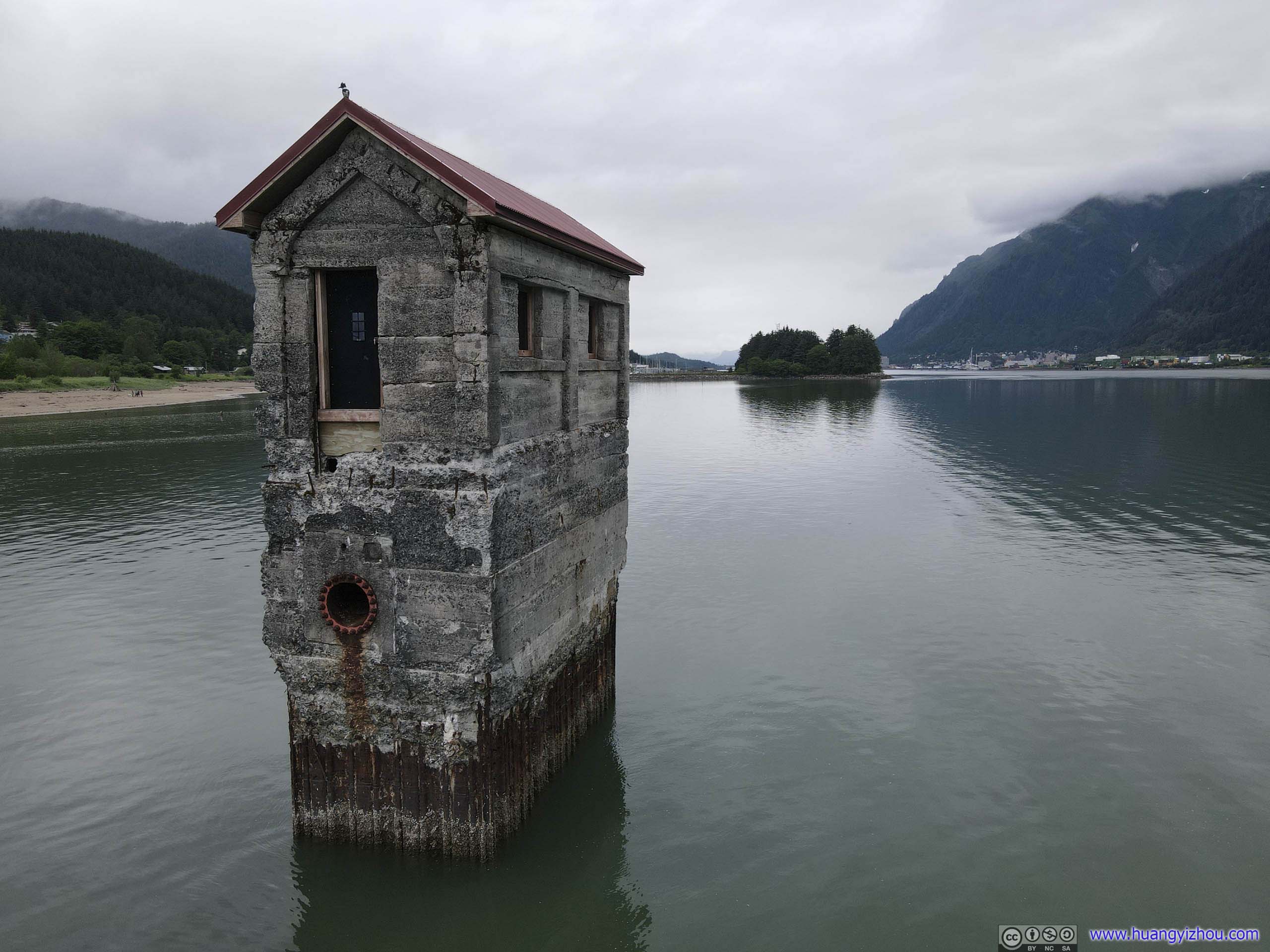
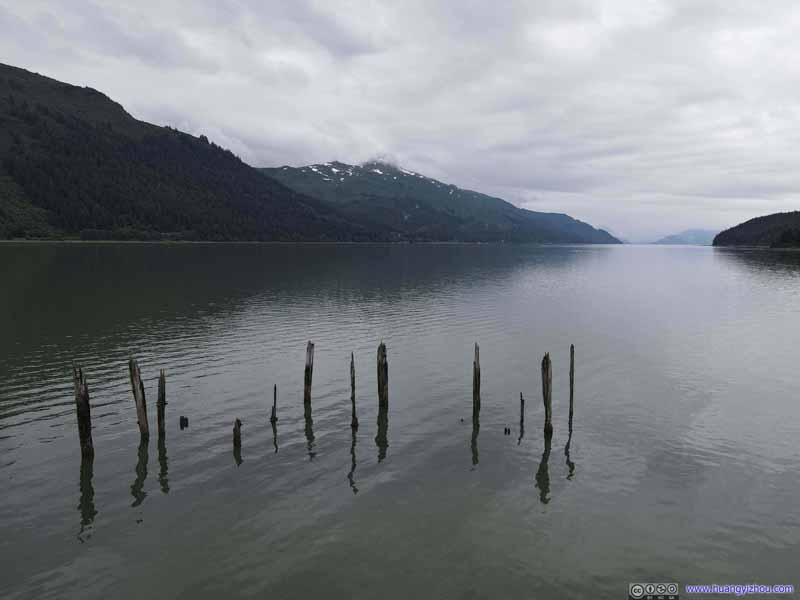
Here, I was pretty interested in the old pump house, which pumped water from Gastineau Channel to the nearby Treadwell gold mine, once the largest gold mine in the world. Ruins of the old mine were still accessible via a hiking trail, but it’s not hiking weather today so I didn’t check that out. The pump house was once connected to shore through a pier, which was subsequently destroyed, leaving the house standing alone in the water, and that’s such a fascinating sight.
In addition, I also launched my drone and gave it an aerial tour.
Pump House
Pump House
Pump House
Pump House
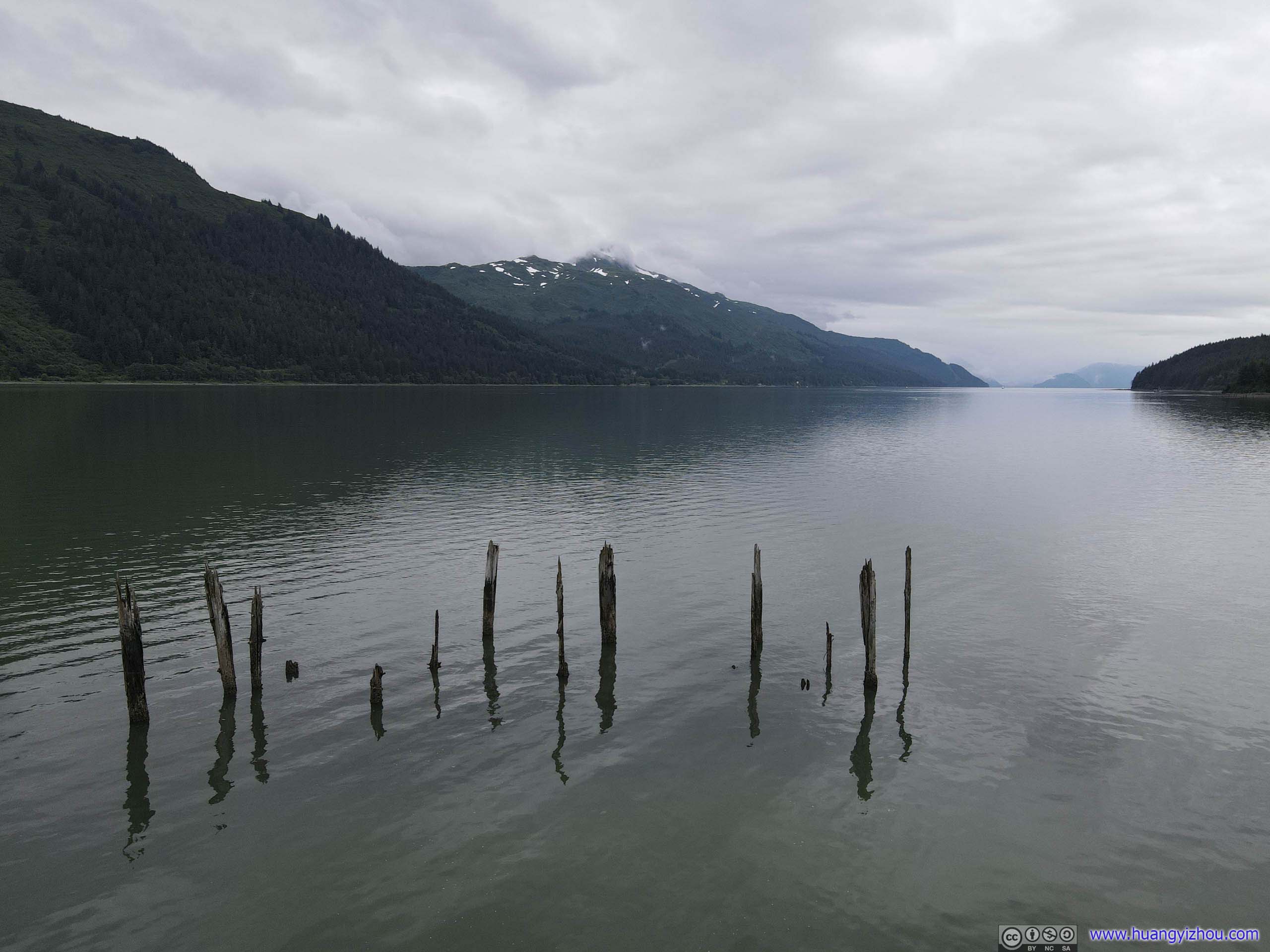
Pilings in Water Which once supported a pier that connected the pump house to the shore.
And here's a video:
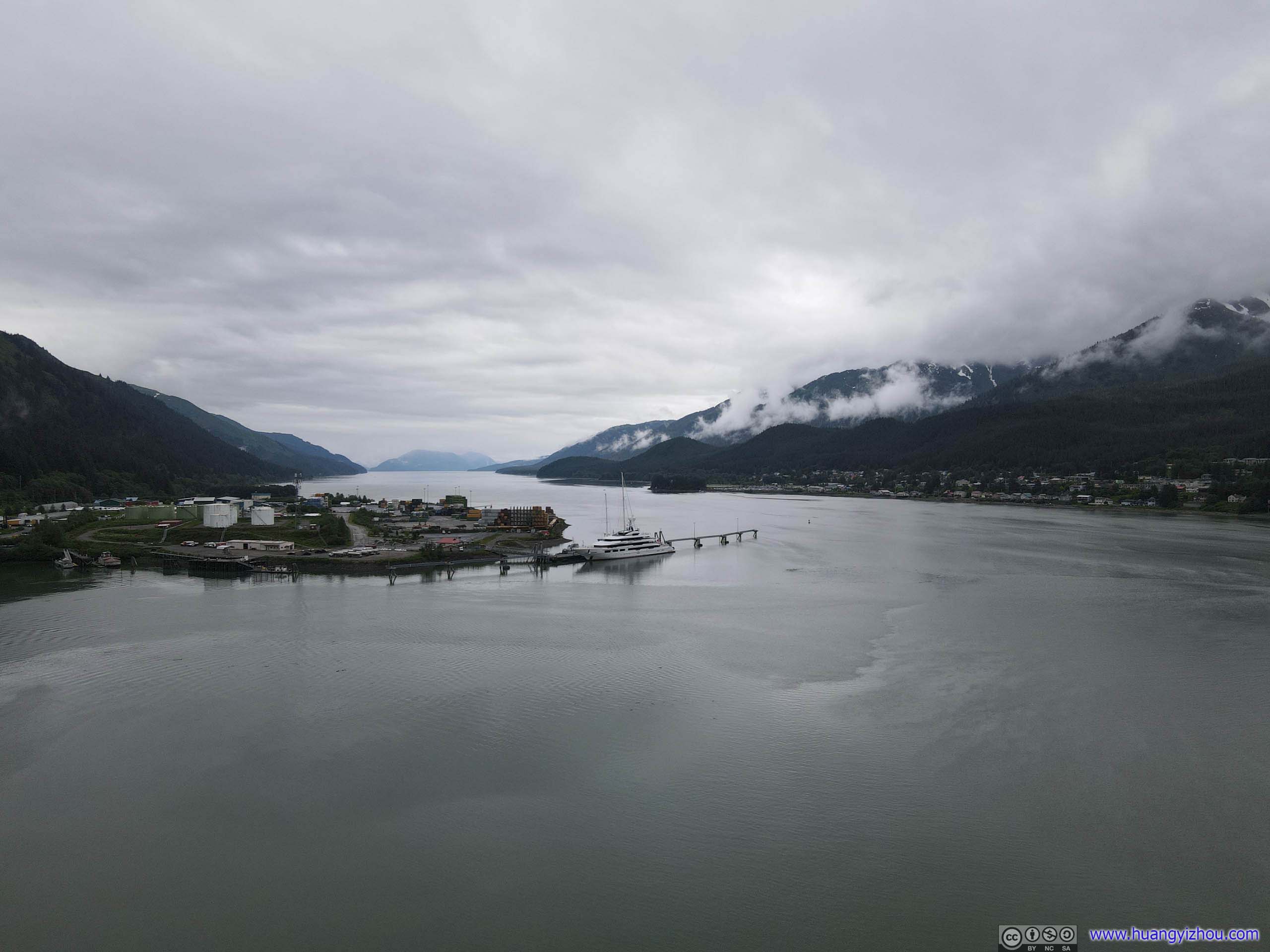
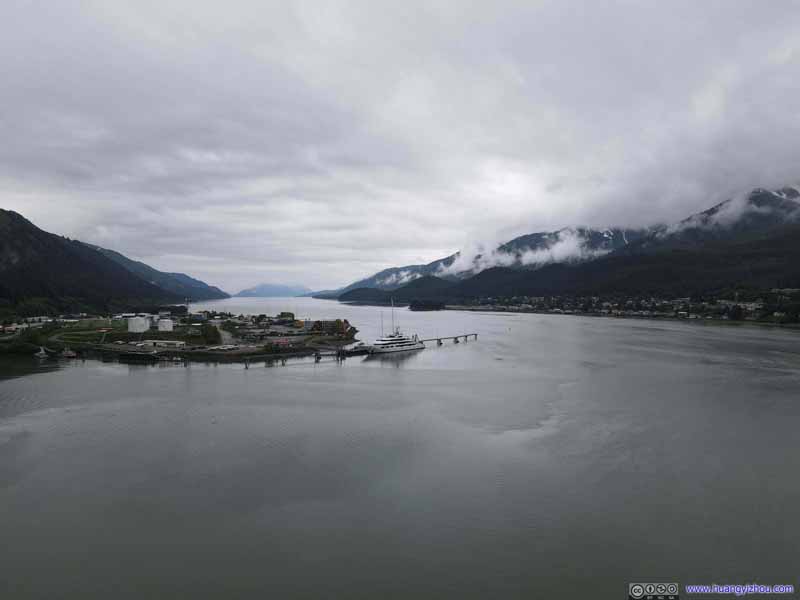
In addition, I also flew my drone onto Gastineau Channel, up till downtown Juneau (where proximity to Juneau Airport prohibited me from going farther).
Overlooking Gastineau Channel
Here's a video taken during the outbound flight:
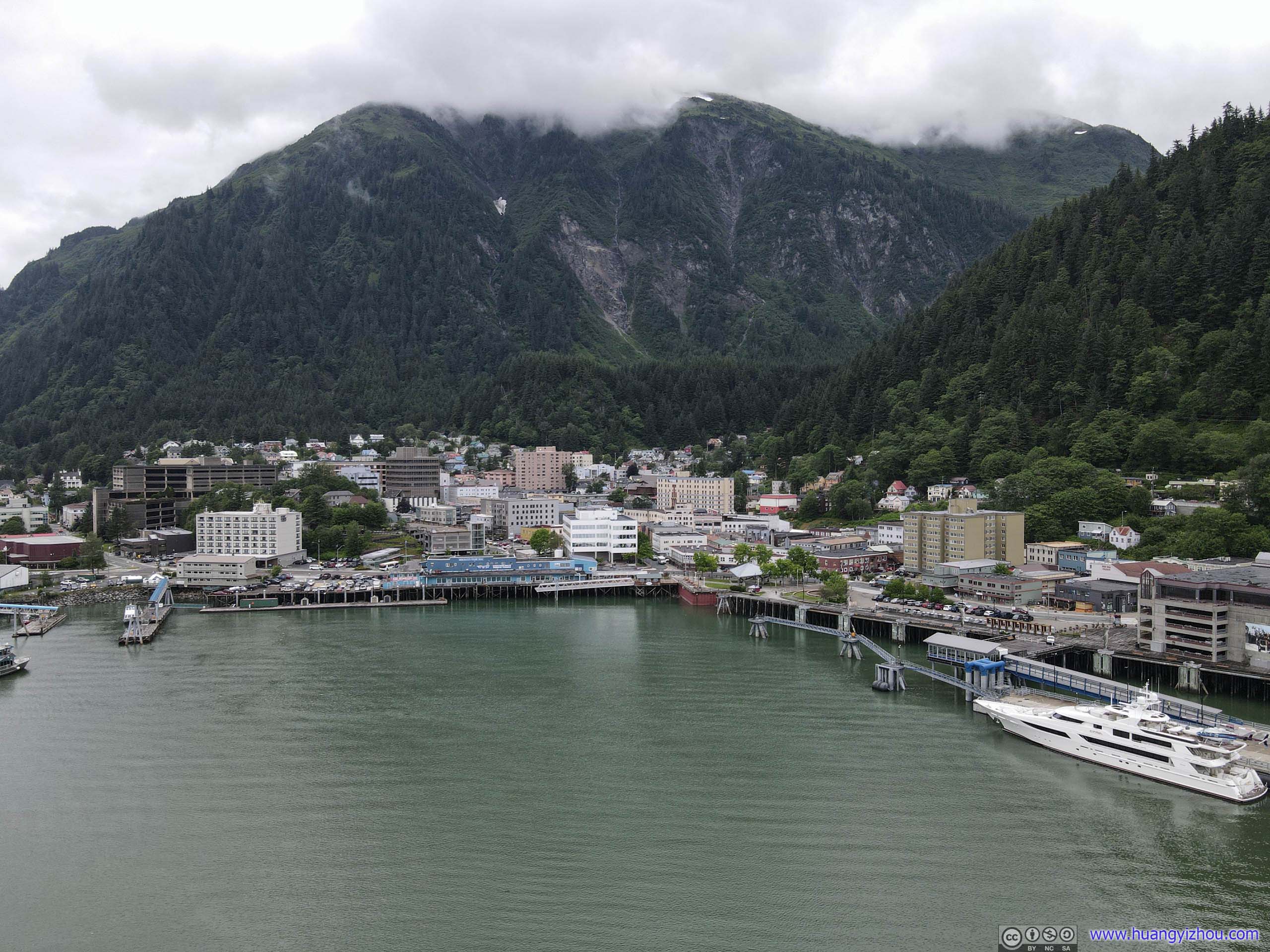
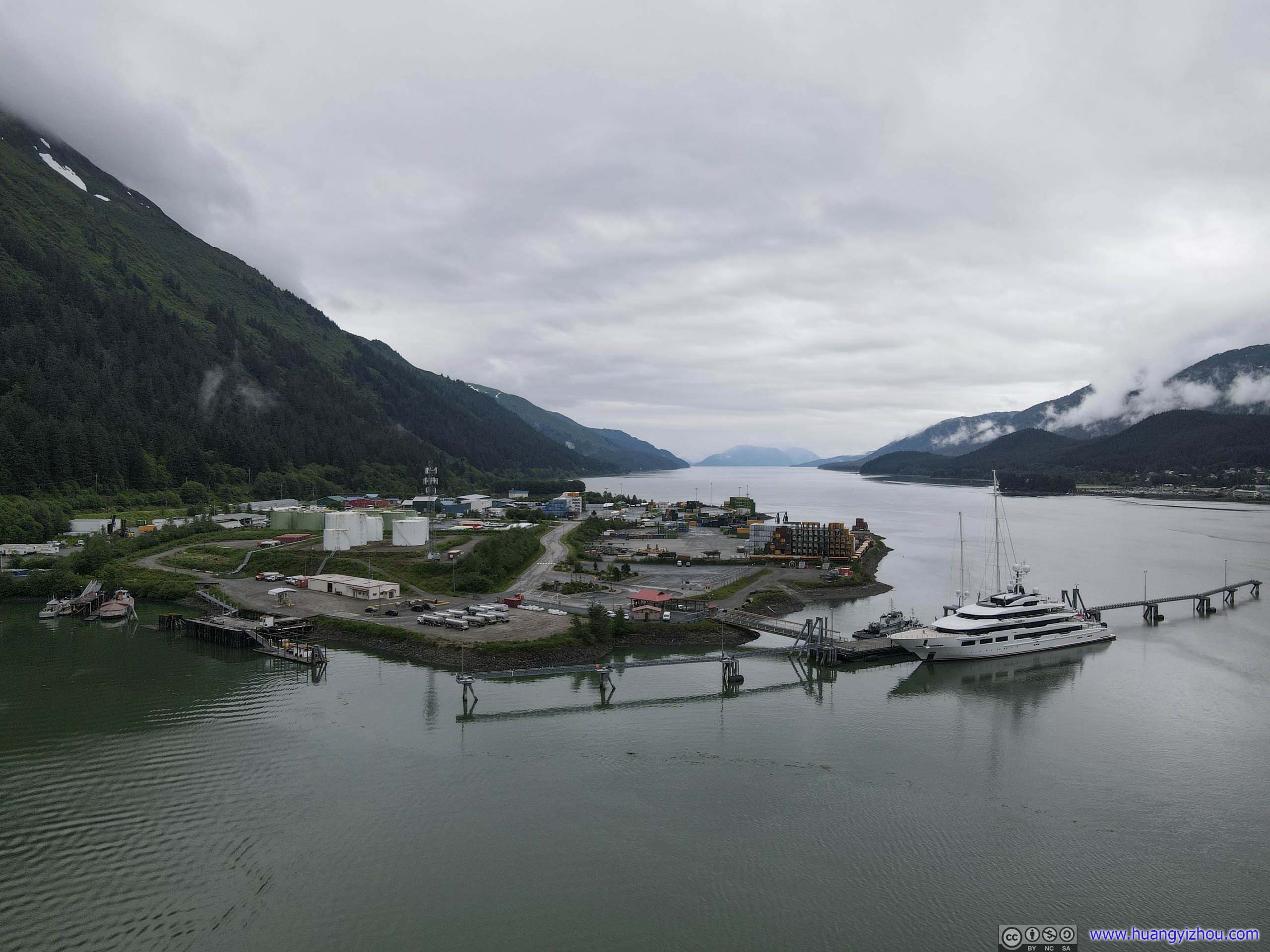
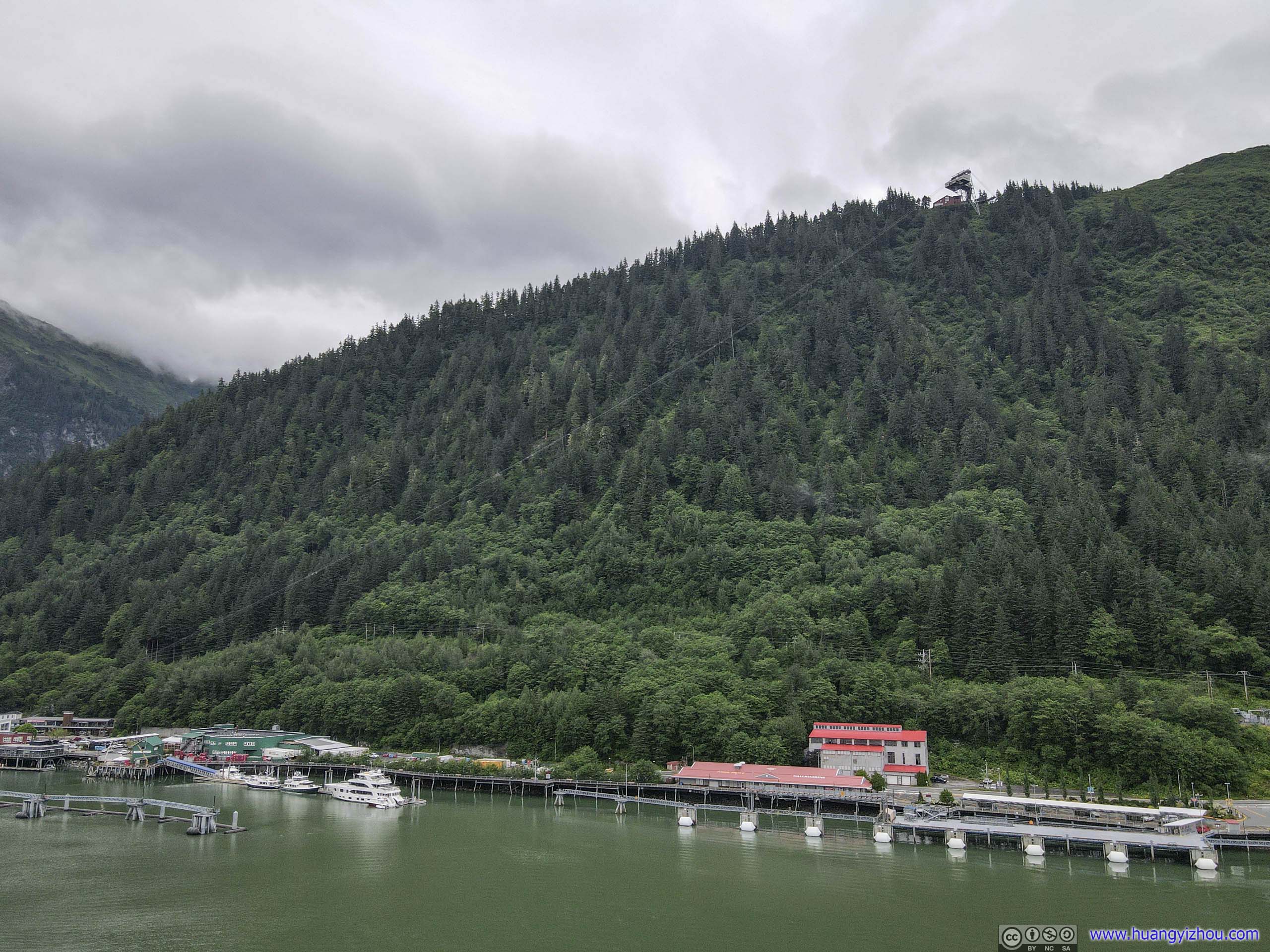
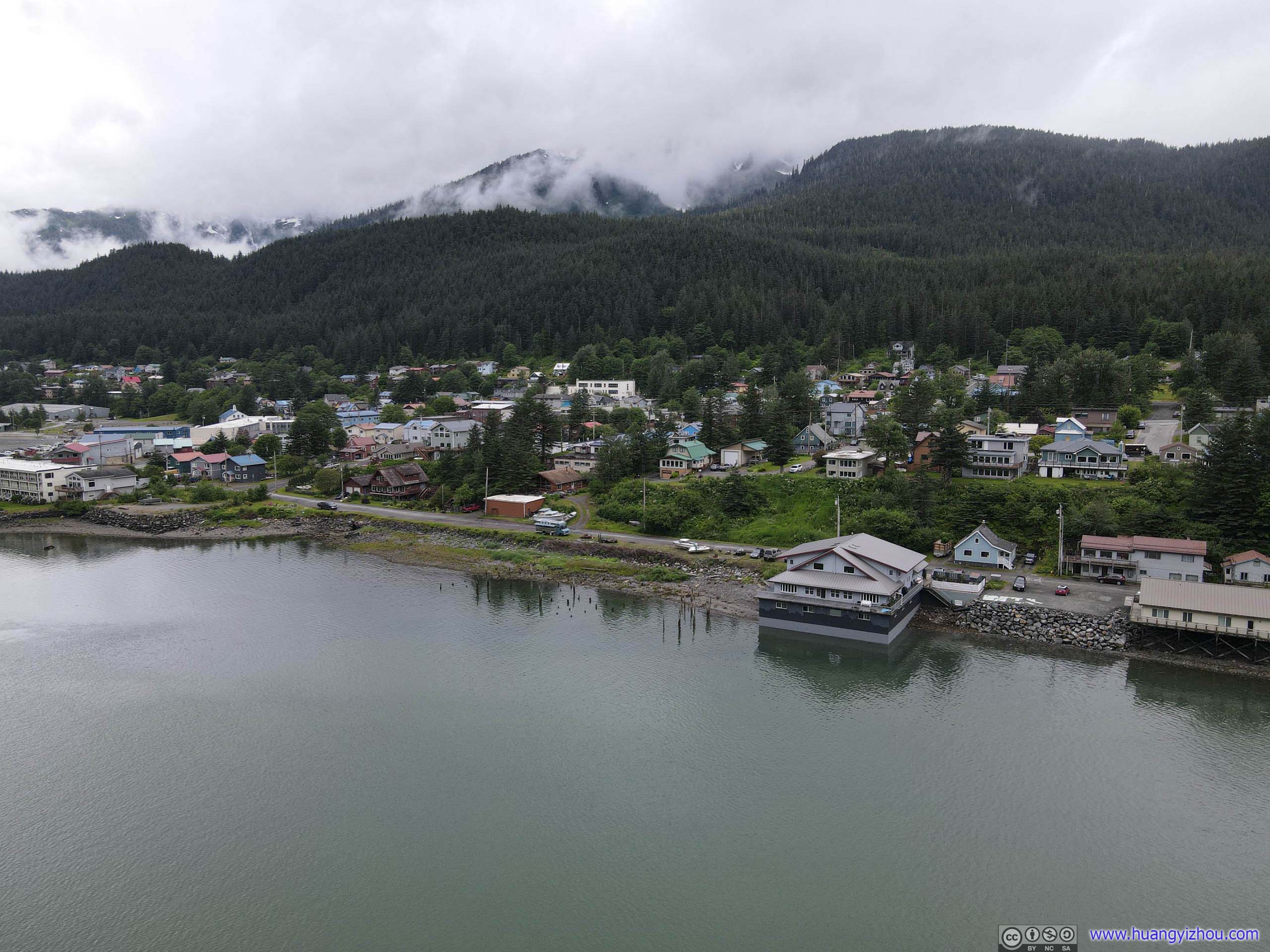
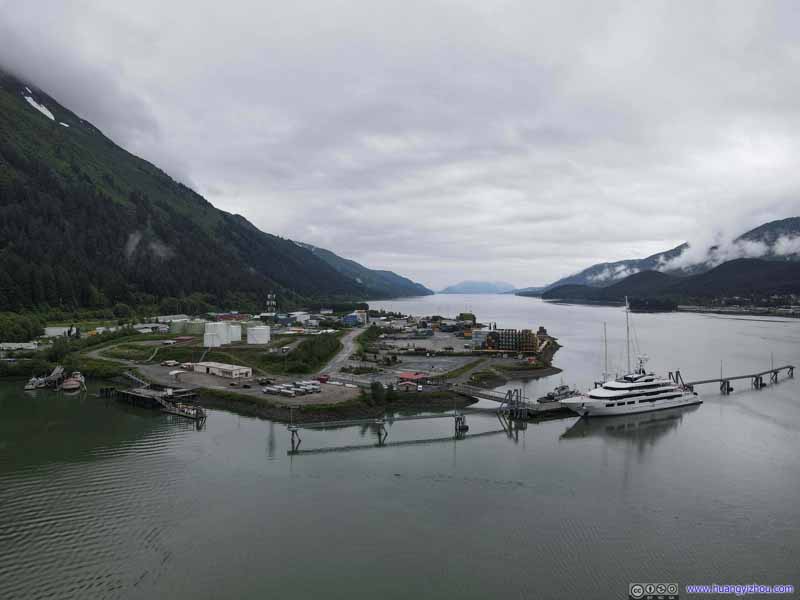
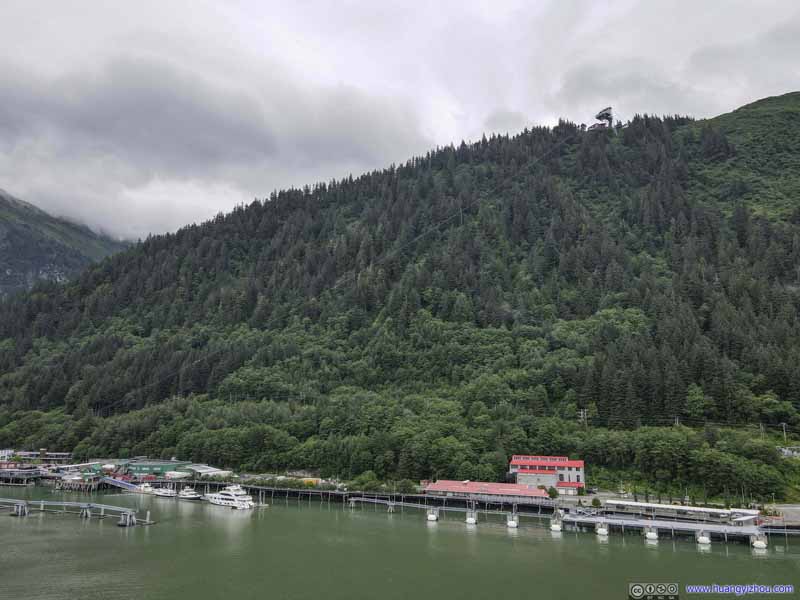
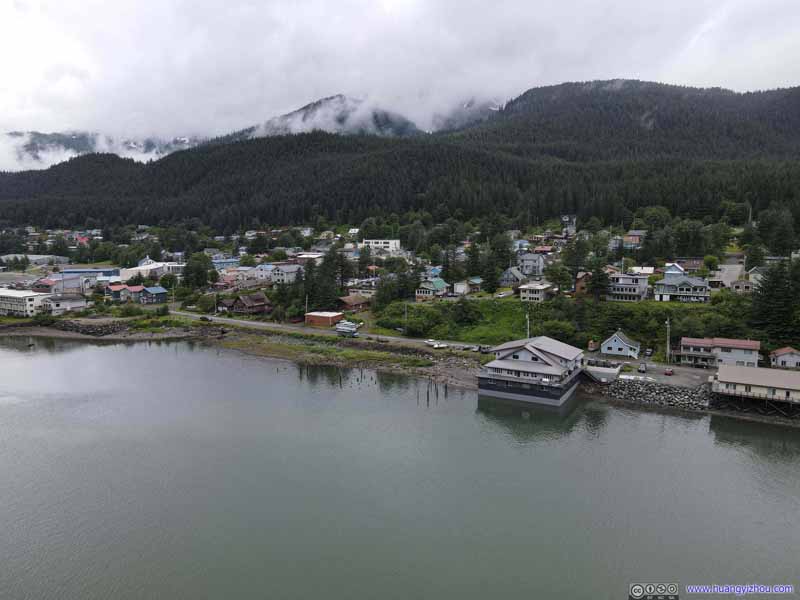
And some photos captured on the flight back.
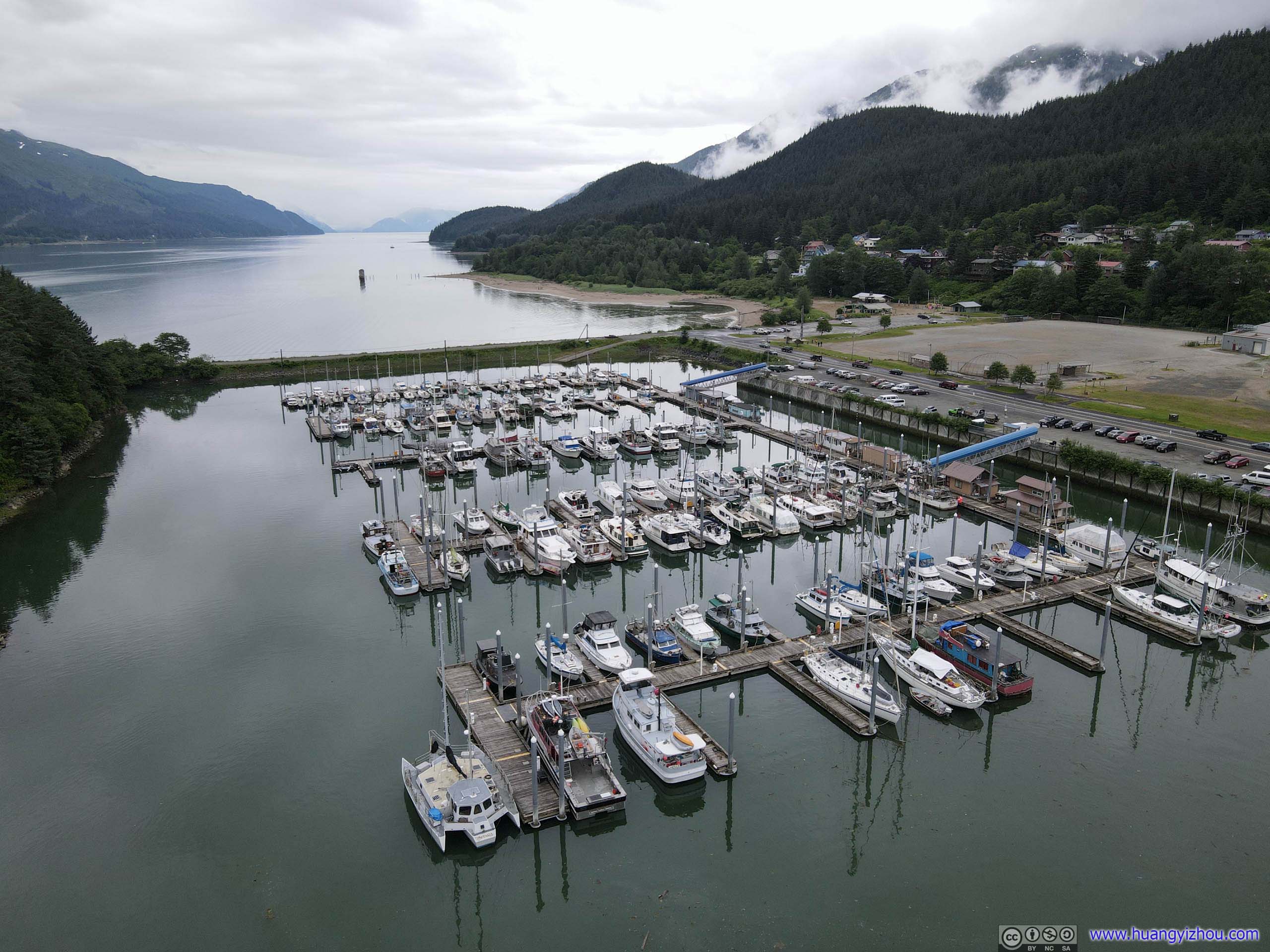
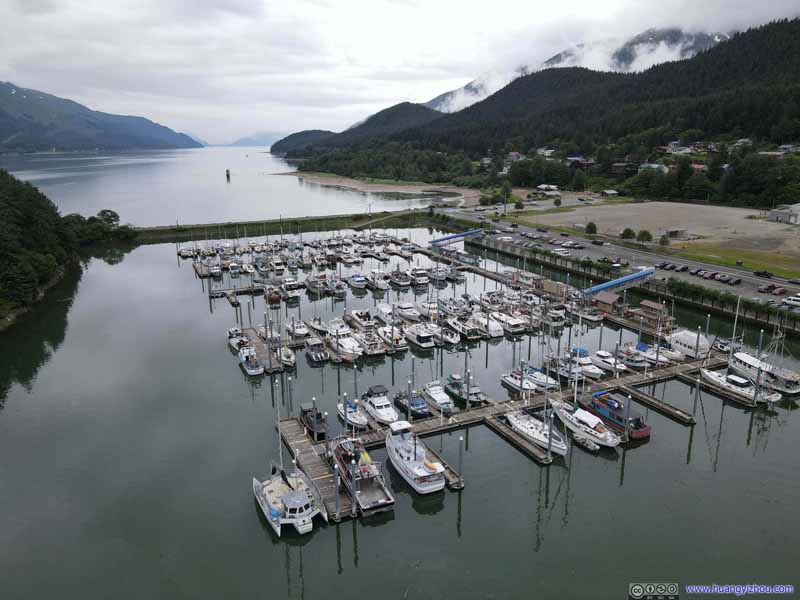
Overlooking Juneau Harbor
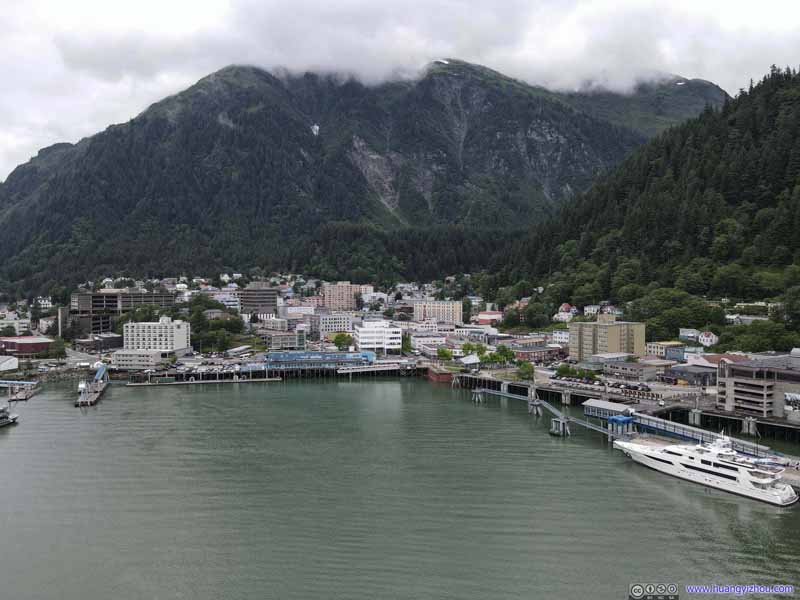
Downtown Juneau Mt Juneau in the background concealed by clouds.
Gastineau Channel
Juneau Marina
Goldbelt Tram
Houses along Shore
Douglas Harbor
Savikko Park was about the southern end of the roadway on Douglas Island. After leaving Savikko Park, I drove north along Douglas Island, looking for scenery.
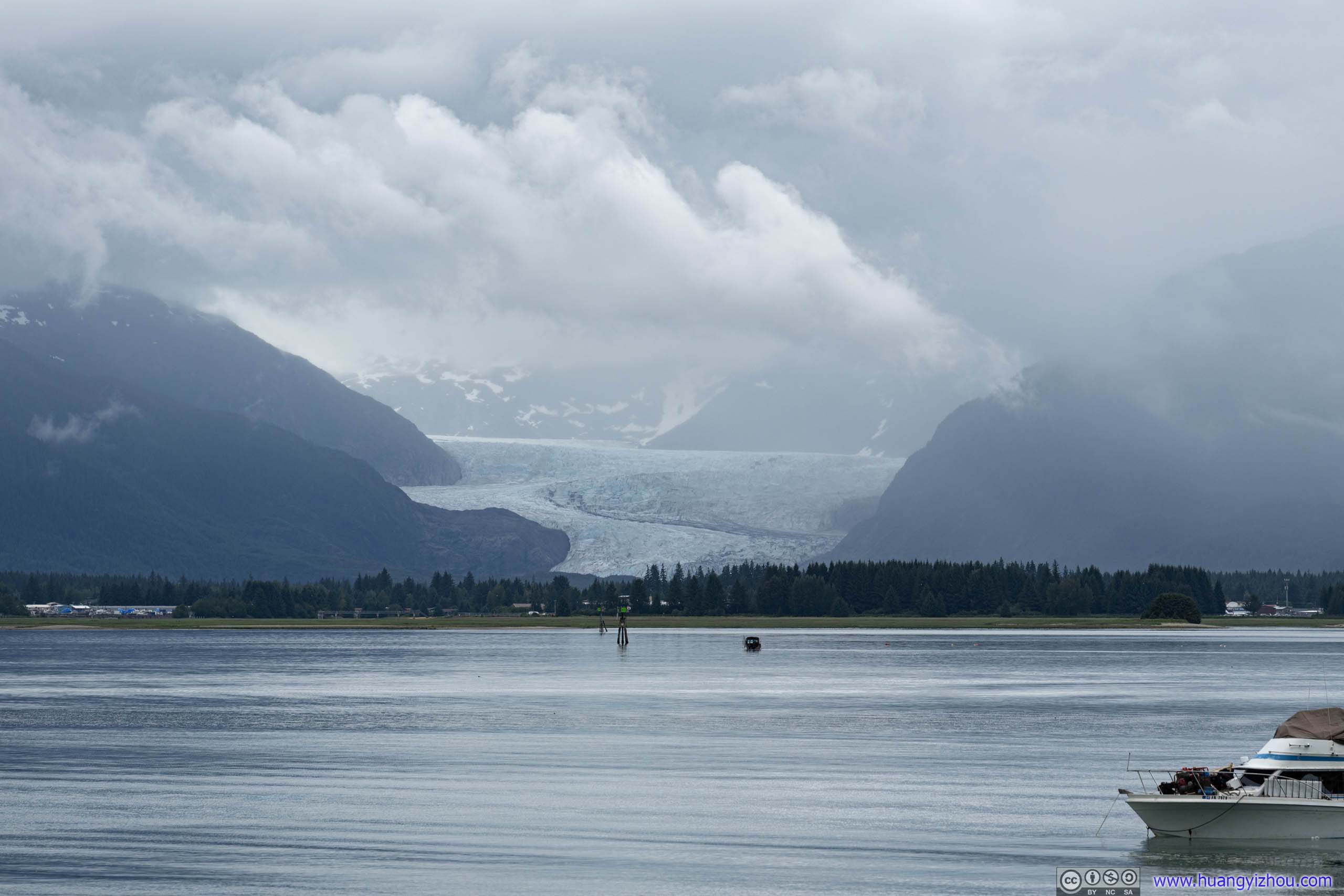
Mendenhall Glacier
Captured at the boat launch along North Douglas Highway, which was directly facing Mendenhall Glacier. Clouds were low so I used the tele end at 150mm for the composition.
False Outer Point
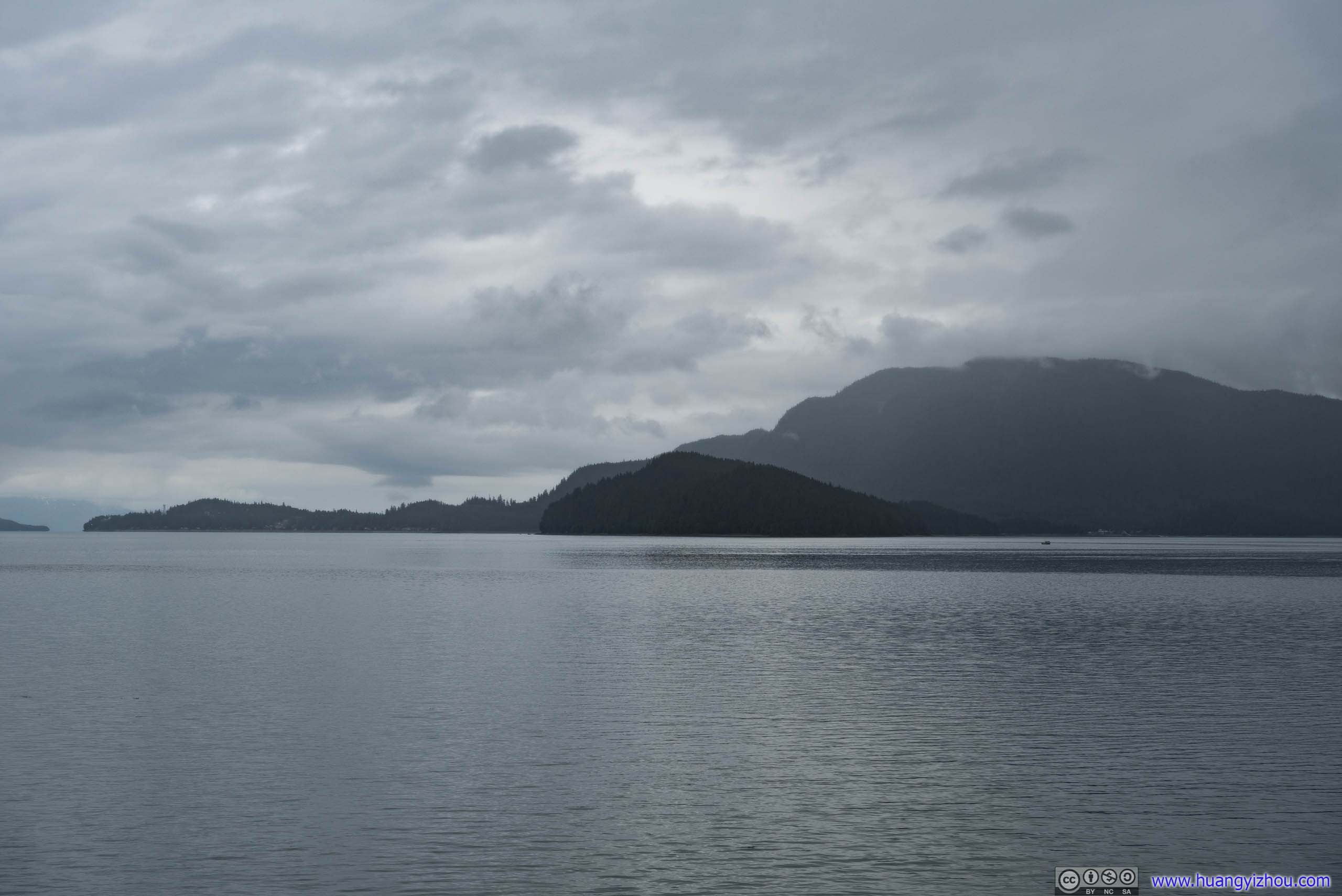
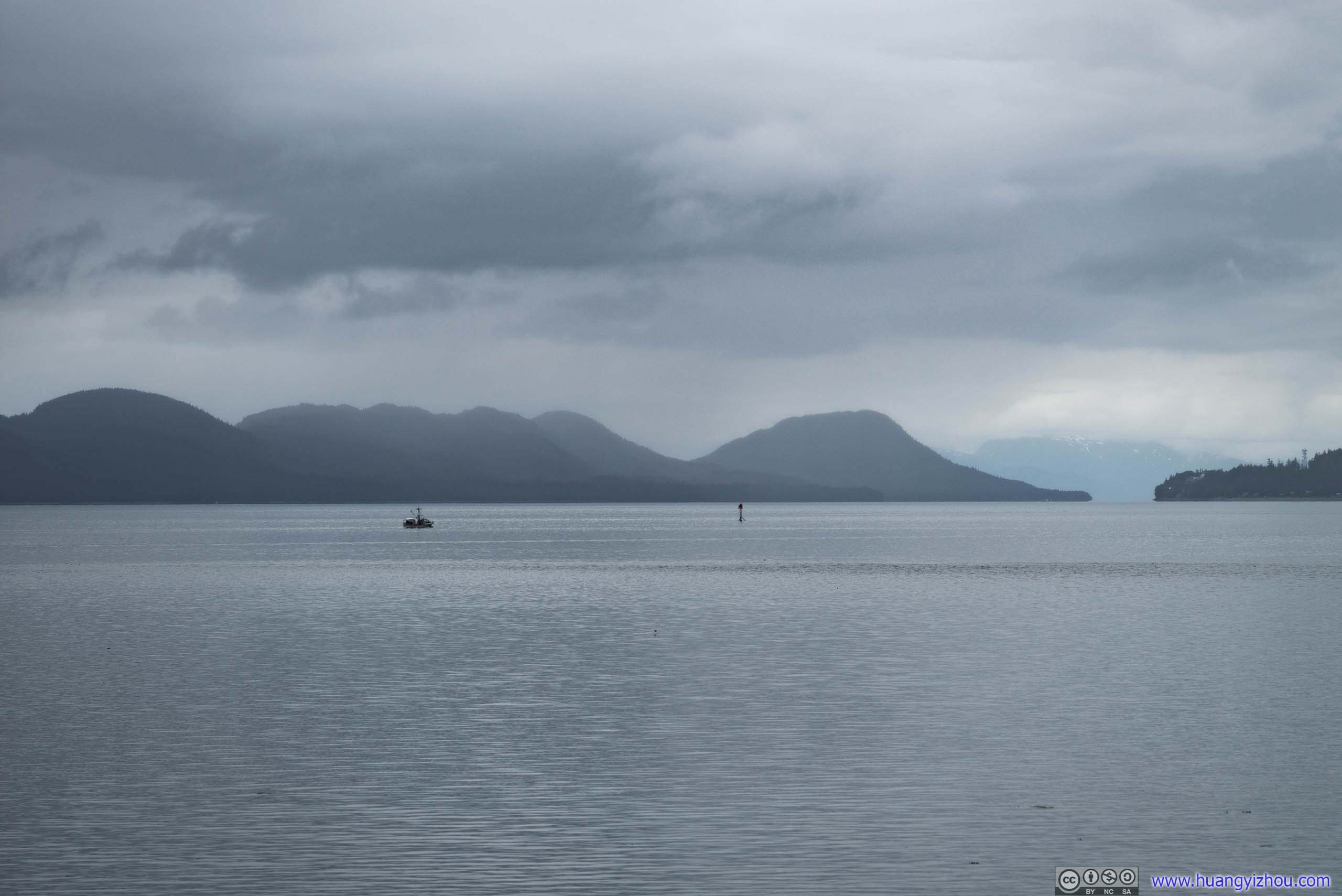
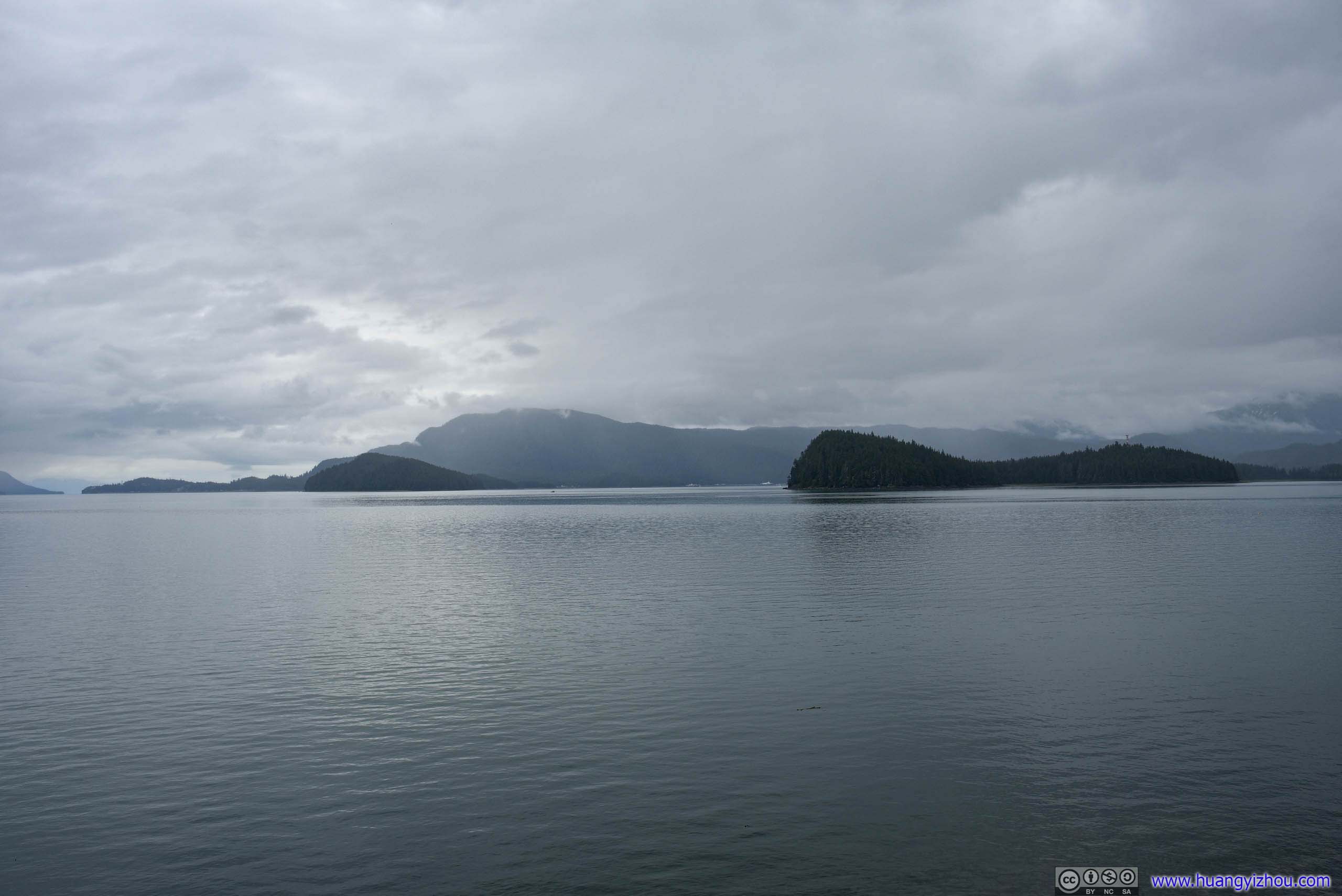
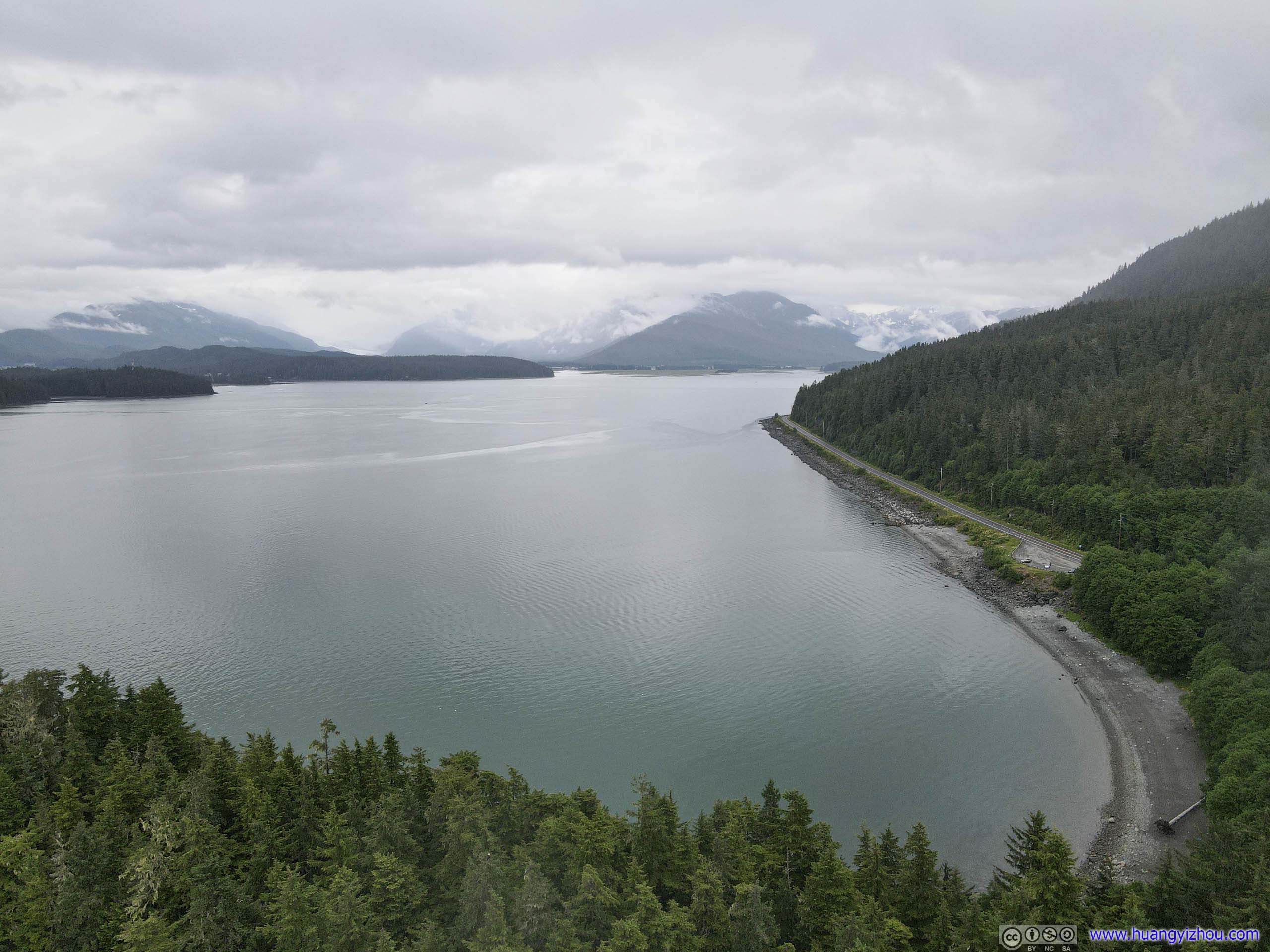
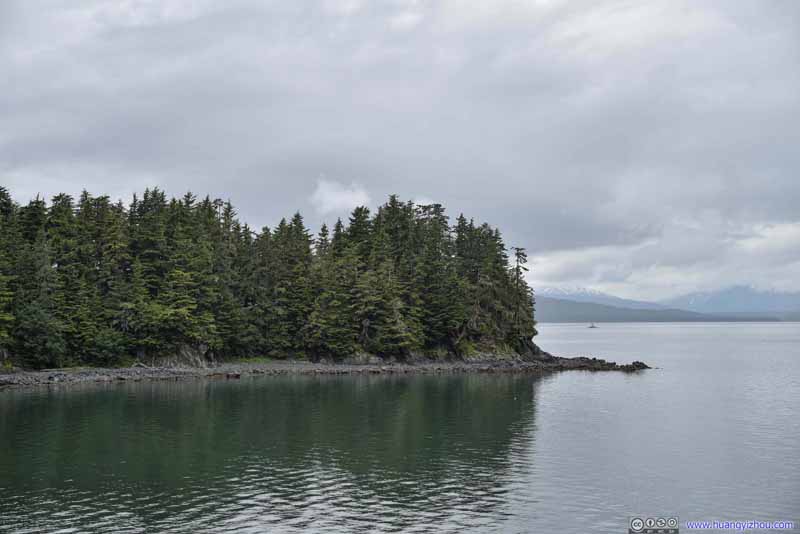
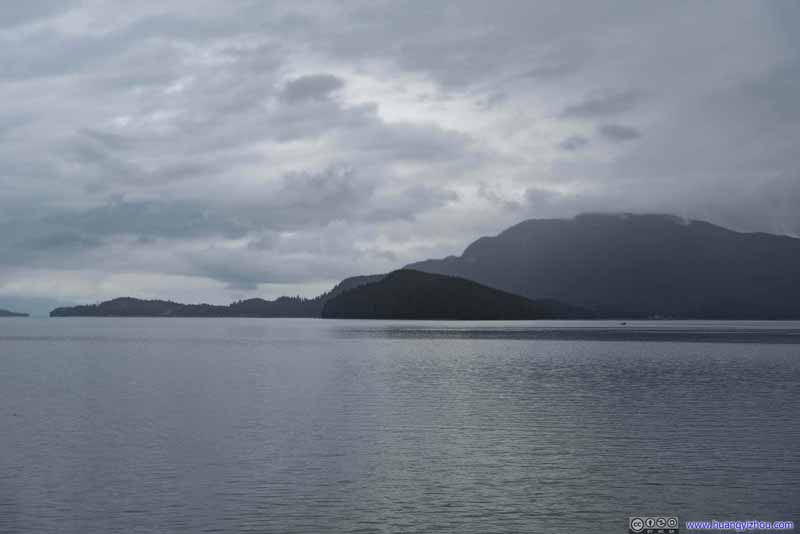
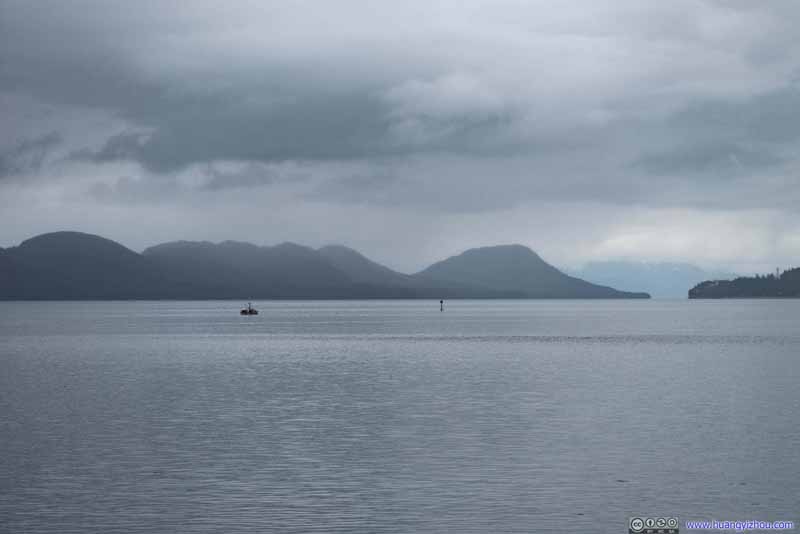
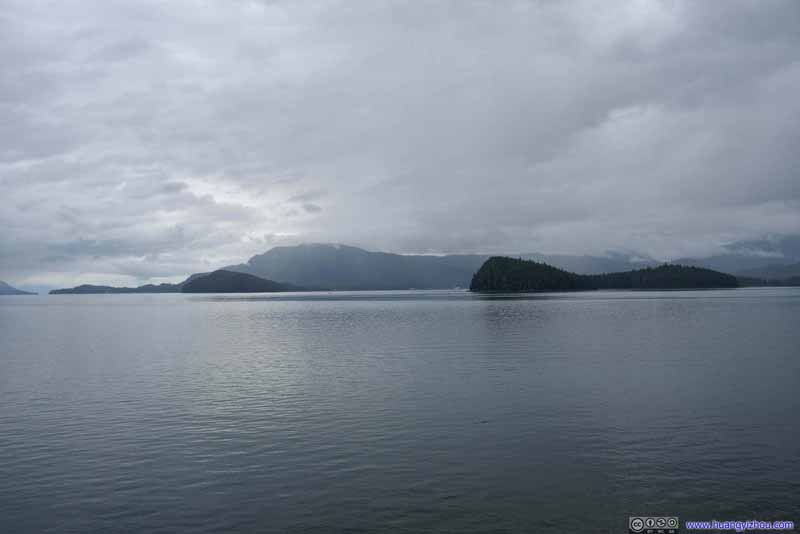
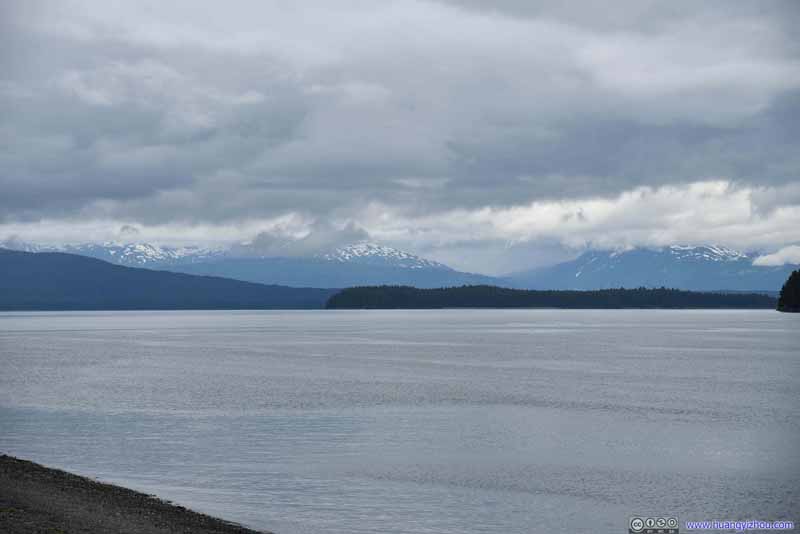
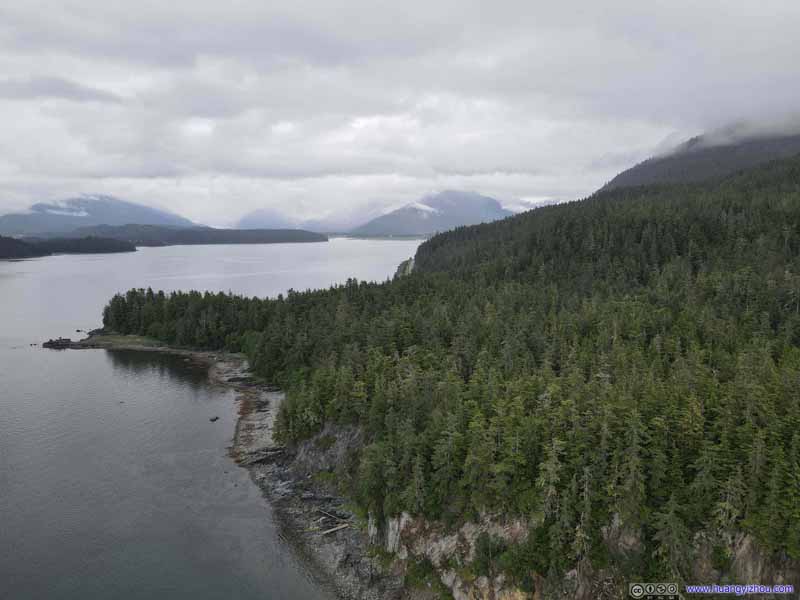
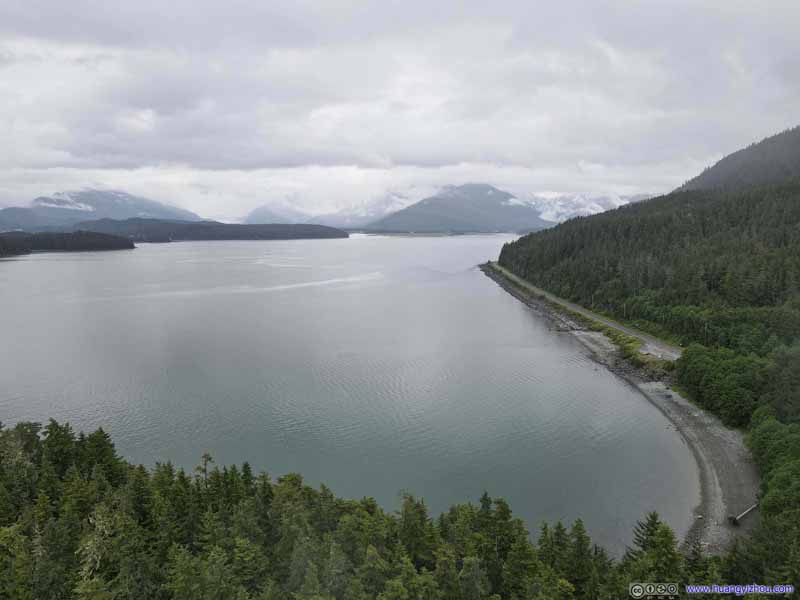
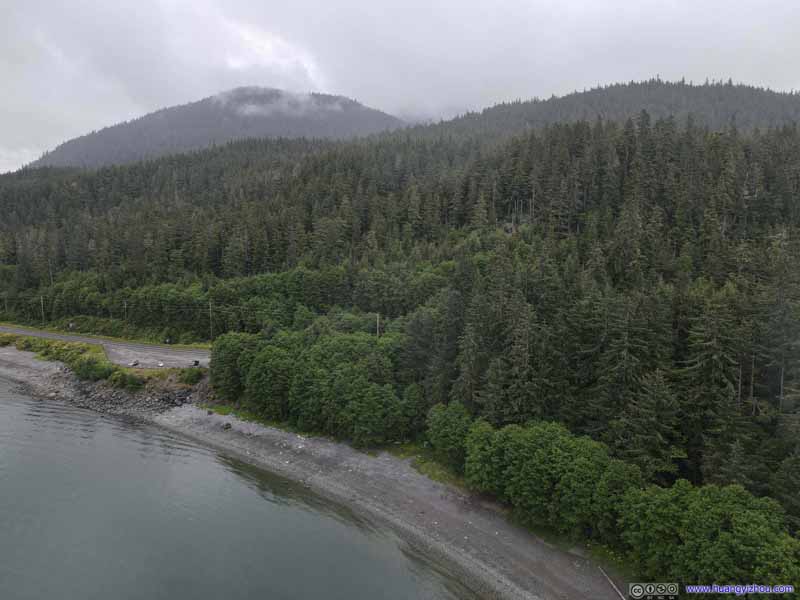
Finally, I arrived at "False Outer Point", a roadside turnout that's marked as a scenic point on Google Maps. Located on the northwestern side of Douglas Island, it offered views of Favorite Channel with various islands surrounding it.
Misty Mountains from False Outer Point
False Outer Point
Islands in Mist
Islands in Mist
Islands in Mist
Distant Mountains
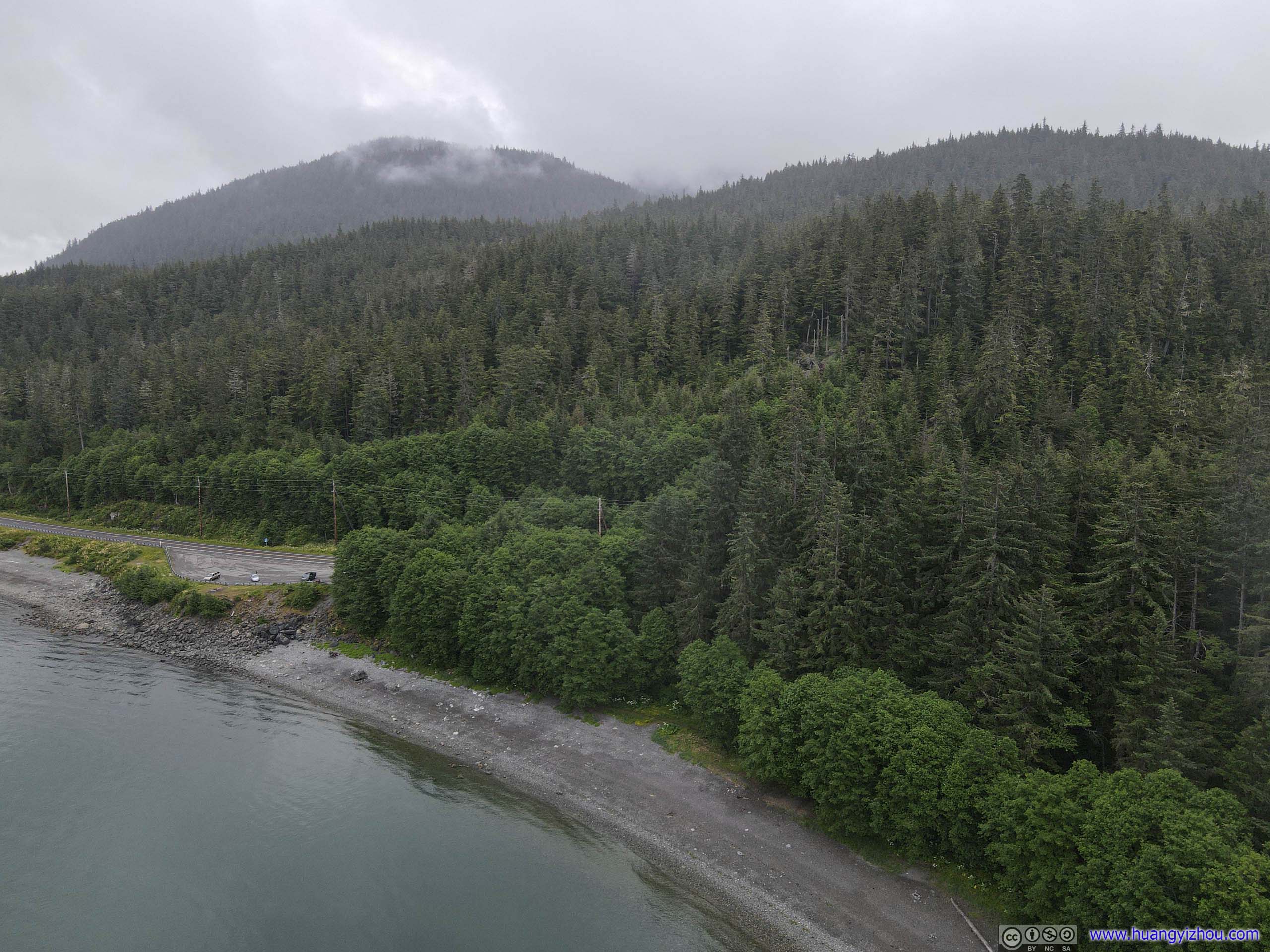
Forests along Shore
False Outer Point
False Outer Point I was parked at the small overlook on the left.
Crucially, it’s located outside Juneau Airport’s restriction zone, so I could launch my drone.
But the on-and-off rain which persisted for much of the day was starting to get heavy, and my drone didn’t have much battery left from the previous flight along Gastineau Channel. So I took the following video of forests along False Outer Point, before packing up and heading back to my Airbnb house.
27 seconds, 2160p60fps, 2x playback speed, 15.5Mbps/51MB for H265, 16.6Mbps/56MB for H264.Channel off False Outer Point
Mount Juneau Trailhead
Finally, towards the end of the day, I needed to leave my Airbnb house for dinner. And with my drone fully charged, I decided to check out Mount Juneau’s trailhead anyways, since I would be hiking that trail should the weather cooperate today.
But unfortunately, after I drove down the unpaved road to its trailhead, it was raining steadily in the sky. So I launched my drone, and retreated back to the shelter of my car.
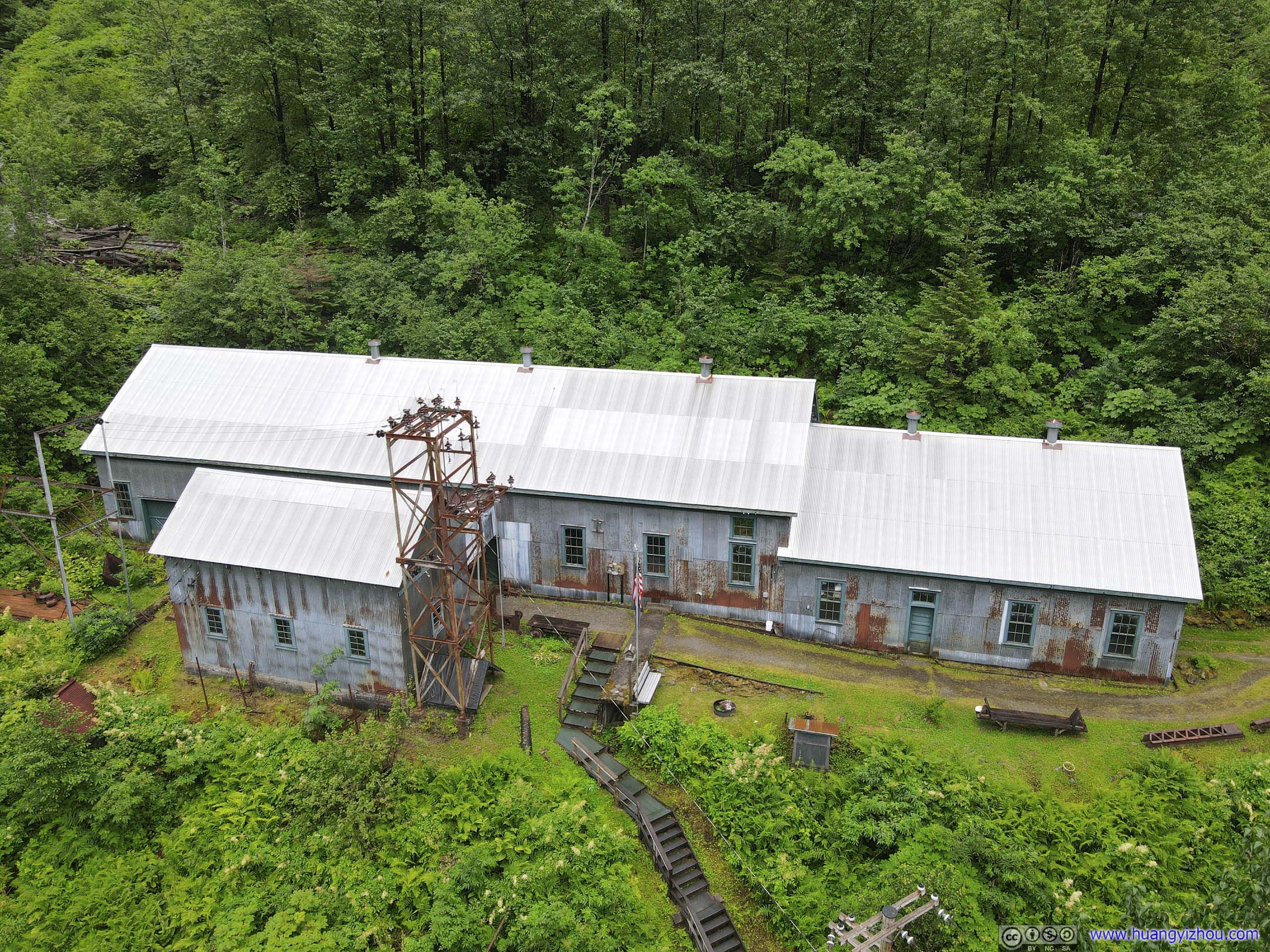
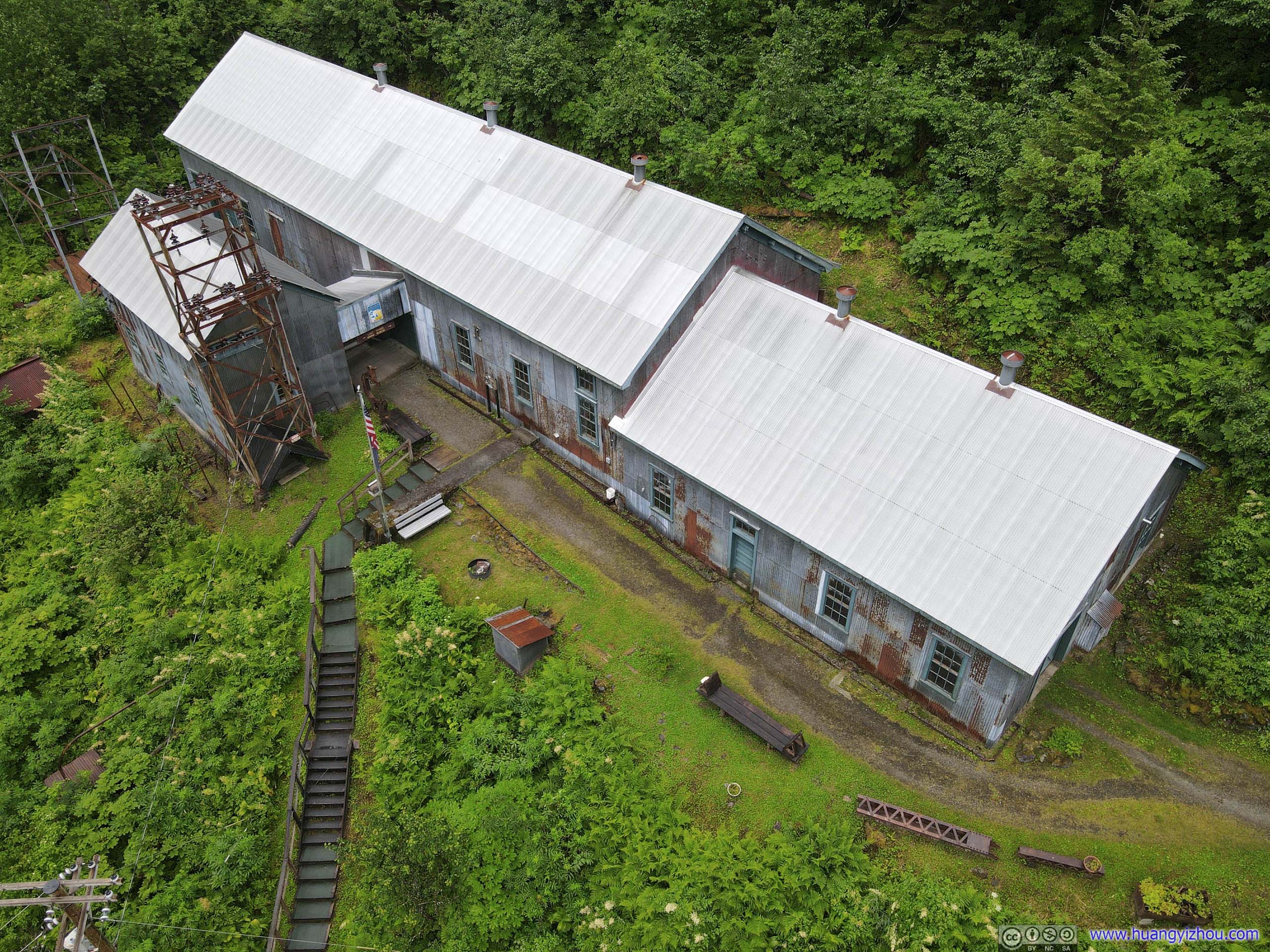
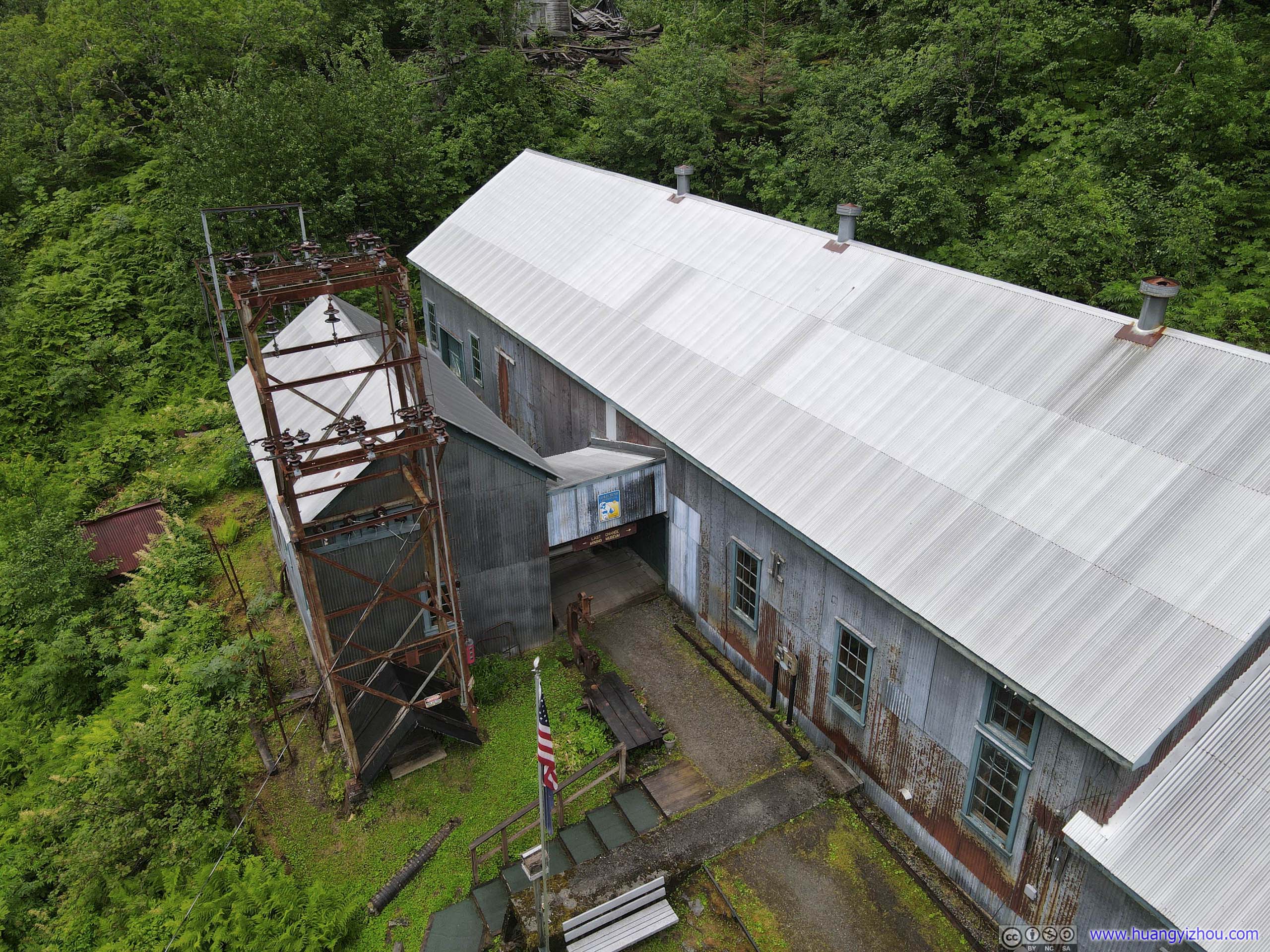
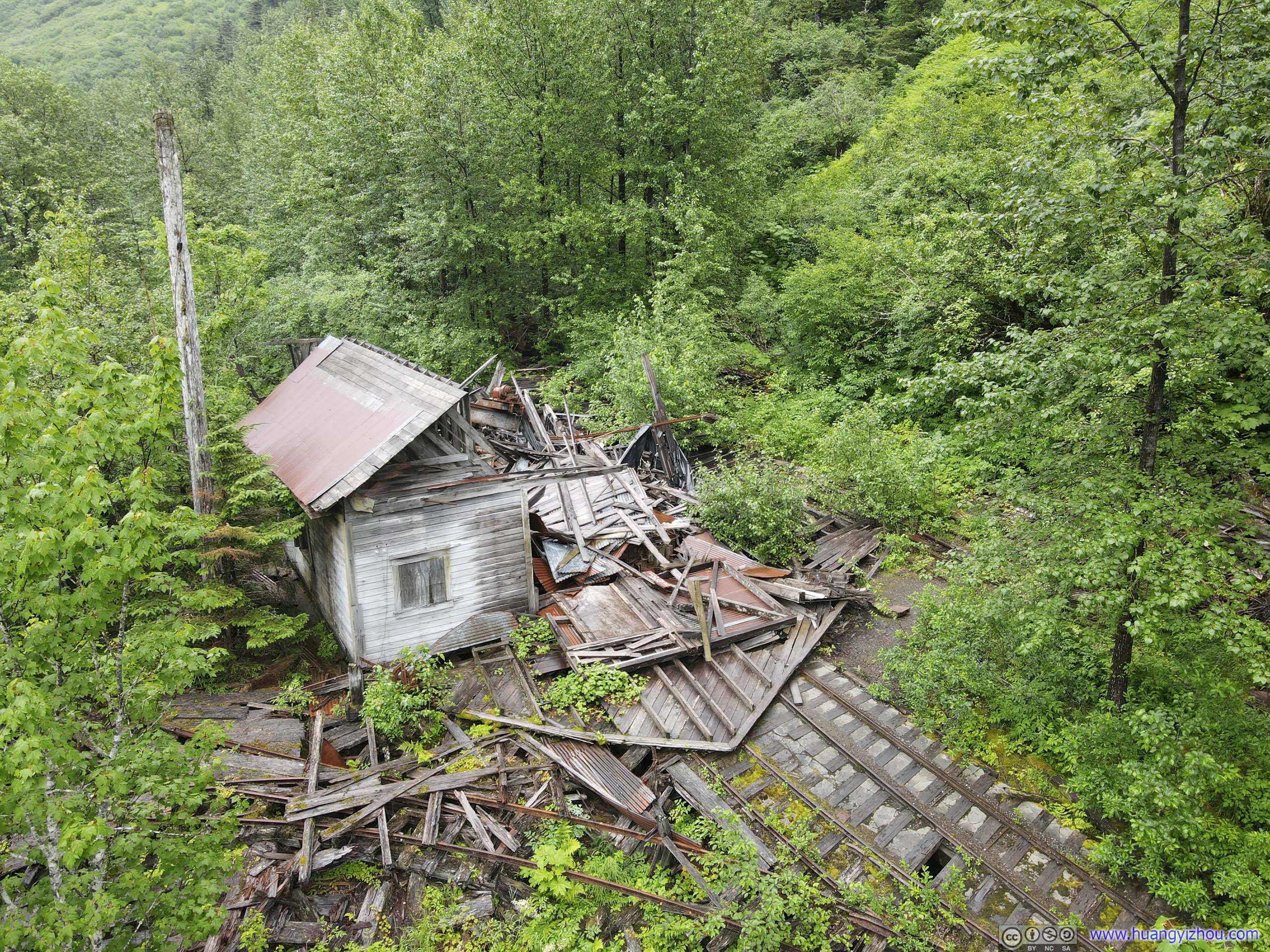
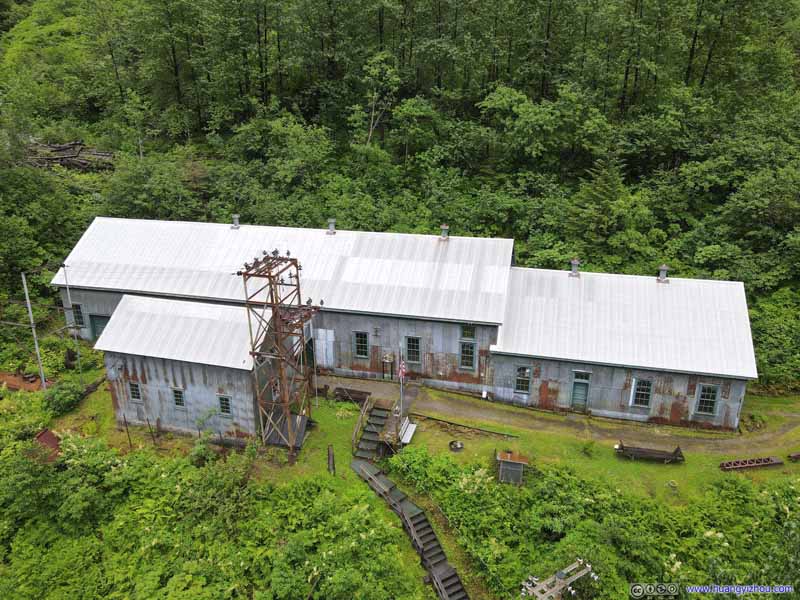
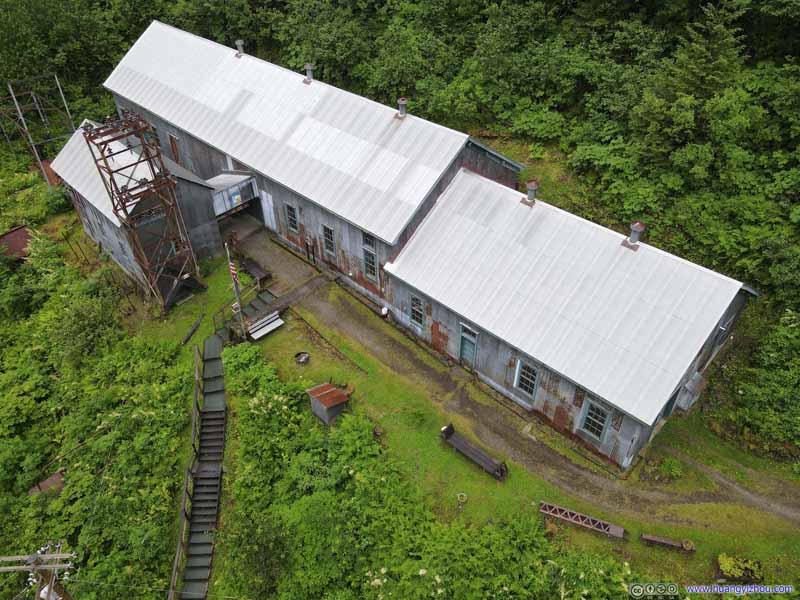
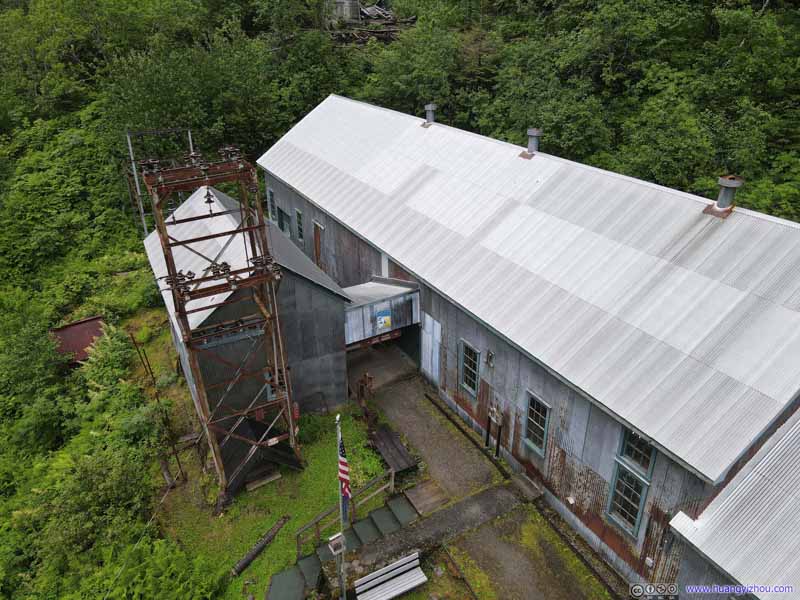
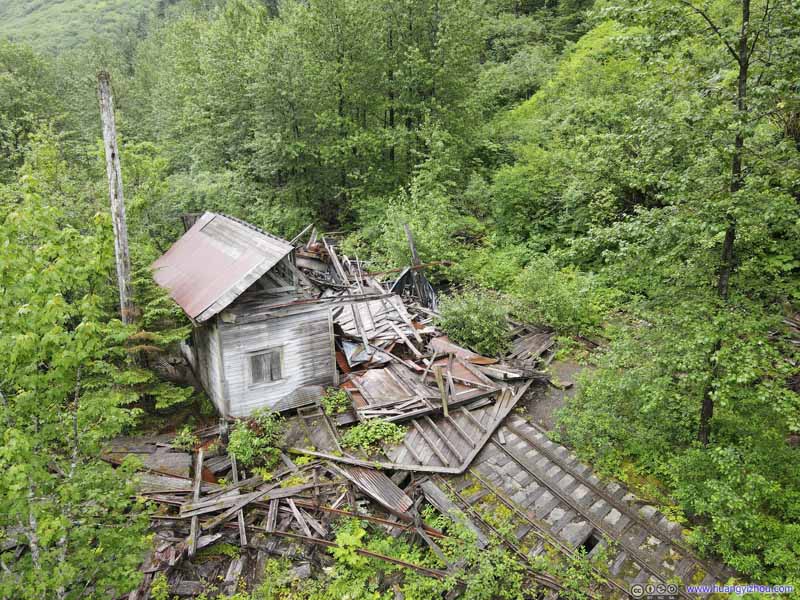
But first, next to the trailhead and opposite of Mount Juneau, there were the ruins of Last Chance Mine, a mine that operated until 1944. It was closed during my visit, so I thought an aerial tour from my drone was the perfect way to visit it.
Last Chance Mine
Last Chance Mine
Last Chance Mine
Last Chance Mine
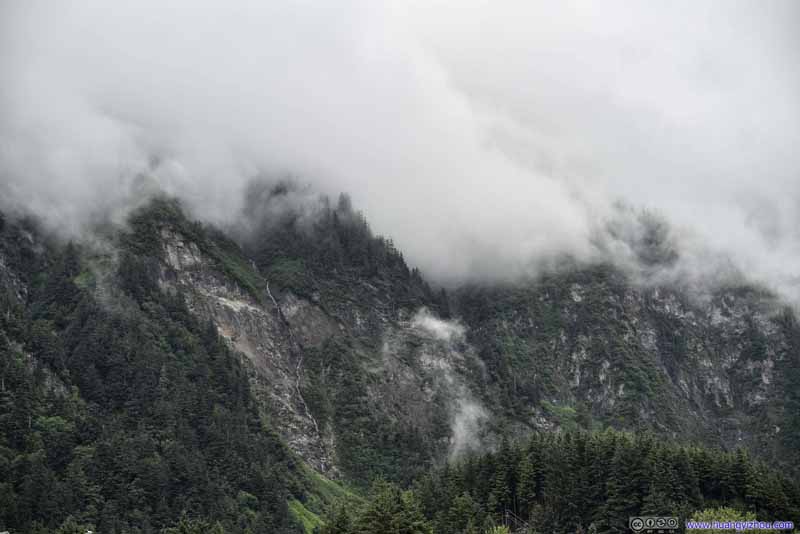
Then there's Mount Juneau, covered in clouds and looking mystic. For a moment I wanted to use my drone to climb it for me, reason quickly convinced me not to do that.
Mt Juneau in Clouds
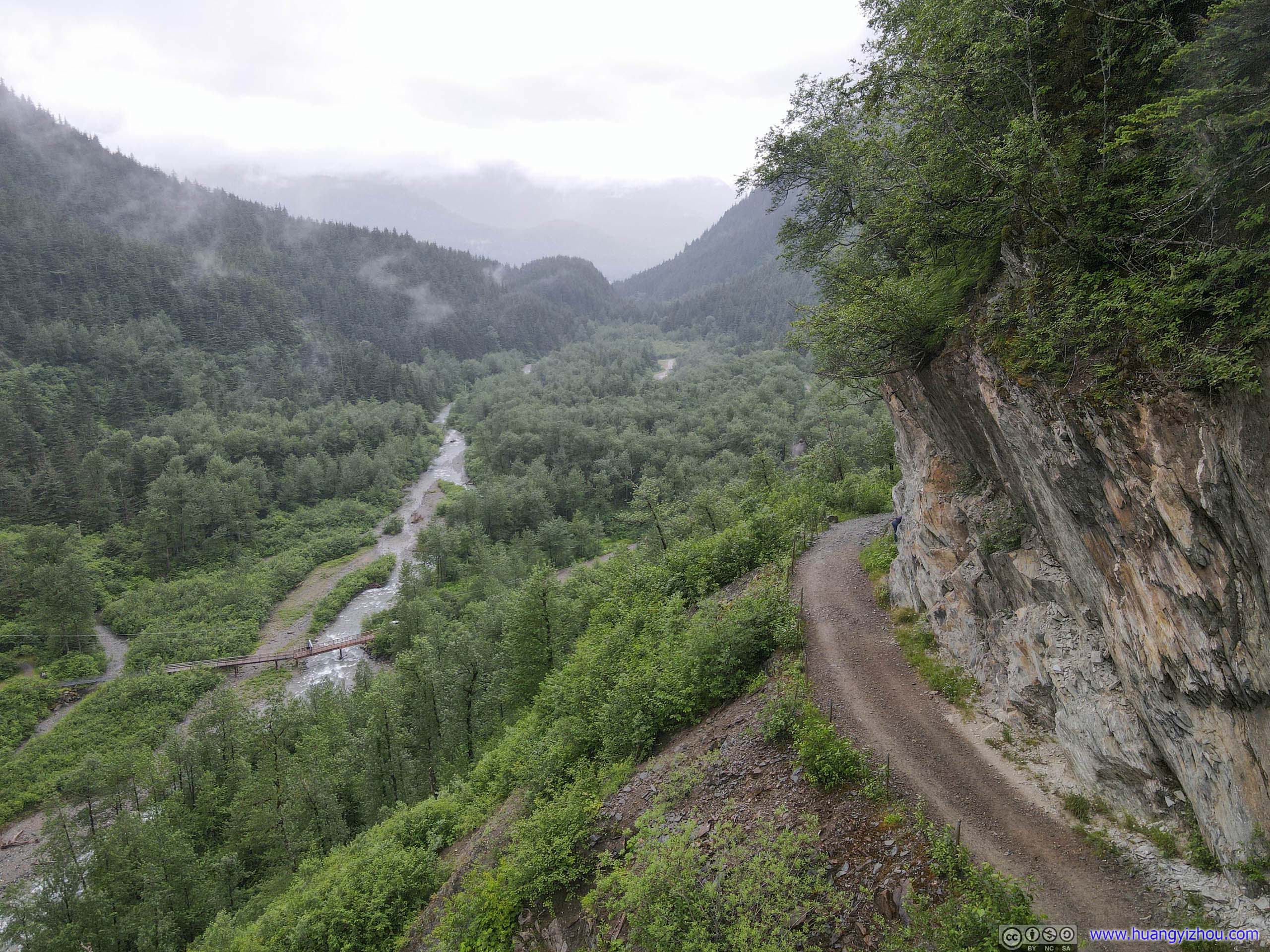
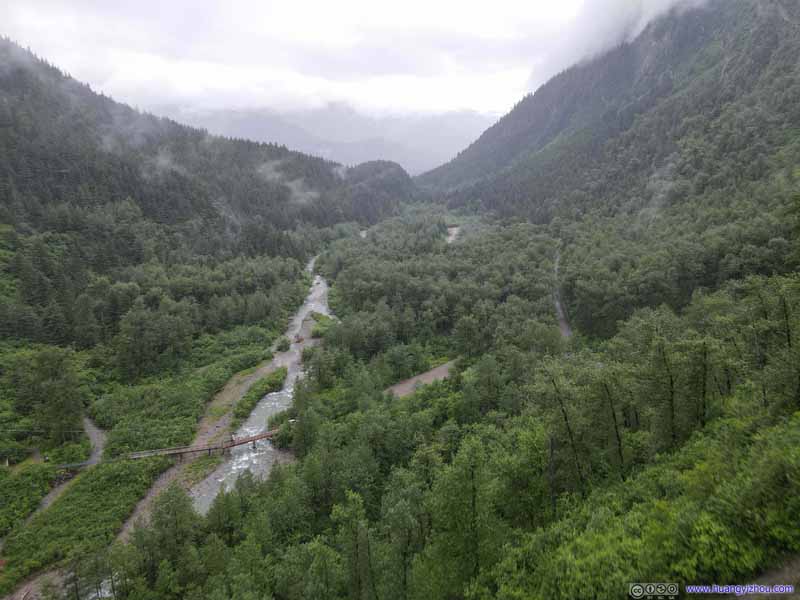
Valley Gold Creek flows in the middle.
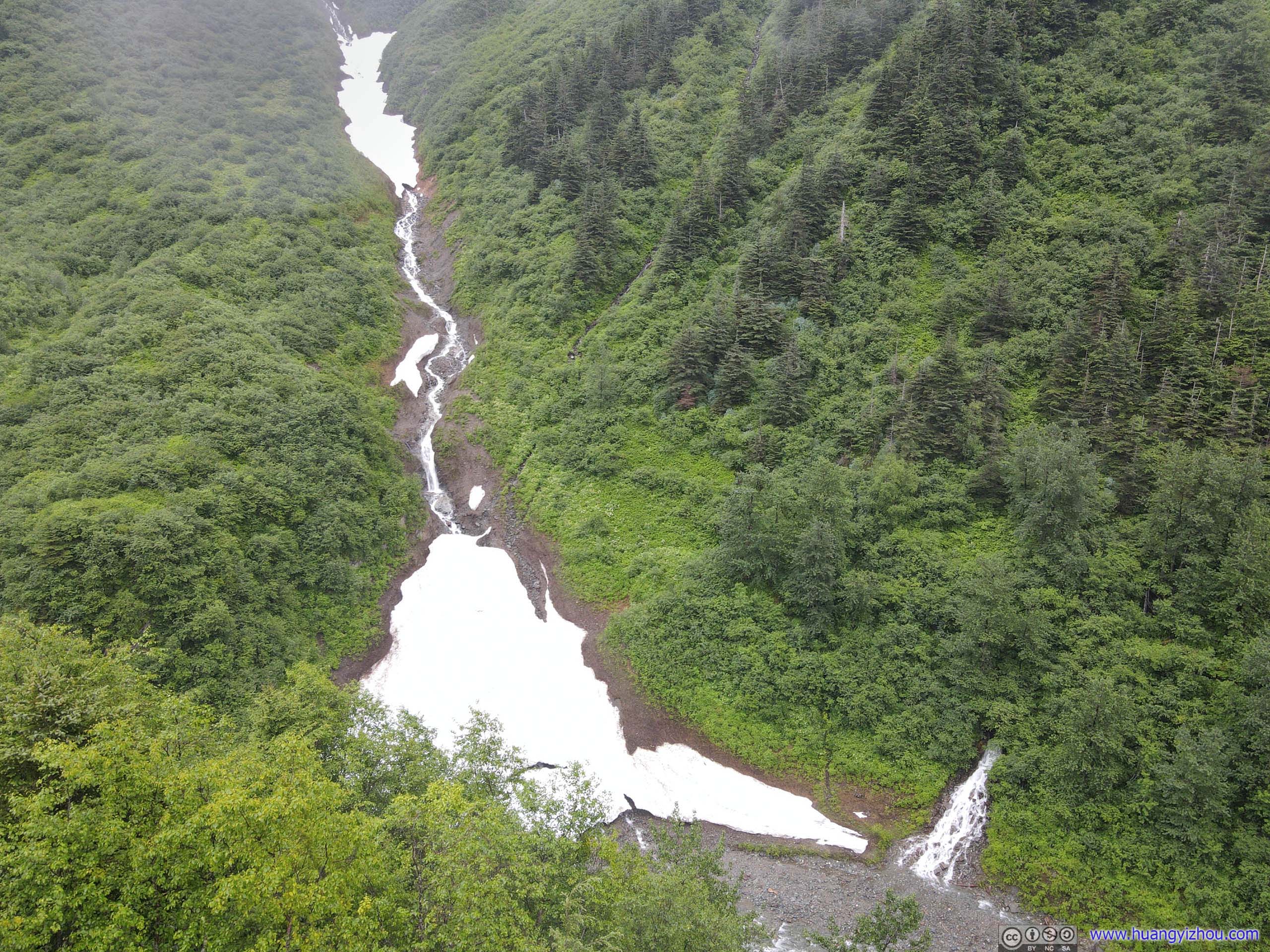
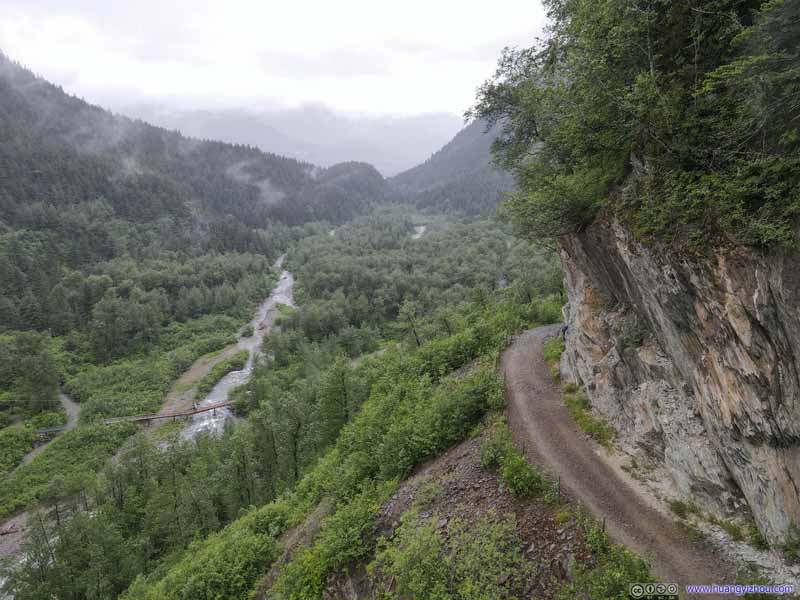
Trail up Mount Juneau
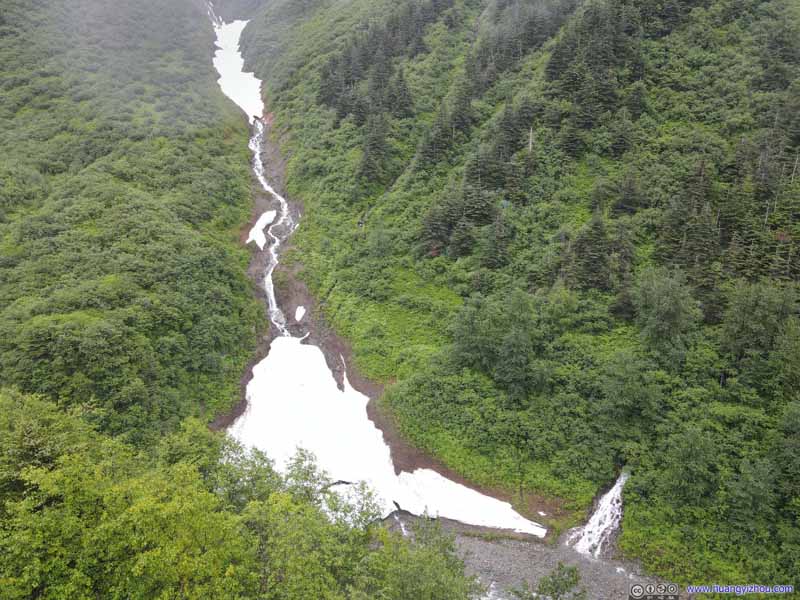
Patches of Snow
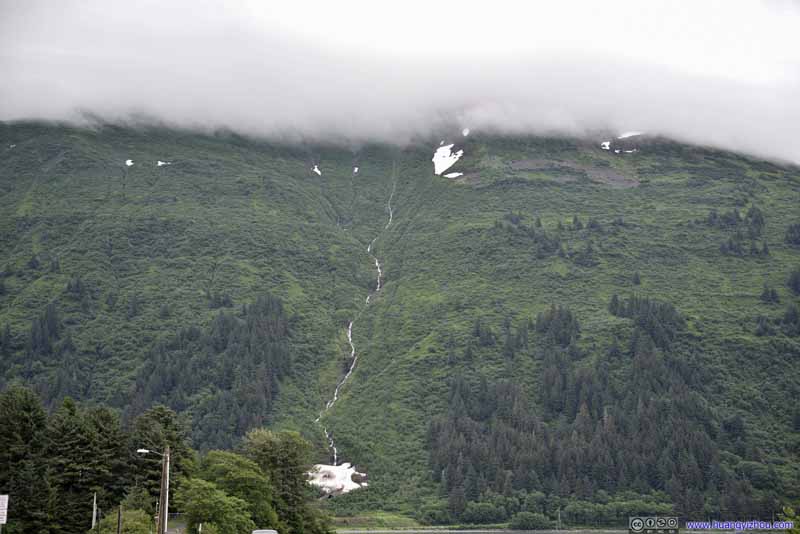
Mount Juneau Covered in Clouds Taken earlier during the day. Its top was covered in clouds for pretty much the entire day.
After that, I drove to downtown Juneau and had my dinner, concluding my two-day visit to the capital of Alaska.
END